2026 Best Electrical Heating Pyrolysis Plant Buying Guide

Time:2026-09-11 Author:Ethan
0%

Choosing an Electrical Heating Pyrolysis Plant in 2026 requires more than comparing purchase prices. Buyers must examine heating performance, processing capacity, safety design, energy consumption, and supplier credibility. A reliable plant should match the intended feedstock, operating schedule, site conditions, and local environmental requirements.

This guide introduces practical criteria for evaluating modern electrical heating systems. It considers reactor construction, temperature control, insulation quality, feeding mechanisms, cooling units, gas handling, and automation. Clear technical specifications matter. So does the evidence behind them. Request test records, material certificates, maintenance plans, installation drawings, and realistic production data. A polished brochure is not enough.

Details matter. Operators should inspect wiring layouts, emergency shutdown systems, sensor accuracy, and access for cleaning. They should also calculate electricity demand, spare-part availability, labor needs, and expected downtime. Experienced manufacturers can explain these points without avoiding difficult questions. Independent inspections and reference-site visits can provide stronger confidence.

However, no buying guide can remove every uncertainty. Feedstock variation may change output quality and operating costs. Forecasts may also prove too optimistic. That is worth admitting. A careful buyer should begin with a small trial, confirm performance under real conditions, and compare several qualified suppliers. Compliance with applicable electrical, workplace safety, emissions, and waste-management rules remains essential. The best investment is not always the largest plant. It is the system that operates safely, efficiently, transparently, and consistently over many years.
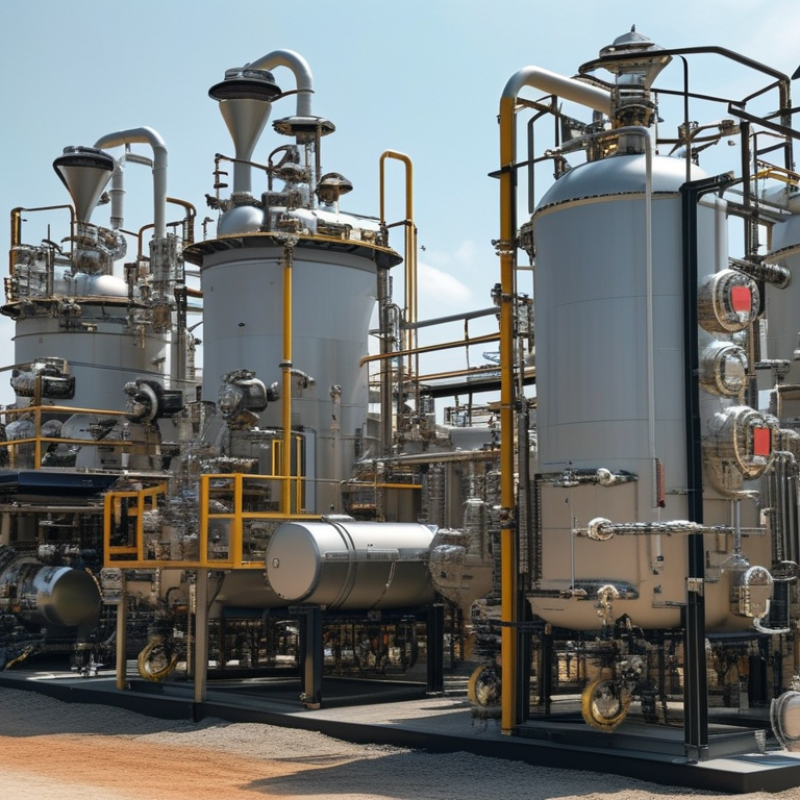
2026 Best Electrical Heating Pyrolysis Plant Buying Guide

Define Feedstock and Throughput Across the 400–700°C Pyrolysis Range

A 2026 electrical heating pyrolysis plant should begin with feedstock, not equipment size. IEA Bioenergy Task 34 reviews place slow pyrolysis broadly between 400°C and 600°C, while faster reactions can approach 700°C. Temperature changes product quality, residence time, and power demand. At 400–500°C, woody chips often favor solid biochar. Around 600–700°C, gas and condensable vapors usually increase.

Feedstock must be specified by moisture, particle size, ash, and bulk density. The U.S. Department of Energy’s Billion-Ton Report estimates that the United States could supply nearly one billion dry tons of biomass annually by 2040 under favorable cost conditions. That figure is theoretical, however. Wet material behaves differently. A plant receiving 2 tonnes per hour at 35% moisture processes only 1.3 tonnes of dry matter hourly. Electrical capacity should follow dry throughput.

World Bank’s What a Waste 2.0 reports 2.01 billion tonnes of municipal waste generated globally each year. This sounds attractive, but mixed waste can contain metals, chlorine, and unstable moisture. Clean, traceable biomass is easier to control. Ask suppliers for a heat-balance test using your actual feedstock. Insist on continuous temperature records and oxygen-control data. A spreadsheet can still lie. I would also question any throughput promise made without a defined moisture range, particle size, and residence time.

Benchmark Outputs: 35–45% Oil, 30–35% Char, and 10–15% Gas

2026 Best Electrical Heating Pyrolysis Plant Buying Guide

Benchmark outputs of 35–45% oil, 30–35% char, and 10–15% gas are useful screening targets. These figures should use a dry-feed mass basis. IEA Bioenergy Task 34 technical briefs and U.S. DOE process studies show that feedstock moisture, particle size, and heating rate strongly affect pyrolysis yields. The remaining mass may include water, fines, and process losses.

Look beyond the headline percentages. An electrical heating system should provide stable reactor temperatures, accurate power control, and even heat transfer across the chamber. In practical plant evaluations, wet material can reduce oil recovery and increase electricity demand. Feedstock below about 10% moisture is often easier to control, although the ideal level depends on the material and reactor design.

The numbers are not guaranteed. They are benchmarks. A reliable supplier should provide mass-balance data, energy-use records, emissions testing, and independent laboratory results. ASTM-based testing can help assess oil properties, while recognized biochar standards support quality checks for char. Operators should also verify gas composition, condensate handling, and startup time. One overlooked detail can change the economics. Real feedstock is never perfectly uniform.

2026 Best Electrical Heating Pyrolysis Plant Buying Guide - Benchmark Outputs: 35–45% Oil, 30–35% Char, and 10–15% Gas
Category Parameter Benchmark Range / Target Unit Buying and Evaluation Notes
Product Yield Pyrolysis oil 35–45 wt% Typical target for suitable dry organic feedstock processed in the absence of oxygen. Oil yield depends strongly on feedstock composition, particle size, temperature, and vapor residence time.
Solid char 30–35 wt% Higher char yields are generally associated with lignocellulosic, rubber-rich, or carbon-dense feedstock and lower-to-moderate operating temperatures.
Non-condensable gas 10–15 wt% Usually contains combustible gases such as hydrogen, carbon monoxide, methane, carbon dioxide, and light hydrocarbons. Gas composition varies by feedstock and process temperature.
Moisture, process water, and light oxygenates 5–20 wt% This fraction increases with feedstock moisture and oxygen content. It should be measured separately from saleable pyrolysis oil where product quality matters.
Mass-balance allowance 1–5 wt% Covers handling losses, sampling variation, uncondensed vapors, and measurement uncertainty. Actual fractions should be confirmed through a site-specific commissioning test.
Feedstock Requirements Recommended feedstock moisture Preferably ≤10; maximum commonly ≤15 wt% Lower moisture reduces energy consumption and improves condensation stability. Wet material may require a separate drying stage.
Typical feedstock size 10–30 mm Uniform particle size supports consistent heat transfer and residence time. The correct size depends on reactor design and feedstock bulk density.
Feedstock contamination Low levels of soil, stones, PVC, and metals Screening requirement Inert materials increase ash and wear. Chlorine-containing plastics can increase corrosion and acid-gas control requirements.
Bulk density Approximately 150–600 kg/m³ The selected feeding system should be sized for the actual bulk density, particle shape, bridging tendency, and flowability of the material.
Feedstock consistency Stable composition and continuous supply Operational requirement Large changes in moisture, ash, or polymer content can shift oil, char, and gas yields and may require control-system adjustment.
Feedstock testing before purchase Moisture, ash, proximate analysis, ultimate analysis, and heating value Recommended Laboratory testing is the most reliable basis for estimating product yield, energy demand, emissions, and equipment capacity.
Electrical Heating System Typical pyrolysis temperature 400–550 °C The optimum set point depends on the target product. Lower temperatures generally favor char, while higher temperatures can increase vapor cracking and gas production.
Heating method Indirect electric heating System configuration Heating elements should transfer heat through the reactor wall or heating chamber without direct contact between the feedstock and electrical components.
Temperature control accuracy Approximately ±5–10 °C Independent temperature zones, calibrated sensors, and automatic control help maintain stable vapor quality and product distribution.
Installed electrical capacity Project-specific; commonly sized with 20–30% reserve kW Sizing should include reactor heat-up, continuous operation, feedstock drying, condensers, pumps, controls, and auxiliary equipment.
Specific electrical energy demand Approximately 500–1,200 kWh per tonne of feedstock This indicative range varies with moisture, feedstock type, insulation, throughput, heat recovery, and whether drying is electrically powered.
Thermal insulation High-temperature insulated reactor and hot-gas lines Design requirement Effective insulation reduces heat loss, improves electrical efficiency, and protects operators from hot surfaces.
Process and Product Quality Operating mode Continuous or semi-continuous Configuration Continuous systems are generally preferred for larger throughput, while batch or semi-continuous systems may offer simpler operation at smaller scale.
Oxygen control Oxygen-limited atmosphere Safety and process requirement The reactor should include controlled purge, sealed feeding, pressure monitoring, and suitable prevention of air ingress.
Vapor residence time Short, controlled residence time Process parameter Excessive vapor residence time can promote secondary cracking, increasing gas formation and reducing condensable oil yield.
Oil collection temperature Multi-stage condensation with controlled cooling System configuration A staged condenser can improve recovery of condensable vapors and separate heavier oil, lighter fractions, and process water.
Char discharge temperature Below the ignition temperature before exposure to air Safety requirement Char should be cooled in a sealed or inerted discharge system to reduce oxidation, fire risk, and product quality variation.
Utilities and Safety Gas recycling capability Recommended after gas cleaning and safety verification System feature Recycling non-condensable gas can reduce external energy demand, but the system requires flame arrestors, pressure control, gas detection, and reliable shutdown protection.
Dust and particulate control Cyclone, filter, or equivalent separation stage Pollution-control requirement The correct equipment depends on feedstock ash content, char carryover, gas flow, and local emission requirements.
Condensate and wastewater management Closed collection and treatment plan Environmental requirement Process water may contain organic compounds and should not be discharged without characterization and appropriate treatment.
Electrical protection Over-temperature, over-current, leakage, and emergency shutdown protection Safety requirement The electrical system should comply with applicable national codes and include grounding, isolation, alarms, and accessible emergency stops.
Instrumentation Temperature, pressure, oxygen, gas flow, power, and level monitoring Recommended Data logging enables yield verification, preventive maintenance, energy analysis, and comparison against the target product balance.
Purchase Acceptance Criteria Performance guarantee Defined output range based on a named feedstock specification Contract requirement The guarantee should state moisture, particle size, ash, throughput, operating temperature, product yield, and test method.
Capacity verification On-site or witnessed performance test Acceptance method Verify continuous feed rate, stable operation, electrical consumption, oil recovery, char quality, gas balance, and emissions during the test.
Maintenance access Inspection ports, replaceable heating elements, cleanable condensers, and accessible seals Design requirement Maintainability directly affects availability and lifecycle cost, especially where feedstock contains abrasive ash or sticky condensable compounds.
Documentation and training Operating manual, electrical drawings, spare-parts list, risk assessment, and operator training Delivery requirement Complete documentation is essential for safe commissioning, regulatory review, troubleshooting, and long-term operation.
Benchmark basis: The stated 35–45% oil, 30–35% char, and 10–15% gas ranges are indicative mass fractions for suitably prepared, relatively dry organic feedstock under oxygen-limited pyrolysis conditions. Actual results are feedstock- and process-specific; final purchasing decisions should be based on laboratory analysis, pilot testing, and a witnessed acceptance test.

Compare Electric Heating Systems by kWh/t, Heat Recovery, and Duty Cycle

2026 Best Electrical Heating Pyrolysis Plant Buying Guide

When comparing electrical heating pyrolysis plants, start with measured energy use, not brochure estimates. A practical target is kWh per tonne of prepared feedstock. However, moisture can change this number sharply. One tonne of wet biomass needs more energy than one tonne of dried material. Ask for test data showing feedstock type, moisture, reactor temperature, and output rate. Without these conditions, the figure has limited value.

Heat recovery often separates a reliable system from an expensive heater. Hot gas, char, and reactor surfaces may preheat incoming material or process air. Effective recovery can reduce electrical demand and shorten warm-up time. Inspect exchanger design, insulation thickness, cleaning access, and measured recovery efficiency. Small losses become significant during continuous operation. The numbers need checking.

Duty cycle deserves equal attention. A plant running at 90% capacity for twenty hours differs greatly from one operating intermittently. Review startup time, cooling periods, maximum daily hours, and power fluctuations. Ask whether the stated kWh/t applies during stable production or includes repeated heating cycles. A neat spreadsheet can still mislead. Real operation is rarely perfect. Record electricity use with calibrated meters during a supervised trial, then compare actual tonnes processed. That evidence supports a more defensible purchase decision.

Verify Product Quality with ASTM D7544 and ISO 17225 Test Frameworks

When buying an electrical heating pyrolysis plant in 2026, product quality should be verified through repeatable testing, not attractive output claims. ASTM D7544 provides a useful framework for evaluating pyrolysis liquid biofuel, including water content, viscosity, density, acidity, flash point, and ash. Ask the supplier for recent, batch-specific laboratory reports. Generic certificates are weak evidence.

For the solid fraction, ISO 17225 can support classification of solid biofuels when its scope fits the material and intended use. Confirm the applicable part before testing. Measure moisture, ash, volatile matter, fixed carbon, net calorific value, particle size, and relevant contaminants. Sampling matters greatly. A clean sample from the discharge may hide changes inside a long production run.

Request a witnessed trial using your actual feedstock. Record heating-zone temperatures, residence time, power consumption, feed rate, and product yield. An independent laboratory should receive sealed samples with a documented chain of custody. Test results should match the plant’s operating conditions, not only a small demonstration unit.

Do not ignore electrical performance. Check temperature uniformity, insulation, emergency shutdowns, sensor calibration, and control-system records. Some suppliers report excellent laboratory values but provide limited long-term data. That gap deserves attention. ASTM D7544 and ISO 17225 do not replace engineering inspection, and neither standard proves that every plant will perform equally. A practical buyer should compare test methods, uncertainty ranges, and repeated results before signing a purchase contract.

2026 Best Electrical Heating Pyrolysis Plant Buying Guide

The chart presents selected numeric reference criteria from ISO 17225-2 Class A1 for pelletized woody biomass fuel: moisture and ash are maximum limits, while mechanical durability is a minimum limit. These values can support incoming-material checks and finished-fuel acceptance during plant evaluation.

ASTM D7544 should be applied separately to characterize solid fuel produced by thermochemical conversion. Because ASTM D7544 and ISO 17225 use different product scopes and classification logic, their limits should not be combined into a single pass/fail score. Confirm the current standard editions, sampling plan, laboratory methods, and test certificates before purchase.

Audit Safety and Compliance Against IEC 61508 and NFPA 86 Standards

A 2026 electrical heating pyrolysis plant should be audited as a safety instrumented system, not merely as a high-temperature machine. IEC 61508 requires documented hazard analysis, safety functions, diagnostic coverage, and lifecycle control. Define each function clearly: over-temperature shutdown, loss-of-airflow protection, pressure relief, and emergency isolation. Assign a target Safety Integrity Level only after risk analysis. Guesswork is not compliance.

NFPA 86 focuses on ovens, furnaces, combustion hazards, ventilation, purge cycles, and protective interlocks. For electrical pyrolysis equipment, auditors should verify independent temperature sensors, fail-safe contactors, guarded heating zones, and tested emergency stops. Record actual response times. A factory acceptance test should simulate sensor failure, power loss, blocked exhaust, and abnormal pressure. Small details matter.

The U.S. Chemical Safety Board’s public investigation record covers more than 130 incidents since 1998. Its findings repeatedly identify weak procedures, poor alarm management, and missing safeguards. That evidence supports a practical audit trail: calibrated instruments, signed proof-test records, operator training logs, and maintenance findings with closure dates. Do not accept “tested” without evidence. One uncomfortable gap remains common: safety logic may be documented, but rarely challenged under realistic operating conditions. Review it again.

FAQS

: What output ranges can an electrical heating pyrolysis plant achieve?

: Screening benchmarks suggest 35–45% oil, 30–35% char, and 10–15% gas. These figures use dry-feed mass. They are not guarantees. Water, fines, and process losses may explain the remaining mass.

How does feedstock moisture affect plant performance?

Wet feedstock usually lowers oil recovery and increases electricity demand. Material below about 10% moisture may be easier to control. The ideal level depends on the feedstock and reactor design. Real material is rarely uniform.

Which energy figures should buyers compare?

Compare measured kWh per tonne of prepared feedstock. Request the moisture level, particle size, reactor temperature, and output rate. A number without test conditions means little. Brochure estimates can mislead.

Why is heat recovery important?

Heat recovery can preheat incoming feedstock or process air. It may reduce electricity use and shorten warm-up time. Inspect insulation, exchanger design, cleaning access, and recovery efficiency. Small losses accumulate.

How should duty cycle be evaluated?

Check startup time, cooling periods, daily operating hours, and power fluctuations. A plant running steadily differs from one using repeated heating cycles. Confirm whether kWh per tonne includes startup energy. The spreadsheet may look better than reality.

What performance evidence should a supplier provide?

Request mass-balance data, energy records, emissions tests, and independent laboratory results. Ask for oil, char, gas, and condensate measurements. Verify gas composition and startup time. Missing evidence deserves a second look.

Which safety functions should the plant include?

Important functions include over-temperature shutdown, airflow-loss protection, pressure relief, and emergency isolation. Use independent temperature sensors and fail-safe electrical controls. Guard heating zones. Test emergency stops.

How can safety systems be tested realistically?

A factory test should simulate sensor failure, power loss, blocked exhaust, and abnormal pressure. Record response times and proof-test results. Review training logs and maintenance findings. “Tested” is not enough.

How do recognized safety standards support an audit?

One standard focuses on safety functions, diagnostics, and lifecycle control. Another addresses furnaces, ventilation, purge cycles, and protective interlocks. Assign safety levels only after risk analysis. Guesswork is not compliance.

Conclusion

Choosing the right Electrical Heating Pyrolysis Plant begins with clearly defining the feedstock type, moisture content, particle size, and required throughput. Operating conditions across the 400–700°C range should be matched to the material and desired product balance. As a practical benchmark, many systems may target approximately 35–45% oil, 30–35% char, and 10–15% gas, although actual yields depend on feedstock properties, temperature, residence time, and process control.

When comparing equipment, evaluate electricity consumption in kWh per ton, heat recovery performance, temperature uniformity, startup time, and continuous duty-cycle capability. Product quality should be verified through suitable ASTM D7544 and ISO 17225 testing frameworks, supported by traceable sampling and laboratory analysis. A complete purchasing review must also audit controls, emergency shutdown functions, insulation, fire prevention, and operator protection against IEC 61508 and NFPA 86 principles. These criteria help buyers assess efficiency, output consistency, safety, and long-term operating suitability.


Ethan

Ethan

Ethan is a seasoned marketing professional with a deep expertise in our company's innovative product line. With a passion for sharing knowledge and insights, he takes the lead in regularly updating our corporate blog, where he explores industry trends, product features, and effective marketing......