2026 Top Pyrolysis Plant Price Guide for Global Buyers

Time:2026-10-27 Author:Sienna
0%

Buying a pyrolysis system in 2026 requires more than comparing a supplier’s headline quotation. The real Pyrolysis Plant Price depends on capacity, feedstock preparation, reactor design, emission controls, automation, installation, freight, and local approval costs. A compact plant may fit a limited site, while a larger facility demands stronger foundations, wider utilities, and more complex operation. Every detail matters.

This guide helps global buyers evaluate quotations with practical judgment. It examines equipment costs, shipping terms, commissioning, maintenance, labor, and expected operating expenses. A supplier may quote only the reactor, leaving condensers, cooling towers, fire protection, laboratory testing, and electrical work outside the package. That difference can seriously change the final investment. Be careful here.

Reliable decisions require documented performance data, material specifications, warranty conditions, and references from comparable projects. Buyers should request independent inspections, factory acceptance tests, and clear after-sales support. Environmental permits and emissions standards must be confirmed before any contract is signed. Requirements vary by country, region, and approved feedstock. Compliance is not optional.

Market prices are difficult to compare perfectly. Some quotations exclude land, taxes, civil works, training, or spare parts. Others include attractive promises without enough operating evidence. That should invite questions, not immediate trust. Our analysis therefore focuses on transparent cost structures and realistic project risks. It also recognizes an uncomfortable point: the lowest quotation may create the highest long-term expense. Careful planning protects capital, workers, nearby communities, and the plant’s future performance.
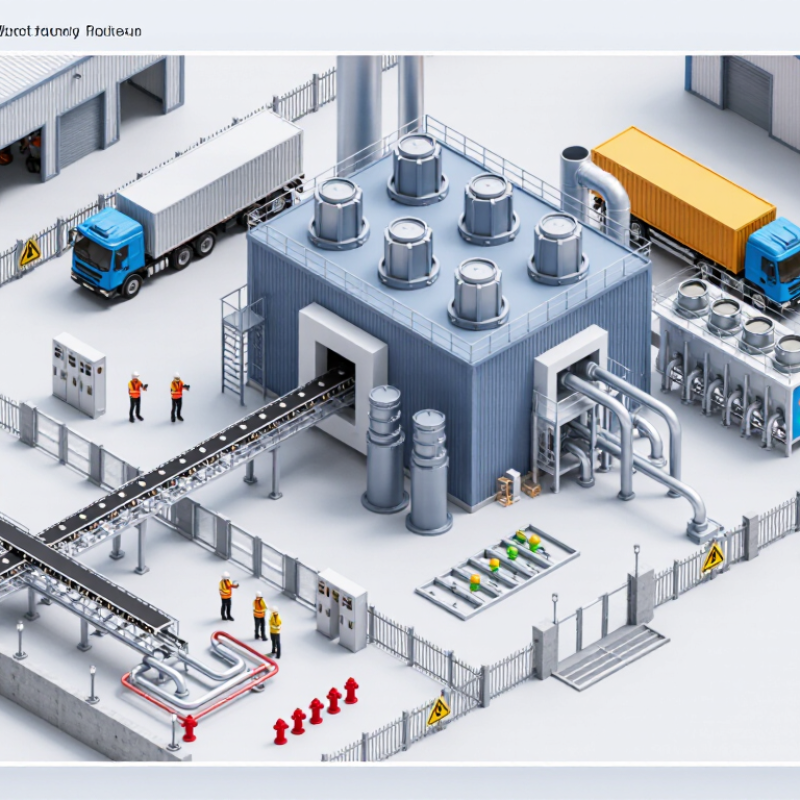
2026 Top Pyrolysis Plant Price Guide for Global Buyers

Pyrolysis Plant Types and Their Main Processing Applications

Pyrolysis plants differ mainly by feedstock, reactor design, and target product. Tire pyrolysis plants process end-of-life tires into oil, recovered carbon material, steel, and gas. Plastic pyrolysis units handle selected polyolefins, such as polyethylene and polypropylene. Biomass systems convert wood residues, rice husks, or agricultural waste into biochar, syngas, and condensable oil.

The applications are distinct. Tire-derived oil may support industrial heating after proper quality testing. Plastic-derived oil can serve as a feedstock for further industrial processing, subject to local specifications. Biomass pyrolysis often supports soil improvement, carbon management, or renewable heat projects.

The World Bank reported 2.01 billion tonnes of municipal solid waste in 2016, with projections reaching 3.40 billion tonnes by 2050. However, mixed waste remains difficult to process consistently.

Feedstock quality drives plant pricing more than many buyers expect. Moisture, chlorine, metals, particle size, and daily throughput can change equipment requirements.

The Global E-waste Monitor reported 62 million tonnes of e-waste generated in 2022, but unsuitable materials require strict separation and controlled handling.

Do not treat every waste stream as pyrolysis-ready. That assumption is costly.

A credible price review should compare reactor capacity, pretreatment, emission controls, labor needs, installation, and maintenance. Product yields must come from tested feedstock, not optimistic brochures.

Site permits and laboratory verification also affect the final budget. Some estimates still overlook these items. That deserves careful reflection.

Key Factors That Determine Pyrolysis Plant Prices in 2026

Pyrolysis plant prices in 2026 depend less on the reactor alone than on the complete processing system. Feedstock preparation can add major costs when waste contains moisture, metals, or uneven particle sizes. The OECD Global Plastics Outlook reports that global plastic waste could nearly triple by 2060, increasing demand for reliable sorting and pretreatment equipment. Dirty feedstock is expensive.

Capacity also changes the quotation. A larger plant may reduce cost per tonne, but it requires stronger foundations, larger storage areas, higher power demand, and more complex safety controls. Reactor steel grade matters when processing hot, corrosive vapors. Condensation systems, gas cleaning, flare equipment, and emissions monitoring can significantly increase capital expenditure. These details are often missing from simple online price tables.

Location remains decisive. Freight, import duties, grid connection, civil construction, labor, and commissioning may represent a substantial share of the final investment. The UNEP and ISWA Global Waste Management Outlook 2024 estimates that municipal waste management already costs about 252 billion dollars annually worldwide. Infrastructure gaps can make installation more expensive in emerging markets. A careful 2026 budget should separate equipment, installation, utilities, permits, and contingency. Otherwise, the “low” price may only describe an empty reactor shell. That happens more often than buyers admit.

Typical Cost Ranges for Different Pyrolysis Plant Capacities

2026 Top Pyrolysis Plant Price Guide for Global Buyers

Typical Cost Ranges for Different Pyrolysis Plant Capacities

For 2026 planning, a small plant processing 1–5 tons daily may cost about USD 80,000–250,000 for core equipment. A complete installed project can reach USD 150,000–450,000. These systems suit pilot operations or limited feedstock supplies. However, low capacity does not always mean low risk. Feedstock preparation, storage, and emission-control equipment still require careful budgeting.

A medium plant handling 10–30 tons per day commonly costs USD 300,000–900,000 for equipment. Turnkey investment may range from USD 600,000 to 1.5 million. Larger systems processing 50–100 tons daily often require USD 1.2–3.5 million for equipment alone. Installed costs may exceed USD 2 million. Site distance, civil works, automation, and local labor can change the final figure substantially.

Capacity is only one pricing factor. Moisture removal, shredding, condensation, gas treatment, and safety controls add measurable costs. Stainless steel contact parts may increase the initial budget but support longer service life. Ask for a detailed scope, not only a headline price. Some quotations exclude foundations, electrical connections, commissioning, or shipping. That omission can distort comparisons. A practical buyer should request performance data, maintenance records, inspection documents, and a realistic energy balance. Even then, forecasts remain imperfect. Local regulations and feedstock quality can alter the result. Allowing a 10–20% contingency is usually sensible.

Additional Expenses for Installation, Operation, and Maintenance

A pyrolysis plant’s quoted equipment price is only the starting point. Installation may require civil works, foundations, fire protection, electrical upgrades, storage tanks, and emission-control systems. Feedstock preparation can add conveyors, shredders, dryers, and covered storage. The UNEP Global Waste Management Outlook 2024 estimates that global waste-management costs could reach USD 640.3 billion annually by 2050 under a business-as-usual path. This highlights the value of reliable logistics and efficient processing.

Operating costs depend heavily on moisture, ash, labor, electricity, fuel, and residue handling. The World Bank’s What a Waste 2.0 report projects municipal solid waste generation rising from 2.01 billion tonnes in 2016 to 3.40 billion tonnes by 2050. More feedstock does not always mean better economics. Wet or contaminated material can reduce output and increase downtime. Maintenance also needs a realistic allowance for reactor linings, seals, burners, sensors, filters, and moving parts. A neat spreadsheet can still miss these small failures.

Tips: Ask suppliers for a five-year maintenance schedule, spare-parts list, and commissioning scope. Request performance data using your actual feedstock, not ideal laboratory material. Keep a contingency budget for civil changes and delayed permits. I would also test moisture and ash before ordering; this step is often skipped, and that assumption can become expensive.

How Global Buyers Can Compare Suppliers and Select a Plant

2026 Top Pyrolysis Plant Price Guide for Global Buyers

Global buyers should compare complete project costs, not only the equipment quotation. The United Nations Environment Programme reported that municipal waste could reach 3.8 billion tonnes annually by 2050. This rising volume increases demand, but feedstock quality still controls profitability. Ask each supplier to define accepted materials, moisture limits, pretreatment needs, and expected product yields. Do not compare brochures.

A reliable comparison includes reactor capacity, heating method, automation, emission controls, installation, commissioning, and operator training. Request a line-by-line commercial offer. Separate equipment cost from civil works, utilities, shipping, taxes, and spare parts.

The OECD’s Global Plastics Outlook found that only 9% of plastic waste was recycled globally in 2019. This supports investment interest, but it does not guarantee local feedstock supply. Verify it with weighing records and signed supply agreements.

Technical evidence matters more than attractive output claims. Require independent test results, mass-balance data, uptime assumptions, and product-quality specifications. Ask for references with similar feedstock and climate conditions. Review warranty exclusions carefully.

Some low-cost proposals omit continuous monitoring or proper gas-cleaning systems, creating later expenses and approval risks. That is often missed. A plant producing less than its advertised capacity may still be acceptable if the supplier explains the limitation honestly.

Buyers should also inspect after-sales response times, critical spare inventories, and local service capability. A cheaper plant is not always cheaper to operate. My own assessment would remain cautious when data comes from short trials rather than year-long performance records.

FAQS

What are the main types of pyrolysis plants?

Tire plants process used tires into oil, recovered carbon material, steel, and gas. Plastic units handle selected materials, such as polyethylene and polypropylene. Biomass systems process wood residues, rice husks, or agricultural waste.

How do applications differ between feedstocks?

Tire-derived oil may support industrial heating after quality testing. Plastic-derived oil may become an industrial processing feedstock. Biomass products can support soil improvement, carbon management, or renewable heat projects.

Can all waste materials enter a pyrolysis plant?

No. Mixed or contaminated waste can cause unstable results. Moisture, chlorine, metals, ash, and particle size need careful control. Do not assume every waste stream is suitable.

Which feedstock details affect equipment pricing?

Moisture and ash may require drying or stronger handling systems. Metals and chlorine can increase separation and emission-control needs. Daily throughput also changes reactor size and auxiliary equipment.

What expenses are often missing from the quoted equipment price?

Installation may include foundations, electrical upgrades, fire protection, storage tanks, and emission controls. Feed preparation may need conveyors, shredders, dryers, and covered storage. The equipment price is only the beginning.

Which operating costs deserve close attention?

Budget for labor, electricity, fuel, drying, residue handling, and routine testing. Wet material can reduce output and increase downtime. More feedstock does not always mean better economics.

What maintenance items should a buyer plan for?

Common items include reactor linings, seals, burners, sensors, filters, and moving parts. Request a five-year maintenance schedule and spare-parts list. Small failures matter.

How can buyers check whether supplier performance claims are realistic?

Request test results using your actual feedstock. Confirm product yields, operating conditions, and downtime assumptions. Laboratory material may perform better than daily deliveries.

What should be tested before ordering equipment?

Test moisture, ash, particle size, chlorine, and metal content. These results can reveal drying, sorting, or emission-control requirements. This step is often skipped. That can become expensive.

What permits and site issues should be reviewed?

Check local permits, emissions requirements, storage rules, fire protection, and laboratory verification needs. Include time for approval delays and civil changes. A neat spreadsheet can still mislead.

Conclusion

This 2026 guide explains how to evaluate Pyrolysis Plant Price according to plant type, processing application, capacity, and configuration. Different systems may be designed for waste tires, plastics, biomass, or other permitted feedstocks, with costs varying between batch, semi-continuous, and continuous models. Buyers should consider heating method, automation level, material compatibility, output quality, environmental control systems, and local compliance requirements when comparing quotations.

In addition to the equipment purchase price, global buyers should budget for transportation, customs, installation, civil works, utilities, commissioning, labor, energy, routine maintenance, spare parts, and waste-management procedures. Typical costs rise with processing capacity and technical complexity, so comparing suppliers requires more than choosing the lowest offer. A reliable evaluation should include production capacity, safety features, after-sales support, warranty terms, documentation, delivery schedule, and the supplier’s ability to meet local environmental and operational standards.


Sienna

Sienna

Sienna is a skilled marketing professional with a deep expertise in our company’s core products and services. With a passion for innovation and detail, she plays a pivotal role in crafting insightful blog posts that not only highlight the unique features of our offerings but also provide valuable......