The rise of the Electric Continuous Waste Tyre Pyrolysis Plant marks a significant stride in waste management technology. This innovative solution efficiently transforms used tyres into valuable products. With the looming issues of waste accumulation and environmental pollution, such technology offers hope.
Tyre waste is a pressing problem. Millions of tyres are discarded each year, causing ecological harm. The Electric Continuous Waste Tyre Pyrolysis Plant addresses this challenge by converting tyres into oil, carbon black, and gas. These products can be reused in various industries, reducing the need for raw materials.
However, this technology is not without its challenges. The initial investment can be substantial. Moreover, operational efficiency and emissions control remain areas needing refinement. Despite these setbacks, the potential benefits are immense. As we approach 2026, continuous innovation will be crucial to enhance the effectiveness of these plants.
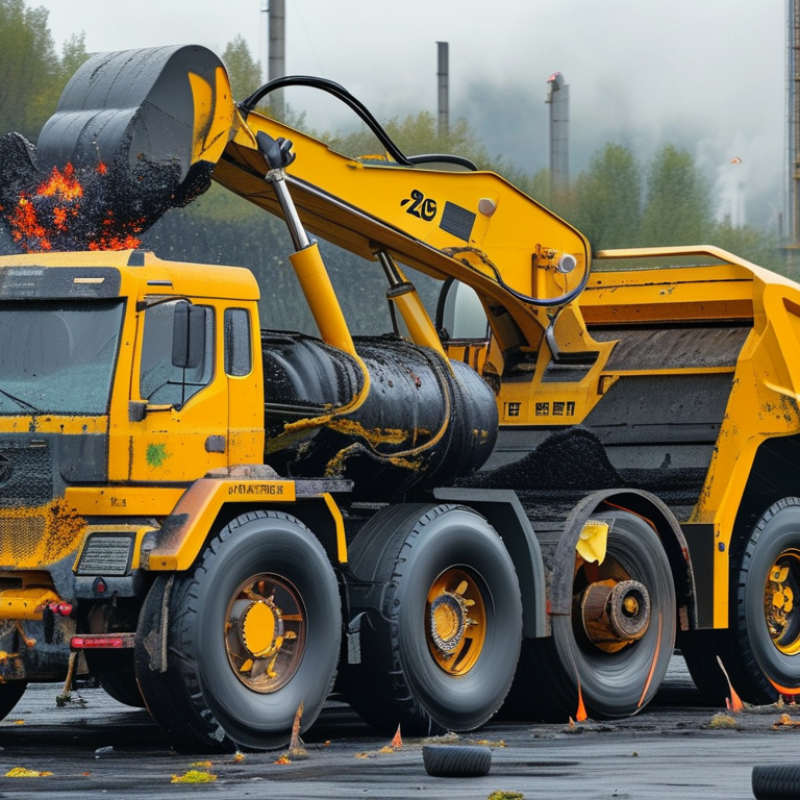
Overview of Electric Continuous Waste Tyre Pyrolysis Technology
Electric continuous waste tyre pyrolysis technology represents a significant advancement in recycling and waste management. This innovative process transforms end-of-life tyres into valuable products, such as oil, carbon black, and steel wire. According to estimates, over 1.5 billion tyres are discarded globally each year. This technology addresses the environmental impact of tyre waste, providing an efficient solution for a growing problem.
The pyrolysis process itself operates at high temperatures, facilitating the thermochemical breakdown of tyres. With a continuous system, it allows for sustained operation, improving efficiency. Reports indicate that these plants can convert 10-15 tonnes of tyres daily, generating around 4,000 liters of oil. Moreover, the process emits fewer greenhouse gases compared to traditional disposal methods, making it a more sustainable option.
However, challenges remain. The initial investment for a continuous pyrolysis plant can be substantial. Some facilities struggle with inconsistent feedstock quality, impacting output. Continuous monitoring and maintenance are crucial for optimizing performance. Industry experts emphasize the need for ongoing research and development to enhance this technology's effectiveness and lower operational costs. The journey towards perfecting electric continuous waste tyre pyrolysis is ongoing, revealing both its potential and areas requiring improvement.
Key Components of the 2026 Electric Continuous Pyrolysis Plant
The 2026 Electric Continuous Tyre Pyrolysis Plant is set to revolutionize waste management. Key components include advanced reactor systems, high-efficiency heat exchangers, and integrated control units. These elements work together to ensure effective tyre pyrolysis, turning waste into valuable resources such as oil, carbon black, and gas.
Recent industry reports suggest that the global tyre recycling market will reach USD 2.9 billion by 2026. This growth highlights the importance of efficient pyrolysis technology. Reliable systems can provide a significant yield, converting up to 90% of waste tyres into usable products. This considerable conversion rate reinforces the reliability of continuous pyrolysis as a sustainable waste management solution.
Running an electric pyrolysis plant requires careful monitoring of temperature and pressure. Inadequate control can lead to inefficient processing and reduced product quality. Investors should consider these factors when designing their setups. Additionally, new materials like steel frames could enhance durability while cutting energy costs. Regular assessments will be essential for achieving optimal performance, as this technology evolves. Innovation in this sector is ongoing, creating a space for improvement and better outcomes.
Operational Process of Electric Continuous Waste Tyre Pyrolysis
Electric continuous waste tyre pyrolysis plants represent a significant advancement in waste management technology. The operational process involves several key stages. First, shredded tyres are fed continuously into the pyrolysis reactor, ensuring a steady flow of raw material. Heat is then applied, breaking down the tyres into oil, gas, and char.
Temperature control is crucial during pyrolysis. Ideal conditions can vary, but maintaining a consistent heat is essential for optimal oil yield. The gas produced can be reused as fuel for the heating process, which improves energy efficiency. Residual char can also be repurposed as a source of carbon black, providing additional economic benefits.
Tips: Regular maintenance checks on equipment are necessary. Neglecting routine inspections can lead to costly breakdowns. Monitoring feed rates and temperatures closely helps prevent issues and maintain production efficiency.
The continuous nature of this system reduces waste and increases productivity but poses challenges. For instance, variations in tyre composition can affect byproduct quality. Adapting operations to process different tyre types is a complex task. Working with skilled technicians can help mitigate potential problems and ensure the system runs smoothly.
Environmental Impact of Electric Continuous Waste Tyre Recycling
The environmental impact of electric continuous waste tyre recycling is significant. In recent years, global tire waste has reached alarming levels, with around 1.5 billion tires being discarded annually. Traditional disposal methods lead to pollution and greenhouse gas emissions. Electric continuous pyrolysis plants present a more sustainable alternative.
These facilities convert waste tires into valuable resources. They process tires at high temperatures, breaking them down without combustion. Studies show that this method can reduce CO2 emissions by up to 30%. Additionally, it generates oil, carbon black, and steel, which can be reused in various industries. The potential for material recovery is impressive; around 80% of a tire’s mass can be recycled into marketable products.
However, challenges remain. Not all plants operate with similar efficiency. Some facilities struggle to maintain ideal temperatures and processing times. This inconsistency can lead to lower output quality and environmental risks. Continuous monitoring and improvement are essential for optimizing operations. Investing in advanced technology may provide solutions to these issues, enhancing both environmental and economic outcomes.
2026 Top Electric Continuous Waste Tyre Pyrolysis Plant Overview
| Parameter |
Value |
Environmental Impact |
| Plant Capacity (tons/day) |
20 |
Reduces landfill waste |
| Energy Consumption (kWh/ton) |
400 |
Low carbon footprint |
| Emission Levels (g CO2/ton) |
150 |
Minimized greenhouse gases |
| Produced Oil (liters/ton) |
300 |
Sustainable energy source |
| Water Usage (liters/ton) |
100 |
Efficient water management |
Market Trends and Future Prospects for Pyrolysis Plants in 2026
The landscape for pyrolysis plants is evolving rapidly. By 2026, the market for electric continuous waste tyre pyrolysis technology is expected to reach a value of approximately $1.5 billion. This growth is driven by increasing awareness of sustainable practices and the urgent need for effective waste management solutions.
As governments and industries become more eco-conscious, the demand for pyrolysis plants is surging. A report from the International Renewable Energy Agency indicates that the adoption of such technologies in waste processing could reduce carbon emissions by up to 50% compared to traditional methods. However, many operators face challenges in securing funding and maintaining technological advancements. Stakeholders need to navigate these hurdles to leverage market opportunities effectively.
The future of pyrolysis plants also hinges on innovation. Although advancements are promising, outdated equipment and inefficient processes can hamper operational effectiveness. Investors must be wary of these lingering issues. The integration of robust monitoring systems could improve efficiency and ensure compliance with increasing regulatory standards. Emphasizing research and development will be essential. As the industry matures, continuous improvement and adaptation will be pivotal in meeting the evolving market demands.
FAQS
: These plants convert waste tyres into valuable resources like oil, gas, and char through heat application.
Maintaining consistent heat is crucial for maximizing oil yield and ensuring optimal processing conditions.
The gas can be reused as fuel for heating, enhancing the energy efficiency of the process.
Variations in tyre composition can affect byproduct quality, and outdated equipment may hinder processing efficiency.
The market is projected to reach approximately $1.5 billion, fueled by increased demand for sustainable waste management.
This method can reduce CO2 emissions by up to 30% and recycles about 80% of a tyre’s mass into useful products.
Failing to perform regular checks can lead to costly breakdowns and operational inefficiencies over time.
It helps optimize temperatures and processing times, which is vital for maintaining output quality and environmental safety.
The complexity of adapting operations can lead to inconsistencies in product quality and potential environmental impact.
Navigating funding issues and investing in advanced technologies is essential for capitalizing on market opportunities effectively.
Conclusion
The "Electric Continuous Waste Tyre Pyrolysis Plant" represents a significant advancement in waste management technology, focusing on the efficient recycling of used tyres. This innovative system relies on electric heating to facilitate the continuous pyrolysis process, transforming waste tyres into valuable products such as oil, carbon black, and gas. Key components of the 2026 plant include advanced heating mechanisms, high-quality reactors, and effective condensing units, ensuring optimal operation and maximizing yield.
The operational process is streamlined, allowing for constant feed of waste tyres and continuous output of end products, which enhances productivity. Importantly, the environmental impact of this technology is substantial, as it reduces landfill waste and minimizes harmful emissions compared to traditional disposal methods. As market trends indicate a growing demand for sustainable waste management solutions, the future prospects for Electric Continuous Waste Tyre Pyrolysis Plants in 2026 appear promising, paving the way for more eco-friendly recycling practices globally.

 Huayuan