The Continuous Tyre Pyrolysis Plant is transforming waste management. It converts used tyres into valuable resources like oil and carbon black. This process not only reduces waste but also provides a sustainable energy source.
Many industries seek cleaner solutions today. The Continuous Tyre Pyrolysis Plant offers an effective way to recycle tyres. It's a technology that captures waste's hidden potential. By investing in this plant, companies can not only comply with regulations but also create a profit.
However, adopting such technology comes with challenges. Initial costs may be high, and operational expertise is needed. Proper management is crucial for maximizing efficiency. Still, the environmental benefits and potential returns make this an appealing option for many businesses.
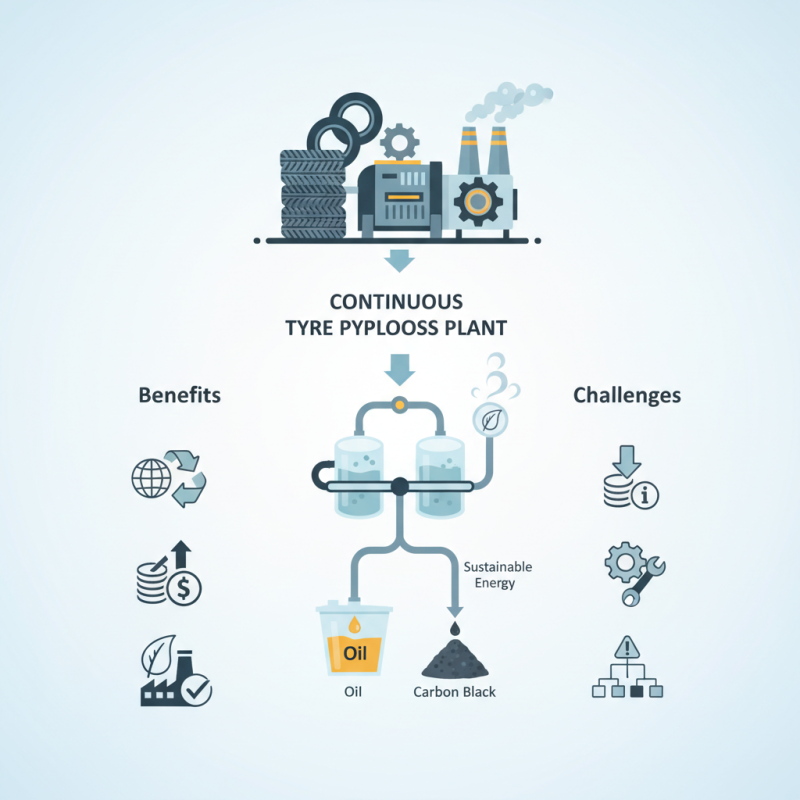
Continuous tyre pyrolysis technology stands out in the waste management industry. It involves heating used tyres in an oxygen-free environment. This process breaks down the tyres, turning them into valuable products. According to a report from Research And Markets, the global tyre pyrolysis market is projected to reach USD 1.82 billion by 2027.
The end products of tyre pyrolysis include oil, carbon black, and steel. For instance, the oil can be used as an energy source for various applications. The carbon black can be utilized in manufacturing new tyres or other rubber products. The steel can be recycled. A study published in Waste Management demonstrates that about 70% of a tyre's weight can be converted into useful resources.
However, this technology is not without challenges. The initial setup cost can be high. Also, the quality of the output materials can vary based on input tyre quality. Ensuring a consistent feedstock is crucial. Research indicates that while pyrolysis is effective, it requires careful monitoring to optimize efficiency and product quality.
Implementing a continuous tyre pyrolysis plant offers numerous advantages for waste management and energy production. This technology effectively processes scrap tyres into useful products like oil, carbon black, and gas. The continuous operation ensures a steady output, which enhances efficiency. As the world faces an increasing tyre waste problem, this method provides a sustainable solution.
One key benefit is the reduction of environmental impact. Traditional waste disposal methods can cause pollution. In contrast, pyrolysis minimizes harmful emissions and generates high-quality fuel. This eco-friendly process not only conserves natural resources but also supports waste recycling efforts. Additionally, the versatility of the by-products opens opportunities in various industries, leading to potential additional income streams.
Despite these benefits, challenges exist. Setting up a continuous pyrolysis plant requires significant investment. Operational costs can fluctuate, impacting profitability. It's crucial for businesses to thoroughly analyze their local market. Conducting feasibility studies helps in understanding the long-term sustainability of such operations. Continuous improvement and adaptation are necessary for success in this evolving sector.
Continuous tyre pyrolysis plants offer significant environmental advantages. The pyrolysis process converts waste tyres into valuable resources. This includes oil, carbon black, and gas, all of which can be utilized. By harnessing these materials, we can reduce landfill waste and lower carbon footprints.
The sustainability of pyrolysis is noteworthy. It minimizes environmental hazards by ensuring tyres are processed in a controlled manner. However, not all pyrolysis methods are created equal. Some may emit harmful gases if not properly controlled. Continuous monitoring is essential to mitigate such risks.
Implementing effective measures enhances the positive impact of these plants. Educating personnel on best practices is crucial. Awareness helps in maintaining high operational standards. Embracing continuous pyrolysis can lead to a greener future, but vigilance is necessary.
The continuous tyre pyrolysis plant offers remarkable cost efficiency through several key factors. According to recent industry reports, this technology achieves over 90% energy recovery from waste tyres, significantly reducing energy input costs. The average operating cost can drop by up to 40% when using continuous systems compared to batch pyrolysis.
Economic advantages extend beyond direct costs. The continuous process minimizes downtime, allowing for a steady production of fuel and other by-products. This consistent output can enhance revenue generation. Additionally, a study reported that companies utilizing continuous pyrolysis plants experience a return on investment (ROI) within three years, suggesting strong financial viability.
However, potential operators should consider the initial investment. The cost of equipment and technology can be high. Ongoing maintenance may pose challenges as well. Some report underestimating these factors, leading to unexpected financial strain. It's crucial to conduct a thorough financial analysis before committing to a project. Despite these hurdles, the long-term benefits of continuous tyre pyrolysis plants present a compelling case for economic sustainability in waste management.
| Feature | Description | Economic Impact |
|---|---|---|
| Cost Efficiency | Continuous operation reduces operational costs through automation. | Lower operational costs lead to higher profit margins. |
| Energy Savings | Optimized energy use reduces overall energy consumption. | Lower energy expenses contribute to increased profitability. |
| High-Quality Output | Produces high-quality oil and carbon black. | Premium products can be sold at competitive prices. |
| Reduced Waste | Converts waste tyres into reusable resources. | Enhances sustainability and compliance with regulations. |
| Job Creation | Establishes new operational roles and job opportunities. | Boosts local economy through job provision. |
When considering tyre pyrolysis systems, the two main types to explore are
continuous and batch processes.
Continuous tyre pyrolysis plants operate non-stop. This is beneficial for large-scale operations. They can handle a steady flow of waste tyres, which allows for higher efficiency and lower production costs. In contrast, batch systems process tyres in groups. This method can lead to potential downtime between cycles, affecting overall productivity.
However, batch systems can offer flexibility. They are often easier to set up and can be tailored to smaller businesses. This adaptability might be advantageous for new companies. Research indicates that batch systems also allow for better quality control. Operators can monitor each cycle closely, ensuring product consistency.
Each system has its own pros and cons. Continuous systems excel in volume, yet may require advanced technology that needs skilled operators. Batch systems, while versatile, could struggle with economies of scale. Entrepreneurs must weigh these factors carefully. Understanding the nuances between continuous and batch systems is crucial for making informed business decisions.
: It involves heating used tyres in an oxygen-free environment to convert them into valuable products.
The main products are oil, carbon black, and steel. Each has various applications in energy or manufacturing.
About 70% of a tyre's weight can be transformed into useful materials.
It offers over 90% energy recovery and can lower operating costs by up to 40%.
Companies can expect a return on investment within three years after operational start.
High initial setup costs and potential maintenance issues can create unexpected financial strain.
Continuous systems operate non-stop for higher efficiency, while batch systems process tyres in groups, offering flexibility.
They may experience downtime between cycles, leading to reduced overall productivity.
The quality of output materials depends on the input tyre quality, affecting efficiency.
Conduct a thorough financial analysis to understand investment and ongoing costs.
The article "Discover the Benefits of Continuous Tyre Pyrolysis Plant Today" delves into the innovative technology behind continuous tyre pyrolysis. This process effectively transforms waste tires into valuable products, offering numerous advantages over traditional methods. The key benefits highlighted include enhanced efficiency and production rates, which contribute to a more sustainable approach to waste management.
Additionally, the environmental impact of continuous tyre pyrolysis is significant, as it helps reduce landfill waste and lowers carbon emissions. The discussion on cost efficiency reveals that a Continuous Tyre Pyrolysis Plant can lead to substantial economic advantages through reduced operational costs and increased profitability. Finally, a comparative analysis between continuous and batch tyre pyrolysis systems underscores the superiority of continuous systems in terms of output and resource utilization, reinforcing their role as a vital solution for tire recycling in today's environmentally conscious landscape.
Huayuan