Top 10 Benefits of Using Electric Continuous Waste Tyre Pyrolysis Plant?

Time:2026-05-01 Author:Madeline
0%

The Electric Continuous Waste Tyre Pyrolysis Plant represents a significant advancement in waste management technology. By effectively converting used tyres into valuable resources, it addresses a growing environmental issue. Its innovative design allows for continuous operation, maximizing efficiency and minimizing emissions.

One major benefit is resource recovery. This plant can extract oil, carbon black, and steel from waste tyres. These materials can be repurposed, reducing the reliance on virgin resources. Also, the process has a lower carbon footprint compared to traditional waste disposal methods.

Moreover, the Electric Continuous Waste Tyre Pyrolysis Plant promotes sustainability. It offers a cleaner, safer approach to waste tyre disposal. However, it is essential to acknowledge potential challenges. These may include high initial costs and the need for technical expertise. Nonetheless, the advantages often outweigh the drawbacks, making this technology a valuable solution for waste tyre management.
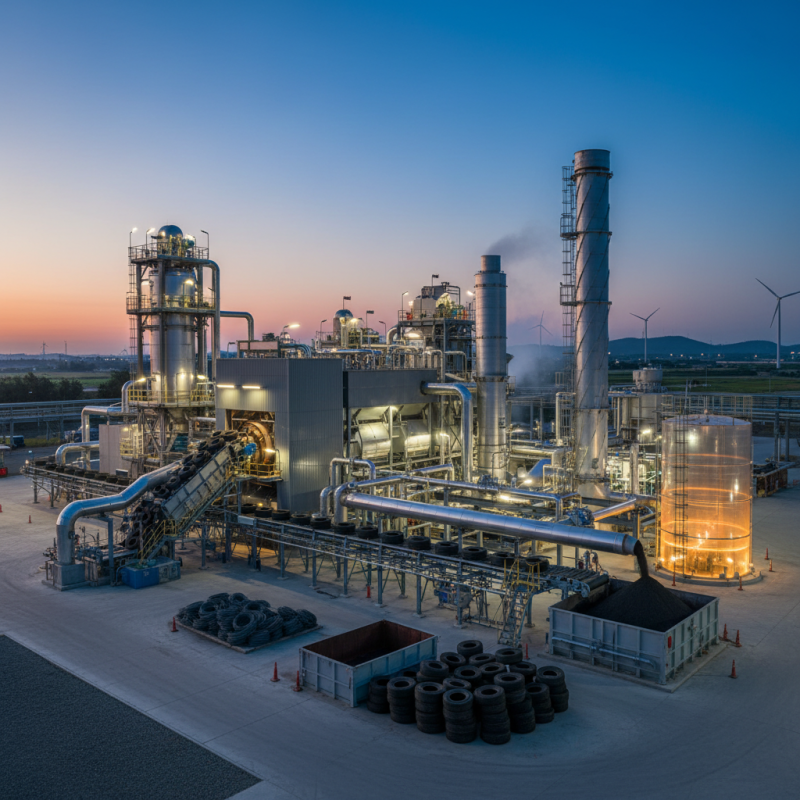
Top 10 Benefits of Using Electric Continuous Waste Tyre Pyrolysis Plant?

Benefits of Efficient Waste Management through Pyrolysis Technology

The importance of efficient waste management is paramount as the world grapples with increasing waste generation. Pyrolysis technology emerges as a leading solution, particularly for waste tire management. It transforms waste tires into valuable products while significantly reducing environmental impact. According to a recent industry report, pyrolysis plants can convert up to 95% of waste tires into oil, char, and gas, thus enhancing resource recovery.

The benefits of continuous waste tire pyrolysis are vast. The technology not only lowers landfill dependence but also minimizes greenhouse gas emissions. Research from the Environmental Protection Agency indicates that pyrolysis can generate renewable energy equivalent to 2.4 million barrels of oil annually if implemented widely. This emphasizes its potential in contributing to energy independence while addressing waste disposal challenges.

However, implementing pyrolysis technology is not without challenges. Initial investment costs can be high, and operational complexities may arise. Continuous monitoring ensures that emissions remain within safety limits, reflecting the importance of rigorous oversight. While pyrolysis presents promising advantages, stakeholders must strategically address these hurdles to realize its full potential in sustainable waste management.

Cost Savings and Profit Potential of Electric Continuous Pyrolysis Plants

The cost savings associated with electric continuous pyrolysis plants are impressive. According to a recent industry report, these plants can significantly lower operational costs by up to 30% compared to traditional methods. This reduction often comes from energy efficiency, where electric continuous systems consume less energy. With rising energy costs, the efficiency of this technology becomes particularly beneficial for operators.

Profit potential is another compelling reason to invest. The recycled materials derived from the pyrolysis process, like oil and carbon black, can be sold at a profit. Industry estimates suggest that the revenue generated can exceed the initial investment within a couple of years. However, not all facilities achieve this success. Some struggle with operational inefficiencies or market fluctuations that impact profitability.

Innovation plays a crucial role. Technological advancements in electric pyrolysis enhance this process further. These improvements can lead to higher yields and better quality products. Nevertheless, the adoption rate of such technologies remains varied across regions. Some areas lack infrastructure or support for continuous operations, presenting challenges to maximizing potential. Investing in training and development for staff is essential in navigating these hurdles.

Top 10 Benefits of Using Electric Continuous Waste Tyre Pyrolysis Plant

Benefit Description Cost Savings Profit Potential
Eco-Friendly Process Reduces environmental impact by converting waste into useful products. Lower disposal costs. High demand for recycled materials.
Energy Efficiency Utilizes less energy compared to batch pyrolysis systems. Reduced energy bills. Strong ROI due to lower operational costs.
Continuous Operation Allows for 24/7 processing of tire waste. Maximized output with minimal downtime. Higher revenue generation.
Versatile Output Produces oil, carbon black, and steel. Access multiple revenue streams. Diverse market opportunities.
Low Maintenance Costs Designed for durability and reliability. Lower repair and maintenance expenses. Improved profitability over time.
Automated Controls Enhanced operational efficiency through automation. Reduced labor costs. Optimized production efficiency.
Government Incentives Eligible for various eco-friendly grants and subsidies. Financial support to reduce start-up costs. Increased financial viability.
Market Demand Growing need for sustainable recycling solutions. Strong demand for recycled products. Potential for higher sales volumes.
Scalability Easily expandable to meet increasing demand. Adaptable to market needs. Future-proof business model.
Community Benefits Promotes local job creation and economic growth. Contributes to local economy. Increases community goodwill and support.

Environmental Advantages: Reducing Carbon Footprint and Pollution

Electric continuous waste tyre pyrolysis plants offer significant environmental benefits. By converting waste tyres into useful products, they help reduce landfill waste. Tyres are difficult to decompose, and they can leach harmful chemicals into soil and groundwater. By processing these tyres, we minimize pollution and conserve land.

Moreover, these plants play a crucial role in reducing the carbon footprint. Traditional methods of tyre disposal often involve burning, releasing toxic gases into the atmosphere. Electric pyrolysis, however, operates at lower temperatures and does not emit such harmful pollutants. Instead, it generates reusable products like oil and gas, promoting a circular economy.

While the technology shows promise, continuous improvement is necessary. Energy consumption is a concern and requires careful management. The implementation of more efficient practices can help optimize energy use. Understanding the delicate balance between innovation and sustainability is crucial for maximizing the positive impact on the environment.

Enhanced Safety Features in Modern Electric Pyrolysis Systems

Modern electric continuous waste tyre pyrolysis plants are designed with enhanced safety features. These features are crucial for ensuring the well-being of workers and the surrounding environment. Advanced monitoring systems detect any potential hazards in real-time, allowing for immediate response. This reduces risks associated with traditional pyrolysis methods.

Fire safety is a major concern in pyrolysis operations. Newer systems incorporate automatic fire suppression technology. This means that in the event of a fire, suppression systems activate automatically, minimizing damage and risk. Additionally, many plants feature explosion-proof designs to contain any accidental occurrences.

Regular training and safety audits are essential for operation. Even the best systems need careful handling and oversight. Operators must understand the machinery and emergency protocols deeply. While progress has been made in safety, continuous improvement is necessary. Regular feedback from workers can help identify areas needing enhancement, ensuring both safety and productivity.

Energy Recovery: Transforming Waste Tyres into Renewable Fuel Resources

Electric continuous waste tyre pyrolysis plants offer innovative solutions for tyre disposal. One of the key benefits is energy recovery. This technology can transform waste tyres into renewable fuel resources, significantly reducing reliance on fossil fuels. By converting tyres into a valuable energy source, we can contribute to a more sustainable future.

This process involves heating tyres in a controlled environment, producing gases, oils, and carbon black. These products can be reused in various applications. For example, the oil can be refined into diesel fuel. This method not only mitigates waste but also provides an alternative energy source that can help power various industries.

Tips:
Consider monitoring the efficiency of the pyrolysis process. Regular checks can optimize yield and improve safety. Emphasizing proper maintenance of the equipment can prevent unexpected downtimes. Be aware that the quality of input materials may impact the quality of output products. Processing cleaner tyres can lead to better fuel quality and higher efficiency.

Top 10 Benefits of Using Electric Continuous Waste Tyre Pyrolysis Plant

FAQS

: What are the cost savings of electric continuous pyrolysis plants?

: These plants can lower operational costs by up to 30%. They are more energy-efficient compared to traditional methods.

How do electric continuous pyrolysis plants generate profit?

The recycled materials, like oil and carbon black, can be sold at a profit. Revenue may exceed the initial investment in a few years.

What challenges do some facilities face in achieving profitability?

Some facilities struggle with operational inefficiencies. Market fluctuations can also impact overall profitability.

How does innovation influence electric pyrolysis technology?

Technological advancements improve the pyrolysis process, leading to higher yields and better product quality. Adoption rates vary by region.

What role does energy recovery play in waste tyre pyrolysis?

It transforms waste tyres into renewable fuel resources, reducing reliance on fossil fuels. This contributes to a more sustainable future.

What products are generated from the tyre pyrolysis process?

The process produces gases, oils, and carbon black. Oil can be further refined into diesel fuel for various industries.

Why is monitoring the efficiency of the pyrolysis process important?

Regular checks optimize yield and improve safety. Proper maintenance helps to prevent unexpected downtimes.

How does the quality of input materials affect output products?

Cleaner tyres lead to better fuel quality and higher efficiency. Quality input materials can significantly impact overall results.

What type of training is essential for staff in pyrolysis facilities?

Investing in training can help navigate challenges and improve the effective use of technology. It is crucial for operational success.

Are there limitations in the adoption of electric pyrolysis technology?

Some areas lack necessary infrastructure or support for continuous operations. This presents challenges to maximizing the technology's potential.

Conclusion

The "Electric Continuous Waste Tyre Pyrolysis Plant" offers a multitude of benefits that greatly enhance waste management practices. By utilizing pyrolysis technology, these plants provide efficient processing of waste tyres, converting them into valuable products while minimizing environmental impact. This method not only leads to significant cost savings and profit opportunities but also aids in reducing carbon footprints and pollution levels, making it a sustainable choice for waste disposal.

Moreover, modern electric pyrolysis systems feature enhanced safety measures, ensuring safe operation while recovering energy from discarded tyres. By transforming waste into renewable fuel resources, the Electric Continuous Waste Tyre Pyrolysis Plant presents a compelling solution for both economic and environmental challenges in waste management.


Madeline

Madeline

Madeline is a dedicated marketing professional with a wealth of expertise in our company's core offerings. With a keen understanding of the industry, she brings a unique perspective to her role, consistently delivering high-quality content that highlights the superior aspects of our products. As......