The Electric Pyrolysis Plant represents a pivotal advancement in waste management technology. It converts organic waste into energy, reducing landfill reliance. For global buyers, the appeal lies in its efficiency and sustainability. As environmental concerns rise, many seek eco-friendly solutions. Electric pyrolysis stands out as a viable option.
Investing in an Electric Pyrolysis Plant can yield significant economic benefits. It offers a means to generate renewable energy while minimizing costs associated with waste disposal. The technology also meets increasingly stringent environmental regulations. However, potential buyers must consider the initial investment and operational complexities. This framework for implementation requires thoughtful assessment.
Furthermore, the Electric Pyrolysis Plant demonstrates versatility in handling various waste materials. Its ability to adapt can benefit different industries, from agriculture to plastics. While promising, not all plants deliver the same performance. Buyers should conduct due diligence before committing. The advantages are clear, yet the landscape of technology demands careful navigation.
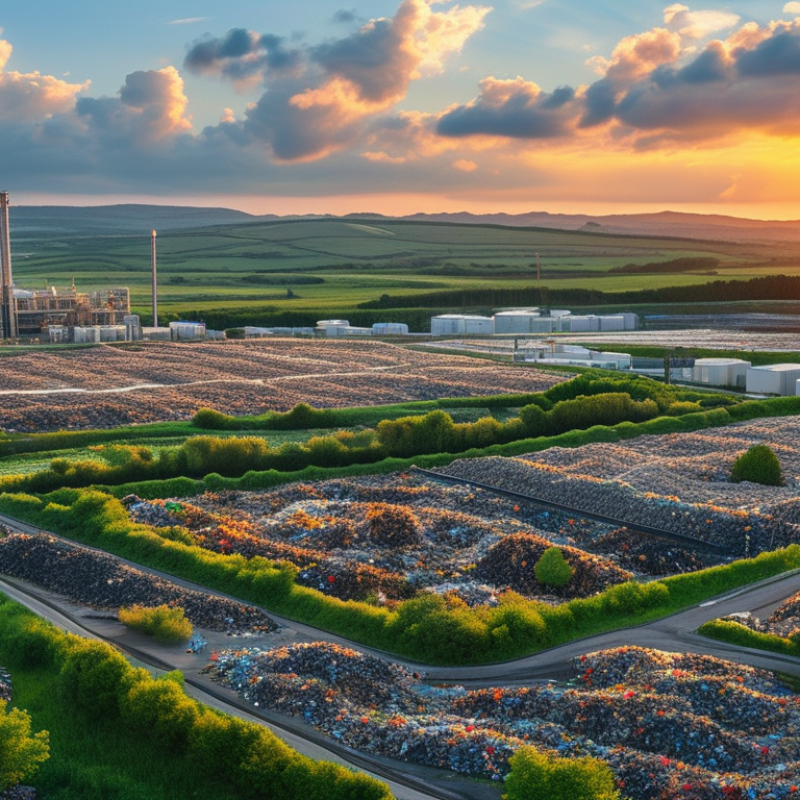
Benefits of Enhanced Waste Management through Electric Pyrolysis Plants
Electric pyrolysis plants offer significant advancements in waste management. These innovative technologies convert waste materials into valuable resources. Through high-temperature processes, they break down complex materials, producing oils, gases, and char. A report from the Global Waste Management Market indicates a projected growth rate of 6.3% annually, highlighting the increasing focus on sustainable solutions.
Effective waste management leads to reduced landfill use. This is crucial as landfills are often overcrowded. In a recent environmental study, it was shown that approximately 30% of global waste could be transformed via pyrolysis. These plants minimize the environmental impact by reducing greenhouse gas emissions.
Consider what materials are most often discarded. Many households and industries still throw away plastics and organic waste. By educating these sectors on the benefits of electric pyrolysis, recycling rates can improve. This shift can save both money and resources while promoting a circular economy.
Working with local governments can enhance awareness of pyrolysis benefits. It’s essential to engage communities in discussions about sustainable practices. By doing so, we can collectively drive change towards a cleaner future.
Environmental Impact Reduction: Carbon Footprint and Greenhouse Gas Emissions
The adoption of electric pyrolysis plants significantly helps in reducing carbon footprints. These facilities convert waste into valuable products without releasing harmful greenhouse gases. Traditional waste management methods often produce methane and CO2. Electric pyrolysis, however, minimizes these emissions, fostering a cleaner atmosphere.
The technology involves thermal decomposition of organic material. This process, powered by electricity, is energy-efficient and reduces reliance on fossil fuels. In regions facing strict environmental regulations, these plants offer a viable solution for waste disposal. When integrated into waste management strategies, they can transform industries, but challenges remain. For example, the initial investment can be substantial, causing hesitation among potential buyers.
Not all electric pyrolysis plants operate at the same efficiency levels. Innovations in technology are crucial for optimizing output and minimizing emissions. Stakeholders need to critically assess different systems. Regular evaluation of operational data is necessary to ensure compliance and efficiency. This underscores the importance of rigorous research and expert consultation in making informed decisions.
Economic Viability: Cost Savings and Return on Investment for Buyers
The economic viability of electric pyrolysis plants cannot be overstated. They offer substantial cost savings by converting waste materials into valuable resources. This process minimizes landfill contributions and decreases disposal costs, which can lead to significant returns on investment over time. The operational efficiency of these plants enhances profitability. Buyers can expect lower energy costs due to electricity usage compared to traditional pyrolysis methods.
Investing in advanced technology is crucial. Electric pyrolysis plants utilize renewable energy sources, leading to reduced operational expenses. Moreover, the byproducts generated can be sold, further boosting revenue streams. It's essential to conduct a thorough cost analysis before committing to a purchase. Unexpected expenses can arise, and budgeting for maintenance is wise.
Research indicates a clear trend toward sustainability. As global demand for green technologies grows, electric pyrolysis plants can meet this need effectively. Buyers should also consider regional regulations that may affect operation and profitability. It’s beneficial to stay informed on changing governmental policies regarding waste treatment and energy production. Familiarizing yourself with these aspects will enhance decision-making and ensure a more secure investment.
Top 10 Benefits of Electric Pyrolysis Plant for Global Buyers
Energy Recovery: Converting Waste into Usable Energy and Resources
Electric pyrolysis plants offer a revolutionary approach to waste management by converting waste into usable energy. This technology breaks down organic materials through heat and chemical reactions, yielding valuable byproducts like bio-oil and syngas. The process not only recycles waste but also addresses energy demands. By utilizing waste that typically ends up in landfills, these plants provide a sustainable energy source while reducing greenhouse gas emissions.
Recovering energy from waste can be complex. While the technology shows promise, some challenges exist. The efficiency of electricity consumption in the pyrolysis process is variable. Additionally, fluctuating waste inputs can affect product quality. It requires careful management to ensure a consistent output of energy. Despite these challenges, the potential for converting waste into energy resources is significant, paving the way for cleaner energy solutions.
The rise of electric pyrolysis plants signifies a shift in how we view waste. Instead of being a burden, waste can serve as a resource. It encourages a circular economy where the focus is on recycling and reusing materials. As technology evolves, so will the potential for energy recovery from waste. Engaging with this energy transition is not just smart—it's essential for a sustainable future.
Technological Advancements: Innovations Driving Efficiency in Pyrolysis Processes
Technological advancements are reshaping the landscape of pyrolysis processes. Innovative techniques enhance efficiency and sustainability. Electric pyrolysis plants utilize cutting-edge technology to convert waste into valuable resources. These innovations significantly reduce energy consumption, making the process more eco-friendly. By optimizing thermal and catalytic processes, operators can achieve higher yields and lower emissions.
Automation plays a key role in modern pyrolysis plants. Real-time monitoring systems ensure optimal conditions are maintained throughout operations. This reduces downtime and improves overall productivity. However, the integration of automation also presents challenges. Training staff to manage these advanced systems requires time and resources.
The scalability of electric pyrolysis technology is another enticing benefit for global buyers. With modular designs, plants can be tailored to meet specific waste processing needs. Yet, this flexibility may come at a higher initial investment. Buyers must weigh the long-term benefits against upfront costs. As the industry evolves, staying updated on these innovations is crucial for decision-makers.
Top 10 Benefits of Electric Pyrolysis Plant for Global Buyers
| Benefit |
Description |
Impact |
| Waste Reduction |
Transforms waste materials into useful products. |
Decreases landfill usage and environmental impact. |
| Energy Recovery |
Generates energy from waste through pyrolysis. |
Reduces dependence on fossil fuels. |
| Reduced Carbon Emissions |
Minimizes CO2 emissions compared to traditional waste disposal methods. |
Contributes to climate change mitigation efforts. |
| High Efficiency |
Advanced technologies improve the conversion rates of waste to energy. |
Maximizes resource utilization and minimizes waste. |
| Multiple Product Generation |
Produces oils, gases, and char that can be used for various applications. |
Diversifies revenue streams for operators. |
| Cost Efficiency |
Reduces landfill costs and generates revenue from by-products. |
Enhances financial sustainability. |
| Modular Design |
Facilitates easy scaling and installation. |
Allows for customized solutions based on local needs. |
| Regulatory Compliance |
Aligns with waste management regulations. |
Helps avoid fines and promotes corporate responsibility. |
| Technological Innovation |
Incorporates the latest advancements in pyrolysis technology. |
Ensures competitiveness in the market. |
FAQS
: They convert waste into valuable resources, reducing landfill use and greenhouse gas emissions.
It minimizes harmful emissions, fostering a cleaner atmosphere compared to traditional waste management.
Electric pyrolysis can handle plastics and organic waste, improving recycling rates.
Engaging communities can raise awareness about sustainability, driving collective change for a cleaner future.
Yes, the initial investment can be substantial, which may deter potential buyers.
Not all plants operate at the same efficiency levels; technology innovations are needed for optimization.
They can enhance awareness and facilitate discussions about the benefits of sustainable practices.
It breaks down organic material at high temperatures, powered by electricity for energy efficiency.
Regular evaluations ensure compliance, efficiency, and optimize waste management strategies.
Initial investments and differing efficiencies can present obstacles for potential adopters.
Conclusion
The "Top 10 Benefits of Electric Pyrolysis Plant for Global Buyers" highlights the significant advantages of utilizing electric pyrolysis technology in waste management. One of the key benefits is the enhanced efficiency in managing waste, which leads to a reduction in the overall carbon footprint and greenhouse gas emissions, contributing positively to environmental sustainability.
Furthermore, an electric pyrolysis plant offers economic viability through substantial cost savings and a favorable return on investment. By converting waste into usable energy and valuable resources, this technology not only promotes energy recovery but also sparks technological advancements that drive efficiency in pyrolysis processes. These benefits make electric pyrolysis plants an attractive option for global buyers seeking effective and sustainable waste management solutions.

 Huayuan