The global demand for eco-friendly waste management solutions has driven interest in tire pyrolysis plants. Tire Pyrolysis Plant Cost has become a critical factor for buyers around the world. According to industry expert Dr. Sarah Williams, “Balancing efficiency and cost is essential for success in the tire pyrolysis sector.”
Understanding the expenses involved in setting up a tire pyrolysis plant requires careful consideration. Factors such as equipment quality, production capacity, and location significantly affect the overall investment. Many potential buyers often underestimate these costs. This oversight can lead to budget constraints down the line.
Investing in a tire pyrolysis plant is not just about initial costs. Operational costs should also be analyzed. Maintenance, labor, and adherence to regulations must be factored in. Buyers are encouraged to conduct thorough research and seek expert advice. Addressing these considerations can make the difference between a successful venture and costly setbacks.
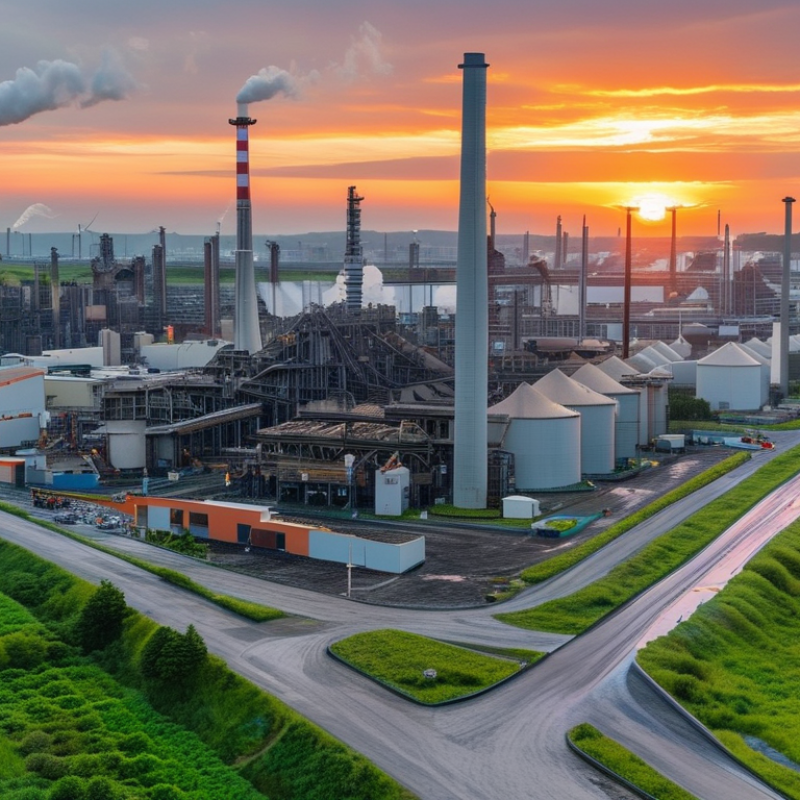
Tire pyrolysis technology offers a sustainable solution for waste tire management. This method converts tires into valuable resources, significantly reducing environmental impact. According to a recent report by the Environmental Protection Agency, nearly 300 million tires are discarded annually in the U.S. alone. Pyrolysis transforms these tires into oil, carbon black, and gas, which can be reused.
One of the key benefits of tire pyrolysis is the environmental advantage. Greenhouse gas emissions are minimized compared to traditional disposal methods. The industry adopts advanced technologies to enhance efficiency, yet challenges remain in the market. Research indicates that operating costs can fluctuate, often hindering small businesses from entering this field.
Tips: Regularly monitor advancements in tire pyrolysis technology. Knowing the latest trends can help in making informed investments. Networking with industry professionals is crucial for gaining insights and understanding market demands. Engaging in forums and discussions can also reveal common pitfalls.
The cost of tire pyrolysis plants varies significantly based on several factors. A key element is the capacity of the plant. According to industry reports, smaller plants can cost around $100,000, while larger units may reach upwards of $1 million. The output capacity also influences overall expenses. A plant that processes 10 tons of tires daily will generally have a higher upfront cost compared to one that handles 5 tons.
Another significant factor is technology. Advanced pyrolysis technologies, which offer higher efficiency and lower emissions, tend to be more expensive. The initial investment in these technologies can yield savings over time through lower operational costs, however, the trade-off must be considered. Studies suggest that plants utilizing efficient technologies can reduce waste production by up to 30%.
Regulatory compliance also shapes costs. Meeting local environmental regulations can require additional investment. Systems for air filtration and waste management are essential to operate legally. Industry data indicates that plants compliant with stringent environmental standards may face a cost increase of approximately 15% compared to those that do not meet such regulations. Navigating these complexities requires careful financial planning and, ultimately, impacts the overall cost for buyers globally.
The global market for tire pyrolysis plants has shown significant price variability. This can be attributed to factors such as technology, capacity, and regional demand. Recent reports indicate that prices range from $300,000 to $2 million, depending on specifications and features. Countries like India and China lead in production, offering competitive prices due to lower labor costs. In contrast, European markets present higher pricing, often exceeding $1 million for advanced technology.
Moreover, the efficiency of these plants plays a critical role in their cost-effectiveness. Data suggests that plants with advanced automation and better energy recovery systems yield higher returns. A study by the International Renewable Energy Agency points out that plants generating over 5 tons of output per hour attract more buyers, primarily due to their potential for higher profit margins. However, the initial investment remains a barrier for many new entrants in the pyrolysis industry.
One must consider the ongoing maintenance and operational costs as well. While the capital costs may be high, the operational efficiency can significantly impact overall investment returns. Inadequate planning or poor technology choices can lead to unexpected expenses. Buyers should conduct thorough research before making decisions, especially in a market as dynamic as pyrolysis technology.
Tire pyrolysis has emerged as a significant opportunity for businesses looking to create value from waste. Investing in a tire pyrolysis plant requires an understanding of initial costs and operational efficiencies. A thorough financial analysis is crucial to assess the return on investment (ROI).
Many factors influence ROI. The price of raw materials, processing capabilities, and technology employed all play roles. Effective machinery can reduce processing time. Consequently, it impacts overall profitability. Businesses must consider not just purchase costs but also ongoing operational expenses. Labor, maintenance, and energy consumption must be factored in.
It’s essential to evaluate market demand for products generated from tire pyrolysis. The end products include oil, carbon black, and steel. Fluctuations in market prices for these materials can affect profitability. Businesses should remain flexible, adapting their strategy based on market conditions. Reflection on these factors helps in optimizing investments for better financial outcomes.
When exploring the global market for tire pyrolysis plants, it is crucial to identify top manufacturers and suppliers. These companies specialize in converting waste tires into valuable products. This process not only helps in waste management but also generates sustainable energy options. Buyers should focus on suppliers with a proven track record in reliability and efficiency.
In different regions, the cost of tire pyrolysis plants varies significantly. Factors influencing this cost include technology used and production capacity. Some manufacturers offer advanced systems that yield high-quality oil, carbon black, and gas. Yet, it's essential to assess the actual return on investment. Cheaper options may compromise quality, leading to future expenses.
Buyers should consider after-sales support from suppliers. Maintenance and technical support are vital for operational success. Understanding the local market’s needs also plays a role. Engaging with experienced industry professionals can provide insights that enhance decision-making. Balancing cost, quality, and support is key in this complex purchasing landscape.
: Tire pyrolysis technology converts waste tires into valuable resources like oil, carbon black, and gas.
It reduces greenhouse gas emissions and minimizes environmental impact compared to traditional disposal methods.
Operating costs can fluctuate, often making entry into the market difficult for small businesses.
Prices range from $300,000 to $2 million, depending on technology and capacity.
Countries like India and China dominate due to lower labor costs and competitive pricing.
Efficiency and advanced technology play critical roles in determining cost-effectiveness and potential returns.
They should research ongoing maintenance costs and operational efficiency to avoid unexpected expenses.
Staying updated helps make informed investment decisions and understand market demands.
Networking provides insights and reveals common pitfalls, aiding in better decision-making.
Poor technology choices can lead to unexpected expenses and reduced returns on investment.
The article “Best Tire Pyrolysis Plant Cost for Global Buyers?” provides a comprehensive overview of tire pyrolysis technology, highlighting its environmental benefits and economic potential. It discusses the various factors influencing the Tire Pyrolysis Plant Cost, such as production capacity, technology used, and location. A comparative analysis of global market prices reveals significant variations that can impact purchasing decisions.
Additionally, the article evaluates the return on investment for tire pyrolysis operations, emphasizing the importance of financial planning for potential investors. By also identifying leading manufacturers and suppliers in the industry, it offers valuable insights for buyers looking to enter the tire pyrolysis market. Overall, understanding these elements is crucial for buyers aiming to make informed decisions about tire pyrolysis plant investments.

Huayuan