Choosing the best Tire Pyrolysis Plant in 2026 requires more than comparing brochures or purchase prices. The right choice depends on feedstock quality, processing capacity, energy use, emissions control, and local compliance requirements. A reliable plant should include clear temperature controls, stable feeding systems, safe gas handling, and practical maintenance access. Operators should also examine the quality of recovered carbon material, steel, and fuel products through independent testing. These details matter.
Real project experience shows that impressive output claims can hide costly weaknesses. A plant may perform well during demonstrations but struggle with wet tires, uneven batches, or limited technical support. Buyers should request operating records, inspection reports, warranty terms, and references from comparable installations. They should also confirm whether the supplier supports commissioning, staff training, emergency procedures, and long-term spare parts availability. Not every plant fits.
This guide evaluates leading options through an evidence-based lens. It considers productivity, environmental safeguards, automation, durability, operating costs, and after-sales service. It also explains why the cheapest quotation may not provide the best lifetime value. Regulatory approval and professional environmental assessment remain essential before construction or operation. That answer is incomplete without them.
Some comparisons will involve judgment. Data quality differs between manufacturers, and reported performance may not reflect every site. Therefore, readers should treat rankings as practical guidance rather than absolute truth. The best Tire Pyrolysis Plant is the one that performs consistently, protects workers and communities, and supports responsible resource recovery over many years.
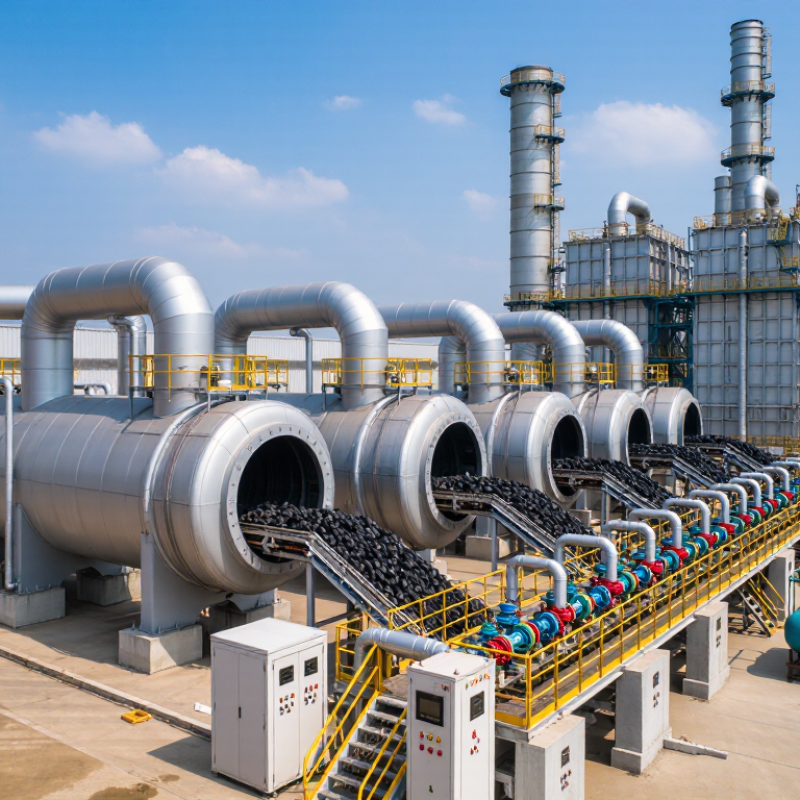
Tire pyrolysis plants convert end-of-life tires into oil, recovered carbon material, steel, and combustible gas. The process usually includes shredding, metal separation, thermal treatment, condensation, and product cleaning. It operates without oxygen, reducing direct combustion during treatment. The World Business Council for Sustainable Development estimates that about 1.5 billion tires reach the end of their service life globally each year. This waste stream creates a strong resource-recovery opportunity in 2026.
The best plant is not simply the one with the highest advertised output. It should provide stable feeding, controlled reactor temperatures, reliable gas reuse, and effective emission treatment. The European Tyre and Rubber Manufacturers’ Association reports that Europe recovers more than 90% of end-of-life tires through material and energy routes. Pyrolysis can support this system, but it is not a universal solution. Product quality may change with tire composition, moisture, and steel content. A plant may look efficient on paper, yet perform poorly with inconsistent feedstock. That reality deserves more attention.
Tips: Check independent test data, not only supplier brochures. Ask for oil, carbon material, and gas analyses from similar tires. Verify continuous monitoring, fire protection, maintenance access, and local permitting requirements. The U.S. Environmental Protection Agency also emphasizes controlled emissions and proper material management for tire processing facilities. A smaller, well-operated plant may be more dependable than a larger plant with weak quality control.
What Is the Best Tire Pyrolysis Plant in 2026?
Key Technologies Used in Modern Tire Pyrolysis Plants
The best tire pyrolysis plant is not defined by capacity alone. Its reactor design, emission controls, and maintenance access matter equally. Modern systems often use indirect heating, keeping flames away from tire material. This improves temperature stability and reduces unwanted combustion. A sealed, oxygen-limited reactor can process rubber into pyrolysis oil, gas, and solid carbon residue.
Continuous feeding systems support steadier production than basic batch equipment. Automated temperature sensors monitor several reactor zones in real time. Gas produced during processing can be cleaned and reused as heating fuel. This lowers external energy demand. However, gas quality changes with tire composition, so operators still need manual checks. Small mistakes can affect output.
Condensation technology also deserves close attention. Multi-stage condensers separate heavier oil from lighter vapors more effectively. Dust filters protect pumps and reduce contamination in recovered oil. Magnetic separators remove steel wires before carbon residue enters later processing. Advanced plants may use PLC controls, emergency shutdowns, and pressure relief devices. These features support safer operation, but they do not replace trained workers or valid environmental permits.
Carbon residue needs careful upgrading. Grinding, screening, and controlled activation can improve its consistency for practical applications. Laboratory testing should check moisture, ash, sulfur, and particle size. No design is flawless. High automation can simplify operation, yet it may hide problems when sensors drift or maintenance is delayed. Experienced operators inspect seals, bearings, and condenser surfaces regularly. That discipline often matters more than impressive production figures.
| Technology Area | Typical Technical Range or Configuration | Primary Function | Key Advantages | Important Considerations | Typical Evaluation |
|---|---|---|---|---|---|
| Feedstock Preparation | Removal of loose contaminants; tire size commonly reduced to approximately 20–100 mm pieces, depending on reactor design. | Creates a consistent feed and improves heat transfer inside the reactor. | More stable production, easier conveying, and lower risk of blockages. | Shredding consumes electricity and requires dust, noise, and safety controls. | Essential |
| Steel Separation and Recovery | Magnetic separation before processing, after processing, or at both stages; recovered steel is commonly cleaned and compacted. | Removes tire-reinforcing steel and improves the quality of solid char. | Produces a recoverable metal stream and reduces downstream contamination. | Steel content varies by tire type, so conveyor and separator capacity must be correctly sized. | Essential |
| Indirectly Heated Reactor | Common operating temperatures are approximately 400–550 °C in an oxygen-limited or oxygen-free environment. | Thermally decomposes rubber into non-condensable gas, condensable oil vapor, and solid char. | Allows controlled heat input and reduces direct combustion contact with the feedstock. | Uniform heating, sealing quality, residence time, and reactor throughput strongly affect product quality. | Core technology |
| Continuous Feeding and Discharge | Uses sealed screw conveyors, rotary valves, or other enclosed systems for uninterrupted material movement. | Maintains a steady feed rate while limiting air ingress and process interruptions. | Higher operating continuity and easier integration with automated controls. | Moving seals and high-temperature components require inspection and planned maintenance. | Preferred for larger plants |
| Vapor Condensation System | Multi-stage cooling and condensation separates condensable pyrolysis oil from permanent gases. | Recovers liquid hydrocarbons and prevents excessive vapor loading in the gas-handling system. | Improves product separation and supports more stable oil collection. | Cooling-water quality, heat-exchanger fouling, and oil vapor residence time must be managed. | Essential |
| Non-Condensable Gas Recycling | Recovered process gas is cleaned as required and used as supplementary fuel for the heating system. | Reduces dependence on external fuel after start-up. | Can lower operating fuel consumption and improve energy integration. | Requires pressure control, flame protection, gas monitoring, and reliable emergency flaring or vent treatment. | High-value feature |
| Char Cooling and Refining | Enclosed cooling followed by screening, magnetic separation, and optional grinding or pelletizing. | Stabilizes the solid product and prepares it for storage or further processing. | Reduces fire risk from hot char and improves particle-size consistency. | Fine char dust requires enclosed transfer, filtration, and explosion-risk management. | Essential for product quality |
| Emission Control | Typically combines enclosed equipment, dust filtration, condensers, gas combustion, and monitoring appropriate to local regulations. | Controls particulate matter, volatile organic compounds, carbon monoxide, sulfur-related compounds, and combustion emissions. | Improves regulatory compliance and protects workers and surrounding communities. | Performance must be verified through commissioning tests and periodic measurement; requirements differ by jurisdiction. | Mandatory |
| Process Control and Safety Instrumentation | Automated monitoring of temperature, pressure, oxygen concentration, gas flow, cooling conditions, and emergency shutdown status. | Maintains stable operation and detects abnormal conditions before escalation. | Improves repeatability, operator safety, and equipment protection. | Sensors need calibration, functional testing, and suitable protection against heat, dust, and corrosive gases. | Mandatory |
| Product Testing and Quality Control | Routine testing may include oil water content and viscosity, char ash and fixed carbon, steel cleanliness, and gas composition. | Confirms that recovered products meet the intended buyer or downstream-processing specifications. | Supports consistent sales quality, process optimization, and traceability. | Product properties vary with tire composition, operating temperature, residence time, and feed preparation. | Essential for commercial operation |
Note: Technical ranges are indicative operating values commonly associated with tire pyrolysis systems. Actual conditions, product yields, emissions limits, and safety requirements depend on feedstock composition, plant design, local regulations, and commissioning results.
Choosing the best tire pyrolysis plant in 2026 requires more than comparing capacity figures. The right comparison starts with feedstock preparation, reactor design, heating control, and product quality. Ask how the plant handles steel wires, textile fibers, moisture, and uneven tire sizes. A detailed process diagram should show every stage. Vague promises are a warning sign.
During a site assessment, inspect insulation, seals, condensers, dust collection, and emergency shutdown systems. Ask for operating records from comparable installations, not only laboratory results. Oil samples should include viscosity, water content, sulfur, and flash point data. Recovered carbon black needs testing for ash, surface area, and consistency. Small detail, big difference. These checks show whether equipment performs beyond a brochure.
Compare actual throughput, energy use per ton, maintenance intervals, spare-part access, operator training, and warranty limits. A low purchase price can become expensive when heat exchangers foul or feeding systems stop. Confirm emissions monitoring, waste handling, worker protection, and permits with qualified local authorities. Independent inspection is worthwhile. I would also request a performance trial using your tires. Results may disappoint. That is useful. Disappointment exposes hidden assumptions before installation. Record every result under identical test conditions.
What Is the Best Tire Pyrolysis Plant in 2026?
The best tire pyrolysis plant is not the one with the highest advertised yield. It is the one that controls fire, gas, dust, and wastewater every day. The U.S. Environmental Protection Agency reports that Americans discard about 290 million tires annually. This volume creates serious storage and handling risks. A safe plant needs enclosed tire feeding, temperature alarms, automatic shutdowns, pressure relief, and continuous gas monitoring. Operators also need documented emergency drills. Small gaps can become major failures.
Environmental performance requires measured evidence. The European Environment Agency identifies end-of-life tires as a significant waste stream requiring controlled recovery. A responsible plant should test recovered carbon material, steel, oil, and process water. It should also monitor volatile organic compounds, sulfur compounds, particulate matter, and nitrogen oxides. The European Commission’s Best Available Techniques framework supports emission controls, sealed systems, and energy efficiency. However, laboratory results may not represent full-scale operation. That limitation deserves honest attention.
Tips: Check third-party emission tests before signing a contract. Request at least twelve months of operating records. Confirm permits for waste handling, air emissions, fire protection, and hazardous-area equipment. Review worker training logs and maintenance schedules. Ask how abnormal gas pressure is managed. Also verify product quality against local chemical and waste regulations. A plant can look impressive during a demonstration. Reliability appears during a night shift, a power failure, or a blocked filter. Exact requirements differ by location, so independent legal and engineering review remains essential.
A safer tire pyrolysis plant should use enclosed gas and oil systems, continuous leak detection, effective ventilation, emergency shutdowns, and documented environmental controls. The chart shows selected occupational exposure reference limits for hazardous gases that may be present around thermal-processing equipment.
Lower exposure limits indicate a greater need for monitoring and containment. Values are U.S. OSHA occupational reference limits in parts per million (ppm): carbon monoxide is an 8-hour time-weighted average, hydrogen sulfide is a ceiling limit, benzene is an 8-hour time-weighted average, and ammonia is an 8-hour time-weighted average. These limits are not interchangeable and local environmental permits may impose additional requirements.
Regulatory reference: U.S. Occupational Safety and Health Administration, Air Contaminants and Hydrogen Sulfide standards.
What Is the Best Tire Pyrolysis Plant in 2026?
The best tire pyrolysis plant is not always the cheapest option. Its long-term value depends on stable output, energy use, maintenance, and operating safety. A realistic cost review should include the reactor, feeding system, gas treatment, installation, labor, utilities, and future replacement parts. Initial quotations can look attractive. Hidden costs often appear during commissioning.
Output quality matters as much as production volume. A well-designed system can produce pyrolysis oil, recovered carbon material, and steel. However, yields change with tire composition, moisture, heating control, and operating time. Oil may require further treatment before suitable industrial use. Recovered carbon also needs testing for particle size, ash, and consistency. No model is perfect. A spreadsheet cannot fully predict unexpected downtime.
Tips: Ask for verified operating data, not only estimated capacity. Check energy consumption per ton, maintenance intervals, control-system support, and actual product test reports. Review emissions equipment and worker protection procedures carefully. A reliable supplier should explain assumptions clearly and provide practical training.
Long-term operational value comes from uptime and predictable maintenance. A plant running slightly below its maximum rate may outperform a larger system with frequent shutdowns. Inspectors should review wear points, spare-part access, feeding consistency, and emergency procedures. Local labor skills also matter. The best investment is the plant that delivers usable products steadily, with transparent costs and documented performance.
Reactor design, emission controls, and maintenance access all matter. Capacity alone is not enough. Stable operation often beats impressive figures.
Indirect heating keeps flames away from tire material. It supports steadier temperatures and reduces unwanted combustion. Small temperature errors can still affect results.
A sealed reactor limits oxygen during processing. It can produce oil, gas, and solid carbon residue. Good seals matter every day.
Sensors track temperatures across several reactor zones. Automated controls can steady production and trigger emergency shutdowns. Sensors may drift, so workers must verify readings.
Cleaned process gas can return to the heating system as fuel. This may lower outside energy demand. Gas quality changes with tire composition.
Multi-stage condensers separate heavier oil from lighter vapors. Dust filters protect pumps and reduce oil contamination. Dirty condenser surfaces can quietly reduce performance.
Testing should check moisture, ash, sulfur, and particle size. Grinding and screening can improve consistency. The material may still need further development.
Review equipment, installation, labor, utilities, training, and replacement parts. Energy use per ton is especially important. Initial quotations can hide commissioning costs.
Request verified operating data and product test reports. Check maintenance intervals, spare-part access, and emergency procedures. A spreadsheet cannot predict every shutdown.
A Tire Pyrolysis Plant is an important technology for converting end-of-life tires into useful resources through controlled thermal decomposition in a low-oxygen environment. In 2026, the best systems are expected to combine efficient reactor designs, automated feeding and discharge, advanced temperature control, gas cleaning, and energy recovery. These technologies can improve production stability, reduce emissions, and support more consistent output quality. When comparing different plants, operators should evaluate processing capacity, energy efficiency, automation, maintenance requirements, product quality, and the supplier’s technical support.
Safety, environmental performance, and regulatory compliance should be central to every project. A reliable plant needs strong fire prevention, pressure protection, monitoring systems, appropriate emission controls, and responsible waste handling procedures. Cost evaluation should include equipment investment, installation, labor, energy use, maintenance, and expected product outputs such as recovered oil, carbon material, and steel. Ultimately, the best Tire Pyrolysis Plant is not simply the cheapest option, but the one that provides dependable operation, compliant performance, practical resource recovery, and strong long-term operational value.

Huayuan