2026 Best Waste Tire Pyrolysis Plant Manufacturer Guide?

Time:2026-07-18 Author:Oliver
0%

The global waste tire recycling market is projected to grow significantly, fueled by rising environmental concerns. In 2022, the market size reached approximately $4.2 billion, with expectations to reach over $6.5 billion by 2026. This dramatic growth emphasizes the importance of finding a reliable Waste Tire Pyrolysis Plant Manufacturer.

Pyrolysis technology efficiently converts waste tires into valuable products, like oil, carbon black, and steel. According to industry reports, the process can recover up to 90% of the tire's weight. However, not all manufacturers offer the same quality and efficiency. It is crucial to choose a manufacturer with a proven track record of innovation and compliance with environmental regulations.

As we evaluate the best manufacturers, some factors require deeper reflection. Is the machinery energy-efficient? What is the after-sales support like? How environmentally friendly is the production process? Addressing these questions will assist in navigating the complex landscape of waste tire recycling. Choosing wisely not only impacts profits but also contributes to sustainability efforts worldwide.
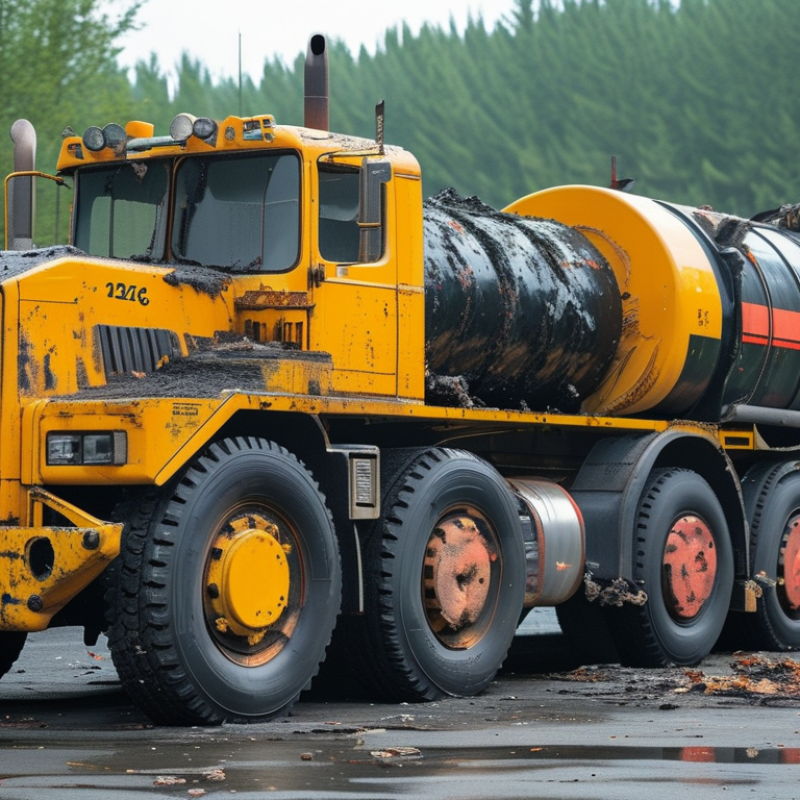
2026 Best Waste Tire Pyrolysis Plant Manufacturer Guide?

Overview of Waste Tire Pyrolysis Technology

Waste tire pyrolysis technology is gaining traction as an effective method for recycling used tires. This process involves heating tires in an oxygen-free environment, breaking them down into useful byproducts. These byproducts include oil, carbon black, and gas. They can be repurposed for energy and material production. As demand for sustainable practices grows, pyrolysis systems offer a practical solution for waste management.

When considering a pyrolysis plant, evaluate the technology used. Modern systems employ continuous feed operations, enhancing efficiency. The thermal design should support consistent temperature control to maximize output quality. Researching the seller's experience in providing support and maintenance is crucial. This knowledge guarantees smoother plant operations over time.

Tips: Look for technology that offers a high yield of oil and low emissions. A transparent supplier is preferable. Ask for case studies or references when assessing potential partners. Explore if they provide training to keep your team updated with the latest practices. Remember that not every plant functions optimally; you may encounter setbacks. Learning from these challenges is vital for long-term success.

Key Features of a Quality Tire Pyrolysis Plant

When choosing a quality tire pyrolysis plant, several key features are essential. The plant's design should optimize energy efficiency and reduce waste. A well-engineered system will use advanced technology to recover heat energy. This enhances the overall process and minimizes environmental impact. Consideration for safety features is also vital. Proper insulation and robust materials are necessary to ensure safety during operation.

Another important aspect to evaluate is the capacity of the plant. Each facility should be able to handle varying amounts of tires. The plant should also include automation to streamline operations. Automating certain processes can lead to greater consistency. However, relying too heavily on machinery might require closer monitoring to prevent errors.

User-friendly interfaces play a crucial role in overall efficiency. Operators should find it easy to understand and manage the equipment. Additionally, support from the manufacturer, like training and on-site assistance, can make a significant difference. A good manufacturer will provide clear documentation and responsive customer service. This is an area where many companies may fall short, leaving users to fend for themselves. Always remember to assess both the innovation and reliability of the plant to achieve the best results.

Top Manufacturers in the Tire Pyrolysis Industry

Exploring the tire pyrolysis industry reveals a landscape filled with innovative manufacturers. Understanding the key players can enhance your decision-making. From advanced technology to reliable customer service, the top manufacturers stand out. An efficient waste tire pyrolysis plant utilizes heat to convert waste tires into fuel, carbon black, and steel. This process not only recycles but also reduces environmental impact.

Consider these tips when selecting a manufacturer. Research their technology to ensure efficiency and sustainability. Look for certifications that demonstrate their commitment to quality and environmental standards. Customer reviews are invaluable; they provide insight into the manufacturer's reliability. Pay attention to after-sales support, as maintenance is crucial for uptime and efficiency.

Collaboration with knowledgeable industry experts is beneficial. They can guide you through the complexities of tire pyrolysis technology. Keep an open mind to emerging trends and innovations. Embrace the learning process; it may reveal areas for improvement in your operations. The right partner can significantly influence your operational success.

2026 Tire Pyrolysis Plant Efficiency Comparison

Factors to Consider When Choosing a Manufacturer

When choosing a waste tire pyrolysis plant manufacturer, several key factors come into play. Assess the experience the manufacturer has in the industry. A company with a long history often understands market demands better. Look for testimonials or case studies from previous clients. These can provide insights into the manufacturer’s reliability and service quality.

Next, consider the technical expertise offered. The design and efficiency of the pyrolysis plant are crucial for successful operations. Ask about the technology they use for the pyrolysis process. Does it ensure maximum oil yield? What safety protocols are in place? A well-engineered plant minimizes operational risks.

Also, evaluate the level of customer support provided. A good manufacturer should offer comprehensive training and ongoing assistance. How accessible is their support team? Are they willing to address your concerns promptly? Reflect on these aspects before making a decision. Selecting a manufacturer is a significant investment for your business's future.

Regulatory Compliance and Environmental Considerations

When considering waste tire pyrolysis plants, regulatory compliance is crucial. The pyrolysis process involves converting scrap tires into valuable resources like oil and carbon black. This transformation must adhere to stringent environmental regulations. According to a recent report from the Environmental Protection Agency (EPA), improper handling of waste tires contributes to air and soil pollution.

Plants need to meet standards set by local and federal agencies. This ensures emissions are controlled and byproducts are safely managed. Many countries enforce strict limits on volatile organic compounds (VOCs) emissions. For example, in the United States, the permissible limit is around 50 parts per million, far lower than many industrial processes.

Environmental considerations go beyond emissions. Water usage is another critical factor. Pyrolysis plants must implement systems for effluent treatment. The discharge of untreated wastewater can lead to severe ecological damage. Data shows that up to 70% of pollutants can be mitigated with proper water management systems. Operators should continuously evaluate their practices to minimize their environmental footprint while ensuring compliance with evolving regulations.

FAQS

: What is waste tire pyrolysis technology?

: It is a method for recycling used tires by heating them in an oxygen-free environment.

What byproducts are generated from the pyrolysis process?

The main byproducts include oil, carbon black, and gas, which can be repurposed for energy production.

How should one evaluate a pyrolysis plant before purchasing?

Check the technology used, the seller's experience, and the thermal design for temperature control.

Why is regulatory compliance important for pyrolysis plants?

Compliance ensures emissions are controlled and byproducts are safely managed, preventing pollution.

What are the emission limits for volatile organic compounds (VOCs)?

In some regions, the limit can be as low as 50 parts per million, which is quite strict.

How does water usage impact the environmental footprint of these plants?

Proper effluent treatment systems can significantly reduce pollutants and minimize ecological damage.

Should you always trust supplier claims about their technology?

No, it's essential to ask for case studies or references to verify their effectiveness and transparency.

Are there challenges associated with running a pyrolysis plant?

Yes, not every plant functions optimally. Setbacks may occur, but learning from these is crucial for success.

What role does training play in operating a pyrolysis plant?

Continuous training helps keep the team updated with the latest practices and technology improvements.

How can operators ensure long-term environmental compliance?

Regularly evaluate practices and stay informed on evolving regulations and emission standards.

Conclusion

The article titled "2026 Best Waste Tire Pyrolysis Plant Manufacturer Guide" provides a comprehensive overview of waste tire pyrolysis technology, highlighting its innovative process of converting scrap tires into valuable resources like oil, carbon black, and gas. Key features that define a quality tire pyrolysis plant include efficiency, automation, safety measures, and environmental sustainability.

It also examines the top manufacturers in the tire pyrolysis industry, emphasizing the importance of selecting a reputable waste tire pyrolysis plant manufacturer. Factors to consider when choosing a manufacturer include technology, customer support, and compliance with regulatory standards. Additionally, the article discusses the significance of adhering to environmental regulations to minimize the ecological impact of tire pyrolysis operations, making an informed choice crucial for potential buyers.


Oliver

Oliver

Oliver is a seasoned marketing professional with a wealth of expertise in driving brand awareness and engagement. With a deep understanding of our company's product offerings, he consistently delivers high-quality content that enriches our professional blog. His insights not only shed light on......