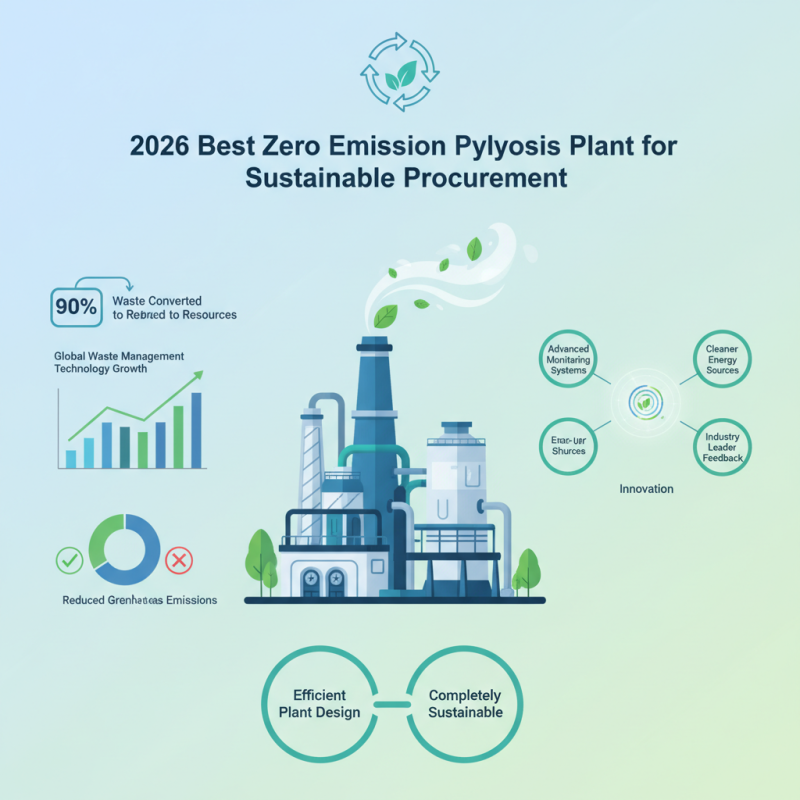
The shift towards a sustainable future is pressing. The Zero Emission Pyrolysis Plant stands at the forefront of this movement. According to the International Energy Agency (IEA), global waste management technologies are expected to grow significantly, driven by an increasing need to minimize carbon footprints. By processing waste into valuable products, these plants can reduce greenhouse gas emissions substantially.
Recent reports from the World Economic Forum indicate that pyrolysis technology can convert up to 90% of waste into useful resources. However, achieving true zero emissions remains a complex challenge. Current systems still struggle with operational inefficiencies and emissions during start-up and shut-down phases. The industry must strive for improvements, utilizing advanced monitoring systems and cleaner energy sources.
Incorporating feedback from industry leaders can pave the way for innovation. It is crucial to address these shortcomings while adopting the most effective practices. The ultimate goal remains clear: to create a Zero Emission Pyrolysis Plant that is not only efficient but also completely sustainable. Acting on this vision will be key to advancing global sustainability efforts.
Zero emission pyrolysis technology is emerging as a key player in sustainable waste management. It transforms organic materials into valuable resources without releasing harmful pollutants. This method uses heat in the absence of oxygen, leading to the creation of biochar, oils, and gases. These byproducts can serve as renewable energy sources, reducing reliance on fossil fuels.
One significant benefit is its ability to process various types of waste. From agricultural residues to plastics, this technology offers flexibility in feedstock. It presents a solution for waste that would otherwise contribute to landfills. However, challenges remain in optimizing efficiency and scaling the technology for broader applications. The initial costs can also be a barrier for many, highlighting the need for continued research and investment.
Despite these hurdles, the potential of zero emission pyrolysis is substantial. It aligns with global sustainability goals aiming to cut carbon footprints. As industries seek greener alternatives, this technology could reshape waste handling practices. Exploring these options is crucial for a sustainable future. The journey toward wider adoption is not without complexity. Unexpected challenges can arise, but the pursuit of a cleaner world is worth it.
This chart presents the amount of waste processed in tons by different feedstock types at zero emission pyrolysis plants in 2026. These plants utilize innovative pyrolysis technology to convert various organic materials into energy while minimizing environmental impact.
Choosing a pyrolysis plant for sustainable procurement involves several key factors. One crucial factor is the energy efficiency of the plant. A zero-emission plant should convert waste into energy while minimizing resource consumption. Checking the thermal efficiency metrics can help gauge performance.
Another important aspect is the plant's feedstock versatility. The ability to process different types of waste materials can enhance sustainability. If a plant is limited to specific feedstocks, its overall impact might be reduced. Operators should also evaluate the technological innovations that enhance output quality and reduce environmental impact.
Lastly, consider the operational transparency of the plant. Reliable data on emissions, waste management, and energy production can indicate commitment to sustainability. However, not all plants provide full disclosure. It's essential to request detailed reports and data from manufacturers. This ensures that potential buyers can make informed decisions and contribute to a more sustainable future.
The 2026 best zero emission pyrolysis plant stands out with its remarkable features aimed at promoting sustainability. One significant aspect is its efficient energy recovery system. This plant converts waste into valuable resources while minimizing environmental impact. Advanced technology facilitates the breakdown of materials, ensuring low emissions. The design prioritizes resilience, enhancing the longevity of its components.
Operational efficiency is crucial for sustainable procurement. The best plants employ data-driven monitoring systems for real-time performance analysis. This enables operators to identify inefficiencies and make adjustments swiftly. Additionally, modular designs offer flexibility for scaling up operations without compromising efficiency.
Tips: Consider the source of feedstock. Quality materials enhance the pyrolysis process. Stay informed about emerging technologies. New developments can improve functionality and reduce costs. Regular maintenance checks are vital. They ensure the plant remains efficient and compliant with regulations.
| Feature | Specification | Benefit |
|---|---|---|
| Feedstock Versatility | Can process various organic waste materials | Maximizes waste utilization |
| Zero Emissions | No harmful emissions during operation | Promotes environmental sustainability |
| Energy Efficiency | High thermal efficiency with minimal energy usage | Cost-effective operation |
| Modular Design | Easily expandable and customizable units | Adaptive to various scales of operation |
| Automated Process Control | Advanced control systems for optimal performance | Enhances safety and efficiency |
As the world pushes towards sustainability, zero emission pyrolysis plants are taking center stage. These facilities can convert waste into energy without releasing harmful pollutants. In 2026, several leading models promise significant advancements in efficiency and environmental impact. A comparative analysis reveals notable differences in technology, scalability, and operational costs among these plants.
Some pyrolysis technologies utilize advanced heat transfer processes for better energy recovery. Others may rely on traditional methods, limiting their overall effectiveness. Efficiency rates often vary, with some plants achieving a higher conversion of waste into fuel. This can translate to lower operational expenses and increased profitability. It is crucial for stakeholders to weigh each option carefully before making investment decisions.
While zero emission plants provide a promising pathway, there remain challenges and limitations. Not all technologies are created equal, and some may struggle with feedstock diversity. Ensuring a stable supply of waste material can be an ongoing concern. Evaluating data from pilot projects could help identify potential pitfalls. Overall, exploring these innovations will require a blend of expertise and market awareness.
Sustainable procurement is evolving rapidly in the field of pyrolysis facilities. As these plants aim to minimize environmental impact, it's essential to consider the procurement of materials and technologies that support this goal. Many organizations are focusing on sourcing renewable and recycled materials. This shift not only supports sustainability but also enhances the overall efficiency of pyrolysis processes.
In recent years, there has been a growing interest in innovative technologies that improve energy recovery from waste. Companies are exploring partnerships with suppliers who prioritize zero-emission technologies. However, challenges remain. For instance, the availability of high-quality, sustainable materials can sometimes limit progress. Moreover, assessing the long-term impact of these materials often requires more research.
Transparency in sourcing is crucial. Stakeholders demand clear insights into the sustainability of purchased products. Unfortunately, some suppliers may overstate their environmental benefits. This creates a need for due diligence and continuous assessment. Companies must remain vigilant, ensuring that their procurement strategies genuinely contribute to sustainable practices.
: It transforms organic materials into resources without harmful pollutants. Heat is used without oxygen.
The process creates biochar, oils, and gases. These can be renewable energy sources.
It allows the processing of various wastes, from agricultural residues to plastics. This reduces landfill contributions.
Optimizing efficiency can be difficult. Initial costs may also hinder broader adoption.
It helps reduce carbon footprints. This aligns with global efforts for a cleaner environment.
Energy efficiency, feedstock versatility, and technological innovations are key factors.
Reliable data on emissions and energy production shows commitment to sustainability. Lack of disclosure can be a red flag.
They may slow down adoption rates and complicate implementation, but cleaning the environment remains important.
Request detailed reports. This helps ensure informed decisions towards sustainable procurement.
Initial costs and efficiency challenges can be barriers. Continuous research and investment are needed for improvement.
The article "2026 Best Zero Emission Pyrolysis Plant for Sustainable Procurement?" explores the advancements and benefits of zero emission pyrolysis technology. It highlights key considerations for selecting a sustainable pyrolysis plant, emphasizing the importance of efficiency, environmental impact, and technological innovation.
Furthermore, the article discusses the top features that define the best zero emission pyrolysis plants in 2026, including robust safety measures and waste-to-energy conversion capabilities. A comparative analysis of leading facilities illustrates the progress in the industry, while also presenting future trends in sustainable procurement strategies. By focusing on zero emission solutions, the industry strives for a greener future in waste management and resource recovery.

Huayuan