The waste tyre recycling industry has become a focal point for sustainable practices globally. As environmental concerns rise, more businesses are exploring cost-effective solutions. For those looking at setting up a Waste Tyre Recycling Plant, understanding the associated costs is crucial. The Waste Tyre Recycling Plant Cost involves various factors, such as machinery, labor, and operational expenses.
China has emerged as a leader in this sector, offering advanced technology at competitive prices. Yet, potential buyers must navigate complexities. Costs can vary widely depending on plant capacity and technology choices. Some plants focus on high-end machinery, while others may opt for simpler setups. This leads to a range of investment options, potentially causing confusion for investors.
Navigating these costs requires careful planning. Buyers should consider not only initial costs but also long-term operational expenses. Understanding the balance between quality and price is essential. Investing in a Waste Tyre Recycling Plant can be daunting, but with informed decisions, it can become an impactful and profitable venture.
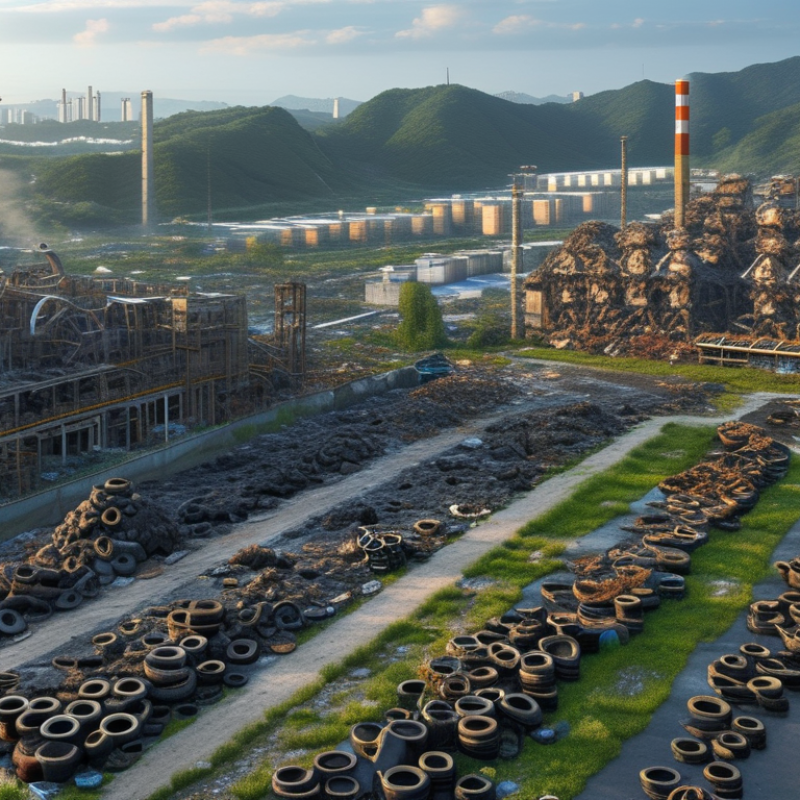
Overview of Waste Tyre Recycling in China
In China, waste tyre recycling has gained attention due to its environmental significance. The country faces a large volume of used tires each year. Effective recycling can reduce landfills and recover useful materials. These processes also contribute to the circular economy.
Recycling methods include pyrolysis and crumbing. Pyrolysis involves heating tyres in the absence of oxygen, which produces oil, gas, and carbon black. Crumbing, on the other hand, breaks down tyres into small pieces for use in various applications like paving or rubber products.
**Tip:** Consider local regulations. Compliance is crucial for your recycling operations.
Investing in a recycling plant involves numerous factors. Costs can vary significantly based on technology and scale. It’s essential to evaluate the long-term benefits versus initial costs. Moreover, buyer expectations can shape these investments.
**Tip:** Research potential partners. Collaborating with experienced companies can ease entry into the market.
Yet, challenges persist. Not all oils and materials obtained from recycling are marketable. Additionally, the technology required can be expensive and complex. It's vital for investors to exercise caution. A well-rounded business approach may lead to better outcomes.
Key Components of Waste Tyre Recycling Plants
When evaluating the cost of establishing a waste tyre recycling plant, understanding its components is essential. Key components play a vital role in determining overall costs. The shredding system is one of the most crucial parts. This system breaks down tyres into smaller pieces for easier processing. It requires robust machinery and skilled operators. Investments here can be significant. Yet, the efficiency gained can justify the expense.
Another essential component is the pyrolysis reactor. This piece of equipment converts tyre materials into oil and gas. Quality and capacity directly impact cost. A more efficient reactor can lead to greater yields. However, there are challenges in maintenance and operation. It's important to consider potential downtime and repairs.
Additionally, a proper filtration system is necessary to manage emissions. This technology ensures compliance with environmental regulations. The cost of installation may vary, affecting the overall budget. Buyers should evaluate long-term benefits versus initial expenses. Investing in high-quality components can lead to better performance. However, balancing quality and cost is not always straightforward.
Cost Breakdown of Establishing a Tyre Recycling Facility
Establishing a tyre recycling facility involves several cost factors that potential investors must consider. Initial setup costs can vary widely, often ranging between $500,000 to $1 million. Factors influencing these costs include equipment, land, and construction expenses. For instance, the primary processing equipment alone can cost upwards of $300,000, depending on the capacity and technology used.
Operational expenses also play a crucial role in the overall budget. An average facility may incur monthly costs of around $10,000 to $20,000 for maintenance and labor. This range assumes a workforce of 5-10 employees, with salary deviations based on regional economic conditions. Additionally, utilities such as electricity and water can add another $1,000 to $3,000 per month.
It is essential to conduct a thorough market analysis before proceeding. Some facilities struggle to achieve profitability due to fluctuating demand for recycled rubber products. Consideration of local regulations and environmental policies is equally significant. Regulatory compliance can impose additional costs, often exceeding $100,000 for necessary permits. Investors must weigh these factors carefully to make informed decisions.
Factors Influencing Recycling Plant Costs for Global Buyers
When considering the costs of establishing waste tyre recycling plants in China, several factors play a significant role. According to industry reports, equipment quality is paramount, impacting both initial expenses and ongoing maintenance. High-efficiency machines tend to have higher upfront costs but offer better returns in the long run. A recent study indicated that the average cost of machinery can vary dramatically, with estimates ranging from $100,000 to over $1 million. This cost variation often confounds potential investors.
Operational expenses are another crucial factor. Energy costs, labor rates, and local regulations shape the financial landscape of recycling plants. Energy-intensive processes can lead to substantial monthly bills, depending on the region. A report by the International Energy Agency highlighted that energy consumption for recycling purposes could make up to 40% of operational costs. The regulatory environment also impacts expenses; stricter regulations may require additional investments in compliance measures.
Finally, market demand significantly influences plant costs. Global demand for recycled tyre products is on the rise. A report from the International Rubber Study Group suggests that the market for recycled products will grow by over 8% annually. This demand can affect pricing and profitability, prompting potential buyers to carefully reconsider their investment options. While the outlook is optimistic, unforeseen challenges such as fluctuating raw material prices must be factored into the cost calculations.
Potential Returns on Investment in Tyre Recycling Operations
Investing in tyre recycling operations can lead to significant financial rewards. With the increasing amount of waste tyres globally, the demand for recycling solutions is higher than ever. A well-managed recycling plant can turn used tyres into valuable products such as rubber granules, fuel oil, and carbon black. These materials have a variety of applications in different industries, enhancing their value.
Tips: Research local market demand thoroughly. Understanding regional needs can greatly influence your decisions.
Setting up a tyre recycling plant requires a substantial initial investment. Factors such as equipment costs, operational expenses, and labor are critical. An in-depth analysis of potential operational costs is necessary. It helps in realizing the plant's profitability. Visualizing costs versus projected revenues is essential for attracting investors.
Tips: Consider partnering with local governments or businesses. This can provide additional resources and support for your operations.
Despite the promising returns, challenges abound. Regulatory compliance, for instance, can be complex. Investing in compliance infrastructure is vital. The fluctuating prices of recycled materials can impact revenue. Regularly reviewing market trends aids in adapting strategies effectively.
FAQS
: Initial setup costs range from $500,000 to $1 million, influenced by equipment and construction expenses.
Primary processing equipment can exceed $300,000 based on capacity and technology used.
Monthly costs may range from $10,000 to $20,000 for maintenance and labor.
A workforce of 5-10 employees can vary salaries based on regional economic conditions.
Utilities like electricity and water can add $1,000 to $3,000 per month to operational expenses.
Fluctuating demand for recycled rubber can hinder profitability, making market analysis vital.
Compliance costs can exceed $100,000 for necessary permits and other regulations.
Energy consumption for recycling can account for up to 40% of operational costs, varying by region.
High-efficiency machines cost more upfront but can lead to better long-term returns.
The global demand for recycled products is growing; however, fluctuating material prices pose challenges.
Conclusion
The article "China Top Waste Tyre Recycling Plant Cost for Global Buyers?" explores the landscape of waste tyre recycling in China, highlighting the essential components involved in setting up recycling plants. It provides a detailed cost breakdown for establishing a tyre recycling facility, which is crucial for potential investors considering this eco-friendly venture.
Factors influencing the Waste Tyre Recycling Plant Cost are discussed, including the scale of operations, technology used, and regulatory requirements. The article also examines the potential returns on investment for global buyers, emphasizing the economic benefits of entering the tyre recycling industry amidst rising environmental awareness and resource scarcity. Overall, it offers valuable insights for those looking to tap into sustainable practices while capitalizing on a growing market.

 Huayuan