Choosing the right Electric Pyrolysis Plant is crucial for effective waste management. With global waste generation expected to reach 3.4 billion tons by 2050, the need for efficient recycling technologies has never been more pressing. Electric pyrolysis is gaining traction as a sustainable solution to transform waste into valuable resources. According to a recent market report, the electric pyrolysis market is projected to grow at a CAGR of 12% over the next five years. This growth highlights the increasing recognition of this technology's potential.
When selecting an Electric Pyrolysis Plant, several factors should be considered. These include plant capacity, energy efficiency, and the technology used. The right choice can significantly impact operational costs and environmental impact. However, not every system will align perfectly with your needs. Potential buyers must assess their specific requirements carefully. It is essential to balance technology benefits against practical limitations.
In this rapidly evolving industry, staying informed about advancements can be challenging. As various manufacturers introduce different technologies, distinguishing between options may require research and expertise. The choice of an Electric Pyrolysis Plant is not merely a technical decision; it embodies a commitment to sustainability and innovation.
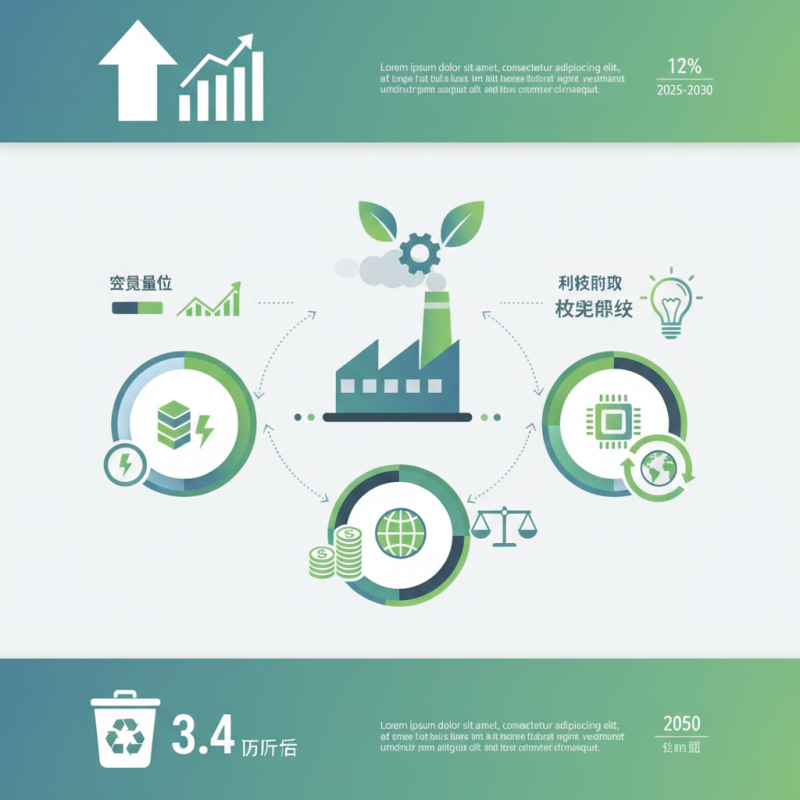
When selecting an electric pyrolysis plant, there are several critical factors to keep in mind. Capacity is essential. Determine the volume of material you intend to process. A larger capacity allows for more efficiency, but it also requires more space and energy. Assessing the input materials is crucial too. Different plants may perform better with specific feedstocks, such as organic waste or plastics. Understanding your materials will guide you toward the right technology.
Energy efficiency is another vital consideration. Look for plants designed to minimize energy consumption. A plant that offers recovery systems can significantly enhance efficiency. Additionally, evaluate the plant's emissions and environmental impact. Ensure it meets local regulations while promoting sustainability. Operational complexity is also worth considering. A user-friendly system may save training time and reduce errors. Your team's skill level will influence the choice. Evaluate maintenance requirements to avoid unexpected downtimes. Each factor affects long-term usability and efficiency. Engage with experts and users to gain insights and make a more informed decision.
Electric pyrolysis is a promising technology that transforms various organic materials into valuable resources. Understanding the types of materials suitable for this process is critical. Various studies indicate that plastics, biomass, and tires can be effectively processed. A report from the International Energy Agency shows that plastics constitute a significant waste stream, with over 300 million tons generated annually worldwide. Pyrolysis can convert this waste into useful oils and gases, reducing landfill reliance.
Biomass is another prominent candidate for electric pyrolysis. Agricultural waste, such as corn stalks and straw, presents an opportunity for sustainable energy production. The Food and Agriculture Organization estimates that about 1.3 billion tons of food is wasted each year, much of which can be converted into energy. However, not all materials yield the same energy and efficiency. Selecting the right feedstock requires consideration of moisture content and chemical properties.
Tire pyrolysis has emerged as a way to address the growing tire waste problem. The world produces approximately 1.5 billion used tires yearly. Pyrolysis can convert these tires into reusable materials, such as carbon black and oils. However, variability in tire composition poses challenges. Ensuring uniformity in input materials is crucial for maximizing efficiency and output quality. Thus, thorough research and testing are essential before committing to electric pyrolysis plants.
Electric pyrolysis technology is advancing rapidly. This process converts organic materials into valuable resources like bio-oil and charcoal. Understanding how these systems operate is crucial for effective decision-making.
Electric pyrolysis works by applying heat in the absence of oxygen. This prevents combustion and allows the breakdown of complex materials. Maintaining precise temperature control is essential. Different feedstocks require varied conditions, which can affect output quality. For example, temperatures too high can lead to unwanted by-products.
While electric pyrolysis shows promise, it's not without challenges. Energy consumption remains a major concern. Efficient energy use directly impacts overall profitability. Operators must also consider equipment maintenance. Regular check-ups ensure optimal performance and prevent costly downtimes. Investing in training for staff can enhance operational understanding and efficiency.
When evaluating the efficiency and output of pyrolysis equipment, it’s crucial to consider several key factors. Energy consumption is one of them. According to a recent industry report, an efficient electric pyrolysis plant should consume between 2 to 3 MWh per ton of processed material. This range indicates optimal energy usage while maximizing output. You should also evaluate the feedstock type, as different materials yield varying outputs.
The quality of the output is another essential consideration. Pyrolysis typically produces synthetic oils, carbon black, and syngas. Understanding the expected yield percentages can guide your choice. For instance, data indicates that treating plastic waste can yield around 70% oil and 30% gas. These figures vary based on the reactor design and operating conditions. A better design leads to higher efficiency.
Moreover, scalability matters. Not all installations offer easy expansion options. Some plants might function optimally at a certain capacity but struggle when scaled up. Consider starting with modular systems that allow adjustment based on input material. Being mindful of these parameters can significantly impact operational success and financial returns. Reflect on your needs carefully before making a decision.
When budgeting for an electric pyrolysis plant, understanding the costs is essential. The initial investment is significant. Reports show that the average cost of a small-scale electric pyrolysis system can range from $500,000 to $1.5 million. This range factors in equipment, installation, and operational readiness. However, these numbers can fluctuate widely based on capacity and technological features.
Operating costs also play a crucial role. Energy consumption can account for nearly 50% of total operational expenses, approximately $0.05 to $0.20 per kWh, depending on local rates. Regular maintenance is necessary and can add an average of $20,000 annually. Additionally, depending on the type of feedstock used, raw material costs can vary, impacting the overall budget.
Investing in research is vital before making decisions. Many businesses overlook potential hidden costs, such as unexpected downtime or regulatory fees. This oversight can lead to financial strain later on. The financial landscape of electric pyrolysis remains complex. Careful planning can help navigate these challenges and ensure a more predictable outcome.
| Criteria | Value | Cost Analysis (USD) |
|---|---|---|
| Capacity (tons/day) | 5 | $300,000 |
| Capacity (tons/day) | 10 | $500,000 |
| Capacity (tons/day) | 20 | $800,000 |
| Energy Consumption (kWh/ton) | 700 | N/A |
| Operation Cost (USD/ton) | 150 | N/A |
| Return on Investment (Years) | 3-5 | N/A |
| Maintenance Cost (USD/year) | 20,000 | N/A |
: Consider capacity, energy efficiency, input materials, and operational complexity. Each affects usability and efficiency.
Different materials yield varying outputs. For example, plastic waste can yield about 70% oil and 30% gas.
Efficient energy use reduces costs and enhances profitability. Aim for 2 to 3 MWh per ton processed material.
Precise temperature control is vital. It affects the breakdown of materials and output quality. Avoid excessive heat.
Regular maintenance check-ups are essential. They prevent costly downtimes and maintain optimal operational conditions.
Yes, investing in staff training improves operational understanding. This can increase efficiency and reduce errors.
Evaluate emissions and ensure compliance with local regulations. Sustainability is critical for responsible operation.
Some systems may struggle with increased capacity. Starting with modular systems can offer flexibility as needs change.
Energy consumption is a main concern. Addressing this is crucial for improving operational viability and profitability.
Understanding expected yield percentages of synthetic oils and gases is essential. This varies based on design and conditions.
Choosing the best Electric Pyrolysis Plant requires careful consideration of several key factors. Initially, it's important to assess the types of materials you plan to process, as different plants may be optimized for specific feedstocks. Understanding the technology behind electric pyrolysis systems can also help in identifying the most efficient options available, ensuring that you select a plant that meets your output expectations.
Furthermore, evaluating the efficiency and overall performance of the pyrolysis equipment is crucial for long-term viability. A thorough cost analysis and budgeting process will help in making informed decisions that align with your financial capacity and operational goals. By comprehensively analyzing these elements, you can confidently select an Electric Pyrolysis Plant that best suits your needs.

Huayuan