Choosing the right Waste Tyre Pyrolysis Machine is essential for effective waste management. With increasing environmental concerns, pyrolysis technology offers a solution. It converts waste tyres into valuable resources. However, not all machines are the same.
Understanding the features of various models is crucial. The market is flooded with options. Some may promise high efficiency but lack durability. Others may be cost-effective but compromise on safety. It's important to evaluate each machine's specifications carefully. Look for reliable manufacturers with good customer reviews.
Additionally, consider the scale of your operation. A small business may not need a large, industrial-grade machine. On the other hand, large-scale processors should prioritize output capacity. Reflecting on your needs can lead to more informed choices. Choose wisely, as this investment impacts both your finances and the environment.
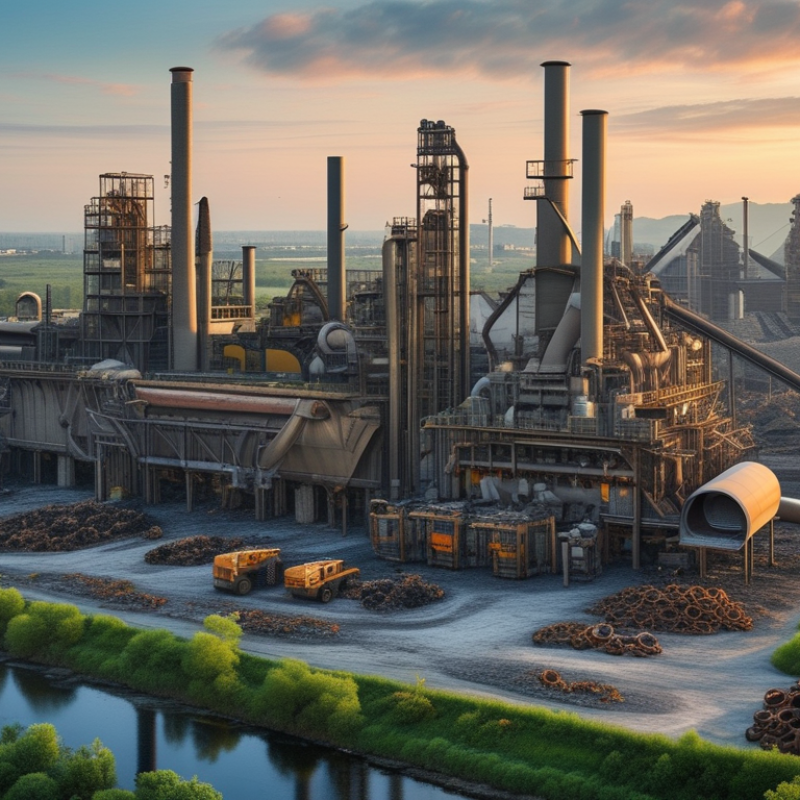
Waste tyre pyrolysis machines are essential in today’s recycling landscape. They convert discarded tyres into valuable products like oil, carbon black, and gas. This process not only mitigates environmental issues but also promotes resource recovery.
Choosing the right pyrolysis machine is crucial. It must be efficient and environmentally friendly. Understanding the technology helps you make an informed decision. Are the emissions within acceptable limits? What materials are used in construction? These factors matter. An effective machine ensures longevity and reduces operational issues.
It’s easy to overlook details in this complex industry. Rushing into a purchase may lead to regrettable choices. Careful research is necessary to ensure the equipment meets your needs. Consider factors such as capacity and energy consumption. A thoughtless decision could harm your investment and the environment.
When choosing a pyrolysis machine for waste tyres, specific features play a critical role. Look for a machine with a robust design. Durability is essential. A good pyrolysis plant should withstand high temperatures and heavy use. This feature enhances the lifespan of the equipment. In addition, pay attention to the energy efficiency of the machine. An energy-efficient model can significantly reduce operating costs.
Another important aspect is the reactor type. Choose between batch and continuous reactors based on your production needs. Continuous reactors offer higher efficiency. They enable ongoing processing without interruptions. The output quality of oil is also vital. High-quality oil can yield better returns. Consider how the machine's design affects the output.
Finally, check the safety features. Proper safety measures protect operators and the environment. If a machine lacks essential safety systems, it can be a risk. It's important to review user feedback and reliability reports on the machines you consider. This information helps ensure you're making an informed decision. Even experienced operators sometimes overlook these details. A thorough assessment will lead to a better choice in the long run.
When evaluating the efficiency and output of pyrolysis equipment, several factors come into play. The temperature profile is critical. Higher temperatures generally lead to better oil recovery rates. However, excessive heat can degrade the quality of the output. Monitoring these variables is essential for optimizing performance.
The design of the pyrolysis machine also impacts efficiency. A well-structured reactor maximizes material contact with heat sources. This ensures uniform thermal distribution, enhancing the overall output. Users should also consider the feedstock characteristics. Different materials behave uniquely under pyrolysis conditions, affecting yield and quality.
It’s vital to assess the reliability of the data provided by manufacturers. Many claim high outputs, but actual performance can vary. Independent testing and user reviews offer insights into real-world efficiency. Additionally, reflect on maintenance requirements. Frequent upkeep can hinder productivity, making it crucial to choose machinery that balances output with ease of maintenance.
| Parameter | Description | Efficiency (%) | Output (Kg/hour) | Temperature Range (°C) |
|---|---|---|---|---|
| Pyrolysis Reactor Type A | Batch type processing with high thermal efficiency. | 85 | 500 | 400 - 600 |
| Pyrolysis Reactor Type B | Continuous flow design with optimized heat usage. | 90 | 750 | 450 - 650 |
| Pyrolysis Reactor Type C | Advanced thermal cracker with dual chamber system. | 88 | 600 | 400 - 700 |
| Pyrolysis Reactor Type D | Eco-friendly design with lower emissions. | 87 | 650 | 400 - 600 |
When selecting a waste tyre pyrolysis machine, comparing different manufacturers can be daunting. Each manufacturer offers unique features and pricing. Focus on quality and reliability. Look for machines that are energy-efficient and have a proven track record. Review customer feedback to gauge performance and service support.
Diverse options will also be available in terms of output capacity and technology. It is crucial to analyze their specifications closely. Some manufacturers prioritize advanced technology, while others favor simplicity. Consider what best fits your operational needs. An ideal machine should align with your production goals and environmental compliance.
Conduct thorough research on warranties and after-sales service. A machine may seem superior on paper, but is it backed by solid support? Evaluate the manufacturer’s experience in the industry. Longevity often indicates reliability. It’s also wise to engage with existing customers or industry experts for firsthand insights. This can uncover potential shortcomings or advantages not visible in marketing materials.
When considering a waste tyre pyrolysis machine, understanding cost factors is essential. Investment in such machinery varies greatly. A recent industry report indicates that the initial setup cost can range from $100,000 to $500,000. This figure often depends on capacity, technology, and supplier terms. It's crucial to analyze potential operating costs, too. Energy consumption, maintenance, and labor can significantly impact overall expenses.
Return on investment (ROI) is another pivotal factor. Studies show that while profits can reach 70% annually, payback periods can vary. Many operators report ROI times between six months to two years. Factors influencing ROI include local rubber markets and regulatory environments. Monitoring fluctuations in scrap tyre prices can aid in making informed decisions.
Investors should remain mindful of risks. Not all markets sustain consistent demand for the products derived from pyrolysis. Variations in legislation can also affect operations. Some owners face challenges with technology maintenance and efficiency. It’s essential to prepare for such obstacles to ensure long-term success.
: They convert discarded tyres into valuable products like oil, carbon black, and gas.
The right machine affects efficiency, durability, and environmental impact.
Look for robust design, energy efficiency, and high-quality output capabilities.
Batch reactors are less efficient. Continuous reactors allow for ongoing processing without interruptions.
Higher temperatures generally yield more oil, but too much heat can degrade output quality.
Review user feedback, reliability reports, and conduct independent performance testing.
Frequent maintenance can affect productivity, so choose machines with easier upkeep.
Assess how the machine's design impacts product quality and monitor the temperature profile during operation.
Essential safety systems protect operators and the environment from possible risks.
Don’t rush your decision. Doing careful research can prevent regrettable choices that harm investments.
The article "How to Choose the Best Waste Tyre Pyrolysis Machine?" provides a comprehensive guide on selecting the most suitable machine for recycling waste tyres. It emphasizes the significance of waste tyre pyrolysis machines in waste management and environmental sustainability. Key features to consider include the machine's technology, capacity, safety mechanisms, and automation levels.
Moreover, the article highlights the importance of evaluating the efficiency and output of the pyrolysis equipment to ensure optimal performance. It also suggests comparing various manufacturers to understand their offerings and innovate solutions. Finally, analyzing cost factors and the potential return on investment is crucial for making an informed decision, ensuring that the investment in a waste tyre pyrolysis machine is economically viable and environmentally beneficial.

Huayuan