How to Choose the Best Tyre Pyrolysis Plant for Your Needs?

Time:2026-05-13 Author:Mason
0%

Selecting the right Tyre Pyrolysis Plant is crucial for maximizing efficiency and profitability. The industry has seen significant growth, with a report by Market Research Future indicating a projected CAGR of 7.6% from 2022 to 2028. This growth indicates increasing demand for sustainable waste management solutions.

Industry expert Dr. Emily Carter states, "Investing in a quality Tyre Pyrolysis Plant can lead to long-term environmental and economic benefits." Her insights highlight the importance of carefully evaluating your needs. Different plants offer various processing capacities and technologies.

Moreover, not all suppliers uphold the same standards. This can lead to inconsistencies in output quality. It is essential to thoroughly assess factors like the plant's technology, efficiency, and customer support. Making an informed decision requires research and reflection on your specific operational goals.
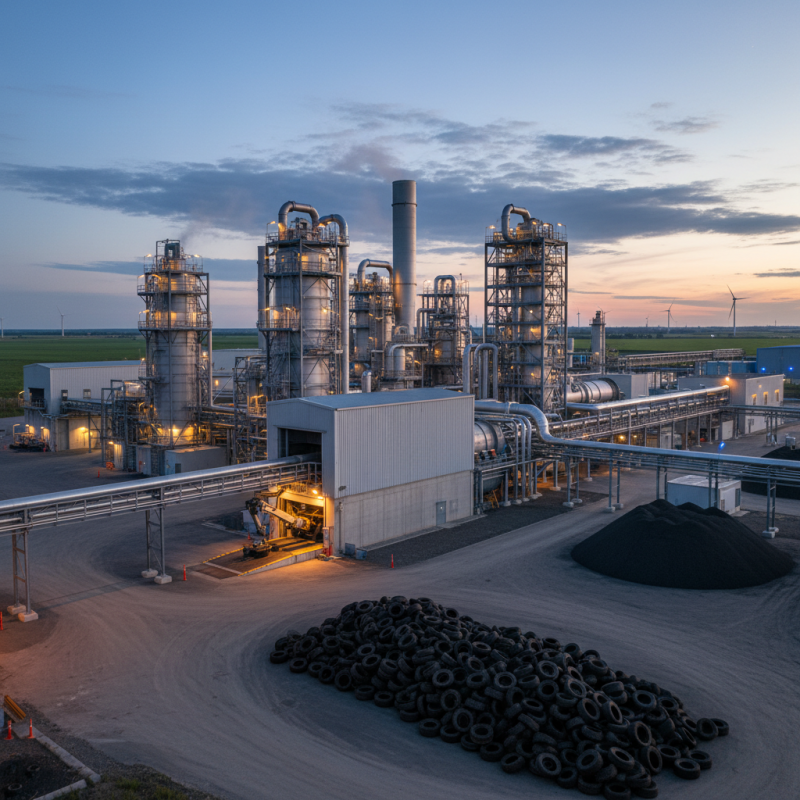
How to Choose the Best Tyre Pyrolysis Plant for Your Needs?

Understanding the Basics of Tyre Pyrolysis Plants

Understanding the basics of tyre pyrolysis plants is essential when choosing the right one for your needs. These facilities convert waste tyres into usable products through a thermal decomposition process. The main outputs include oil, carbon black, and gas. Each byproduct has potential applications, making tyre recycling profitable and environmentally friendly.

Tip: When evaluating a pyrolysis plant, consider its processing capacity. A larger capacity might seem advantageous, but it requires consistent feedstock and infrastructure. Analyze your local waste tyre availability. If rates fluctuate significantly, a smaller unit may be more practical.

The technology behind pyrolysis varies widely. Some plants employ advanced systems that optimize energy efficiency. Others may use outdated technologies that increase emissions. It's crucial to research the specific methods used by different plants. Even minor differences can significantly impact environmental compliance and operational costs.

Tip: Ensure you understand the safety measures of a plant. Ask about their emissions control systems and safety protocols. A reliable operation should prioritize worker safety and environmental protection. Look for certifications and reviews that can provide assurance of their practices.

How to Choose the Best Tyre Pyrolysis Plant for Your Needs?

Feature Description Importance Level
Processing Capacity The amount of waste tires the plant can process in a given time frame. High
Energy Efficiency The efficiency of the plant in using energy to operate the pyrolysis process. Medium
Safety Features Safety mechanisms in place to prevent accidents and handle emergencies. High
Cost Total investment required for purchasing and installing the plant. High
After-Sales Support Availability of maintenance services and technical support post-purchase. Medium
Environmental Compliance Adherence to local and international environmental regulations. High
Technology Used The technology implemented for the pyrolysis process, affecting output quality. Medium

Key Factors to Consider When Choosing a Tyre Pyrolysis Plant

Choosing the right tyre pyrolysis plant involves several critical factors. Efficiency is paramount. Recent industry reports indicate that high-efficiency plants can convert over 90% of tyres into useful products. This significantly lowers waste and maximizes returns. Examine the plant's design and technology. Advanced systems often yield cleaner outputs, which is increasingly vital due to stringent environmental regulations.

Cost is another major consideration. Initial investments can vary greatly, impacting long-term profitability. According to analysts, maintenance costs can add another 20% to the overall expenditure. It is essential to ensure that the chosen technology minimizes operational costs. Additionally, verify the availability of spare parts and technical support. A reliable supplier can enhance uptime and reduce operational headaches.

Regulatory compliance and safety features should not be overlooked. Reports highlight that non-compliance can lead to hefty fines. Look into the safety measures integrated into the design. Always assess the scalability of the plant. As market demand fluctuates, a scalable solution can adapt and grow with your needs. This adaptability is crucial in a rapidly changing market.

Evaluating Technology and Efficiency in Pyrolysis Systems

When choosing a tyre pyrolysis plant, evaluating the technology and efficiency is crucial. Different systems utilize various methods to convert waste tyres into reusable materials. Some focus on maximizing oil output, while others aim for high-quality carbon black. Understanding what each technology offers can make a significant difference.

Efficiency is often measured in energy consumption and output rates. A system that consumes less energy while maintaining high output is ideal. Look for plants that provide detailed efficiency metrics. Investigate the processes they implement, such as heating methods and reaction times. Some plants may promise rapid outputs but at the cost of quality.

Not all technologies perform equally under different conditions. Environmental factors, raw material quality, and maintenance practices play essential roles. Some plants might struggle to adapt, leading to inconsistent results. Thus, reflecting on past performance cases from different manufacturers can offer valuable insights. It’s essential to approach each option with a critical mindset.

Assessing Investment Costs and Financial Returns

Assessing the investment costs of a tyre pyrolysis plant requires careful analysis. Initial capital outlay is significant, often ranging from $200,000 to $1 million. Factors affecting these costs include plant capacity, technology, and equipment quality. Industry analysis shows that larger plants can produce more output, but they also demand higher investments.

Financial returns from a tyre pyrolysis plant can be considerable. According to a recent market study, returns can vary between 20% to 40% annually. The efficiency of the technology directly influences this range. Efficient systems can achieve a higher recovery rate of oil and carbon black, maximizing profitability. Buyers should be aware of the operational costs as well. Utilities, maintenance, and labor are critical components that impact overall returns.

Despite the potential for profit, challenges exist. Market volatility for end products, such as oil and carbon black, can affect pricing. Regulatory compliance also influences costs. Businesses need to remain flexible and updated on policies. Carefully assessing all these aspects ensures better decision-making when choosing a tyre pyrolysis plant. Balancing cost and return potential is key for long-term success.

Investment Costs and Financial Returns of Tyre Pyrolysis Plants

Researching Manufacturers and After-Sales Support Options

Selecting the right tyre pyrolysis plant involves thorough research, especially regarding manufacturers and after-sales support. Start by checking their experience in the industry. Established manufacturers often have a proven track record. Look for companies that share case studies or testimonials from previous clients. This can provide insight into their reliability.

Evaluating after-sales support is crucial as well. Companies should offer comprehensive maintenance and repair services. Consider whether they provide a training program for your staff. Effective communication channels can enhance your relationship with the manufacturer. Sometimes, a well-designed support system can be more beneficial than the machinery itself.

Don’t hesitate to ask for references. Conversations with previous customers can reveal hidden aspects of the manufacturer’s service. Look out for issues they faced and how the company addressed them. Often, potential problems can arise. Reflecting on these insights can guide your decision. Pay attention to response times for inquiries. A manufacturer that responds promptly demonstrates commitment and reliability.

FAQS

: What should I consider when choosing a tyre pyrolysis plant?

: Efficiency is crucial. High-efficiency plants can turn over 90% of tyres into useful products.

How does the design of the plant affect its performance?

Advanced designs often yield cleaner outputs, which meet environmental standards.

Are there significant costs associated with tyre pyrolysis plants?

Yes, initial investments vary. Maintenance can add about 20% to total costs.

Why is technology important in a tyre pyrolysis plant?

Different technologies affect oil and carbon black outputs. Understand each method.

How can I assess the efficiency of a plant?

Look for energy consumption and output rates. High output with low energy use is ideal.

What role do safety features play in a tyre pyrolysis plant?

Safety features are crucial. Non-compliance can lead to fines and operational risks.

Why should I consider scalability when selecting a plant?

Scalability allows adaptation to market demand, which is necessary for growth.

Can all plants perform well under different conditions?

No, performance varies. Environmental factors and raw material quality matter.

How important is supplier support for the plant’s operation?

Reliable supplier support enhances uptime and reduces operational issues.

Is it worthwhile to reflect on past performance cases of different manufacturers?

Yes, past cases offer valuable insights for making informed choices.

Conclusion

Choosing the best Tyre Pyrolysis Plant requires a thorough understanding of the technology and its operational basics. Prospective buyers should begin by familiarizing themselves with the fundamental principles of pyrolysis and the various processes involved. Key factors to consider include the efficiency of the technology, the environmental impact, and the scalability of the systems.

Evaluating investment costs and potential financial returns is crucial, as it directly influences the long-term viability of the operation. Additionally, researching different manufacturers and their after-sales support options ensures that you can secure proper maintenance and assistance post-installation. By addressing these considerations, you can make a well-informed decision tailored to your specific needs regarding Tyre Pyrolysis Plants.


Mason

Mason

Mason is a seasoned marketing professional with a deep expertise in the company's offerings and a passion for driving brand awareness. With a strong background in digital marketing strategies, he has an innate ability to connect with diverse audiences and effectively communicate product benefits.......