How to Choose the Best Tyre Recycling Pyrolysis Plant?

Time:2026-06-16 Author:Amelia
0%

The demand for sustainable waste management solutions is driving the growth of the Tyre Recycling Pyrolysis Plant industry. According to a report by Research and Markets, the global tyre recycling market is expected to reach $15 billion by 2027. This growth reflects the increasing need to recycle used tires instead of sending them to landfills. Experts emphasize the importance of selecting the right technology for effective recycling.

Dr. John Smith, an industry specialist, noted, "The choice of a Tyre Recycling Pyrolysis Plant can make or break your recycling efforts." His perspective highlights the necessity of evaluating different plant options to ensure efficiency and environmental compliance. Various factors must be considered, including the technology's efficiency, emissions control, and the potential for producing valuable by-products.

Potential buyers often face challenges when navigating available technologies. Not all plants deliver the same results or adhere to regulations. Careful assessment of each option is crucial for a successful investment. Ultimately, the right Tyre Recycling Pyrolysis Plant can contribute significantly to sustainable waste management. However, decision-makers must remain vigilant and informed to avoid costly mistakes.
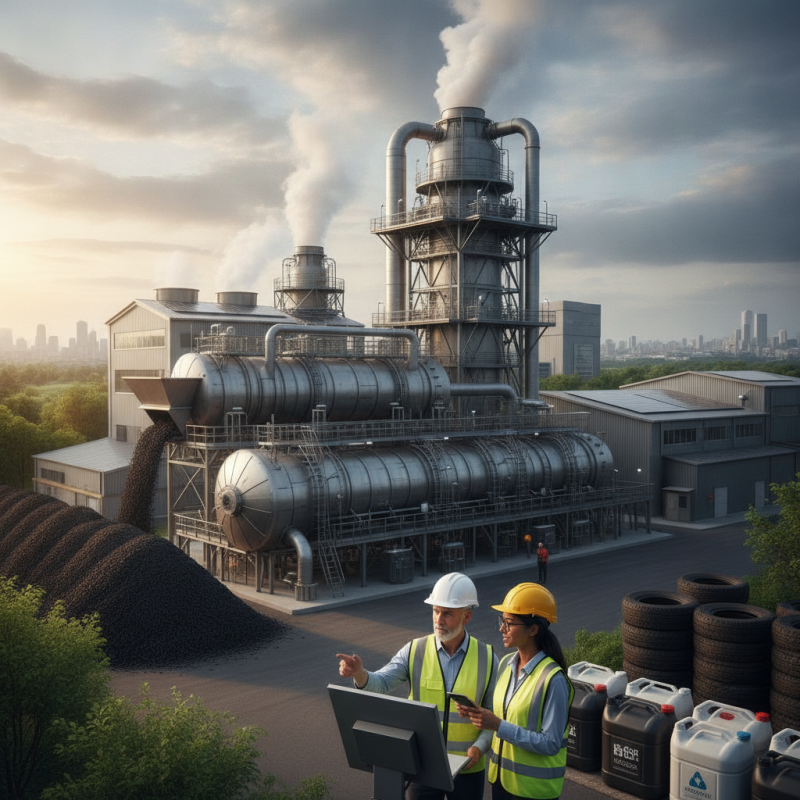
How to Choose the Best Tyre Recycling Pyrolysis Plant?

Understanding Tyre Recycling Pyrolysis: An Overview

Tyre recycling through pyrolysis is a growing segment in waste management. This method breaks down used tyres into valuable products such as oil, carbon black, and gas. According to a recent report by Research and Markets, the global tyre recycling market is expected to surpass $7 billion by 2025, reflecting increasing demand for sustainable waste management solutions.

The pyrolysis process operates by heating tyres in an oxygen-free environment. This ensures that the materials decompose without combustion. The outputs can be repurposed in various industries, driving a circular economy. However, the efficiency of the plant largely depends on its technology and operational capabilities. Factors such as temperature control and feedstock quality need careful consideration.

Many plants struggle with scalability and environmental compliance. Issues like emissions and residue management require attention. Despite these challenges, the benefits of investing in a pyrolysis plant are considerable. The potential to recover valuable resources from waste aligns with global sustainability goals. As the industry evolves, continuous improvement in technology and processes will be crucial for increasing efficacy and lowering costs.

Analysis of Tyre Recycling Pyrolysis Plant Capacity and Efficiency

Key Features to Look for in a Pyrolysis Plant

When selecting a tyre recycling pyrolysis plant, several key features should guide your decision. Efficiency is crucial. Look for plants that can process tyres quickly and yield high-quality oil. Consider technology that improves energy use. Modern systems often incorporate automation, reducing human errors and increasing production speed.

Investing in a plant with advanced safety features is essential. Pyrolysis involves high temperatures. Proper safety measures protect workers and the environment. Ensure the plant adheres to safety protocols. Consider plants with built-in emergency shutdown systems.

Tips: Inspect the plant's materials and construction. Durability can affect long-term performance. Research the manufacturer’s reputation. Reliable providers often offer warranties and support. Look for reviews and feedback from current users. This insight can guide your choice effectively.

Factors Influencing the Selection of a Tyre Recycling Facility

Choosing the right tyre recycling facility is crucial for effective waste management. Many factors play a role in this decision. Consider the technology used in the plant. Modern facilities utilize advanced pyrolysis technology. This process converts tyres into useful products like oil and carbon black. The efficiency of the machinery directly impacts output quality.

The location is another important factor. Proximity to raw material sources reduces transportation costs. Consider the facility’s environmental compliance. A reliable plant follows local regulations and demonstrates a commitment to sustainability. Check for certifications that verify this aspect.

Lastly, evaluate the plant’s experience in the industry. Facilities with a solid track record are often more reliable. They are better equipped to handle various tyre types. Inspecting previous projects or client testimonials can provide insight into their performance. Each factor contributes to the overall effectiveness of the tyre recycling process. It’s worth taking time to reflect on these elements before making a choice.

Evaluating the Technology and Efficiency of Pyrolysis Processes

When evaluating pyrolysis technology, efficiency must be a top priority. The process converts waste tires into useful products. It's essential to consider various factors that affect the effectiveness of these systems.

One critical aspect is temperature control. High temperatures lead to better yields of oil and gas. Inadequate heating can result in lower quality products. Each pyrolysis unit should have precise monitoring systems. This ensures that optimal temperatures are consistently maintained.

Tips for evaluation: Check the plant's historical performance data. Look for efficiency reviews from users. Understand how the technology has adapted over time. It's beneficial to compare several options. This helps in identifying potential strengths and weaknesses.

A good pyrolysis plant should provide flexibility. Look for systems that can handle different types of waste. Notice the design features. A well-thought-out design often enhances overall efficiency. Moreover, consider the energy requirements. A more energy-efficient plant can lead to greater profitability in the long run.

Assessing Manufacturer Reputation and After-Sales Support

When considering a tyre recycling pyrolysis plant, evaluating the manufacturer’s reputation is crucial. A company's history reflects its reliability. Check online reviews, testimonials, and ratings. It’s important to see what previous customers say. Many manufacturers showcase their successes, but look for honest feedback. This helps you gauge their performance in the real world.

After-sales support is another key factor. A reputable manufacturer should offer comprehensive support. This includes installation, maintenance, and training. You might find some companies promise great service but fail to deliver. A solid after-sales team can make a difference in operational efficiency.

Tips: Always seek clarity in after-sales terms. Ask manufacturers about response times for issues. Request case studies of other installations. Don’t overlook warranty options. A reliable warranty protects your investment and provides peace of mind. In your research, keep track of questions you need answers to. Look for transparency in communication. This can reveal the company's commitment to customer care.

FAQS

: What is tyre recycling through pyrolysis?

: Tyre recycling through pyrolysis transforms used tyres into oil, carbon black, and gas while reducing waste.

How does the pyrolysis process work?

It heats tyres in an oxygen-free environment to decompose them without combustion, creating valuable by-products.

What factors affect the efficiency of a pyrolysis plant?

Key factors include temperature control, feedstock quality, and the overall technology employed in the plant.

What challenges do tyre recycling plants face?

Plants often struggle with scalability, emissions, and managing residues efficiently, which need careful handling.

Why is manufacturer reputation important when selecting a plant?

A manufacturer’s history and reviews indicate reliability, guiding your decision on the plant's quality and support.

What should I consider regarding after-sales support?

Look for comprehensive support including installation, maintenance, and training to ensure the plant operates efficiently.

How can I evaluate pyrolysis technology effectively?

Check historical performance data, user reviews, and adaptability of technology to assess potential strengths and weaknesses.

Why is temperature control critical in pyrolysis?

High temperatures lead to better yields of oil and gas, while inadequate heating produces lower quality products.

What role does energy efficiency play in profitability?

An energy-efficient plant can significantly improve profitability over time by reducing operational costs.

What should I watch for in customer feedback?

Seek honest reviews that indicate real-world performance, rather than just success stories presented by manufacturers.

Conclusion

When considering a Tyre Recycling Pyrolysis Plant, it is essential to first understand the pyrolysis process and its benefits for recycling tires. Key features to look for include the efficiency of the technology, processing capacity, and environmental compliance. Factors such as facility location, cost-effectiveness, and scalability also play a significant role in selecting the right plant.

Evaluating the technology and efficiency of the pyrolysis processes is crucial, as advanced systems can significantly enhance output and reduce emissions. Additionally, assessing the reputation of the manufacturer and their after-sales support can ensure a reliable partnership and ongoing operational success. Overall, careful consideration of these aspects will help in choosing the best Tyre Recycling Pyrolysis Plant for your needs.


Amelia

Amelia

Amelia is a seasoned marketing professional with a wealth of expertise in our company’s core offerings. With an unwavering passion for driving growth and innovation, she plays a pivotal role in shaping our marketing strategies and enhancing brand visibility. A key aspect of her responsibilities......