How to Choose the Best Zero Emission Pyrolysis Plant?

Time:2026-08-27 Author:Charlotte
0%

Choosing the right Zero Emission Pyrolysis Plant is essential for sustainable waste management. These plants convert waste into useful products without harmful emissions. The selection process can be daunting. You must consider several factors, including technology, efficiency, and reliability.

Experience plays a vital role in making a sound decision. A reputable manufacturer will have a proven record of successful installations. Look for one with industry certifications and client testimonials. The right technology will maximize waste conversion while minimizing emissions. This balance is crucial for environmental compliance.

Don’t overlook the importance of operational support. Many plants may seem efficient on paper but may require frequent maintenance. Finding a supplier who offers training and ongoing support is critical. It's easy to get lost in the details, but focusing on key features can lead to better choices. A well-chosen Zero Emission Pyrolysis Plant can greatly impact your waste management strategy.
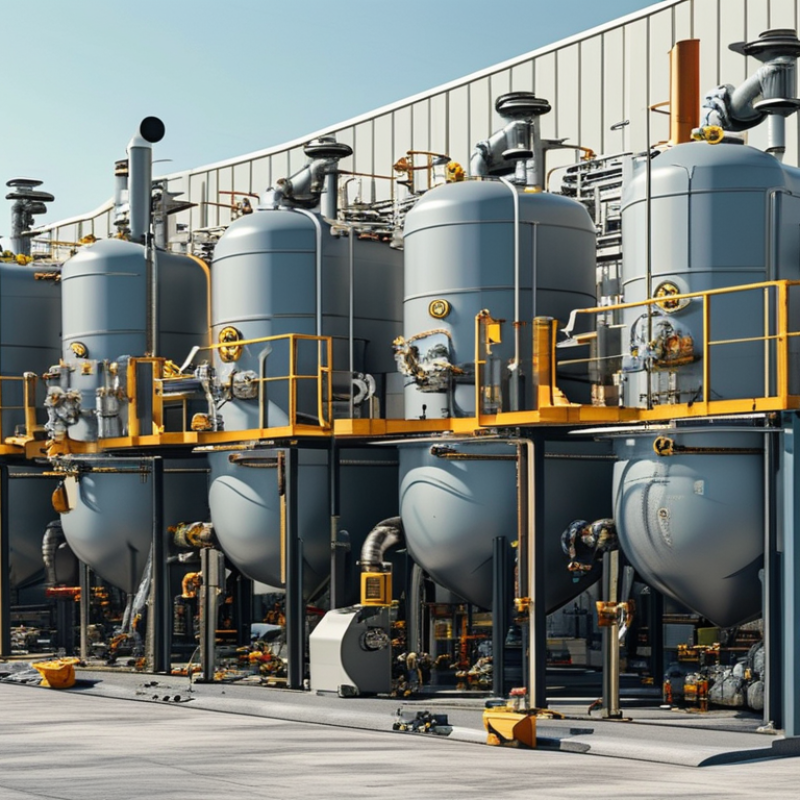
How to Choose the Best Zero Emission Pyrolysis Plant?

Understanding Zero Emission Pyrolysis: An Overview of Technology

Zero emission pyrolysis technology is reshaping waste management and resource recovery. This advanced process converts organic materials into bio-oil, syngas, and char while minimizing harmful emissions. According to recent industry reports, the global biochar market is projected to reach $3.6 billion by 2025, fueled by increasing environmental concerns and sustainable practices. Technologies that ensure zero emissions also help in meeting stringent regulations and boost public trust.

In addition to reducing carbon footprints, this technology enhances the circular economy. It can process a variety of feedstocks, such as agricultural waste and plastics, offering a viable strategy for reducing landfill use. A report from the International Renewable Energy Agency highlights that converting waste via pyrolysis can generate 80-90% energy recovery. However, transitioning to zero emission systems requires significant initial investments and innovation in infrastructure.

Understanding the intricacies of zero emission pyrolysis is crucial. Operators must assess factors like feedstock availability, energy efficiency, and system reliability. While the potential is immense, challenges in technology optimization and cost management persist. Collaboration with experts in environmental science and engineering can help refine these processes, ensuring both effectiveness and sustainability. Nonetheless, continuous advancements are necessary to maximize the benefits of this groundbreaking technology.

Key Factors to Consider When Selecting a Pyrolysis Plant

When selecting a zero emission pyrolysis plant, several critical factors come into play. The technology behind the plant significantly influences its efficiency. Look for advanced thermal processes that optimize the conversion of waste to energy. Check the heating methods used, such as indirect or microwave heating. These can impact both the yield and the quality of the end products.

Another important consideration is the feedstock versatility. The ability of the plant to process various types of materials ensures flexibility in operations. Ensure that the plant can handle different waste types, from agricultural residues to plastic. This adaptability can affect profitability and sustainability.

The supplier's experience and track record also matter. Researching their history provides insights into their reliability. Reading user reviews can be revealing. Make sure to engage with current or former clients. Their feedback is invaluable for understanding potential challenges. Do not overlook the importance of ongoing technical support from the manufacturer. This can be crucial for long-term operational success.

Factors to Consider When Selecting a Zero Emission Pyrolysis Plant

Assessing the Environmental Impact of Pyrolysis Technologies

Assessing the environmental impact of pyrolysis technologies is crucial for sustainable development. Pyrolysis can convert waste materials into useful products. However, the process also produces emissions. Understanding these impacts is vital for making informed decisions.

Research indicates that pyrolysis plants emitting low greenhouse gases are preferable. A report by the International Energy Agency reveals that well-designed systems can reduce CO2 emissions by up to 60%. It is essential to evaluate the energy consumption of the pyrolysis process. Systems using renewable energy sources significantly lower overall environmental footprints.

Further analysis is needed regarding by-products and waste management. While pyrolysis outputs can create valuable fuel, they may also generate pollutants. Studies show that some pyrolysis technologies can release harmful compounds if not properly managed. Thus, investing in high-quality emission controls is necessary to mitigate risks. Balancing these factors can lead to smarter choices in selecting zero-emission pyrolysis plants.

Evaluating Cost-Effectiveness and ROI of Pyrolysis Plants

When evaluating the cost-effectiveness and ROI of zero-emission pyrolysis plants, several factors come into play. The initial investment often ranges from $1 million to $3 million depending on scale and technology. A comprehensive analysis of ongoing operational costs is critical. Typically, operational costs can account for 30-50% of total expenses. Understanding these costs allows for better financial planning and feasibility assessments.

Data from industry reports indicates that the average ROI for these plants can vary significantly, generally between 15% and 25%. Factors influencing ROI include feedstock prices, energy recovery efficiency, and the local market for byproducts. For instance, the global market for biofuels is projected to reach $170 billion by 2025, creating a substantial revenue potential for those utilizing pyrolysis for biofuel production.

Ultimately, financial projections should consider both direct revenues and potential savings from waste management. While initial forecasts may appear optimistic, market fluctuations can affect profitability. The operational complexities of pyrolysis systems require further examination, as they can impact long-term ROI. Decision-makers must reflect on these variables, balancing optimism with realistic projections for sustained success.

Exploring Leading Manufacturers and Their Innovations in Pyrolysis

The rise of zero emission pyrolysis technology is transforming waste management. Leading manufacturers are innovating to enhance efficiency and sustainability. One notable trend is the development of modular systems. These setups are designed for easier scaling while minimizing environmental impact. Innovations like these can lower energy consumption significantly.

Another aspect to explore is the integration of advanced monitoring systems. By using real-time data analytics, operators can optimize performance. This capability not only increases output but also assists in maintaining compliance with environmental standards. However, some plants still fail to adapt to rapid technological changes, which poses challenges.

Investing in research and development is crucial for manufacturers. They are exploring alternative feedstocks that could diversify processing options. The challenge lies in ensuring that these materials are compatible with existing equipment. Continuous refinement is necessary for plants to keep pace with evolving regulations. Innovation in design and materials can lead to breakthroughs, but implementation often requires overcoming substantial hurdles.

FAQS

: What is zero emission pyrolysis?

: Zero emission pyrolysis is a process that converts organic materials into bio-oil, syngas, and char with minimal emissions.

How does this technology benefit the environment?

It reduces carbon footprints and supports a circular economy by processing waste, including plastics and agricultural refuse.

What are the expected market trends for biochar?

The global biochar market could reach $3.6 billion by 2025, driven by environmental concerns and sustainable practices.

What challenges do operators face in implementing this technology?

Operators need to assess feedstock availability, energy efficiency, and system reliability, which can be complex.

How can technology optimization affect pyrolysis?

Optimizing technology can increase efficiency but requires significant innovation and investment, which may be difficult.

Why is research and development important in pyrolysis?

R&D helps manufacturers explore new feedstocks and improve processing techniques, but challenges in compatibility with existing systems remain.

What role do advanced monitoring systems play?

These systems use real-time data to optimize performance and ensure compliance with environmental standards, enhancing operational efficiency.

Are there scalability options for pyrolysis systems?

Modular systems allow for easier scaling, helping to minimize environmental impact while boosting efficiency.

What obstacles can hinder technological advancement in pyrolysis?

Some plants struggle to adapt to rapid changes, facing obstacles in implementation and optimization of innovations.

How can collaboration help in zero emission pyrolysis?

Working with environmental and engineering experts can refine processes and ensure greater effectiveness and sustainability.

Conclusion

The article "How to Choose the Best Zero Emission Pyrolysis Plant?" provides a comprehensive guide to understanding the essential aspects of selecting an efficient pyrolysis plant that promotes zero emissions. It begins with an overview of pyrolysis technology, highlighting its significance in waste management and energy recovery. Key factors to consider when choosing a pyrolysis plant include the technology's efficiency, operational capabilities, and compatibility with various feedstocks.

Additionally, the article emphasizes the importance of assessing the environmental impact of different pyrolysis solutions, ensuring that they meet sustainability goals. It also explores the cost-effectiveness and potential return on investment of these plants, encouraging stakeholders to conduct thorough financial analyses. Lastly, the piece discusses the innovations in pyrolysis technology by leading manufacturers, paving the way for more advanced and eco-friendly solutions in waste processing. Overall, this informative guide is a valuable resource for anyone looking to invest in a Zero Emission Pyrolysis Plant.


Charlotte

Charlotte

Charlotte is a seasoned marketing professional with a deep understanding of the company's portfolio and a passion for elevating its presence in the market. With a keen eye for detail and a commitment to excellence, she ensures that our professional blog is regularly updated with insightful articles......