In today’s eco-conscious landscape, businesses seek sustainable and efficient waste management solutions. The Fully Electrical Heating Pyrolysis System emerges as a compelling choice. A report by the International Renewable Energy Agency emphasized the need for cleaner technologies. Increasing energy efficiency can reduce operational costs by up to 30%. This system converts waste into valuable resources with minimal emission.
Energy transition is crucial. The Fully Electrical Heating Pyrolysis System minimizes greenhouse gases. According to the World Bank, improper waste management can lead to a 20% increase in global emissions. The shift to electric heating drastically reduces reliance on fossil fuels. This is a significant selling point for businesses aiming for sustainability certifications.
Investing in a Fully Electrical Heating Pyrolysis System involves careful consideration. While the initial costs may be daunting, the long-term benefits are undeniable. Businesses can achieve compliance with emerging environmental regulations and improve their brand reputation. Companies must reflect on their energy strategies and waste management frameworks to stay ahead. The evolving market demands responsiveness and innovation.
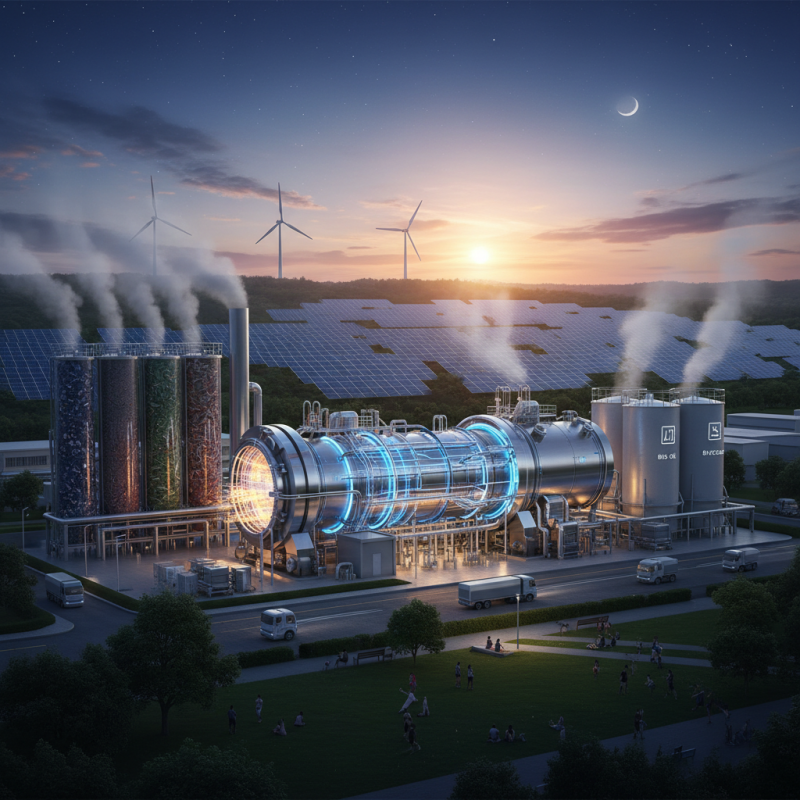
The shift towards fully electric heating pyrolysis systems brings numerous advantages to businesses looking to enhance sustainability and efficiency. According to a 2022 report from the International Energy Agency, electric heating can reduce carbon emissions by up to 70% compared to traditional fossil fuel systems. This substantial reduction highlights the environmental benefits that can be achieved.
Fully electric systems also offer precise temperature control. This is crucial in pyrolysis, where specific temperatures affect product quality. A study in the Journal of Cleaner Production notes that maintaining optimal temperatures can increase the yield of valuable by-products by around 25%. This precision not only boosts profitability but also minimizes waste generation.
However, transitioning to electric heating is not without its challenges. Initial investment costs can be higher than conventional systems. Companies must also consider the reliability of electric supply in their operational areas. Additionally, the integration of renewable energy sources can present logistical hurdles. While the benefits are compelling, careful evaluation is essential for a successful transition to electric pyrolysis technology.
| Benefit | Description | Impact on Business |
|---|---|---|
| Energy Efficiency | Utilizes electrical heating, reducing energy consumption compared to traditional systems. | Lower operational costs and reduced carbon footprint. |
| Consistent Heating | Provides uniform temperature control throughout the process. | Improves product quality and reduces waste. |
| Versatile Applications | Suitable for various feedstocks including plastics, biomass, and rubber. | Increased market opportunities and adaptability. |
| Reduced Emissions | Lower greenhouse gas emissions compared to fossil fuel systems. | Enhanced business reputation and compliance with regulations. |
| Lower Maintenance Costs | Fewer mechanical components lead to reduced wear and tear. | Savings on maintenance and repair expenses. |
: They eliminate reliance on fossil fuels, cutting greenhouse gas emissions significantly.
Electric systems lower energy costs over time, leading to remarkable cost efficiency.
Initial costs can be high, and staff training may take time to ensure proper operation.
Regular checks can prevent breakdowns and ensure the systems operate efficiently over time.
Innovations include enhanced energy efficiency and the use of artificial intelligence for process control.
Committing to eco-friendly practices attracts customers who value environmental responsibility.
While generally efficient, they can have flaws; users must be ready to adapt to challenges.
Continuous staff training is essential for smooth technology transitions and operational efficiency.
Identifying areas for improvement can help determine where electric pyrolysis could be implemented.
Staying informed on regulations can impact the adoption of new pyrolysis systems and technologies.
The "Fully Electrical Heating Pyrolysis System" stands out as an innovative solution for businesses seeking efficient and sustainable waste management practices. By utilizing fully electrical heating, these systems offer significant benefits, including enhanced energy efficiency, reduced operational costs, and a lower carbon footprint compared to traditional heating methods. The transition to electrical heating not only minimizes environmental impact but also aligns with global sustainability goals.
Moreover, the comparative analysis reveals that fully electrical heating systems provide higher precision in temperature control and faster processing times, leading to greater operational savings. As pyrolysis technology continues to evolve, future trends indicate further innovations that will enhance the effectiveness and efficiency of fully electrical heating systems, making them an attractive option for businesses committed to environmental stewardship and cost-effectiveness.

 Huayuan