In the quest for sustainable waste management, the Fully Electric Continuous Pyrolysis Plant emerges as a revolutionary solution. This technology converts organic materials into valuable products. It does so through controlled heating processes, creating an eco-friendly approach to waste disposal. However, selecting the right plant requires careful consideration.
Choosing a Fully Electric Continuous Pyrolysis Plant is not straightforward. Many factors come into play, including efficiency, cost, and output quality. Energy efficiency is crucial; a plant that operates on a non-renewable power source might compromise your sustainability goals. Understanding the operational features is also essential, as misjudgment can lead to inefficiencies.
Beyond the technical specifications, evaluating the manufacturer's credibility is vital. A reputable supplier has a proven track record in this industry. However, not all reviews may reflect genuine experiences. Reflecting on your operational needs will help align your choice with your objectives. Failing to address these aspects might hinder your investment's long-term success. Ultimately, taking the time to analyze your options will ensure a more informed decision.
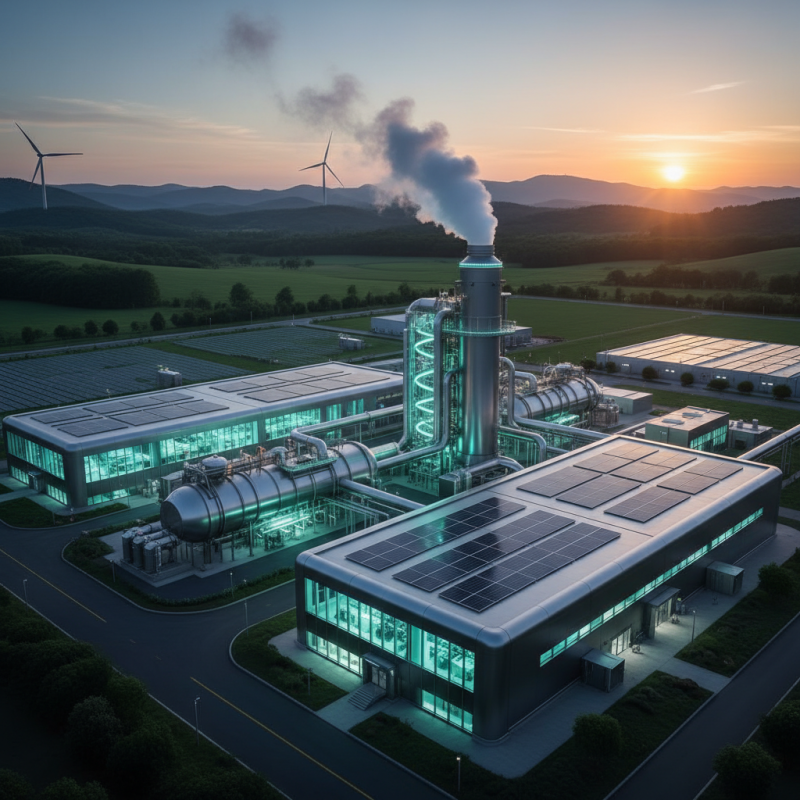
When considering a fully electric continuous pyrolysis plant, understanding its fundamentals is crucial. These plants convert organic materials into valuable products, reducing waste effectively. They utilize electrical energy instead of traditional fossil fuels, resulting in lower emissions and a smaller carbon footprint. However, potential buyers must deeply explore the technology and its applications.
Tip 1: Assess the feedstock types that the plant can handle. Different plants suit various materials, like rubber or biomass. Make sure the capabilities align with your operational goals.
Another important aspect is reliability. Operating continuously requires consistent performance. It's wise to investigate the manufacturer's reputation and the experiences of existing users.
Tip 2: Consider the plant's energy efficiency. High efficiency not only reduces operational costs but also enhances profitability. Look for options that incorporate innovative energy solutions.
Lastly, maintenance and support systems matter. Regular maintenance ensures longevity, while strong technical support mitigates downtime.
Tip 3: Evaluate the warranty and service agreements. Comprehensive support plans can significantly impact long-term satisfaction. Make informed choices to maximize your investment potential.
When selecting a fully electric continuous pyrolysis plant, several key factors need careful consideration, particularly regarding the efficiency of pyrolysis technology. The choice of feedstock dramatically influences the overall process. Each material has a unique composition that affects yield and energy consumption. Understanding the characteristics of different feedstocks allows for better energy optimization and resource allocation, maximizing efficiency.
Another crucial factor is temperature control during pyrolysis. Maintaining an optimal temperature range is essential for the effective transformation of organic materials. Too low a temperature can lead to incomplete pyrolysis, while too high can produce undesirable byproducts. Precision in temperature management, therefore, is vital for ensuring high-quality end products and reducing energy waste.
Additionally, the design of the reactor plays a significant role in the efficiency of the process. A well-designed reactor enhances heat transfer and minimizes energy loss. However, striking a balance between operational capacity and energy consumption can be challenging. Manufacturers often face dilemmas when scalability meets energy efficiency. Even minor adjustments in reactor design can lead to substantial differences in performance. Understanding these nuances is critical for optimizing pyrolysis operations effectively.
When selecting a fully electric continuous pyrolysis plant, understanding capacities and throughput rates is crucial. Recent industry reports indicate that plants can vary significantly in their processing capabilities. Some systems can handle as little as 1 ton of feedstock per day, while advanced models can process up to 20 tons or more. The throughput rate directly impacts efficiency and profitability, making it essential to choose the right scale for your operations.
Consider the types of materials you plan to process. Different feedstocks have unique characteristics affecting throughput. For instance, rubber tires and organic waste typically yield different results. A plant's design and technology influence its ability to maintain consistent throughput. Many facilities struggle with fluctuating feed quality, which can disrupt processing rates.
Moreover, the energy consumption of continuous pyrolysis plants is another critical aspect. According to various studies, optimized systems can reduce energy costs significantly. However, not all plants achieve this efficiency, highlighting the need for careful evaluation. Balancing capacity with energy efficiency will enhance overall performance and sustainability in the long run. Evaluating these factors can lead to well-informed decisions in your pyrolysis plant investment.
| Tip Number | Tip Description | Capacity (Tons/Day) | Throughput Rate (kg/hour) | Energy Consumption (kWh/ton) | Emissions (g CO2/ton) |
|---|---|---|---|---|---|
| 1 | Research the technology used | 10 | 400 | 600 | 50 |
| 2 | Consider plant scalability | 20 | 800 | 550 | 45 |
| 3 | Evaluate equipment durability | 15 | 600 | 575 | 48 |
| 4 | Check for range of feedstock | 25 | 1000 | 635 | 52 |
| 5 | Assess waste handling capabilities | 30 | 1200 | 500 | 42 |
| 6 | Look into supplier reputation | 5 | 250 | 700 | 60 |
| 7 | Understand output products | 12 | 480 | 600 | 55 |
| 8 | Evaluate technical support and service | 18 | 720 | 575 | 50 |
| 9 | Consider automation level | 22 | 880 | 620 | 47 |
| 10 | Analyze total cost of ownership | 14 | 560 | 590 | 51 |
Choosing a fully electric continuous pyrolysis plant involves thorough cost evaluation. Initial investment is crucial. The average cost of such plants can range from $300,000 to over $2 million, depending on capacity and technology. Understanding financing options is essential. Some companies report significant savings in operational costs, up to 30% lower energy consumption compared to traditional systems.
Long-term operational savings are impressive. According to a report by the International Renewable Energy Agency (IRENA), operational costs can decrease by 20% to 40% over a decade. These savings stem from reduced energy use, enhanced efficiency, and lower maintenance costs. However, initial price tags can intimidate potential buyers.
Unexpected challenges may arise. Some facilities experience higher installation costs. Others find their expected savings diminished due to unforeseen operational issues. Regular maintenance and workforce training are required. These costs can add up, making accurate projections difficult. Therefore, conducting a risk assessment before committing is vital. This ensures that potential pitfalls are identified early, improving decision-making in this significant investment.
Choosing a fully electric continuous pyrolysis plant involves understanding regulatory compliance and environmental impact. Regulatory bodies often mandate stringent adherence to emissions standards. For instance, the European Union’s Waste Framework Directive necessitates assessments that evaluate the environmental ramifications of pyrolysis operations.
Environmental impact assessments (EIAs) provide crucial insights into potential risks. Research indicates that pyrolysis can reduce landfill waste by up to 90%. However, inadequate planning may lead to air and soil contamination. Facilities must implement monitoring systems to ensure compliance with local and national regulations.
Investing in certified emissions technology is vital. Reports suggest that advanced filtration systems can lower particulate emissions significantly. Nevertheless, attaining compliance can be challenging. Companies must continually adapt to evolving regulations and integrate feedback from stakeholders. This dynamic landscape requires ongoing diligence. Balancing compliance with operational efficiency remains an ongoing challenge for many operators in the field.
: Different feedstocks have unique compositions that affect yield and energy consumption. Choosing wisely maximizes efficiency.
Maintaining optimal temperature is vital. Too low leads to incomplete pyrolysis; too high creates unwanted byproducts.
A well-designed reactor improves heat transfer and reduces energy loss. Small design changes can greatly impact performance.
Different materials yield differently. Fluctuating feed quality often disrupts processing rates, making consistency a challenge.
Optimized systems can lower energy costs significantly. Not all plants are efficient, requiring careful evaluation for sustainability.
Consider capacity, feedstock type, reactor design, and energy efficiency. Each factor significantly impacts overall performance.
Even minor adjustments in reactor design or temperature settings can lead to substantial performance differences.
Yes, manufacturers often face challenges when operational capacity meets energy efficiency; finding this balance is critical.
Variations in feedstock quality can disrupt rates, leading to inefficiencies. Careful monitoring and management are necessary.
Processing capabilities differ; some handle 1 ton daily, while others can process over 20 tons. Choose according to needs.
When selecting a Fully Electric Continuous Pyrolysis Plant, it is crucial to understand the fundamentals of this innovative technology. The efficiency of pyrolysis is influenced by various key factors, including the design and operational parameters of the plant. Additionally, a comparative analysis of different pyrolysis plant capacities and throughput rates can help in determining the most suitable option for specific processing needs.
Evaluating the costs associated with a Fully Electric Continuous Pyrolysis Plant involves a thorough assessment of the initial investment against potential long-term operational savings. Furthermore, ensuring compliance with regulatory standards and conducting environmental impact assessments are essential steps in the decision-making process. These considerations will not only enhance the viability and sustainability of the plant but also contribute positively to environmental conservation efforts.

Huayuan