What is a Fully Automatic Pyrolysis Plant and How Does It Work?

Time:2026-06-10 Author:Madeline
0%

The Fully Automatic Pyrolysis Plant represents a significant advancement in waste-to-energy technology. With the global waste crisis growing, experts predict that by 2025, the amount of waste generated could reach 2.2 billion tons annually. According to Dr. Sarah Thompson, a renowned figure in waste management technology, “Fully Automatic Pyrolysis Plants could transform our approach to waste disposal and energy production.”

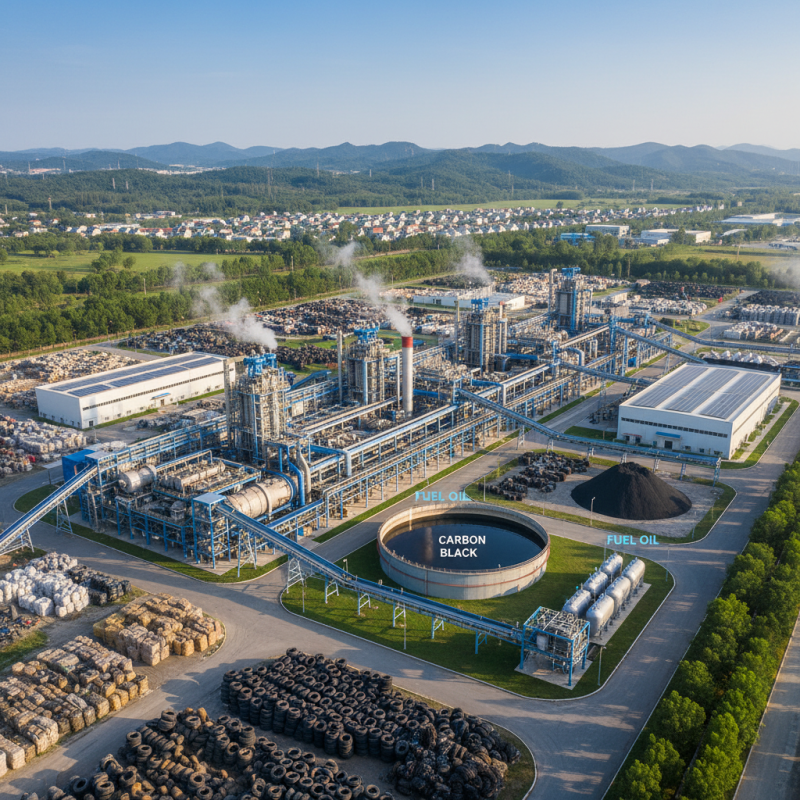
This technology efficiently converts organic materials into valuable byproducts, such as fuel oil, carbon black, and gas. A Fully Automatic Pyrolysis Plant can process a wide range of feedstocks, including plastics and agricultural waste. The automated nature of these plants enhances reliability, reducing the need for constant human intervention. However, challenges remain in maximizing efficiency and ensuring compliance with environmental standards.

As industries adopt this technology, the potential for environmental impact cannot be underestimated. While the benefits are clear, achieving operational excellence will require ongoing innovation and rigorous regulatory adherence. The development of Fully Automatic Pyrolysis Plants is still evolving, and careful consideration of their lifecycle impacts will be crucial in making this technology a staple in sustainable waste management.
What is a Fully Automatic Pyrolysis Plant and How Does It Work?

Understanding Fully Automatic Pyrolysis Plants and Their Features

A fully automatic pyrolysis plant is an advanced system designed for converting waste materials into useful products. This process uses thermal decomposition in an oxygen-free environment. Waste tires, plastics, and biomass are common inputs. The technology is efficient, transforming waste into oil, gas, and char. These outputs can serve as fuels or raw materials for other processes.

One of the most significant features of fully automatic pyrolysis plants is their automation. The control systems manage temperature, pressure, and feeding of materials, minimizing human intervention. This aspect enhances safety and operational efficiency. Moreover, the plants often include energy recovery systems, which capture and reuse heat. This reduces overall energy consumption, making the process more sustainable.

While these plants offer numerous benefits, challenges remain. The initial investment can be high. Operational staff must be trained to handle the technical aspects. Maintenance is crucial to ensure consistent performance. Despite these concerns, the potential for waste reduction and resource recovery makes fully automatic pyrolysis plants a valuable solution for modern waste management. Continuous improvement is necessary to address these hurdles effectively.

The Basic Principles of Pyrolysis in Waste Management Technologies

Pyrolysis is a process that transforms waste into valuable resources. It involves heating organic material in an oxygen-free environment. The high temperature breaks down waste into gas, oil, and char. This reaction effectively reduces the volume of waste while producing renewable energy sources. The byproducts can be reused, leading to a circular economy.

Fully automatic pyrolysis plants enhance this process significantly. They use advanced controls to maintain optimal conditions. These plants require minimal human intervention, which increases efficiency. However, reliance on technology can pose challenges. Malfunctions in the system may lead to unexpected downtime. Regular maintenance becomes crucial to ensure smooth operations.

Moreover, while the process is efficient, it is not without its environmental concerns. Emissions from pyrolysis might contain pollutants. Therefore, proper gas treatment is essential. Implementing stringent monitoring systems can help mitigate these risks. As the industry evolves, balancing efficiency and environmental impact remains a key focus for further improvements.

Key Components of a Fully Automatic Pyrolysis Plant Explained

A fully automatic pyrolysis plant is a sophisticated system designed for converting organic materials into useful products. Understanding its key components helps to appreciate how these systems work efficiently.

One crucial component is the reactor. The reactor heats raw materials in an anaerobic environment. This heating process breaks down the materials, producing gas, oil, and char. The temperature and time must be carefully controlled. Inadequate settings may lead to subpar outputs. Monitoring this process is essential for optimal performance.

Another important part is the gas cleaning system. It ensures that the produced gases are purified before utilization. Without proper cleaning, contaminants could harm equipment downstream. This system involves filters and scrubbers that remove unwanted substances. Incomplete purification can lead to equipment failures, indicating the need for regular maintenance and checks. Both the reactor and gas cleaning systems showcase the complexity and interdependence of components in a fully automatic pyrolysis plant, highlighting the balance between efficiency and potential challenges.

Step-by-Step Process of How a Fully Automatic Pyrolysis Plant Operates

A fully automatic pyrolysis plant is an advanced system designed to convert organic materials into valuable resources. This process is facilitated by thermal decomposition at high temperatures, typically in the absence of oxygen. As the materials are subjected to heat, they break down and form oil, gas, and char. Understanding its step-by-step operation sheds light on its efficiency and complexity.

Initially, raw materials are fed into the reactor through an automated feeding system. This ensures a consistent supply, which is crucial for maintaining optimal operating conditions. The heating process follows, where the temperature is carefully controlled to manage the breakdown of materials. During this phase, volatile compounds are released, and the plant captures these gases for further processing.

Once the pyrolysis is complete, the resulting products undergo cooling and condensing. The oil is collected, and the remaining solid char can be processed for various applications. While the process seems straightforward, monitoring is essential to prevent operational hiccups. Even small fluctuations can lead to inefficiencies. Continuous feedback loops are critical for refining the operation, ensuring maximum yield from the raw inputs. It’s important to evaluate every aspect regularly to adapt to evolving technologies and optimize performance.

Applications and Benefits of Utilizing Fully Automatic Pyrolysis Plants

Fully automatic pyrolysis plants offer innovative solutions for waste management. They convert organic materials into valuable resources like biofuel, carbon black, and oil. Industries increasingly rely on these systems for efficient processing of various feedstocks, including tires, plastics, and agricultural waste.

One significant advantage is their ability to minimize environmental impact. By reducing landfill waste and lowering greenhouse gas emissions, these plants contribute positively to sustainability goals. Additionally, they transform waste into reusable products, creating a circular economy. This capability enhances energy security and reduces reliance on fossil fuels.

Tip: Regular maintenance is vital for optimal performance. Schedule periodic checks to prevent unexpected downtime.

The flexibility of fully automatic pyrolysis plants is notable. They can operate in diverse settings, from small enterprises to large industrial facilities. However, challenges can arise with feedstock variations. Operators must be prepared to adjust parameters for consistent output quality.

Tip: Collect data on feedstock characteristics. This practice helps to fine-tune operational strategies.

Investing in a fully automatic pyrolysis plant can be complex. Understanding these systems requires research and expertise. Emphasizing employee training ensures safe and effective operation.

FAQS

: What is a fully automatic pyrolysis plant?

: It converts waste materials into useful products using thermal decomposition in an oxygen-free environment.

What materials can be processed in these plants?

Common inputs include waste tires, plastics, and biomass.

How does automation benefit pyrolysis plants?

Automated systems manage temperature and material feeding, enhancing safety and efficiency during operations.

What products are generated from pyrolysis?

The process generates oil, gas, and char, which can be used as fuels or raw materials.

What are the main challenges of operating a pyrolysis plant?

Initial investment is high, and ongoing training and maintenance are necessary for effective operation.

Why is regular maintenance crucial for pyrolysis plants?

It prevents unexpected downtime and ensures consistent performance over time.

How does the process improve sustainability?

It reduces landfill waste and lowers greenhouse gas emissions, supporting a circular economy.

Can these plants handle variable feedstocks?

Yes, but operators must adjust parameters to maintain output quality with different materials.

What initial steps are involved in the pyrolysis process?

Raw materials are fed into the reactor through an automated system to ensure a consistent supply.

Why is monitoring important during operations?

Small fluctuations in the process can lead to inefficiencies, so continuous feedback is essential.

Conclusion

A Fully Automatic Pyrolysis Plant is a sophisticated waste management technology designed to convert various types of waste materials into valuable resources. By employing the basic principles of pyrolysis, which involves thermally decomposing organic material in the absence of oxygen, these plants efficiently break down waste into oil, gas, and char. The key components include a reactor, feedstock system, and condenser, all of which work seamlessly to enhance operational efficiency.

The step-by-step process of a Fully Automatic Pyrolysis Plant begins with feeding waste into the reactor, where it undergoes thermal processing. The resultant products can be utilized in various applications, such as energy generation and recycling, significantly contributing to environmental sustainability. Overall, Fully Automatic Pyrolysis Plants offer an innovative solution for managing waste while providing economic and ecological benefits.


Madeline

Madeline

Madeline is a dedicated marketing professional with a wealth of expertise in our company's core offerings. With a keen understanding of the industry, she brings a unique perspective to her role, consistently delivering high-quality content that highlights the superior aspects of our products. As......