A Fully Electric Continuous Pyrolysis Plant uses electrical energy to heat a sealed reactor continuously. It converts suitable waste streams into gas, liquid products, and solid carbon-rich material. Unlike batch systems, it supports steady feeding, processing, and discharge. That distinction matters.
The United Nations Environment Programme’s Global Waste Management Outlook 2024 estimates that municipal solid waste could reach 3.8 billion tonnes annually by 2050. This pressure is encouraging industries to examine controlled thermal conversion. Meanwhile, the International Energy Agency’s Electricity 2024 report highlights continuing growth in global electricity demand and stronger attention to power-system emissions. These findings make electric process heating more relevant, but they do not guarantee low-carbon operation.
The real advantage depends on design and energy sourcing. A well-engineered plant may use electric heaters, insulated reactors, condensers, gas treatment equipment, and automated temperature controls. Operators can monitor feed moisture, residence time, pressure, and product quality from a control room. Small details matter. Poor insulation wastes power. Wet feed reduces efficiency. An unstable feedstock can disrupt continuous operation.
“Fully electric” also needs careful interpretation. It describes the reactor’s heat source, not the entire plant’s environmental footprint. Electricity generated from coal can change the emissions profile significantly. The European Environment Agency repeatedly emphasizes lifecycle thinking when evaluating energy and waste technologies. Therefore, this article examines equipment structure, operating principles, energy demand, emissions accounting, safety controls, and practical limitations. Some performance claims remain site-specific. More transparent reporting is still needed.
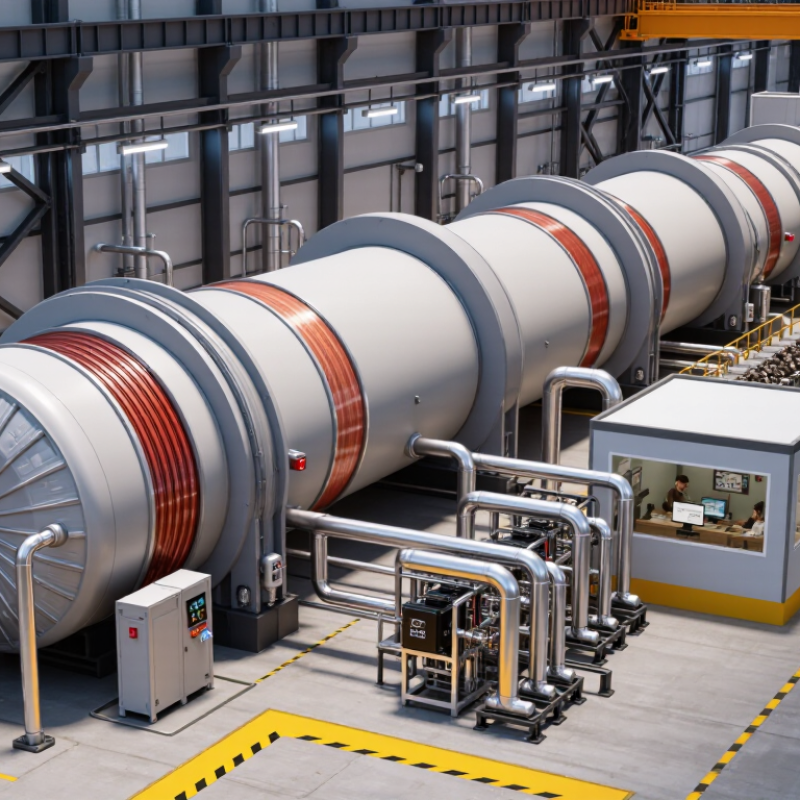
A fully electric continuous pyrolysis plant uses electrical energy to heat material inside a low-oxygen reactor. Heat breaks the feedstock into gas, liquid vapors, and solid char. Unlike a batch system, it moves material through the reactor and discharges processed solids during operation.
Continuous does not mean maintenance-free or nonstop under every condition.
Core features often include electric heating elements, a sealed reactor, controlled feeding and discharge, temperature sensors, and vapor-handling equipment. Operators monitor heat, feed rate, and pressure to keep conditions stable.
The exact layout depends on the feedstock and desired products. Uneven particle sizes or moisture can affect performance. Even a well-designed system has limits.
Tips: Check that the feedstock is prepared consistently, and confirm that sensors are calibrated. Look for clear operating and maintenance instructions. Small details matter. “Fully electric” usually describes the main heating approach, but auxiliary equipment can vary by design. Review the equipment specifications rather than assuming every component runs on electricity.
What Is a Fully Electric Continuous Pyrolysis Plant?
A fully electric continuous pyrolysis plant converts prepared feedstock under oxygen-limited conditions. Electricity supplies heat instead of direct fuel combustion. In practice, “fully electric” usually refers to the reactor, drives, controls, and related heating systems. The process still depends on careful material preparation.
The process begins with screening and size reduction. Moisture must remain within a controlled range. Too much water consumes heat and changes vapor quality. A feeder moves the material steadily into a sealed reactor. Inside, electric heaters raise the temperature gradually while screws or paddles transport the solids. Oxygen stays very low. This prevents ordinary burning.
Heat breaks complex organic compounds into vapors, permanent gases, and solid carbon-rich residue. Hot vapors leave the reactor and enter condensers. Cooling separates heavier liquid fractions from lighter gases. Some non-condensable gas may support later process heating, after suitable cleaning and safety checks. The remaining char exits through a cooled discharge system.
Small details matter. A blocked feeder can disturb pressure within minutes. A sudden moisture spike can lower output and increase energy demand. Operators therefore watch temperature zones, pressure, motor load, and gas composition continuously. Sensors help, but they do not replace maintenance or trained judgment. The process is efficient when feedstock is consistent, yet real materials rarely behave perfectly. That limitation deserves honest attention during plant design and operation.
This chart shows representative temperature setpoints across a continuous pyrolysis system. Feedstock is dried and heated before entering the oxygen-limited pyrolysis reactor, where organic material typically decomposes between 400°C and 600°C. Electric heating supplies process heat directly, while vapors are condensed into liquid products and non-condensable gas may be recycled as process fuel.
A fully electric continuous pyrolysis plant converts prepared feedstock in a controlled, oxygen-limited reactor. Unlike batch equipment, it moves material steadily through each processing stage. The flow usually begins with a receiving hopper, magnetic separator, screening unit, and metering screw. These devices remove unwanted metals and regulate feed speed. A pre-dryer then reduces moisture before the material enters the reactor.
Inside the reactor, electric heating elements raise the temperature without direct combustion. Temperature sensors track several heating zones independently. The material slowly decomposes and produces solid char, condensable vapors, and non-condensable gas. A sealed screw conveyor discharges char into a cooled collection system. Vapors pass through cyclones, filters, and condensers. The condensers cool the vapor into liquid fractions, while remaining gas may support internal heating after cleaning.
This arrangement can reduce local combustion emissions, but electricity still has an environmental cost. The International Energy Agency reported that industry used about 37% of global final energy in Energy Technology Perspectives 2024. Therefore, the plant’s carbon performance depends strongly on the electricity source. IPCC assessments also stress that grid carbon intensity varies widely between regions.
Real operation is less tidy than a process diagram. Wet feedstock can overload the dryer. Uneven particle sizes may create hot spots. Some gas may fail to meet heating requirements. Engineers must verify residence time, pressure control, energy balance, and product quality with continuous measurements. A small design weakness can disturb the entire material flow.
What Is a Fully Electric Continuous Pyrolysis Plant?
Electric Heating, Temperature Control, and Energy Efficiency
A fully electric continuous pyrolysis plant uses electrical power to heat a reactor without direct fuel combustion. Feedstock moves through the reactor while controlled heat breaks it down in a low-oxygen environment. Electric heating can provide cleaner working conditions around the equipment. It also allows operators to adjust heat quickly when feedstock moisture or particle size changes.
Temperature control is central to stable operation. Independent heating zones can maintain different temperatures along the reactor length. Thermocouples measure actual conditions, while control systems adjust power output automatically. Good insulation reduces heat loss through the reactor shell, ducts, and discharge areas. Small leaks still matter. A poorly sealed access door can waste energy and create uneven heating.
Energy efficiency depends on more than the heater itself. Dry, consistent feedstock usually requires less energy than wet or mixed material. Heat recovery from hot gas or solid residue may preheat incoming material. Variable-speed motors can also reduce electricity use during lower-throughput periods. In practice, sensors may drift, insulation may degrade, and temperature readings may not represent every internal zone. Regular calibration and inspection are essential. The system is not automatically efficient simply because it is electric. Its overall performance also depends on the electricity source, operating schedule, maintenance quality, and actual material characteristics.
A fully electric continuous pyrolysis plant converts prepared feedstock without direct fuel combustion. Electric heaters supply process heat inside the reactor. The system can process plastic waste, biomass residues, or end-of-life tires under oxygen-limited conditions. Continuous feeding allows steady material flow, while vapors move toward condensation and gas treatment units. The World Bank’s What a Waste 2.0 report estimates global municipal waste reached 2.24 billion tonnes in 2020. That scale creates a clear application for controlled thermal conversion.
The benefits are practical, not magical. Electric heating can improve temperature control and reduce onsite combustion pollutants. When powered by low-carbon electricity, it may also lower operational emissions. The IEA reported that renewables supplied about 30% of global electricity generation in 2023. However, the plant’s climate performance still depends on its electricity source, feedstock preparation, and product use. The OECD reported 353 million tonnes of plastic waste in 2019. Pyrolysis may recover value from selected streams, but contaminated or mixed materials can reduce oil quality and increase treatment requirements.
Operational discipline matters. Feedstock should be screened, sized, and dried before entering the reactor. Moisture consumes energy. Chlorine, metals, and unstable particles can damage equipment or complicate emissions control. Operators need continuous monitoring of temperature, pressure, oxygen ingress, gas composition, and heater performance. Backup power is important because cooling failures can create serious thermal stress. The uncomfortable point is simple: electric heating is cleaner only when the whole system is designed well. It is not automatically zero-carbon. хәрби
It uses electrical energy to heat prepared material in a low-oxygen reactor. Material moves through the system as vapors, gas, and solid char form. Continuous operation still requires maintenance.
Depending on the design, they may process selected plastics, biomass residues, or used tires. Feedstock quality matters. Mixed or contaminated material can lower product quality.
Sensors measure conditions, and control systems adjust heater output. Some reactors use separate heating zones along their length. Readings can drift, so calibration matters.
No. Dry, consistently sized feedstock generally needs less energy than wet or uneven material. Insulation and heat recovery can help, but maintenance affects results.
It should be screened, sized, and dried before entering the reactor. Moisture uses extra energy. Small particles and large chunks may behave differently.
Operators should check temperature, pressure, oxygen ingress, gas composition, and heater performance. They should also inspect seals and insulation. Small leaks matter.
Electric heating avoids direct fuel combustion in the reactor. Its overall emissions still depend on the electricity source and how products are used. Not automatically zero-carbon.
A power interruption can disrupt heating and cooling. Reliable backup helps protect equipment from thermal stress. I may be simplifying this; operating plans still need site-specific review.
A Fully Electric Continuous Pyrolysis Plant is a system that uses electric energy to heat organic feedstock in a controlled, oxygen-limited environment, converting it into useful outputs such as liquid, gas, and solid products. Unlike batch equipment, it is designed for a steady flow of material. Its main sections typically include feed preparation and delivery, a sealed heating reactor, vapor handling and cooling equipment, and systems for collecting products and managing residues.
During operation, feedstock moves continuously through the reactor as electric heaters bring it to the required temperature. Sensors and control systems monitor heat and material flow to support stable operation and help reduce unnecessary energy use. Potential applications depend on the feedstock and the intended products. Key considerations include material consistency, safe handling, maintenance, emissions controls, and the energy required for heating. Careful system design and operation can improve process reliability and resource efficiency.

Huayuan