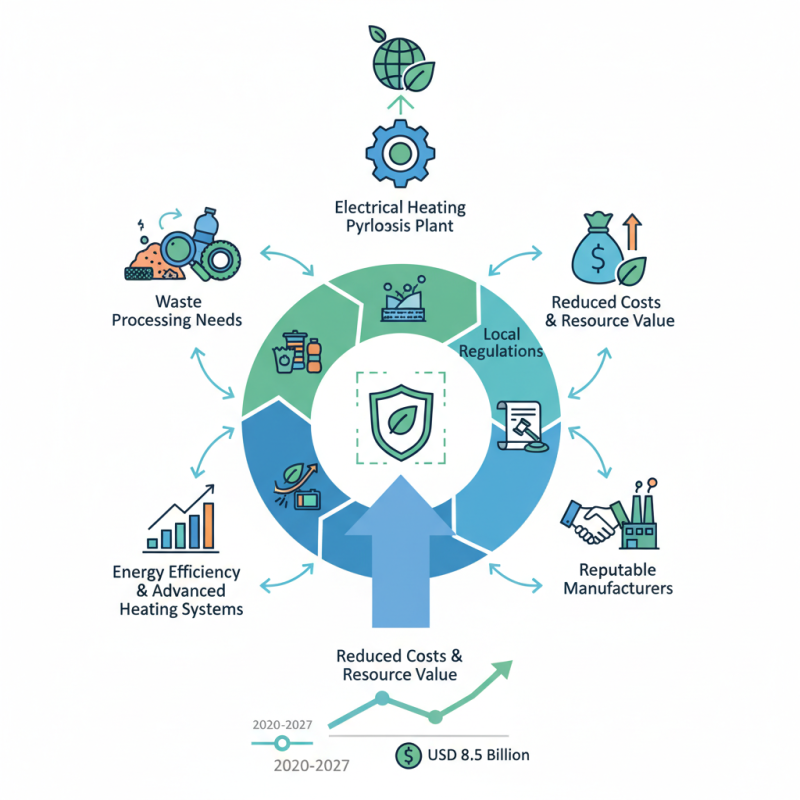
The demand for sustainable waste management solutions has propelled the growth of the Electrical Heating Pyrolysis Plant sector. According to recent industry reports, the global pyrolysis market is projected to reach USD 8.5 billion by 2027, reflecting a compound annual growth rate (CAGR) of 10.6% between 2020 and 2027. This growth highlights the increasing importance of innovative technologies in processing waste into valuable resources.
When selecting an Electrical Heating Pyrolysis Plant, a well-informed decision is crucial. The performance and efficiency of these plants can significantly impact operational costs and environmental benefits. For instance, studies demonstrate that plants equipped with advanced electrical heating systems improve energy efficiency by up to 30%. This metric alone emphasizes the importance of choosing the right technology.
However, navigating the complexities of various technologies and suppliers can be daunting. Potential buyers should reflect on their waste processing needs and local regulations. Partnering with reputable manufacturers ensures access to comprehensive support, ultimately leading to more effective waste management and environmental stewardship. A thoughtful approach to selection provides long-term advantages while minimizing potential operational pitfalls.
When choosing an electrical heating pyrolysis plant, understanding the different types available is crucial. Each type has unique features that can impact performance. Some models are better suited for specific materials while others offer higher efficiency rates. The right choice can significantly affect your operational success and profit margins.
Consider the technology used in the plant. Advanced models may include features for automated control and monitoring. This can reduce labor costs and enhance safety. Additionally, check the energy consumption of the plant. Efficiency in energy usage not only minimizes costs but also supports environmental sustainability.
Evaluate your production needs as well. A small-scale facility might not require the same capacity as a large one. Overestimating can lead to unnecessary expenses. On the other hand, underestimating may hinder your potential output. It’s essential to reflect on these aspects carefully before making a decision.
When evaluating the capacity and scale of an electrical heating pyrolysis plant, it's essential to consider various factors. The ideal capacity should align with your operational needs. A report from the International Renewable Energy Agency (IRENA) indicates that pyrolysis plants should have a minimum capacity of 1 ton per hour for efficiency. Smaller plants may not yield economical results and can be less viable.
Another crucial aspect is scalability. Flexibility to expand operations can benefit growth. Research suggests that plants designed for modular upgrades can be 20% more efficient in addressing future demands. This adaptability often involves assessing available space and potential market growth in your area. A plant that’s too small may miss opportunities, while one that is oversized can lead to unnecessary costs.
Investing time in understanding the local regulations around waste processing also impacts decision-making. The environmental standards can affect how a plant operates and its overall capacity. Misjudging these elements can lead to critical operational challenges. Engaging with industry experts can refine your approach and help avoid pitfalls.
When selecting an electrical heating pyrolysis plant, energy efficiency is crucial. A highly efficient plant reduces operational costs and minimizes environmental impact. Look for systems that maximize heat recovery. This feature allows better use of energy, thus saving on electricity bills. Efficient designs often include insulation packages that enhance thermal retention.
Cost of operation ties closely to energy efficiency. Analyze energy consumption patterns before making a decision. Compare projected costs with different plants to determine value. Sometimes, higher upfront costs lead to significant savings later. Remember to consider maintenance requirements too. A plant that is difficult or expensive to maintain can negate financial benefits.
Engaging with professionals in the field can provide insights. Their experience will help you understand the long-term implications of your choice. Don’t rush the decision-making process. Reflect on your specific needs and operational goals. This careful approach ensures you choose a plant that meets your energy efficiency targets while remaining cost-effective.
When selecting an electrical heating pyrolysis plant, safety features must be a top priority. Comprehensive risk assessments help identify potential hazards. Look for plants equipped with advanced safety mechanisms, such as overload protection and automatic shut-off controls. These features minimize risks during operation.
Compliance with local and international regulations is essential. Each region may have varying standards for emissions and waste management. Research these guidelines thoroughly. Ensuring that a plant adheres to these regulations protects both the environment and your investment. Certification from reputable standards organizations can enhance credibility.
It’s vital to examine the plant's design for operational safety. Some designs may appear efficient, yet they lack proper ventilation. This can lead to hazardous working conditions. Observing existing installations may reveal practical insights. Engage with operators to understand their experiences. Their feedback on operational challenges can inform better decision-making.
When selecting an electrical heating pyrolysis plant, the reputation of the manufacturer is crucial. A solid reputation often indicates reliability and quality. According to a recent industry report, 75% of operators emphasized that manufacturer support significantly affected their operational efficiency. Look for manufacturers that have proven track records in the pyrolysis sector. Explore online reviews and user testimonials. Engaging with current users can provide insights into the manufacturer's responsiveness and product durability.
Support services are equally important. A manufacturer should offer comprehensive after-sales support. This includes timely maintenance and accessible technical assistance. A survey highlighted that 60% of operators faced operational challenges due to inadequate support. Inquire about training programs for staff as well. Well-prepared teams can optimize pyrolysis processes. Additionally, manufacturers who actively share updates on technology and procedures exhibit a strong commitment to their clients. Choosing a manufacturer with solid support services can enhance the longevity and performance of your pyrolysis plant.
: Assess the types available. Each type has unique features and efficiency rates.
Advanced technology can enhance automation, safety, and reduce labor costs.
Efficient energy usage minimizes costs and supports sustainability efforts.
Reflect on your output requirements carefully. Avoid overestimating or underestimating capacity.
Look for advanced safety mechanisms like overload protection and automatic shut-off controls.
Compliance protects the environment and your investment. Different regions have different standards.
Ensure proper ventilation in the design to avoid hazardous conditions.
Engage with current operators. Their feedback on challenges can be valuable.
Skipping safety assessments could lead to increased risks during operation.
Yes, certification enhances credibility and assures compliance with standards.
When selecting an Electrical Heating Pyrolysis Plant, it is crucial to understand the different types available and their specific features. Begin by evaluating the capacity and scale of the plant to ensure it meets your operational needs. Consider the energy efficiency and overall cost of operation, as these factors will significantly impact your long-term profitability.
Additionally, ensure that the plant incorporates robust safety features and complies with all relevant regulations to minimize risks. Lastly, researching the manufacturer's reputation and the support services they offer will help ensure that you choose a reliable partner for your investment. By carefully considering these aspects, you can make an informed decision when investing in an Electrical Heating Pyrolysis Plant.

Huayuan