7 Best Suppliers of Electric Pyrolysis Plants?

Time:2026-09-06 Author:Sienna
0%

Choosing a Supplier Of Electric Pyrolysis Plant requires more than comparing advertised capacity. A reliable shortlist should examine engineering experience, feedstock compatibility, electrical consumption, emissions controls, maintenance access, and proven operating results. A polished brochure cannot reveal how a reactor performs after months of continuous use.

Professor Antoni V. Bridgwater, a recognized pyrolysis authority, described fast pyrolysis as “a process in which organic materials are rapidly heated to 450–600°C in the absence of air.” This principle still matters when evaluating modern electric systems. Heating uniformity affects product consistency. Temperature control affects energy efficiency. Small design differences can influence uptime, safety, and operating costs.

This guide reviews seven widely discussed suppliers and the practical strengths behind their technologies. Some may offer modular equipment, while others focus on larger industrial installations. Their experience with tires, plastics, biomass, or mixed feedstocks may differ considerably. That difference matters.

Look beyond impressive output figures. Ask for reference plants, independent test data, warranty terms, spare-parts plans, and realistic energy balances. Confirm how the supplier manages insulation, sensors, automation, and emergency shutdowns. Local service capability also deserves attention.

No shortlist is perfect. Supplier claims can be difficult to compare, especially when testing conditions vary. Buyers should challenge unclear figures and request evidence. The best choice is rarely the cheapest machine. It is the system that fits the feedstock, site conditions, staffing level, and long-term environmental requirements.
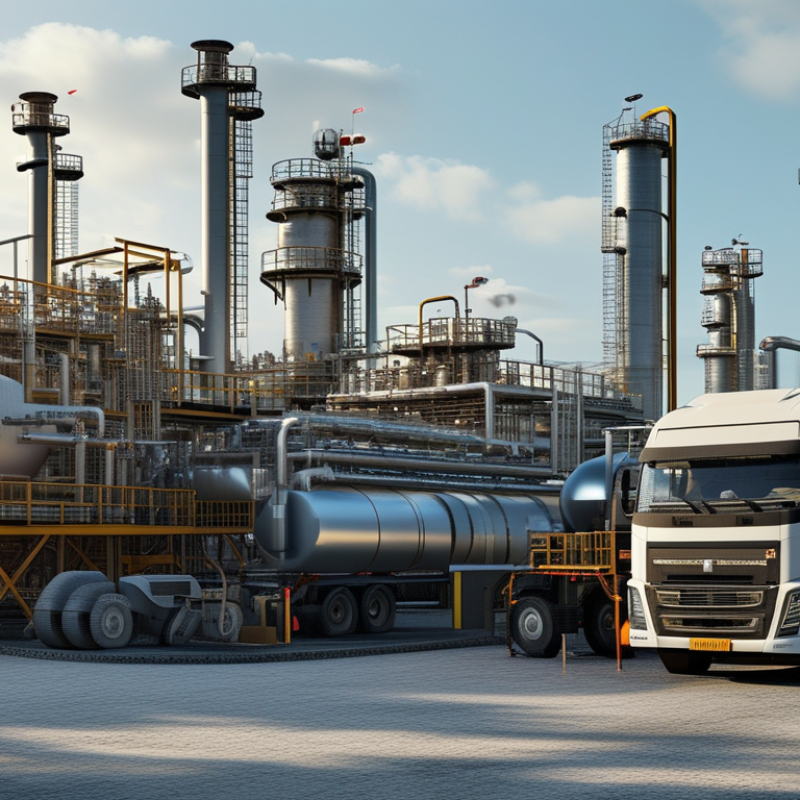
7 Best Suppliers of Electric Pyrolysis Plants?

What Are Electric Pyrolysis Plants and How Do They Work?

Electric pyrolysis plants convert carbon-rich materials into useful products without burning them directly. The process occurs inside a sealed reactor with very little oxygen. Instead of flames, electric heaters raise the material to a controlled temperature. This prevents ordinary combustion and supports thermal decomposition.

A typical plant includes a feeding system, electric heating chamber, vapor condenser, gas cleaning unit, and control panel. The feedstock may include biomass, certain industrial residues, or other approved carbon-based materials. As the material heats, it can produce solid char, condensable oil, and non-condensable gas. The exact output depends on moisture, particle size, reactor design, and temperature. Small details matter.

Operators must monitor temperature evenly across the reactor. Cold zones can reduce conversion, while excessive heat may damage equipment or change product quality. Sensors, pressure controls, and emergency shutdown systems support safer operation. However, automation is not a substitute for trained supervision. A practical supplier should provide performance data, maintenance procedures, operator training, and realistic energy calculations. Claims based only on laboratory results deserve careful review. In field use, feedstock often varies more than expected. That weakness should be tested before purchase. Supplier evaluation should also include electrical safety certification, emissions controls, spare-parts availability, and local technical support.

Key Criteria for Evaluating Electric Pyrolysis Plant Suppliers

Choosing among the seven best suppliers of electric pyrolysis plants requires more than comparing advertised capacity. Examine the reactor design, electrical demand, heating uniformity, and expected feedstock range. A reliable supplier should provide test data for your actual material, not only laboratory samples. Ask for evidence on throughput, product consistency, emissions control, and energy recovery. These details reveal practical engineering competence.

Visit an operating facility if possible. Watch the control room, material feeding system, and maintenance areas. Ask how quickly technicians respond to faults and how spare parts are stocked. Review installation timelines, operator training, warranties, and commissioning records. Independent testing can verify temperature stability, power consumption, and output quality. A low purchase price may hide expensive electrical upgrades or frequent cleaning. No scorecard is perfect. Your assumptions may still be wrong.

Tips: Request a written performance guarantee with clear testing conditions. Compare total lifecycle cost, including electricity, labor, maintenance, and downtime. Check whether the supplier can adapt controls after real production begins. Ask for references using similar feedstock and capacity. Inspect safety documentation carefully, including emergency shutdowns, insulation, fire protection, and electrical compliance. Choose transparent communication over impressive promises.

Key Criteria for Evaluating Electric Pyrolysis Plant Suppliers

This neutral screening framework assigns a 100% evaluation weight across the main factors used when comparing electric pyrolysis plant suppliers. Process performance and electrical integration receive the highest weighting because they directly affect output quality, energy use, operating stability, and plant compatibility. The chart presents evaluation priorities rather than scores for any specific company or brand.

Seven Leading Suppliers of Electric Pyrolysis Plants

7 Best Suppliers of Electric Pyrolysis Plants?

Seven leading suppliers of electric pyrolysis plants stand out through different strengths. Industrial engineering integrators often deliver complete systems, including reactors, conveyors, controls, and gas cleaning. Modular plant suppliers suit companies with limited site space or phased investment plans. Electrification specialists focus on resistance heating, precise temperature control, and lower dependence on combustion-based heat. Their designs can improve operating consistency, especially when feedstock moisture changes.

Waste-processing equipment manufacturers usually understand shredding, drying, feeding, and residue handling. Thermal technology developers may offer advanced reactors for biomass, approved waste oils, or other permitted feedstocks. EPC contractors coordinate civil works, utilities, installation, commissioning, and operator training. Research-to-commercial suppliers can provide pilot units before larger deployment. This step is valuable when real feedstock behavior remains uncertain. Small tests reveal problems early.

A reliable supplier should provide measured data, not only attractive production estimates. Ask for energy consumption, uptime records, maintenance intervals, emission controls, and product quality results. Check whether the plant can handle your actual feedstock size and moisture level. Safety documentation and local permitting support also matter. No supplier gets everything right. A polished demonstration may still hide difficult cleaning work or unstable feeding. Independent references, factory inspections, and performance guarantees help reduce that risk. The best choice is rarely the cheapest quotation.

Comparing Technologies, Capacities, Costs, and Support Services

7 Best Suppliers of Electric Pyrolysis Plants: Comparing Technologies, Capacities, Costs, and Support Services

A practical comparison of seven suppliers should begin with reactor technology, not advertising claims. Electric heating can offer precise temperature control and lower local emissions. Resistive systems are usually simpler to maintain. Induction and microwave designs may heat materials faster, but they can require specialized technicians. Reactor choice should match feedstock moisture, particle size, and contamination levels. No comparison is perfect.

Capacity figures often need careful checking. A plant rated at 20 tonnes daily may achieve less with wet or inconsistent feedstock. Ask for verified output data from similar installations. Review heating efficiency, residence time, gas treatment, and oil or char quality. A transparent supplier should provide performance assumptions, utility requirements, and downtime records. Small modular units may reduce project risk. Larger systems can lower processing costs per tonne, but they demand stronger infrastructure and reliable material supply.

Capital cost is only one part of the decision. Include electrical upgrades, installation, spare parts, operator training, permits, and maintenance labor. Support services can separate a dependable supplier from a merely inexpensive one. Look for commissioning engineers, remote monitoring, response times, and documented safety procedures. Request references from operating sites, not only recent sales. I would also test the contract carefully. Promised capacity, energy use, and warranty limits should be measurable. Some offers still leave too much responsibility with the buyer.

7 Best Suppliers of Electric Pyrolysis Plants? - Comparing Technologies, Capacities, Costs, and Support Services

Supplier Profile Primary Technology Typical Feedstock Typical Capacity Operating Temperature Heating Method Indicative Equipment Cost* Energy-Recovery Options Automation Level Support Services Best Fit
Supplier 1 — Continuous Modular Systems Continuous rotary or screw-reactor pyrolysis Waste tires, plastics, biomass 5–20 t/day per line 400–650°C Indirect electric heating US$0.8–3.0 million Non-condensable gas recirculation; heat exchangers PLC-based automatic control Engineering, installation, commissioning, operator training Medium-scale continuous production
Supplier 2 — Batch Retort Specialists Batch retort pyrolysis Waste tires, rubber, mixed plastics 3–10 t/batch 350–550°C Electric resistance heating US$0.4–1.5 million Fuel-gas reuse; basic thermal-oil recovery Semi-automatic to automatic Remote technical guidance, spare parts, commissioning Lower-capital projects and flexible feedstocks
Supplier 3 — Electric Screw-Reactor Integrators Electrically heated auger or screw reactor Biomass, RDF, plastics 1–15 t/hour 450–750°C Electric band or cartridge heaters US$1.0–5.0 million Gas recirculation; integrated vapor condensation Advanced PLC/SCADA Process design, factory testing, performance support High-throughput biomass and waste conversion
Supplier 4 — Fluidized-Bed Technology Providers Electrically heated fluidized-bed reactor Uniform biomass particles, RDF-derived feedstock 0.5–10 t/hour 450–700°C Electric heaters integrated with circulating media US$2.0–8.0 million High-efficiency gas and vapor heat recovery Advanced process control Feedstock testing, pilot trials, optimization, maintenance Large projects requiring rapid heat transfer
Supplier 5 — Vacuum Pyrolysis Developers Vacuum or low-pressure pyrolysis Biomass, agricultural residues, selected plastics 0.2–5 t/hour 350–600°C Electric external heating US$1.5–6.0 million Condensation trains; vacuum-system heat integration Automatic pressure and temperature control Pilot testing, process licensing, commissioning support Higher-value bio-oil and controlled product quality
Supplier 6 — Microwave-Assisted Systems Microwave-assisted pyrolysis Biomass, sewage sludge, selected organic wastes 0.05–2 t/hour 350–700°C Microwave electromagnetic heating US$1.0–5.0 million Gas recirculation; heat recovery from exhaust Automatic power and temperature control Feedstock characterization, pilot validation, technical training Pilot, specialty, and distributed applications
Supplier 7 — Containerized Waste-to-Product Suppliers Containerized electric pyrolysis package Waste tires, plastics, biomass 1–8 t/day per module 400–650°C Electric resistance or induction heating US$0.5–2.5 million Process-gas reuse; modular heat recovery Prewired PLC package Turnkey delivery, site assembly, remote monitoring, spare parts Small sites, decentralized processing, phased expansion
*Cost and capacity note: The figures are indicative industry ranges for equipment packages and may vary substantially with feedstock preparation, gas cleaning, condensation, emissions controls, civil works, electrical infrastructure, installation, taxes, and local compliance requirements. Supplier quotations should be verified through feedstock testing, guaranteed performance data, and a detailed scope of supply.

How to Select the Right Supplier for Your Project

Selecting the right supplier for an electric pyrolysis plant requires more than comparing equipment prices. A reliable supplier should explain feedstock limits, heating capacity, energy demand, and expected output clearly. Ask for process diagrams, test data, and references from operating facilities. Look for evidence, not polished promises.

Visit a working installation if possible. Observe material handling, temperature controls, insulation, emissions monitoring, and maintenance access. Speak with the operators, not only the sales team. Their daily experience often reveals noise, cleaning demands, spare-part delays, or unstable production. Small details matter. A supplier should also provide operator training, commissioning support, safety procedures, and responsive technical service.

Review the commercial terms carefully. Confirm what the quotation includes, such as installation, testing, software, electrical integration, and after-sales support. Request realistic performance guarantees with clear testing conditions. Feedstock moisture and particle size can change results substantially. Do not accept vague claims about efficiency. Compare lifecycle cost, not only the purchase price.

Regulatory knowledge is equally important. The supplier should understand local electrical standards, environmental permits, workplace safety, and waste-handling requirements. Check whether their documentation is complete and professionally prepared. A strong supplier welcomes technical questions and admits process limitations. That honesty is valuable. I would also keep a risk register during evaluation, because even a well-designed project can suffer from underestimated logistics, uncertain feedstock, or delayed approvals.

FAQS

: What is an electric pyrolysis plant?

: It converts carbon-rich materials into char, condensable oil, and gas without directly burning them. The reactor uses very little oxygen. Electric heaters provide controlled thermal energy.

How does the pyrolysis process work?

Feedstock enters a sealed reactor through a controlled feeding system. Electric heating raises its temperature gradually. Vapors move into a condenser, while gases receive further cleaning.

What materials can these plants process?

Suitable materials may include biomass and approved industrial carbon-based residues. Moisture, particle size, and contamination affect performance. Small details matter.

What equipment does a typical plant include?

Common equipment includes feeders, dryers, reactors, condensers, gas-cleaning units, sensors, and control panels. Emergency shutdown systems support safer operation. Maintenance access is important.

What products can electric pyrolysis produce?

The process may produce solid char, condensable oil, and non-condensable gas. Actual yields depend on temperature, feedstock quality, and residence time. Results can vary.

How should plant capacity be evaluated?

Do not rely only on the rated daily capacity. Wet or inconsistent feedstock can reduce actual throughput. Request verified data from similar operating sites.

What costs should buyers consider?

Consider equipment, electrical upgrades, installation, permits, training, spare parts, and maintenance labor. The lowest quotation may create higher operating costs later. Cheap is not always practical.

What support should a supplier provide?

A dependable supplier should provide training, commissioning, safety documents, and maintenance procedures. Remote monitoring and local technical support can reduce downtime. Ask for response times.

What safety controls are important?

Important controls include temperature sensors, pressure monitoring, gas treatment, and emergency shutdown equipment. Automation cannot replace trained supervision. People still matter.

How can buyers reduce project risks?

Test the actual feedstock before purchasing a full-scale plant. Pilot trials can reveal feeding, cleaning, and moisture problems. Laboratory results may not represent field conditions.

Conclusion

Electric pyrolysis plants use electrically heated reactors to break down organic materials in a controlled, oxygen-limited environment, producing useful outputs such as gas, liquid products, and solid carbon-rich materials. This article explains how the technology works and outlines the key factors for evaluating a Supplier Of Electric Pyrolysis Plant, including reactor design, energy efficiency, processing capacity, feedstock flexibility, automation, safety systems, emissions control, installation experience, and after-sales support.

It also introduces seven leading supplier categories without focusing on specific brand names, helping readers compare different technologies, plant sizes, investment costs, operating requirements, warranties, training, spare-parts availability, and technical services. The final section provides practical guidance for selecting the most suitable supplier based on project objectives, available feedstock, local energy conditions, budget, required production scale, environmental responsibilities, and long-term expansion plans. A careful assessment of technical performance, total ownership costs, reliability, and supplier support can significantly improve project feasibility and operational success.


Sienna

Sienna

Sienna is a skilled marketing professional with a deep expertise in our company’s core products and services. With a passion for innovation and detail, she plays a pivotal role in crafting insightful blog posts that not only highlight the unique features of our offerings but also provide valuable......