Top 10 Benefits of Continuous Waste Tyre Pyrolysis Plant?

Time:2026-06-19 Author:Charlotte
0%

The demand for sustainable waste management solutions has led to the rise of the Continuous Waste Tyre Pyrolysis Plant. Experts agree on its growing importance. Dr. Emily Marshall, a leading figure in waste management technology, states, "Investing in continuous pyrolysis technology is crucial for environmental and economic benefits."

This innovative plant converts end-of-life tires into valuable resources. Through a continuous process, it can efficiently process large volumes of waste. The end products, such as oil, carbon black, and gas, can significantly reduce landfill use. They also contribute to energy generation and raw materials for various industries.

However, the implementation of Continuous Waste Tyre Pyrolysis Plants is not without challenges. Initial investment costs can be high. There may also be environmental regulations to consider. Yet, as the world moves towards more sustainable practices, the potential advantages make overcoming these hurdles essential. Adopting this technology promises not only to enhance recycling efforts but also to foster a greener future.
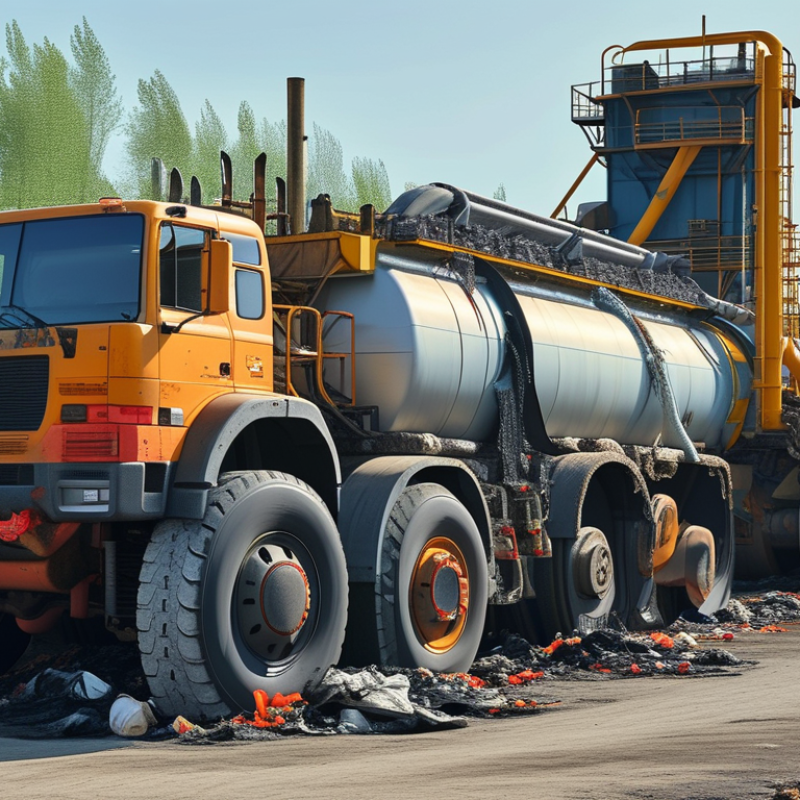
Top 10 Benefits of Continuous Waste Tyre Pyrolysis Plant?

Benefits of Continuous Waste Tyre Pyrolysis Plant for Sustainable Waste Management

The continuous waste tyre pyrolysis plant offers significant advantages for sustainable waste management. By converting waste tyres into valuable resources, it reduces landfill waste. This process generates oil, carbon black, and gas, which can be reused in various industries.

Operating a continuous plant ensures efficiency. It minimizes downtime and increases output. The constant feed of waste tyres means less time is spent loading and unloading materials. However, the initial investment might be higher than batch systems. This could be a concern for small businesses.

Tips:
Monitor local regulations on waste management. Compliance is crucial for successful operation.
Consider partnerships with local industries that may benefit from your end products. This can create a sustainable ecosystem.

Reducing harmful emissions is another crucial benefit. Advanced technology in these plants can lower harmful releases. Yet, implementation must be tailored to local environmental standards. Assessing costs versus benefits is vital for long-term viability.

Top 10 Benefits of Continuous Waste Tyre Pyrolysis Plant

Reduction of Environmental Pollution through Effective Tire Recycling

The effective recycling of waste tires through pyrolysis plants significantly reduces environmental pollution. Tires are a major waste problem globally, with about 1.5 billion tires discarded each year. According to studies, the incineration of tires can produce harmful emissions. However, pyrolysis technology transforms tires into valuable products like oil and carbon char, providing a sustainable waste management solution.

Implementing continuous waste tire pyrolysis can further maximize efficiency. Research indicates that this method can reduce greenhouse gas emissions by up to 32%. This marks a significant step towards cleaner air and a healthier environment. Furthermore, by recycling tires, we conserve natural resources and reduce landfill space.

Tips: Always ensure you choose a pyrolysis plant that meets industry standards. Look for certifications and environmental compliance frameworks. Regular maintenance of the plant enhances operational efficiency and reduces potential risks. Investing in high-quality equipment may yield long-term benefits and improve output quality.

Cost-Effectiveness of Continuous Pyrolysis Process Compared to Traditional Methods

The continuous pyrolysis process offers remarkable cost-effectiveness, especially when compared to traditional waste tyre disposal methods. Traditional practices, like landfilling and incineration, often lead to significant operational costs. In contrast, continuous tyre pyrolysis plants can convert waste into valuable resources efficiently.

Research shows that operational costs can drop by up to 30% with continuous pyrolysis technology. This is primarily due to reduced energy consumption and minimal labor requirements. Efficient thermal reactions occur, maximizing the extraction of oil, carbon black, and gas. These outputs can then be repurposed, dramatically improving the profitability of recycling waste tyres.

Tip: Monitor your feedstock quality for optimal results. Variations in tyre composition can affect the pyrolysis outputs. Regularly conducting quality checks helps maintain efficiency.

The long-term savings in waste management cannot be ignored. According to industry reports, continuous pyrolysis can significantly lower landfill disposal fees, which can compound over time. Businesses benefit from a cleaner environment while enjoying predictable waste processing costs.

Tip: Invest in staff training. Proper understanding of pyrolysis operations enhances productivity and safety. Trained personnel can troubleshoot issues effectively, which is crucial for maintaining plant efficiency.

High Energy Recovery Rates from Waste Tires Using Pyrolysis Technology

The pyrolysis process for waste tires stands out for its impressive energy recovery rates. Extracting valuable byproducts from discarded tires can yield up to 80% energy efficiency. A recent industry report indicates that a continuous pyrolysis plant can generate around 500 liters of oil per ton of waste tires processed. This energy-dense oil can meet various industrial demands, making it a reliable alternative energy source.

Moreover, the production of carbon black through pyrolysis adds to the economic viability. Studies show that it can replace traditional carbon black in several applications. This creates a dual benefit: reducing waste and generating valuable materials. However, the inconsistency of tire compositions can affect the quality of outputs. Operating under varying feedstock qualities may pose challenges for manufacturers, urging the need for continuous improvements in process technology.

While the technology offers tremendous potential, it still faces hurdles. Regulatory concerns regarding emissions can complicate operations. Ensuring compliance with environmental standards is critical. Each stage of the pyrolysis process requires careful monitoring. Despite these challenges, the journey toward higher efficiency and sustainability remains a compelling prospect in waste management.

Creating Valuable By-Products: Oil, Carbon Black, and Steel from Tyres

The continuous waste tyre pyrolysis plant offers significant environmental and economic benefits. By processing scrap tyres, this technology transforms waste into valuable by-products. The most notable outputs are oil, carbon black, and steel. According to industry reports, one ton of tyres can yield up to 400 liters of pyrolysis oil. This oil can be used as a fuel or converted into diesel, offering a sustainable alternative to fossil fuels.

Carbon black is another critical by-product, widely used in manufacturing. It is crucial for rubber production and contributes significantly to the performance of various materials. Research indicates that the global carbon black market is expected to reach approximately $20 billion by 2025. Switching to carbon black from tyres can reduce production costs and enhance environmental sustainability.

Steel recovered from tyres also adds value to the recycling process. This metal can be reused in construction and manufacturing, thereby conserving natural resources. Despite the benefits, challenges remain. The efficiency of the pyrolysis process can vary based on tyre composition and how well the plant is maintained. Achieving optimal performance requires ongoing research and improvements.

Top 10 Benefits of Continuous Waste Tyre Pyrolysis Plant

Benefit Description Value Added
Environmental Protection Reduces landfill waste and lowers pollution. Improved air and soil quality.
Energy Recovery Converts tyres into usable energy sources like oil. Reduced dependence on fossil fuels.
By-Product Generation Produces valuable by-products such as carbon black and steel. Economical raw materials for various industries.
Cost-Effective Reduces waste disposal costs and increases profits. Enhanced profitability for businesses.
Job Creation Creating employment opportunities in waste management. Boosting local economies.
Sustainability Supports sustainable waste management practices. Contributes to a circular economy.
Reduction of Greenhouse Gases Minimizes emissions of harmful gases from burning tyres. Improvement in climate health.
Technological Advancement Incorporates new eco-friendly technologies. Increases efficiency and safety.
Versatility Applies to various types of tyres and waste materials. Flexible processing capabilities.
Community Awareness Increases awareness about recycling and circular economy. Promotes community engagement and education.

FAQS

: What are the environmental benefits of tire recycling?

: Tire recycling through pyrolysis reduces pollution significantly. It transforms waste into oil and carbon char, promoting sustainability.

How many tires are discarded annually?

Approximately 1.5 billion tires are disposed of each year worldwide. This creates a major waste management challenge.

How does pyrolysis compare to traditional disposal methods?

Continuous pyrolysis is more cost-effective than landfilling or incineration. It can lower operational costs by up to 30%.

What can be produced from recycled tires?

Pyrolysis can generate oil, carbon black, and gas. These valuable resources can be repurposed for various applications.

What is the energy recovery rate from waste tires?

Pyrolysis can achieve up to 80% energy efficiency. Producing 500 liters of oil per ton of processed tires is possible.

Are there challenges in the pyrolysis process?

Yes, variations in tire composition can impact output quality. Regulatory concerns over emissions also complicate operations.

What tips can improve pyrolysis efficiency?

Regularly check the quality of feedstock. Train staff to enhance productivity and troubleshoot operational challenges effectively.

How does tire recycling affect landfill usage?

Recycling tires reduces landfill space requirements. This leads to lower disposal fees over time, benefiting waste management strategies.

What certifications should a pyrolysis plant have?

Choose plants that meet industry standards and environmental compliance frameworks. Certifications ensure operational reliability.

Why is continuous improvement necessary in pyrolysis technology?

Continuous improvements address challenges like feedstock inconsistency and regulatory compliance. This enhances overall process efficiency.

Conclusion

The Continuous Waste Tyre Pyrolysis Plant offers numerous benefits for sustainable waste management and environmental protection. By effectively recycling tires, this technology significantly reduces environmental pollution, contributing to a cleaner ecosystem. Compared to traditional waste processing methods, the continuous pyrolysis process is also more cost-effective, providing an efficient solution for handling waste tires.

Additionally, the Continuous Waste Tyre Pyrolysis Plant boasts high energy recovery rates, transforming waste tires into valuable by-products such as oil, carbon black, and steel. This not only generates economic value but also promotes the circular economy by repurposing materials that would otherwise contribute to landfill waste. Overall, this innovative approach to tire recycling plays a crucial role in advancing sustainable practices in waste management.


Charlotte

Charlotte

Charlotte is a seasoned marketing professional with a deep understanding of the company's portfolio and a passion for elevating its presence in the market. With a keen eye for detail and a commitment to excellence, she ensures that our professional blog is regularly updated with insightful articles......