The Rubber Pyrolysis Machine industry is gaining significant attention globally. According to Dr. Emily Chen, a leading expert in waste management technologies, "Rubber Pyrolysis Machines are vital for sustainable waste reduction." This advanced technology converts rubber waste into valuable resources, offering numerous benefits to buyers around the world.
Investing in a Rubber Pyrolysis Machine means embracing innovation. These machines can turn scrap rubber into fuel, carbon black, and steel wire. Buyers can reduce waste disposal costs while generating revenue from reusable materials. Yet, potential investors should carefully evaluate machine quality and supplier reliability.
Moreover, while the benefits are compelling, there are challenges to consider. Maintenance and operational efficiency are crucial for maximizing returns. Choosing the right technology involves research and a deep understanding of expected outcomes. The right Rubber Pyrolysis Machine will not only contribute to environmental sustainability but also provide long-term economic advantages. Balancing risk and reward is essential for prospective buyers in this evolving market.
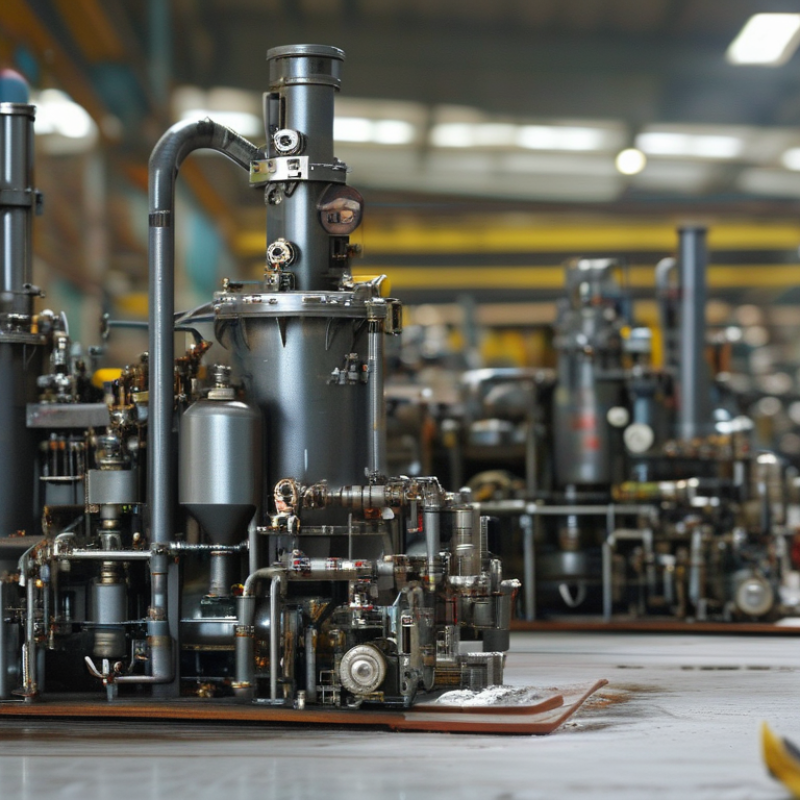
Rubber pyrolysis machines are innovative systems used to convert waste rubber into useful materials. These machines employ thermal decomposition, breaking down rubber at high temperatures in an oxygen-free environment. The result is a series of valuable products, including oil, gas, carbon black, and steel wire. Each of these outputs has various applications in different industries. For instance, the oil produced can be refined into fuel, while carbon black can be used in the manufacture of new tires.
Rubber pyrolysis offers significant environmental benefits. It helps reduce waste, as old tires and rubber products that would otherwise occupy landfills are effectively processed. While the technology is promising, achieving optimal efficiency and maintaining the machine require expertise and diligence. Buyers should consider training for effective operation and address potential maintenance challenges. Moreover, assessing the end products' quality is crucial, as variations can arise during processing. Careful monitoring and adjustments are necessary for consistent outcomes. Despite these complexities, the potential for sustainable material recovery makes rubber pyrolysis an appealing option for global buyers.
Rubber pyrolysis is an innovative technology that significantly contributes to environmental sustainability. This process converts waste rubber into valuable resources. It transforms old tires and rubber products, reducing landfill waste. By utilizing this method, we can mitigate pollution and decrease the carbon footprint associated with rubber disposal.
One key benefit of this technology is energy recovery. The pyrolysis process generates synthetic oil and gas, which can be used as fuel. These resources are cleaner and can replace traditional fossil fuels. This shift promotes a greener energy system. Additionally, it creates a circular economy by recycling materials. Reclaimed carbon black can be used in various industries, like rubber manufacturing and construction.
However, there are challenges to address. The efficiency of rubber pyrolysis can vary based on material quality. Some facilities may struggle with operational consistency. Ensuring regulatory compliance and managing emissions is also crucial. Despite these obstacles, the potential environmental benefits make rubber pyrolysis a promising solution for sustainable waste management.
Rubber pyrolysis machines offer significant economic advantages for global buyers. These machines convert waste rubber into valuable resources. The process produces oils, gases, and carbon black, which have various industrial applications. According to industry reports, the global pyrolysis oil market is projected to grow significantly, reaching over $1 billion by 2025.
The operating costs of these machines can be quite low. Skilled operators are not necessarily required, making it accessible for various industries. Initial investments vary, depending on machine size and technology, but they pay off through recovered materials. Many reports suggest that on average, businesses can recover 70% of their investment within two years.
While the technology is promising, it is essential to consider the challenges. Not all rubber pyrolysis machines are created equal. Quality can vary, impacting production efficiency. Buyers may encounter non-compliance with regulations in certain regions. Conducting thorough research is crucial to avoid costly mistakes and ensure long-term success in this growing market.
The rubber pyrolysis machine is at the forefront of sustainable waste management. Technological innovations are enhancing its efficiency significantly. One major advancement is the use of advanced thermal reactors. These reactors allow for precise temperature control. As a result, they increase oil yield by up to 20%. This is crucial in a market driven by the need for high-quality raw materials.
New catalysts are also being deployed in this process. These catalysts improve the breakdown of rubber compounds. They can reduce processing times by approximately 30%. This can lead to quicker returns on investment for buyers. It's estimated that the global rubber pyrolysis industry will reach $200 million by 2025, driven by these innovations.
**Tip:** Always consider the efficiency rating of the machine. Machines with higher thermal efficiency can lower operational costs.
Investing in smarter machines is essential. Data suggests machines designed for modular scalability can further boost profits. Integrating IoT technology can also enhance monitoring and control. However, selecting the right technology requires careful evaluation. Not all innovations lead to immediate results. Therefore, seeking expert advice in this field is vital for long-term success.
**Tip:** Research the latest technological trends before making a purchase. This can help avoid mistakes and ensure optimal performance.
| Benefit | Description | Environmental Impact | Cost Efficiency |
|---|---|---|---|
| Waste Reduction | Transforms rubber waste into usable energy and materials. | Reduces landfill waste. | Decreases waste disposal costs. |
| Energy Recovery | Generates oil and gas, providing alternative energy sources. | Minimizes reliance on fossil fuels. | Lowers energy production costs. |
| Innovative Technology | Utilizes advanced technologies for efficient pyrolysis processes. | Enhances overall eco-friendliness. | Increases operational efficiency. |
| Job Creation | Promotes local job opportunities in the recycling sector. | Encourages community involvement in sustainability efforts. | Boosts local economies. |
| Reduced Carbon Footprint | Decreases greenhouse gas emissions compared to incineration. | Supports global emission reduction goals. | Promotes sustainability initiatives. |
| Versatile Output | Produces various outputs such as oil, carbon black, and gas. | Encourages a circular economy. | Enhances profitability through diverse revenue streams. |
| Low Operating Costs | Requires less energy and maintenance compared to traditional methods. | Reduces operational environmental impacts. | Increases return on investment. |
| Scalability | Easily adaptable for different scales of operation. | Facilitates geographically diverse projects. | Aligns with varying business sizes. |
| Regulatory Compliance | Meets environmental regulations for waste processing. | Supports sustainable practices. | Minimizes compliance costs. |
The demand for rubber pyrolysis technology is steadily increasing, largely driven by rising environmental concerns and waste management needs. According to a recent market report, the global rubber pyrolysis market is projected to grow at a CAGR of 7% through 2027. This growth is influenced by the need for sustainable waste disposal solutions and advancements in pyrolysis technology. Buyers are eager to invest in systems that can convert rubber waste into valuable products like oil, carbon black, and gas.
Moreover, the fluctuating prices of crude oil have created an urgency for alternative fuel sources. Rubber pyrolysis can yield oil products that are useful in various industries. The potential for energy recovery from rubber waste makes this technology appealing. However, it’s important for buyers to conduct thorough research. Not all systems are equally efficient, and performance may vary.
Tips: Always consider the feedstock quality before investing. The type of rubber waste used significantly affects the output quality. Additionally, be aware of the local regulations concerning waste management. Understanding these can prevent unforeseen issues. Engaging with professionals in the field can provide valuable insights and avoid common pitfalls.
: It is a system that converts waste rubber into valuable materials using thermal decomposition.
The process produces oil, gas, carbon black, and steel wire with various industrial applications.
It reduces waste by processing old tires and rubber products that would otherwise end up in landfills.
Achieving optimal efficiency and maintaining the machine require expertise, diligence, and careful quality monitoring.
Innovations like advanced thermal reactors and new catalysts can enhance temperature control and reduce processing times.
Proper training helps ensure effective operation and addresses potential maintenance challenges experienced during processing.
Variations can arise during processing, so careful monitoring and adjustments are necessary for consistent outcomes.
Integrating IoT can enhance monitoring and control, leading to smarter machine operations.
Researching technological trends and seeking expert advice can help ensure optimal performance and long-term success.
Not all innovations yield immediate results, so careful evaluation is necessary before making a decision.
Rubber Pyrolysis Machines play a crucial role in converting waste rubber into valuable products, contributing significantly to environmental sustainability. The process not only helps in reducing landfill waste but also offers economic advantages by creating opportunities for profit through the sale of oil, carbon black, and gas derived from rubber. Additionally, advancements in technology are enhancing the efficiency of these machines, making them more accessible and appealing to global buyers.
Current market trends indicate a rising demand for Rubber Pyrolysis Machines as industries seek eco-friendly solutions for rubber waste management. The benefits of these machines extend beyond environmental impact, presenting a compelling case for investment driven by both ecological responsibility and economic gains. As the technology continues to evolve, the adoption of Rubber Pyrolysis Machines is expected to increase, shaping a more sustainable future for waste management.

Huayuan