Top 10 Waste Tire Pyrolysis Machine Benefits for Global Buyers?

Time:2026-07-01 Author:Amelia
0%

The Waste Tire Pyrolysis Machine stands at the forefront of sustainable waste management solutions. With over 1.5 billion waste tires generated annually, the need for effective recycling methods is critical. According to studies, pyrolysis can recover 95% of tire materials, transforming waste into valuable resources. This creates not only a greener environment but also economic opportunities.

Global buyers benefit significantly from adopting these machines. They help reduce landfill overflow and drastically cut down CO2 emissions. Research from the Environmental Protection Agency highlights that recycling tires can yield up to 30% of their weight in oil, along with carbon black and steel. These outputs are essential in various industries, fueling both environmental and economic growth.

While the benefits are clear, some challenges persist. Ensuring consistent feedstock quality and addressing initial capital costs require consideration. Nevertheless, the long-term advantages of the Waste Tire Pyrolysis Machine in waste reduction and resource recovery are undeniable. Thus, this technology offers a compelling investment for those committed to sustainable practices.
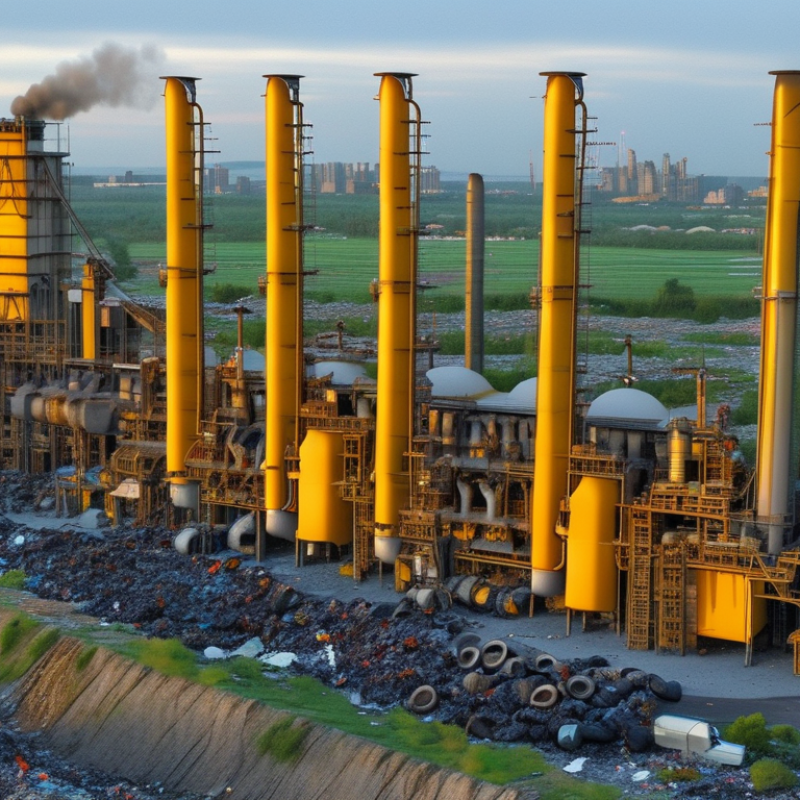
Top 10 Waste Tire Pyrolysis Machine Benefits for Global Buyers?

Benefits of Waste Tire Pyrolysis Machines for Environmental Sustainability

Waste tire pyrolysis machines offer significant benefits for environmental sustainability. They transform used tires into valuable products like oil, carbon black, and steel. By efficiently recycling waste tires, these machines reduce landfill accumulation and the environmental hazards associated with it. Each year, millions of tires are discarded. This process loops in waste management and resource recovery, promoting a circular economy.

Using these machines can lead to a noticeable reduction in carbon emissions. When tires decompose in landfills, they release harmful gases. Pyrolysis prevents this, ensuring cleaner air. Additionally, the products generated can replace fossil fuels, further lessening reliance on non-renewable resources. This transition has a profound impact on reducing global warming.

Tip: When considering the investment in pyrolysis technology, focus on the machine's efficiency and scalability. Analyze energy consumption and output quality.

Despite these advantages, challenges exist. Operators must be trained properly to manage the complexities of the pyrolysis process. Monitoring emissions during operation is critical to maintain compliance. Striking a balance between profitability and sustainability isn't straightforward.

Tip: Conduct detailed research on the local regulations affecting waste processing technologies. Each region may have unique requirements that could influence project viability.

Cost-Effectiveness of Utilizing Waste Tire Pyrolysis Technology

Utilizing waste tire pyrolysis technology offers significant cost-effectiveness for global buyers. This method transforms end-of-life tires into valuable resources such as oil, carbon black, and gas. The conversion process helps recover materials that can be reused in various industries. By investing in pyrolysis technology, businesses can not only reduce waste but also generate revenue from recovered products.

Moreover, the initial investment in pyrolysis machinery can seem high. However, the long-term savings are notable. Processing waste tires minimizes disposal costs and environmental fees. Furthermore, the by-products from pyrolysis can be sold, adding to overall profitability. Companies often weigh the upfront costs against potential returns. Despite uncertainties, many find the transition worthwhile.

Achieving cost-effectiveness in waste tire management is not without challenges. Technical issues can arise during operation, leading to potential delays. Additionally, market prices for recovered materials fluctuate, impacting profit margins. Buyers need reliable suppliers and experienced technicians to maintain efficiency. This industry requires constant learning and adaptation to maximize benefits while addressing operational obstacles.

Market Demand for Recycled Products from Pyrolysis Processes

The market for recycled products from pyrolysis processes is growing rapidly. Increasing environmental awareness drives demand for sustainable solutions. Waste tires, often seen as a burden, can be transformed into valuable resources. This process involves heating tires in the absence of oxygen. The result is oil, carbon black, and gas, which can be reused in various industries.

Many industries seek alternative materials. Tyre-derived fuel oil can replace fossil fuels. Carbon black serves as a filler in rubber products and more. The versatility of these outputs fuels the growing interest in pyrolysis technology. However, not every facility effectively captures these benefits. Some lack efficiency and struggle with emissions.

Investors and stakeholders must ensure quality during the pyrolysis process. Research shows that improper handling can lead to environmental concerns. Safe operation and proper maintenance are key here. Understanding the nuances of the market is essential. Buyers benefit from innovative solutions that meet regulatory standards and consumer needs. A focus on quality will serve businesses and the planet alike.

Top 10 Waste Tire Pyrolysis Machine Benefits for Global Buyers

Innovative Technology Advancements in Pyrolysis Machinery

The advancements in pyrolysis technology have led to significant benefits for global buyers of waste tire pyrolysis machines. Modern machines enhance efficiency, converting tires into valuable resources such as fuel oil, carbon black, and gas. These outputs are not only reusable but also contribute to a circular economy. By reducing waste, these machines are a key player in sustainable practices.

Innovative features now focus on automation and monitoring. Real-time data analysis provides insights that enhance performance. Buyers appreciate this transparency, yet some may find it overwhelming. Balancing technology and usability remains a challenge. While advanced systems promise better results, understanding them requires time and effort, which not everyone is willing to invest.

Moreover, energy consumption has been optimized in newer models. This innovation reduces operational costs significantly. However, some concerns persist regarding emissions. Striking a balance between technology and environmental responsibility is crucial. As the industry evolves, continuous improvement in both machinery and regulations is essential for long-term success.

Investment Opportunities in the Waste Tire Recycling Industry

The waste tire recycling industry presents a promising investment opportunity for global buyers. With increasing environmental concerns, more businesses are seeking sustainable solutions. Waste tire pyrolysis machines transform tires into valuable products like oil, carbon black, and gas. This process not only mitigates environmental hazards but also generates profit.

Investors should consider the return on investment in this sector. Initial costs may seem high, but the long-term benefits can outweigh them. Research shows that the demand for pyrolysis oil is rising. Buyers can tap into this market. The carbon black produced also has various industrial applications.

**Tip:** Before investing, evaluate your local regulations regarding tire recycling. Compliance is key.

Additionally, potential investors should analyze the technology offered by manufacturers. Efficient machines can significantly enhance productivity. Equipment reliability directly impacts profit margins.

**Tip:** It's wise to compare multiple suppliers and their technology advancements. In this competitive market, staying informed is crucial. Investing in waste tire pyrolysis can be rewarding. However, it's vital to approach it with careful planning.

Top 10 Waste Tire Pyrolysis Machine Benefits for Global Buyers

Benefit Description Potential ROI (%) Market Demand
Waste Reduction Converts waste tires into reusable resources, reducing landfill consumption. 20-30% High
Energy Generation Produces oil, gas, and carbon black which can be used as alternative energy sources. 25-35% Growing
Environmental Compliance Helps companies comply with environmental regulations on waste management. 15-25% Consistent
Job Creation Promotes local employment through recycling and manufacturing operations. Variable High
Cost Savings Reduces waste disposal costs and generates additional revenue from by-products. 30-40% Moderate
Technological Advancement Opens opportunities for investment in innovative recycling technologies. 20-30% Growing
Resource Recovery Recovers valuable materials such as steel, oil, and carbon black. 25-35% High
Market Growth The recycling market is expanding, thus increasing investment potential. Variable High
Sustainability Contributes to sustainable practices and corporate responsibility initiatives. 15-25% Consistent
Flexibility Offers various processing capacities to meet different operational needs. 20-30% Moderate

FAQS

: What are the benefits of waste tire pyrolysis machines?

: Waste tire pyrolysis machines convert used tires into oil, carbon black, and steel, promoting sustainability.

How do these machines help reduce carbon emissions?

Pyrolysis prevents harmful gas release during tire decomposition, ensuring cleaner air and less reliance on non-renewable resources.

What should I consider when investing in pyrolysis technology?

Focus on the machine's efficiency, energy consumption, output quality, and scalability for better returns.

What challenges do operators face in pyrolysis processes?

Operators need proper training to handle complexities and must monitor emissions to maintain compliance effectively.

Is there a growing market for recycled products from pyrolysis processes?

Yes, increased environmental awareness drives demand for sustainable solutions like pyrolyzed oil and carbon black.

How can I ensure quality during the pyrolysis process?

Safe operation, proper maintenance, and understanding market nuances are crucial for ensuring product quality.

What investment opportunities exist in waste tire recycling?

The sector offers lucrative potential due to rising demand for recycled products despite high initial costs.

How can regulations impact my investment in pyrolysis technology?

Local regulations vary; understanding them is essential for ensuring project viability and compliance.

Why is equipment reliability important in this business?

Reliable equipment enhances productivity and impacts profit margins significantly in the competitive recycling market.

What risks should I be aware of before investing?

Improper handling and efficiency issues can lead to environmental concerns, necessitating careful planning and research.

Conclusion

The article "Top 10 Waste Tire Pyrolysis Machine Benefits for Global Buyers" highlights the significant advantages of utilizing Waste Tire Pyrolysis Machines for environmental sustainability. By converting waste tires into valuable products, these machines contribute to reducing pollution and mitigating waste management challenges. The cost-effectiveness of this technology also stands out, as it not only lowers disposal costs but generates marketable by-products that meet the growing demand for recycled materials.

Moreover, innovative advancements in pyrolysis machinery are enhancing operational efficiency and expanding investment opportunities in the waste tire recycling industry. As global awareness of environmental issues rises, the need for sustainable solutions like Waste Tire Pyrolysis Machines becomes increasingly critical, presenting a profitable avenue for businesses and investors alike in the recycling sector.


Amelia

Amelia

Amelia is a seasoned marketing professional with a wealth of expertise in our company’s core offerings. With an unwavering passion for driving growth and innovation, she plays a pivotal role in shaping our marketing strategies and enhancing brand visibility. A key aspect of her responsibilities......