Choosing a top Pyrolysis Plant Manufacturer in China requires more than comparing prices or polished brochures. A reliable assessment starts with the intended feedstock, expected throughput, and local operating conditions. A line designed for clean, uniform material may perform differently with wet or mixed inputs. Small details matter. Ask how the supplier manages feed preparation, temperature control, gas handling, and residue discharge. These choices affect daily operation, maintenance needs, and product consistency.
Look for evidence that can be checked: equipment specifications, process diagrams, test records for comparable feedstock, and clear commissioning procedures. A factory visit or live demonstration can reveal practical details, such as weld quality, control-panel layout, and access for routine cleaning. Request information about emissions-control equipment and independent performance measurements, rather than relying only on broad efficiency claims. After-sales support also deserves attention. Confirm who provides operator training, spare parts, and technical help after installation. A low quotation may leave important equipment or services outside its scope.
There is no single manufacturer that suits every project. That is worth remembering. Compare suppliers using the same feedstock assumptions, capacity targets, and operating conditions. Check whether stated results come from measured trials or estimates, and ask what changes when input material varies. Some questions may not have simple answers. Still, careful documentation and transparent communication make those answers easier to evaluate. This guide introduces practical criteria for comparing Chinese manufacturers without treating a sales claim as a proven result.
What Is a Pyrolysis Plant and How Does It Work?
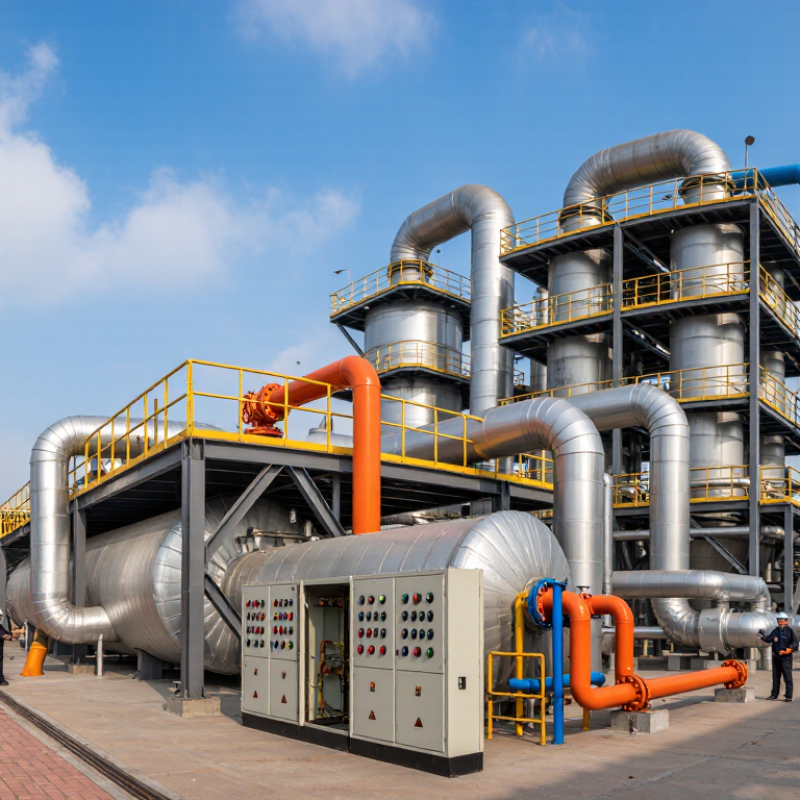
A pyrolysis plant heats prepared organic material in a low-oxygen environment, breaking it into vapors, solid char, and non-condensable gas. Feedstock may include biomass, used tires, or certain plastic streams; the equipment and outputs differ by material. The process usually begins with sorting and drying. A reactor then applies controlled heat, while vapors move to a cooling system and condense into liquid products. Some plants reuse combustible gas to supply process heat. It is not magic. The results depend on feedstock, temperature, residence time, and system design.
For biomass, NREL’s 2013 review of fast pyrolysis reports bio-oil yields of about 60–75 percent by weight under suitable conditions. That figure is not a promise for every plant: moisture, particle size, and operating settings matter. Real equipment is less tidy than a flow chart. Wet or uneven feed can disrupt heat transfer, and product quality may require further treatment before use.
Tips: Ask for measured output data using your intended feedstock, not a generic brochure figure. Check how the plant handles drying, vapor cooling, emissions monitoring, and residue collection. These details are easy to overlook.
Pyrolysis plants can process several carbon-rich feedstocks, but one reactor rarely handles them all equally well. Common inputs include end-of-life tires, sorted plastic waste, agricultural residues, forestry by-products, and some sewage sludge. Each behaves differently. Plastic blends may need sorting to remove PVC, while wet biomass can lower heating value and increase drying needs. Tire-derived feed requires attention to steel removal and char quality. Fit comes first.
The scale of the waste stream is significant, though volume alone does not guarantee suitability. The OECD’s Global Plastics Outlook reports that 353 million tonnes of plastic waste were generated worldwide in 2019; only 9% was recycled. The World Bank’s What a Waste 2.0 estimated 2.01 billion tonnes of municipal solid waste annually, using 2016 data. These figures describe broad waste streams, not material ready for a pyrolysis reactor. Moisture, ash, particle size, and contamination must be checked through sampling. That step is easy to underestimate. A plant supplier should confirm feedstock limits, trial results, and product specifications for the actual material, rather than promise a universal solution.
Evaluating a Chinese pyrolysis plant manufacturer requires more than comparing nameplate capacity. Ask for independently witnessed test data using the feedstock you actually have. Check moisture limits, particle size, pretreatment needs, and performance during steady operation. A polished demonstration is not enough.
The World Bank’s What a Waste 2.0 report estimated 2.01 billion tonnes of municipal solid waste in 2016, rising to 3.40 billion tonnes by 2050. UNEP’s Global Waste Management Outlook 2024 likewise projects substantial growth in waste volumes. These figures show the scale of the challenge, not that pyrolysis suits every waste stream. Request a documented mass balance, energy use per tonne, product quality results, and emissions measurements from an accredited laboratory. Small differences in feedstock can change output.
Check the reactor’s temperature controls, seals, corrosion protection, and safety interlocks. Ask to review maintenance records and operating references, not only equipment brochures. Confirm what the warranty covers and whether spare parts and technical support are available. Compare test conditions carefully; results from different materials are rarely like-for-like. I would still treat a single successful trial as incomplete evidence.
This chart presents a suggested buyer evaluation framework, not measured scores or rankings of Chinese manufacturers. Verify each criterion using project-specific technical documents, test results, and applicable local regulations.
Leading pyrolysis manufacturers offer more than a reactor. They engineer the whole line, from feedstock inspection to product handling.
The OECD’s Global Plastics Outlook (2022) estimated 353 million tonnes of plastic waste in 2019, with only 9% recycled.
UNEP’s Turning off the Tap (2023) estimates 19–23 million tonnes of plastic enter aquatic ecosystems each year.
These figures highlight the waste challenge, but they do not prove pyrolysis is suitable for every feedstock. Numbers need context.
A capable supplier specifies sorting, shredding, and drying equipment to manage moisture and contamination. Inside the plant, controlled heating, vapor condensation, and gas cleaning help stabilize operation.
Ask for measured data on feedstock limits, energy use, product quality, and emissions—not just a headline yield. Useful services include installation, operator training, commissioning, spare-parts planning, and ongoing process support.
Request a test using representative material, then review the results and sampling method. A polished brochure can hide awkward details.
Maintenance access, residue handling, and downtime assumptions deserve equal attention; they are easy to overlook, and they can change the real operating cost.
When comparing Chinese pyrolysis plant suppliers, ask for evidence from the exact feedstock you plan to process. Plastic mixtures, rubber, and biomass behave differently; one impressive nameplate capacity proves little. Request a process-flow diagram, expected oil, gas, char, and residue yields, plus the conditions behind those figures. OECD’s Global Plastics Outlook (2022) reports that only 9% of plastic waste was recycled in 2019. That gap matters, but it does not make every pyrolysis proposal commercially or environmentally sound.
Check whether performance claims come from continuous operation or a short demonstration. Ask to inspect a comparable installation, review operating hours, and speak with its site operator. Details matter. Compare energy use per tonne, emissions monitoring, residue handling, maintenance intervals, and the availability of critical parts. Require test methods and independent laboratory results, not only sales calculations. A supplier’s warranty should specify feedstock limits, throughput, and remedies when targets are missed. Also confirm who provides installation, operator training, and remote support after commissioning.
The paperwork can look tidy. The plant floor tells more. One uncomfortable point: buyers may focus heavily on quoted capacity and underestimate feedstock preparation, downtime, or local utility needs. Build those costs into a lifecycle comparison. Ask suppliers to price the same feedstock, operating schedule, and output specification, then document any assumptions. If estimates remain vague, treat the uncertainty as a project risk, not a minor detail.
Common options include end-of-life tires, sorted plastics, agricultural residues, forestry by-products, and some sewage sludge. Fit comes first.
Plastic blends may need sorting to remove PVC. Wet biomass can require drying, while tire feed may need steel removal. Small impurities can change results.
Sample the actual material and check moisture, ash, particle size, and contamination. A broad waste-volume estimate is not enough.
Request a documented mass balance, energy use per tonne, product quality results, and emissions measurements. Ask whether an independent laboratory checked the data.
No. Ask for continuous-operation results using comparable feedstock. One successful trial is useful, but still incomplete evidence.
Review temperature controls, seals, corrosion protection, and safety interlocks. Ask to see maintenance records and operating references, not just brochures.
Use the same feedstock, operating schedule, and output specifications for each quote. Compare oil, gas, char, and residue yields. Details matter.
Feedstock preparation, downtime, utilities, maintenance, and spare parts can raise project costs. The floor tells more. Vague estimates deserve a second look.
A pyrolysis plant uses heat in a controlled, low-oxygen environment to convert suitable materials into products such as gas, liquid oil, and solid char. Depending on the system design and local requirements, potential feedstocks may include biomass, agricultural residues, and properly sorted waste materials. Buyers should first confirm that a plant is compatible with their intended feedstock and that its operation can meet applicable environmental and safety standards.
When evaluating a Pyrolysis Plant Manufacturer in China, consider equipment design, processing capacity, energy efficiency, emissions controls, automation, and the quality of technical documentation. Also compare installation support, operator training, spare-parts availability, warranty terms, and after-sales service. Request clear specifications and independently verifiable performance information, then assess suppliers against the same criteria. A careful comparison helps buyers identify a solution suited to their materials, site, budget, and operational goals.
Huayuan