The global demand for sustainable solutions has led to the emergence of the Small Tyre Recycling Plant in China. These facilities are designed to efficiently process used tyres, transforming them into valuable resources. With advancements in technology, these plants are becoming more effective at recovering materials, such as rubber and steel.
China's dedication to environmental protection is evident in the development of these small-scale plants. They offer a reliable and innovative approach to tyre recycling, reflecting the country's commitment to sustainability. However, potential buyers must consider the operational challenges that come with such facilities.
Investing in a Small Tyre Recycling Plant requires thorough research. Factors like technology, location, and regulatory compliance play a significant role in a plant's success. Each facility comes with unique attributes and limitations, prompting reflection on what truly constitutes an effective recycling solution.
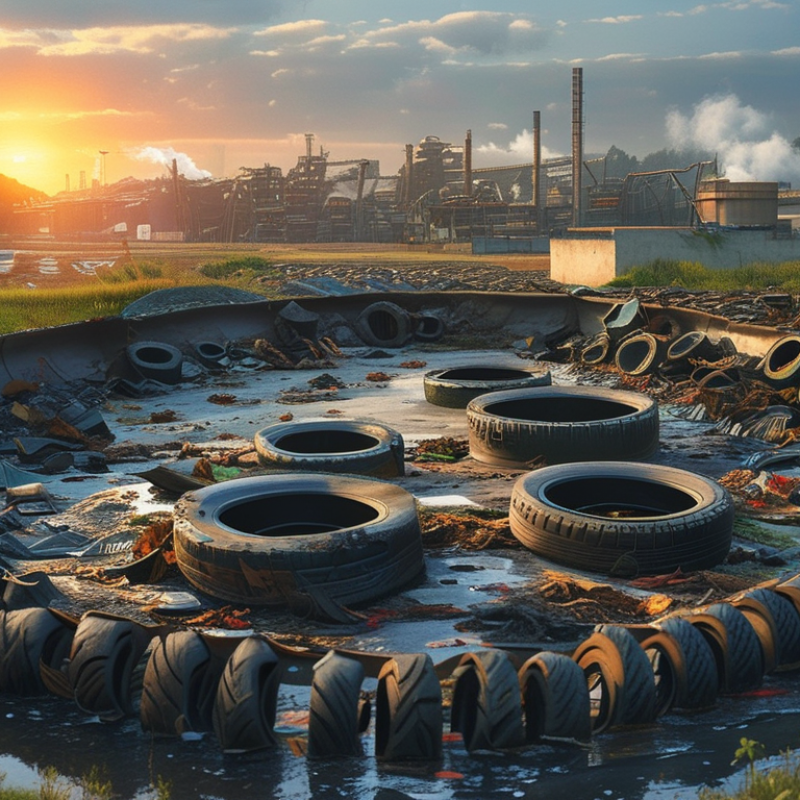
Overview of Small Tyre Recycling Plants in China
Small tyre recycling plants in China represent a growing sector with significant potential. These facilities focus on breaking down used tyres into reusable materials like rubber, steel, and textile fibers. The process is essential, given the increasing volume of discarded tyres. Every year, millions of tonnes of tyres are generated globally, leading to an urgent need for effective recycling solutions.
In recent years, many small-scale recycling plants have emerged across China. They employ diverse techniques, from shredding to pyrolysis, to extract valuable materials. The technology varies, and some plants operate with limited automation. This can hinder efficiency and output quality. However, many entrepreneurs are learning and adapting quickly, showing resilience in facing challenges in the industry.
The environmental benefits of these facilities are undeniable. By recycling tyres, they help reduce landfill waste and promote sustainability. Yet, some plants struggle with compliance and operational standards. Issues often arise in waste management and pollution control. Continuous improvement is necessary for these facilities to meet both local and international regulations. Addressing these challenges is crucial for enhancing their credibility and trustworthiness in the global market.
Key Technologies Used in Tyre Recycling Processes
The tyre recycling process has become vital in addressing environmental issues. In China, advanced technologies are being developed to enhance efficiency. The combination of pyrolysis and mechanical processing is particularly noteworthy. This method breaks down tyres into reusable materials such as rubber, steel, and oil. Each step in this process requires precision and expertise.
Tips: Choosing the right recycling technology is crucial. Assess the local market for available technologies. Look for processes that maximize resource recovery. Effective communication with technology providers can lead to better outcomes.
Another technology making waves is granulation. It involved shredding tyres into small particles. The process produces finer granules that can be repurposed for various applications. However, the equipment used must be of high quality to ensure consistency. Poor machinery could compromise the end product quality and efficiency.
Tips: Regular maintenance of recycling equipment is essential. It prolongs lifespan and increases performance. Training staff is equally important. Properly trained workers contribute to a smoother recycling operation.
Benefits of Establishing Partnerships with Chinese Tyre Recyclers
Establishing partnerships with Chinese tyre recyclers can yield significant benefits for global buyers. The tyre recycling industry in China is rapidly growing, driven by advancements in technology and government support. Collaborating with these recyclers allows companies to tap into innovative recycling methods. This not only enhances efficiency but also improves environmental sustainability.
Chinese tyre recyclers often possess extensive experience and a deep understanding of local regulations. Their insights can guide international businesses in navigating the complex landscape of recycling practices. For example, they can assist in ensuring compliance with various waste management laws. Effective communication fosters stronger relationships. Building trust is key in this dynamic sector.
However, it is essential to approach these partnerships with careful consideration. Differences in business culture might lead to misunderstandings. Ongoing dialogue can help bridge these gaps. Regular assessments of the partnership's effectiveness are vital. This enables both parties to adapt and improve processes. Engaging with Chinese tyre recyclers could redefine your operational strategies and contribute to a more sustainable future.
Market Potential for Tyre Recycling Products Globally
The global market for tyre recycling products is expanding rapidly. This growth is driven by increasing environmental awareness and sustainable practices. Many countries are seeking efficient solutions to manage waste tyres. The challenge is to create a system that is both effective and economically viable.
In the past, recycling was often seen as a secondary option. Today, however, recycled tyre products are in demand. These products can be used in various sectors, including construction and automotive industries. For instance, crumb rubber from recycled tyres is utilized in asphalt. This not only improves road durability but also reduces landfill waste.
However, the tyre recycling industry faces hurdles. The technology involved can be costly, and not all recycling plants operate at full capacity. Infrastructure and regulatory challenges can limit growth. Stakeholders must reflect on strategies to overcome these obstacles. Emphasizing collaboration and innovation could lead to more efficient recycling processes. The potential rewards are significant, both for the planet and investors.
Regulatory and Environmental Considerations in Tyre Recycling
Recycling tyres is a critical issue for the environment and industry. China is increasingly becoming a hub for small tyre recycling plants, attracting global interest. However, regulatory frameworks play a vital role in this market. According to the International Rubber Study Group, global tyre waste reached over 1.5 billion units in 2020. Proper recycling is essential to manage this growing waste problem.
Regulations vary significantly across regions. In China, the government encourages recycling efforts through policies that promote green technology. However, many local plants still struggle to comply with stringent environmental standards. The Ministry of Ecology and Environment reported that over 50% of smaller recycling businesses do not meet required emissions standards. This gap raises concerns about pollution and its impact on local communities.
Environmental considerations are more than just compliance. Recent studies show that improperly managed tyre recycling can lead to toxic emissions and soil pollution. The UK-based Waste and Resource Action Programme highlighted that up to 20% of recycled materials can end up contaminating ecosystems. Thus, it's crucial for buyers to understand these challenges when considering investment in Chinese tyre recycling facilities.
Conclusion
The article explores the growing significance of Small Tyre Recycling Plants in China, highlighting their advanced technologies and processes that enhance efficiency in tyre recycling. These facilities utilize innovative methods to reclaim valuable materials from used tyres, promoting sustainability while addressing global waste challenges.
Establishing partnerships with Chinese tyre recyclers presents numerous benefits, including access to cost-effective recycling solutions and expanding market opportunities for recycled products. The market potential for tyre recycling is substantial worldwide, driven by increasing environmental awareness and regulatory pressures. Additionally, understanding the regulatory and environmental considerations surrounding tyre recycling can help stakeholders navigate compliance and promote eco-friendly practices in the industry.

 Huayuan