As the world increasingly leans towards sustainable solutions, the demand for advanced technologies like electric pyrolysis plants grows. A leading supplier of electric pyrolysis plant designs can significantly impact waste management strategies globally. According to recent industry reports, the global pyrolysis market is projected to reach USD 9 billion by 2025, showing a compound annual growth rate (CAGR) of 12.5%. This shift highlights an urgent need for reliable suppliers that provide efficient and innovative equipment.
The adoption of electric pyrolysis technology not only addresses waste disposal challenges but also converts waste into valuable resources. However, selecting the right supplier of electric pyrolysis plant requires careful consideration. Industry experts emphasize the importance of proven experience and technological expertise for effective implementation. Some suppliers may claim high efficiency rates, but real-world performance can vary significantly.
Furthermore, the electric pyrolysis industry faces ongoing challenges. While the technology shows promise, issues like energy consumption and operational costs deserve evaluation. Buyers must reflect on supplier reliability and service support. Understanding these factors is crucial for making informed decisions that align with sustainability goals.
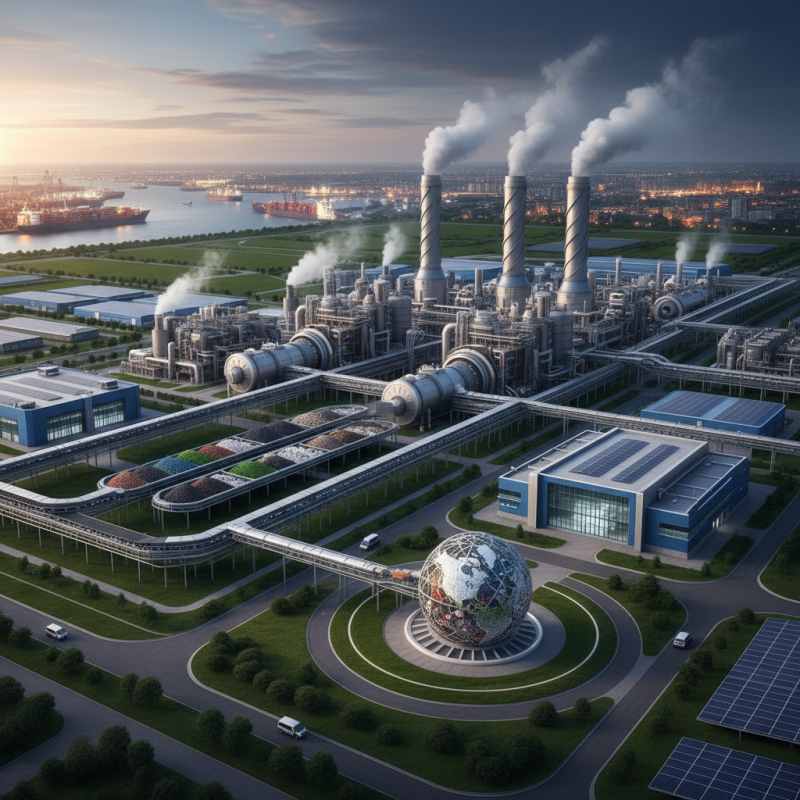
Electric pyrolysis technology has emerged as a significant method for waste management and energy production. It converts organic materials into gas and biochar through a high-temperature process, minimizing harmful emissions. Reports indicate that this technology can reduce waste volume by up to 90%. This not only helps in managing landfill issues but also generates renewable energy.
The applications of electric pyrolysis are diverse. Industries, such as plastics and biomass, benefit remarkably. For instance, converting tires into fuel through pyrolysis can supply biofuel while mitigating environmental hazards. Research shows that biofuels generated from pyrolysis might help cut greenhouse gas emissions by around 85%. Such insights highlight the potential of electric pyrolysis in achieving sustainable development goals.
Tips: Consider monitoring the output quality of the gas. Consistent quality ensures effective energy conversion. Also, regularly assess the feedstock characteristics; this can significantly impact the efficiency of the process. Understanding these factors can lead to better operational decisions and enhanced results.
| Technology Type | Application | Capacity (tonnes per day) | Energy Efficiency (%) | Typical Feedstock |
|---|---|---|---|---|
| Batch Electric Pyrolysis | Plastic Waste Recycling | 5 | 85 | LDPE, HDPE |
| Continuous Electric Pyrolysis | Tire Recycling | 20 | 90 | Used Tires |
| Hybrid Electric Pyrolysis | Biomass Conversion | 10 | 80 | Wood Chips, Agricultural Residues |
| Modular Electric Pyrolysis | Electronic Waste Processing | 2 | 78 | Circuit Boards, Plastics |
: Electric pyrolysis technology converts organic materials into gas and biochar using high temperatures.
This technology can reduce waste volume by up to 90%.
Industries such as plastics and biomass benefit significantly from this technology.
It generates biofuels, reducing environmental hazards and potentially cutting greenhouse gas emissions by 85%.
Feedstock characteristics and output quality directly impact the efficiency of the process.
Experience, customer service, and equipment quality are crucial factors to consider.
Experienced suppliers understand complexities and offer more reliable solutions for your needs.
Low prices may lead to unreliable service, resulting in higher long-term expenses.
Responsive communication indicates a supplier's commitment to support and addressing questions effectively.
Adequate energy supply and fluctuating waste streams can complicate operations and efficiency.
Electric pyrolysis technology is gaining traction for its ability to convert various waste materials into useful energy and byproducts, making it an essential solution in waste management and renewable energy sectors. This innovative method employs electricity to drive the pyrolysis process, resulting in lower emissions and increased efficiency compared to traditional methods. Key features of electric pyrolysis plants include their ability to process diverse feedstock, modular designs for scalability, and enhanced automation.
When selecting a supplier of electric pyrolysis plant, buyers should consider factors such as the supplier's experience, technology reliability, after-sales support, and compliance with environmental standards. As the market continues to evolve, trends and innovations are expected to improve plant designs further, focusing on sustainability and energy efficiency. This comprehensive understanding of electric pyrolysis technology positions global buyers to make informed decisions when investing in these advanced systems.

 Huayuan