Top Tire Pyrolysis Machine Suppliers for Global Buyers?

Time:2026-05-22 Author:Amelia
0%

The Tire Pyrolysis Machine industry is rapidly evolving. As the world looks for sustainable waste management solutions, this technology stands out. Industry expert Dr. Jane Smith states, "Tire pyrolysis is not just about recycling; it's about redefining waste." This perspective highlights the transformative potential of tire pyrolysis.

In recent years, suppliers of Tire Pyrolysis Machines have emerged from various regions. Countries like China, India, and the USA lead in manufacturing and innovation. Buyers face numerous options, which can be overwhelming. Each supplier offers different features and technologies. Understanding these differences is vital for making informed decisions.

Quality and reliability are crucial when selecting a supplier. A poorly made Tire Pyrolysis Machine can lead to inefficiencies and unexpected costs. Buyers should assess the supplier’s track record and customer feedback. It's essential to consider the long-term benefits over short-term savings. Investing in a reputable supplier can ensure better performance and support down the line.
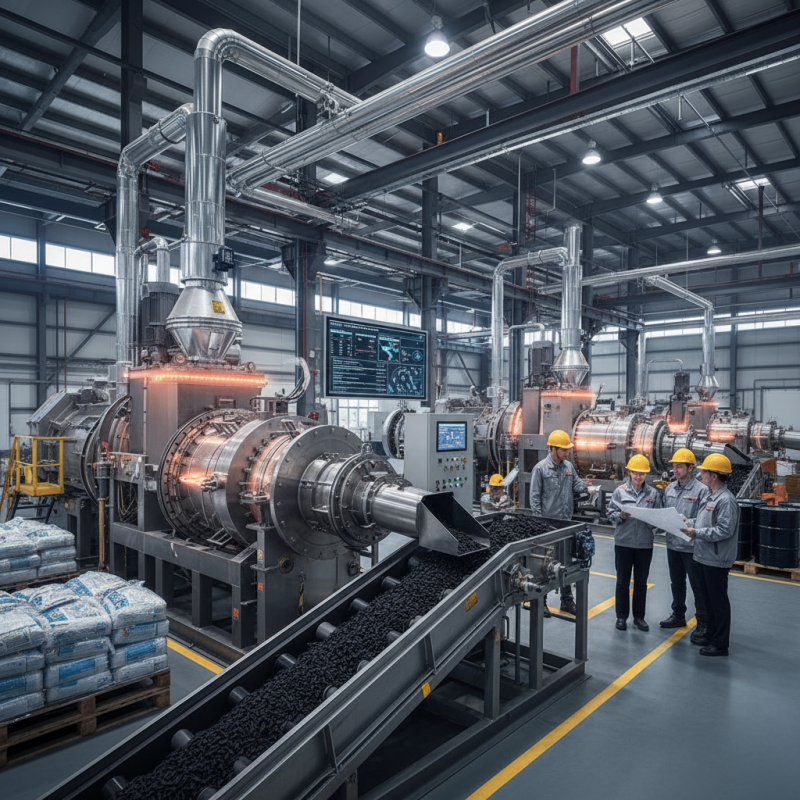
Top Tire Pyrolysis Machine Suppliers for Global Buyers?

Global Overview of the Tire Pyrolysis Industry and Market Trends

The tire pyrolysis industry is experiencing significant growth, driven by the need for sustainable waste management solutions. According to a recent report, the global tire pyrolysis market is expected to reach a valuation of approximately $500 million by 2027, with a compound annual growth rate (CAGR) of 12% from 2020 to 2027. This surge highlights the increasing demand for eco-friendly technologies that can convert waste tires into valuable resources such as fuel oil, carbon black, and steel.

In addition to economic benefits, tire pyrolysis also addresses environmental concerns. It provides a means to recycle millions of waste tires, which otherwise occupy landfill space and contribute to pollution. Innovators in the industry are focusing on improving the efficiency and sustainability of pyrolysis technologies. While many suppliers claim to offer state-of-the-art machinery, buyers must assess each solution critically. Not all machines deliver the promised results. Misleading data can be common, so conducting thorough research is essential.

Tips: When selecting a tire pyrolysis machine supplier, consider their experience and reputation. Review customer testimonials and case studies to gauge the effectiveness of their technology. Understanding the local regulations regarding waste processing is also crucial. Each region may have different operational requirements that can affect your investment. Researching these factors can save time and money in the long run.

Global Tire Pyrolysis Industry Trends (2023)

Key Features and Technologies in Leading Tire Pyrolysis Machines

In tire pyrolysis machines, key features play a significant role in efficiency and output quality. Advanced technologies have emerged to optimize the pyrolysis process. Many machines now utilize continuous feed systems. This allows for uninterrupted operation, increasing productivity. According to industry reports, these systems can enhance production rates by over 25%.

Another critical feature is the use of high-temperature reactors. These reactors ensure complete breakdown of tire polymers into oil, gas, and carbon black. The temperatures in these systems often exceed 400 degrees Celsius. Such temperatures facilitate higher yield and better quality end products. However, not all machines achieve optimal performance, which raises questions about consistency in output quality.

Furthermore, energy recovery systems are integral to modern pyrolysis machines. They capture energy from the process, reducing operational costs. Reports indicate that these systems can improve energy efficiency by up to 30%. Yet, relying solely on this technology may not be practical for every buyer. It's essential to consider integration challenges and overall system compatibility. Buyers must weigh these factors carefully to ensure long-term success in tire recycling initiatives.

Top Tire Pyrolysis Machine Suppliers: A Comparative Analysis

When considering tire pyrolysis machine suppliers, a comparative analysis is essential. The market offers various options, each with unique features. Understanding these differences can help buyers make informed decisions. Many suppliers promise high efficiency and low emissions, but it's crucial to verify their claims through independent assessments.

Some companies may excel in technology but lack customer support. This can lead to operational challenges for users. Others might offer competitive pricing but use outdated technology. Researching these aspects can reveal valuable insights. Analyzing customer reviews and testimonials can provide a clearer picture of a supplier's reliability.

A thorough evaluation should also consider after-sales service. Good suppliers stand by their equipment with solid support. If issues arise, timely assistance can make a significant difference. Buyers should ask about warranty terms and maintenance options. This ensures they invest in equipment that serves them well over time. Balancing price, technology, and support is vital for a successful purchase.

Regional Supplier Profiles: North America, Europe, and Asia

In recent years, tire pyrolysis machines have gained attention across various regions. The demand for these machines highlights the importance of recycling waste tires sustainably. North America is home to several key suppliers that focus on innovative pyrolysis technology. These suppliers emphasize compliance with environmental regulations, aiming for energy recovery and material reuse.

In Europe, the market has been shaped by stringent environmental policies. Reports indicate that Europe is pushing for a circular economy, implementing directives that promote the recycling of waste materials. Pyrolysis technologies help reduce landfill use and CO2 emissions. European suppliers are also adopting advanced safety features in their machines, ensuring that production processes are reliable.

Asia serves as a rapidly developing hub for pyrolysis machine manufacturing. The region benefits from lower production costs and growing awareness of waste management. However, some challenges exist, such as inconsistent standards in machine quality. As outlined in recent industry data, the competitive landscape is evolving. Buyers must navigate varying supplier capabilities, ensuring they choose reliable partners to optimize their operations.

Market Demand and Future Projections for Pyrolysis Equipment

The demand for pyrolysis equipment continues to rise globally. Industries are increasingly recognizing the environmental benefits of tire pyrolysis. This technology converts waste tires into valuable resources like oil, carbon black, and steel. As concerns over waste management mount, pyrolysis becomes vital for sustainable practices.


Future projections suggest that the market for pyrolysis machines will expand significantly. Enhanced technologies and efficient processes are on the horizon. Buyers need to stay informed about innovations that improve output quality and reduce costs. However, challenges remain, such as energy consumption and emissions during the process.


Investing in pyrolysis equipment carries risks. Not all suppliers guarantee quality and reliability. Buyers should conduct thorough research before making decisions. Understanding the long-term viability and maintenance needs is crucial. This effort will ensure sustainable growth in a competitive market.

FAQS

: What are the key features of tire pyrolysis machines?

: Key features include continuous feed systems and high-temperature reactors. These enhance efficiency and output quality.

How does a continuous feed system benefit tire pyrolysis?

It allows for uninterrupted operation, boosting productivity. Reports show increased production rates by over 25%.

What temperature do high-temperature reactors usually reach?

They often exceed 400 degrees Celsius. This ensures a complete breakdown of tire polymers.

What products are obtained from the pyrolysis process?

The main outputs are oil, gas, and carbon black. Quality can vary significantly between machines.

How do energy recovery systems aid in tire pyrolysis?

They capture energy during the process, reducing operational costs. Energy efficiency can improve by up to 30%.

Are there challenges with energy recovery systems?

Yes, reliance on these systems may not suit every buyer. Integration challenges can impact overall effectiveness.

How does the market differ across regions?

North America focuses on innovative technology while Europe emphasizes environmental compliance. Asia has lower costs but inconsistent quality.

What should buyers consider when selecting suppliers?

Reliability and machine quality are crucial. Varying standards can affect operations significantly.

How important are environmental regulations to tire pyrolysis?

They are vital, especially in Europe. Regulations support the recycling of waste materials and reduce emissions.

What are the potential drawbacks of current tire pyrolysis machines?

Not all machines consistently deliver high-quality output. Performance can vary, requiring careful buyer research.

Conclusion

The tire pyrolysis industry is experiencing significant growth, driven by increasing environmental concerns and the need for sustainable waste management solutions. This article provides a comprehensive overview of the market trends, highlighting the key features and technologies that define leading tire pyrolysis machines. As the demand for eco-friendly recycling methods rises globally, understanding the various suppliers and their offerings becomes crucial for buyers.

A comparative analysis of top tire pyrolysis machine suppliers reveals not only the competitive landscape but also regional insights from North America, Europe, and Asia. By examining specific supplier profiles, potential buyers can identify suitable partners that meet their requirements. The article concludes with an outlook on market demand and future projections for pyrolysis equipment, underscoring its critical role in promoting circular economy practices.


Amelia

Amelia

Amelia is a seasoned marketing professional with a wealth of expertise in our company’s core offerings. With an unwavering passion for driving growth and innovation, she plays a pivotal role in shaping our marketing strategies and enhancing brand visibility. A key aspect of her responsibilities......