What Is the Cost of a Tyre Pyrolysis Plant?

Time:2026-11-03 Author:Madeline
0%

What does a tyre pyrolysis plant really cost? The honest answer depends on the project. Tyre Pyrolysis Plant Cost includes more than the reactor itself. Capacity, automation, tyre preparation, feeding systems, and product handling all affect the budget. So do site conditions. A compact setup and a continuous industrial line are not comparable purchases.

The details matter. A quotation should identify the reactor, steel structure, oil-condensation equipment, gas treatment, electrical controls, and installation scope. Ask whether utilities, commissioning, operator training, and spare parts are included. These items can change the final investment considerably. Small omissions add up. A low price may look convincing, but it can leave essential equipment or services outside the offer.

Operating costs deserve attention too. Electricity, labour, routine maintenance, and replacement parts influence the plant’s long-term economics. Feedstock preparation and the way products are stored can also shape daily expenses. Request clear capacity assumptions and written specifications, then compare suppliers on the same basis. It is tempting to focus on one headline number. That is rarely enough.

This guide explains the main cost drivers and the questions worth asking before requesting a detailed quotation. Exact figures vary by design, location, and project scope, so treat generic estimates cautiously. Even a careful estimate has limits; real site conditions may reveal costs no brochure shows.
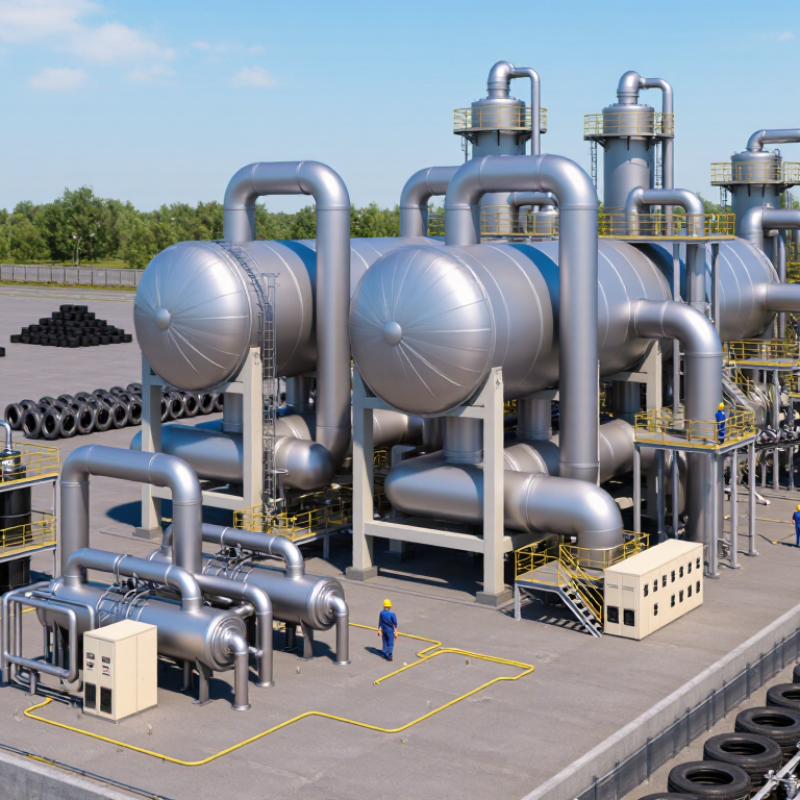
What Is the Cost of a Tyre Pyrolysis Plant?

What Types and Capacities of Tyre Pyrolysis Plants Are Available?

Tyre pyrolysis plants are commonly available in batch, semi-continuous, and continuous configurations. A batch unit processes a fixed load, then cools before unloading. This simpler operating pattern can suit smaller sites or uneven feed supply, though cooling and loading reduce working time. Listed capacities often start around 5 tonnes per day and may reach 10 tonnes. Actual throughput depends on tyre size, preparation, and operating hours.

Semi-continuous plants handle material in repeated stages, reducing some waiting between runs. Many are specified at roughly 10 to 20 tonnes per day. Continuous systems feed tyres or prepared material through the process with fewer full shutdowns. Larger designs may be rated at 20 tonnes per day or more. These figures are indicative, not guarantees; plant layouts and feed conditions vary. Labels can mislead.

When comparing capacity, ask whether the figure describes whole tyres or prepared feed, and whether it assumes round-the-clock operation. Check the expected hours for loading, discharge, maintenance, and cooling. A site processing mixed tyre sizes may achieve less than a brochure’s headline rate. A practical estimate should include usable operating hours and the condition of the feedstock. Measure carefully. Even a modest difference in daily throughput can affect storage needs, staffing, and downstream handling.

What Equipment Is Included in the Plant Purchase Price?

The purchase price of a tyre pyrolysis plant usually covers more than its reactor. A standard package may include tyre feeding and size-reduction equipment, a sealed reactor, heating system, condensers, oil tanks, gas piping, and a control cabinet. Ask whether wire and char discharge systems are included. They affect daily handling. Emissions-control equipment, fire protection, installation, and commissioning may be priced separately, so compare the scope line by line. Small omissions add up. ETRMA’s European end-of-life tyre management statistics report records about 3.9 million tonnes of tyres collected in Europe in 2022. That scale helps explain why plants need dependable material handling, not just a large reactor.

The WBCSD Tire Industry Project’s global end-of-life tyre management report estimates that more than one billion tyres reach end of life worldwide each year. Yet throughput claims do not tell you what the purchase price includes. Check whether the quoted capacity refers to whole tyres or prepared feedstock, and request the operating conditions behind it. Ask for equipment lists, motor loads, refractory specifications, and the expected replacement interval for seals. These details are easy to overlook. I would also verify whether oil storage, cooling-water equipment, and site utilities are included; suppliers may define a “complete plant” differently. A neat quotation can still leave gaps. Compare drawings and exclusions before treating two prices as equivalent.

What Is Included in a Tyre Pyrolysis Plant Equipment Purchase?

Indicative equipment-cost ranges for a 10-tonne-per-day plant (USD). Actual prices vary with capacity, process design, automation, and emissions requirements.

The purchase package may include a reactor and feeding system, oil condensation and storage, gas treatment and safety equipment, carbon-black and steel-wire discharge, emissions controls, and electrical systems. Ranges are planning estimates, not supplier quotations; land, taxes, shipping, civil works, and site-specific installation may be additional.

How Do Installation and Site Requirements Affect the Cost?

Installation costs can vary as much as the equipment price. A level, accessible plot may need only routine groundwork. A sloped or weak site can require excavation, soil reinforcement, drainage, and stronger foundations. Concrete costs depend on the plant layout and the weight of vessels, conveyors, and storage areas. Small errors in the initial survey can become expensive later.

Access matters. Delivery trucks and cranes need turning space, stable ground, and a clear route to the installation area. Tight gates or overhead cables may require extra lifting plans or temporary site changes. Utilities add another layer: electrical capacity, water supply, fire protection, and wastewater handling should be checked before construction. These needs vary with the plant’s design and operating plan.

Environmental controls also shape the site budget. Allow room for ventilation, emissions-treatment equipment, safe material handling, and routine maintenance access. Local planning and environmental requirements should be confirmed with qualified professionals before committing to a property. A low-cost plot is not always economical. It may lack power capacity or need extensive drainage work, and those costs are easy to underestimate. A detailed site survey and installation schedule can reveal these issues early, though estimates still carry some uncertainty.

What Is the Cost of a Tyre Pyrolysis Plant? – How Do Installation and Site Requirements Affect the Cost?

Indicative planning ranges in USD for a small-to-medium commercial project. Actual costs depend on capacity, process design, local regulations, site conditions, and the required level of emissions control.

Cost item Indicative cost range (USD) Installation or site requirement How it affects the budget
Pyrolysis reactor and core process equipment $300,000–$1,500,000 Requires suitable foundations, equipment access, and space for feeding, discharge, and maintenance. Capacity, batch or continuous operation, automation, and material specifications are major cost drivers.
Gas handling, emissions control, and safety systems $100,000–$600,000 Must be designed for the process layout and applicable local air-emissions, fire, and workplace-safety requirements. Stricter permitting conditions or more advanced treatment systems can increase both equipment and engineering costs.
Feedstock preparation and product handling $50,000–$300,000 Space may be needed for tyre cutting, conveying, storage, and safe handling of recovered products. Costs rise when tyres require extensive pre-processing or when more automated handling is specified.
Foundations and civil works $50,000–$300,000 Ground conditions, drainage, equipment loads, access roads, and the need for concrete slabs affect the design. Weak soil, uneven terrain, flood mitigation, or extensive drainage work can require additional construction.
Electrical connections and utilities $50,000–$250,000 Available power, water, fuel, and wastewater services should be checked before selecting a site. Long utility connections, transformer upgrades, backup power, or on-site service systems add cost.
Installation, commissioning, and operator training $100,000–$500,000 Costs depend on equipment delivery distance, lifting requirements, installation access, and commissioning scope. Remote sites, difficult access, extended commissioning, and specialist labor can increase installation costs.
Site preparation and permitting support $25,000–$250,000 May include surveys, grading, fencing, fire access, environmental studies, and preparation of permit applications. Previously developed industrial land may need less work than a greenfield or environmentally constrained site.
Illustrative installed project total $675,000–$3,700,000 Assumes an industrial site with workable road access and utilities that can be connected without major off-site upgrades. Total varies substantially by capacity, local compliance requirements, construction scope, and supplier quotation.

These figures are broad budgeting estimates, not a quotation. Land purchase, taxes, financing, working capital, major off-site infrastructure, and costs for exceptional environmental remediation are excluded. Obtain site-specific engineering and local permitting advice before setting a project budget.

What Are the Ongoing Operating and Maintenance Expenses?

A tyre pyrolysis plant’s operating bill is shaped by more than its electricity meter. The U.S. Energy Information Administration reported an average industrial electricity price of 8.13 cents per kilowatt-hour in 2023. This is a useful benchmark, not a plant quote: actual tariffs, peak-demand charges, and local conditions can change the figure. Track electricity use per operating hour, especially for shredders, conveyors, fans, and cooling pumps. Small leaks matter. Water treatment, process heating, feedstock handling, and routine emissions monitoring also add recurring costs. Some expenses rise quietly when production slows but equipment remains powered.

Maintenance deserves its own budget. The U.S. Bureau of Labor Statistics reported a 2023 median annual wage of $61,420 for industrial machinery mechanics. That is a broad U.S. labor reference, not a pyrolysis-specific staffing estimate, and benefits add to payroll costs. Allow for inspections, bearings, seals, cutting blades, refractory repairs, and planned shutdowns. Keep spare parts close; a worn seal can turn a short repair into lost production. Not every shift. Actual replacement intervals depend on feed preparation and operating conditions. A practical estimate should combine supplier maintenance schedules with logged labor hours, power bills, and repair records. Early budgets often understate downtime. It is an easy mistake to make.

How Can Buyers Estimate the Total Project Cost?

Estimating the total cost of a tyre pyrolysis plant starts with a clear scope, not a headline equipment price. Define the planned daily input, operating hours, feed preparation needs, and product handling requirements. A plant quoted for one capacity may not include sorting, shredding, storage, or packaging. Check what each quotation actually covers.

Build a cost sheet with equipment, freight, customs and taxes where applicable, civil works, foundations, installation, electrical connections, water systems, and staff training. Include site preparation: a concrete pad, drainage, access for delivery trucks, and space for maintenance can all affect the budget. Ask suppliers to state whether commissioning, spare parts, and emissions-control equipment are included. Small exclusions add up.

Then estimate operating costs separately. Review electricity and fuel use, labor per shift, routine maintenance, consumables, and residue handling. Request these figures against a stated production rate, and compare them using the same assumptions. Verify transport costs with freight providers; an equipment quote may not reflect the final delivery route. Add a contingency based on project risks, such as uncertain ground conditions or delayed utility connections. The estimate will still be imperfect. Update it when site surveys and firm quotations replace early assumptions.

FAQS

What types of tyre pyrolysis plants are commonly available?

Batch plants process one load, then cool before unloading. Semi-continuous and continuous systems reduce waiting between processing stages.

What daily capacities are typically offered?

Batch units may handle about 5–10 tonnes daily. Semi-continuous systems often range from 10–20 tonnes, while larger continuous designs may exceed 20 tonnes. These are indicative figures, not guarantees.

What affects a plant’s actual throughput?

Tyre size, feed preparation, operating hours, and maintenance all matter. Ask whether the quoted capacity refers to whole tyres or prepared material. Labels can mislead.

How does the site affect installation costs?

Sloped or weak ground may need excavation, reinforcement, drainage, and stronger foundations. A detailed site survey can catch problems early.

What access and utility details should buyers check?

Confirm that trucks and cranes can reach the installation area. Check turning space, overhead cables, electrical capacity, water supply, fire protection, and wastewater handling.

Which site features can be easy to overlook?

Allow space for emissions controls, ventilation, safe material handling, and maintenance access. A low-cost plot may need costly upgrades. Think it through.

What should a full project cost estimate include?

Include equipment, freight, applicable taxes, civil works, foundations, installation, utility connections, and staff training. Also check whether commissioning, spare parts, and emissions-control equipment are included.

How should operating costs and uncertainty be estimated?

Estimate power or fuel, labor per shift, maintenance, consumables, and residue handling against the same production rate. Add a risk contingency, then update the estimate as firm quotes and site surveys arrive. It may still be imperfect.

Conclusion

Tyre Pyrolysis Plant Cost depends on the plant’s design, processing capacity, and level of automation. Smaller systems may suit projects with limited throughput, while larger-capacity plants generally require greater investment and more extensive site preparation. The purchase price may cover core processing equipment, such as the reactor, feeding and discharge systems, condensers, storage tanks, and control equipment, but buyers should confirm exactly what is included.

Installation and site requirements can add substantially to the initial budget. Consider foundations, utility connections, safety provisions, transport, assembly, and any necessary buildings or storage areas. Ongoing expenses may include labor, energy, routine maintenance, replacement parts, and handling of incoming materials and finished products. To estimate the total project cost, combine equipment and delivery costs with site preparation, installation, commissioning, working capital, and a contingency for unexpected expenses. Comparing these items on the same capacity and scope basis helps buyers assess the overall investment more realistically.


Madeline

Madeline

Madeline is a dedicated marketing professional with a wealth of expertise in our company's core offerings. With a keen understanding of the industry, she brings a unique perspective to her role, consistently delivering high-quality content that highlights the superior aspects of our products. As......