Why is Waste Tyre Pyrolysis Plant Cost Important for Investors?

Time:2026-07-28 Author:Ethan
0%

Investing in a Waste Tyre Pyrolysis Plant is becoming increasingly crucial. Many potential investors overlook the importance of understanding Waste Tyre Pyrolysis Plant Cost. This cost is a significant factor in determining the overall profitability of the venture. A thorough analysis of expenses can reveal opportunities and pitfalls associated with the investment.

Understanding the intricacies of operational costs, equipment, and raw materials is vital. Investors need to consider factors such as maintenance and labor expenses. Failure to account for these elements could lead to unexpected financial strain. Moreover, the market demand for pyrolysis products fluctuates. Hence, how well one estimates these costs can impact the success of the operation.

Balancing cost against potential returns is complex. It requires knowledge and experience in the field. Not all investors grasp this. Some may find themselves facing challenges that could have been avoided with better planning. By delving into Waste Tyre Pyrolysis Plant Cost, investors can align their expectations with reality. This approach fosters a clearer vision of the project's feasibility and sustainability.
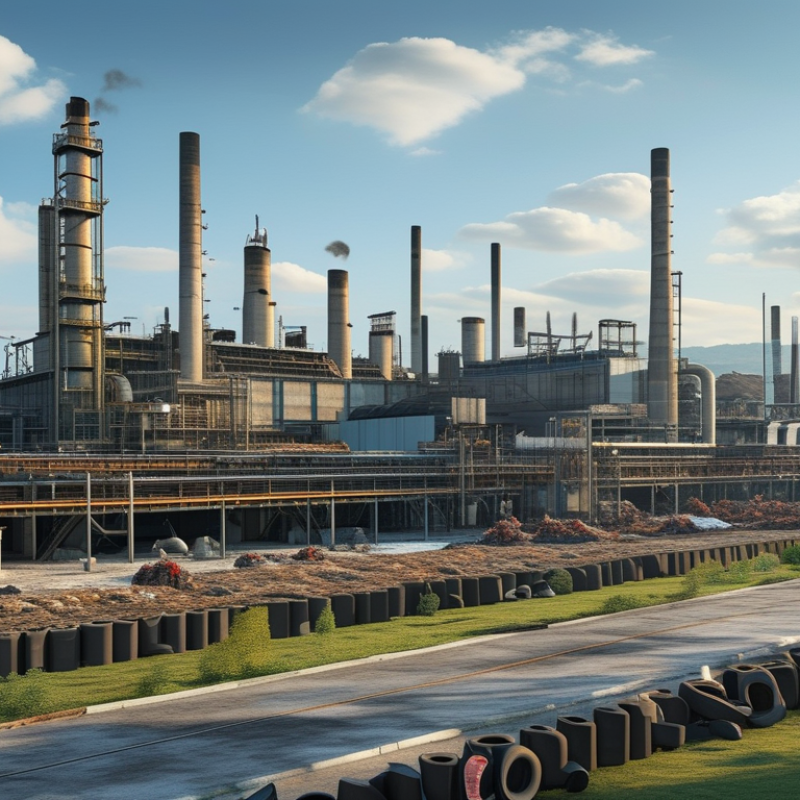
Why is Waste Tyre Pyrolysis Plant Cost Important for Investors?

Understanding the Basics of Waste Tyre Pyrolysis Technology

Waste tyre pyrolysis technology is an innovative solution for recycling used tyres. This process involves heating tyres in an oxygen-free environment, which breaks them down into valuable by-products. According to industry reports, about 1.5 billion tyres are discarded each year globally. Only a fraction is recycled. This creates a need for effective waste management strategies. The pyrolysis plants can convert up to 90% of waste tyres into oil, carbon black, and gas. This efficiency attracts investors looking to capitalize on environmental sustainability.


Investment in waste tyre pyrolysis not only offers financial returns but also contributes to waste reduction. The projected market for tyre pyrolysis oil is expected to reach $1.5 billion by 2026. However, potential investors should consider startup costs, which can vary greatly. A typical plant can range from $1 million to $2 million, depending on its capacity and technology. It's crucial to assess the local regulations and market demand to ensure a viable operation. While the prospects are promising, investors should approach with caution, as technological advancements and competition can affect profitability.


Understanding the basic mechanics of pyrolysis is essential. The temperature typically ranges from 250°C to 700°C, influencing the quality of the output products. High temperatures yield more valuable oil, but also increase operational costs. Thus, optimization is key. Some plants struggle with inconsistent feedstock quality, which can lead to operational challenges. Investors must weigh these factors carefully to ensure long-term success.

The Key Factors Influencing Waste Tyre Pyrolysis Plant Costs

When considering a waste tyre pyrolysis plant, cost evaluation is essential for investors. The initial investment, operational expenses, and maintenance costs play a critical role. Investing in effective technology may incur higher upfront costs, but it often leads to greater returns. These costs vary widely based on plant scale and efficiency.

Location is another pivotal factor. Establishing a plant near tyre supply sources helps minimize transportation costs, increasing profitability. Additionally, local regulations can impact expenses significantly. Investors should assess compliance costs thoroughly.

The choice of feedstock quality matters too. High-quality tyres yield better outputs, affecting overall profit margins. Investors need to analyze market trends in rubber recycling. It's wise to estimate potential revenue before committing to any project. Making informed decisions requires thorough research.

Factors Influencing Waste Tyre Pyrolysis Plant Costs

Financial Benefits of Investing in Waste Tyre Pyrolysis Plants

Investing in a waste tyre pyrolysis plant offers significant financial benefits. The process converts used tyres into oil, carbon black, and gas. This transformation not only recycles waste but also generates valuable resources. Investors can expect a steady revenue stream from selling these by-products.

The initial cost for establishing such a plant can be substantial. However, careful financial planning can yield impressive returns. The increasing demand for eco-friendly solutions and raw materials supports a growing market. Investors must consider local regulations and potential operational challenges. Each project requires customization and efficiency to maximize profits.

Moreover, long-term sustainability is a key factor. The waste tyre pyrolysis industry can face obstacles, such as fluctuating oil prices and regulatory changes. Investors should remain adaptable and informed. This industry is not without its risks, but the potential rewards are enticing. With diligent research and planning, waste tyre pyrolysis plants can be a profitable venture.

Risk Assessment and Cost Management for Investors in Pyrolysis

Investing in a waste tyre pyrolysis plant requires careful risk assessment and cost management. The initial investment costs can be substantial. Investors must understand the financial implications. It is not just about purchasing equipment. Operational expenses, maintenance, and waste disposal must also be factored in.

Market fluctuations can affect profitability. Prices for recycled materials may vary due to demand. Investors must remain vigilant about these changes. Gathering expert insights and market data is crucial. It's essential to conduct thorough research. Facilities may struggle with efficiency if proper monitoring is neglected.

Unexpected issues can arise, such as equipment failures or regulatory changes. These can increase costs and reduce profitability. A robust risk management plan can help mitigate these challenges. Investors might review previous case studies to learn from others' experiences. Planning for uncertainties prepares one for potential setbacks.

Long-term ROI: Analyzing Market Trends for Pyrolysis Investments

Investing in waste tyre pyrolysis plants offers a promising opportunity, but potential investors must analyze market trends. The long-term return on investment (ROI) heavily relies on the evolving dynamics of waste management. Many regions face increasing pressure to manage waste sustainably. This creates a rising demand for innovative waste solutions, such as pyrolysis technology.

Market trends suggest an upward trajectory for the pyrolysis investment landscape. Governments worldwide promote recycling initiatives. This support can significantly enhance profitability in the sector. However, investors should approach with caution. The initial costs of setting up a pyrolysis plant can be high. It's essential to conduct thorough research and understand the specific conditions of the target market.

Moreover, industry challenges persist. Fluctuating raw material prices can affect operational costs. Investors must also stay informed about regulatory changes, which may impact viability. Understanding local competition is vital. It shapes pricing strategies and could influence the success of the investment. Therefore, continuous market analysis is necessary for making informed decisions about waste tire pyrolysis investments.

FAQS

: What is waste tyre pyrolysis technology?

: It's a recycling method that breaks down used tyres in an oxygen-free environment into valuable by-products.

How many tyres are discarded worldwide annually?

Approximately 1.5 billion tyres are thrown away each year, with only a small percentage being recycled.

What are the main by-products of pyrolysis?

Pyrolysis converts tyres into oil, carbon black, and gas, achieving up to 90% conversion efficiency.

What should investors consider before starting a plant?

Investors must evaluate startup costs, local regulations, and market demand to avoid financial pitfalls.

What is the projected market value for tyre pyrolysis oil?

The market for tyre pyrolysis oil is projected to reach $1.5 billion by 2026, signaling growth potential.

What influences the costs of a pyrolysis plant?

Initial investment, operational expenses, maintenance costs, and plant location significantly affect overall costs.

How does temperature impact the pyrolysis process?

Operating temperatures between 250°C and 700°C influence output quality but can also raise operational expenses.

Why is feedstock quality important?

High-quality tyres lead to better outputs, positively impacting profit margins and operational efficiency.

What challenges might investors face?

Inconsistent feedstock quality and evolving technology can create operational disruptions requiring careful management.

What role does location play in profitability?

Proximity to tyre supply sources minimizes transportation costs, thereby enhancing overall profitability for the plant.

Conclusion

The cost of a Waste Tyre Pyrolysis Plant is a critical consideration for investors looking to enter this emerging market. Understanding the technology behind pyrolysis is essential, as it converts waste tires into valuable products like fuel oil, carbon black, and gas. Key factors influencing the plant costs include equipment quality, technology efficiency, operational expenses, and location.

Investors can benefit financially from this venture due to the increasing demand for sustainable waste management solutions and the potential for high returns on investment. However, conducting a thorough risk assessment and implementing effective cost management strategies are vital to mitigate financial uncertainties. Analyzing long-term market trends further underscores the profitability of investing in waste tyre pyrolysis, emphasizing the significance of Waste Tyre Pyrolysis Plant Cost in driving informed investment decisions.

Ethan

Ethan

Ethan is a seasoned marketing professional with a deep expertise in our company's innovative product line. With a passion for sharing knowledge and insights, he takes the lead in regularly updating our corporate blog, where he explores industry trends, product features, and effective marketing......