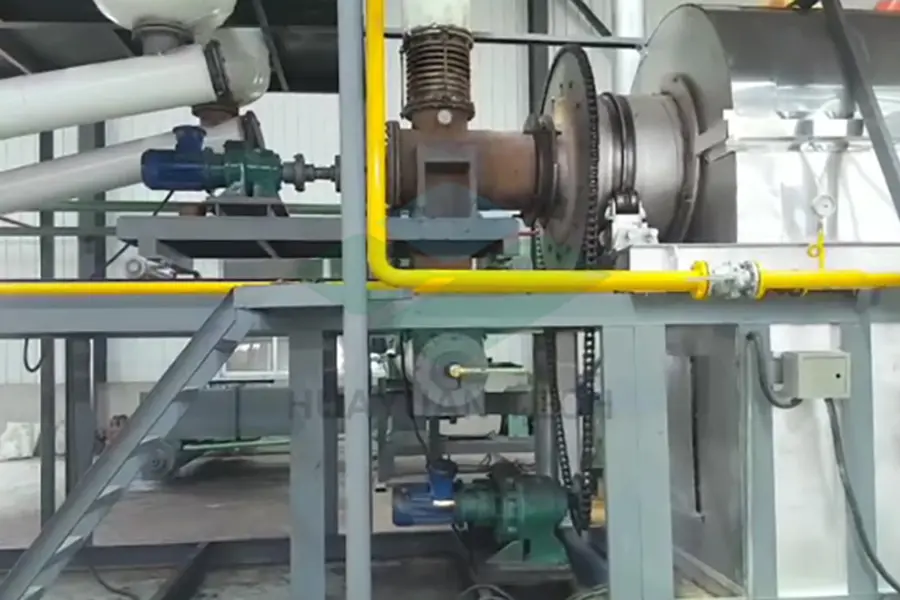
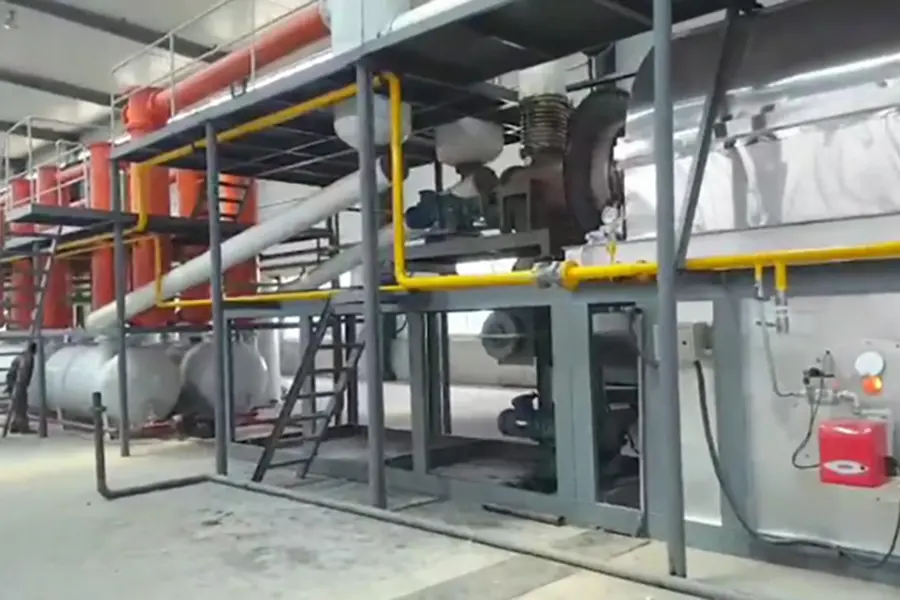
High-Quality Continuous Pyrolysis Plant(Rubber Powder As Feedstock) Supplier, Factory

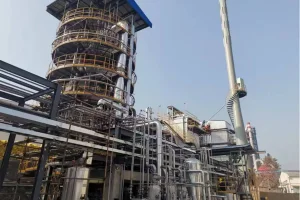
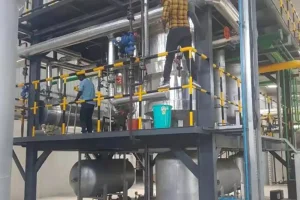
Continuous waste tyre pyrolysis plant is for 24/7 non-stop processing waste tyres into fuel oil and carbon black. Due to continuous feeding and discharge system, the continuous waste tyre pyrolysis plant can keep working without stop, thus to save energy and time. Also DCL control system makes much less labour.

Product Description

Animation Video

Features

Product introduction of industrial Continuous pyrolysis plant (5-10cm tire blocks as feedstock)

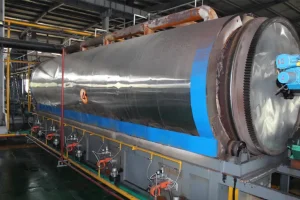
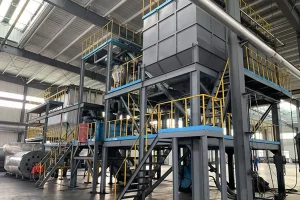
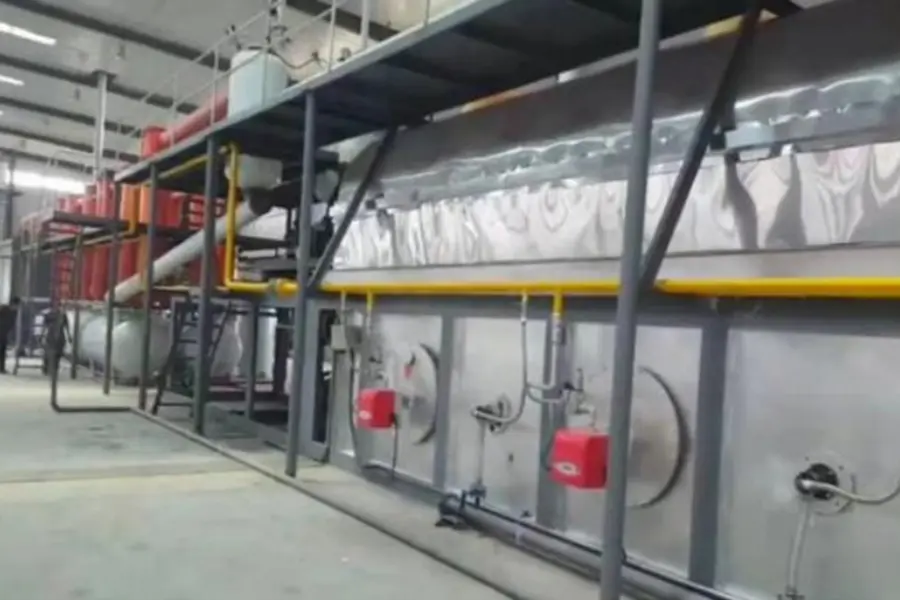
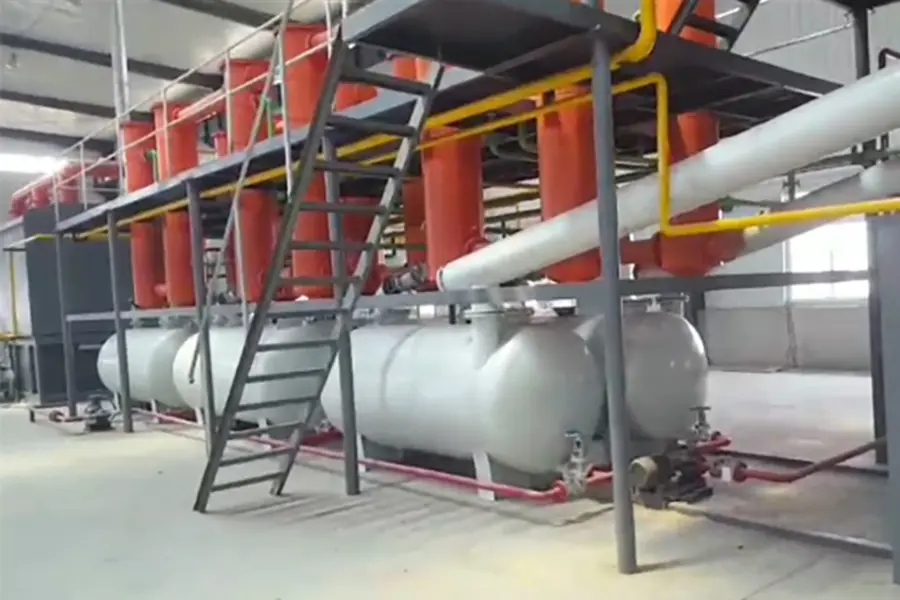
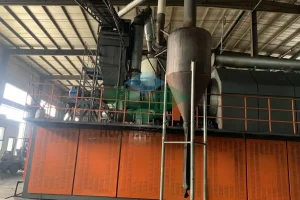
The continuous pyrolysis plant is a sophisticated system designed to process waste tires into valuable fuel oil and carbon black. It includes a waste tyre pretreatment system (shredder and crusher), a continuous pyrolysis system with automated feeding and discharge controlled by a PLC system, and an RCB refining system.

The main advantage of the continuous waste tyre pyrolysis plant is its ability to operate non-stop. This efficiency saves significant energy and time while the PLC control system drastically reduces labor costs.
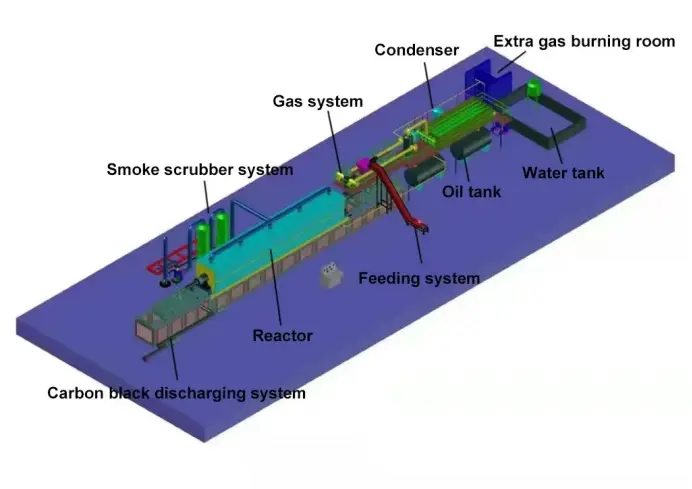
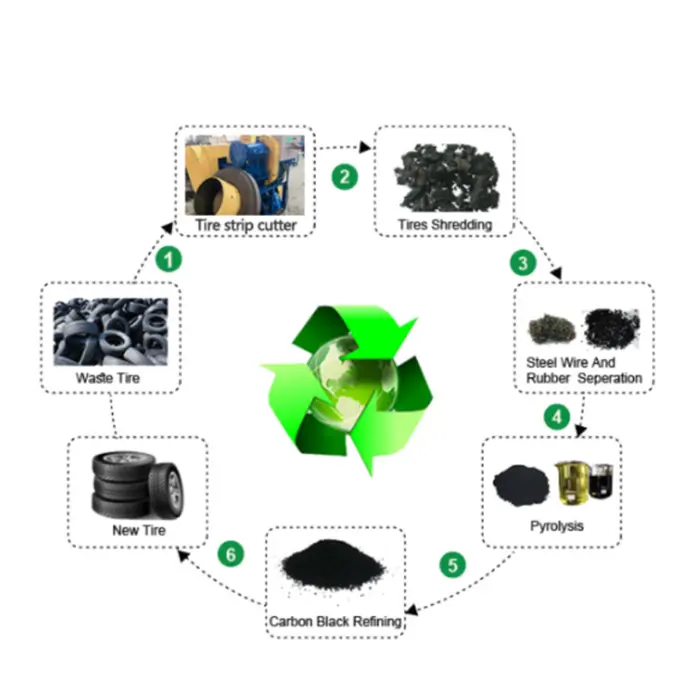
Continuous Pyrolysis Plant Workflow

Working Process: To maintain continuous feeding, waste tires must be shredded into small pieces (5-10cm). Removing steel wire beforehand prevents it from mixing with carbon black, ensuring a higher quality end product.

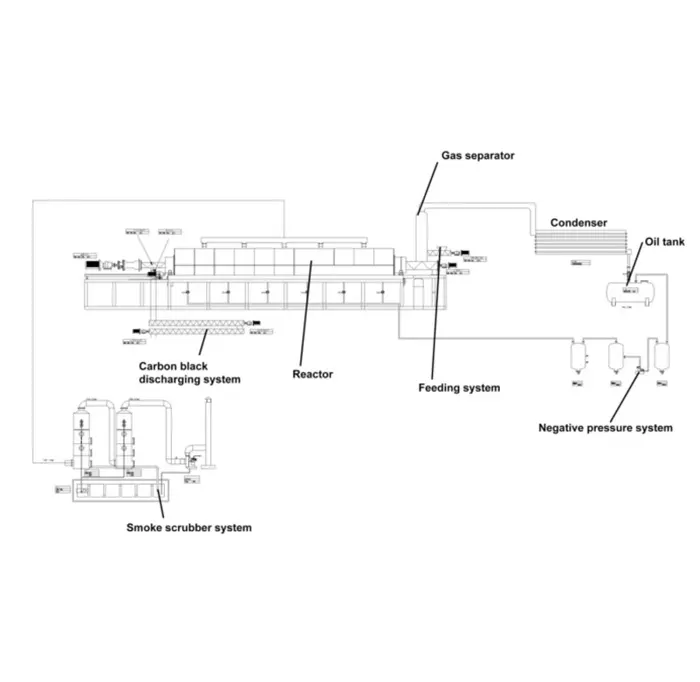
No. System Components No. System Components
1Feeding system8Cooling Tower
2Pyrolysis Reactor9Extra Gas burning Room
3Reactor Basement and Burning Room10Sync Gas Purifying System
4Gas Separator11Water Seal
5Condensers12Smoke Clean System
6Oil Tanks13Chimney
7Carbon Black Discharging System14Control Cabinet
3D Model 1 3D Model 2

Operation Process

1Shredding & Sorting Waste tires are sorted (Passenger, Truck, OTR) and shredded into blocks (<10-15cm). Steel wires are removed during this stage to protect the shredder and improve output.
2Crushing System Tire blocks are further crushed into tire powder (10 mesh to 2mm), ensuring any remaining steel is extracted.
3Continuous Pyrolysis The powder enters a multiple pyrolysis reactor system to be converted into oil gas. The gas is then cooled into liquid fuel oil.
4Carbon Black Refining The resulting carbon char is milled (300-1000 mesh) and processed into rcb pellets for industrial use.

Core Advantages

Screw Pyrolysis Reactor: Features a coking clean system allowing for much longer operation cycles compared to drum models.
Advanced Sealing: Uses liquid film seal technology to prevent oil gas leaks, eliminating the need for weekly seal maintenance.
Fully Automatic: PLC control allows the entire plant to be operated by just 1-2 workers.
High Oil Output: Unique screw running design ensures full pyrolysis of raw materials.
Scalable Capacity: Options range from 10 tons per day up to 100T/D.
Indirect Heating: Hot air heating extends the reactor's lifespan by preventing direct flame damage.

Technical Data

No. Item HY-C-20 HY-C-30 HY-C-50
1Capacity20T/D30T/D50T/D
2Power70Kw85Kw100Kw
3Working TypeContinuous
4Reactor DesignMultiple Internal Rotating Reactors
5Cooling SystemRecycled water cooling
6Reactor MaterialQ345R boiler plate and stainless steel
7Heating MethodIndirect hot air heating
8FeedstockWaste tire / Plastic / Rubber
9OutputFuel oil, Carbon black

Application & End Products

Applications

Our continuous plant processes all types of waste tires (bicycle, car, truck, OTR). The end products have diverse industrial applications:
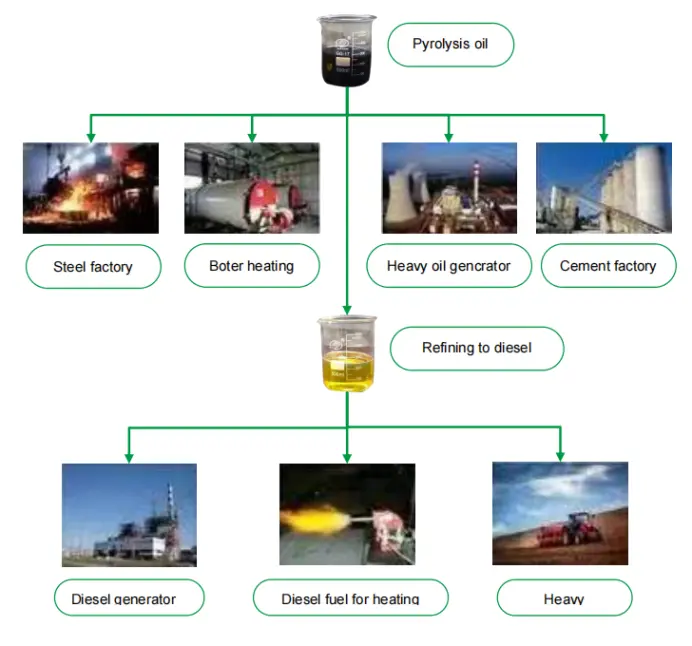
  • Pyrolysis Oil: Used as fuel in steel/iron factories, boiler plants, ceramics, and chemical industries, or for power generation.
  • Carbon Black: Used for construction bricks or as a solid fuel source.
  • Steel Wire: Recycled directly into new steel products.

Customer Case Video

Frequently Asked Questions

1. What is the difference between batch and continuous pyrolysis? +
Continuous pyrolysis allows for non-stop feeding and discharging, which significantly increases efficiency and reduces energy consumption compared to batch systems that require cooling and cleaning after every cycle.
2. What kind of raw materials can be processed? +
The plant is designed for waste tires (all sizes), waste plastics, and waste rubber. For continuous systems, materials must be pre-processed into tire powder or small blocks.
3. How many workers are needed to operate the plant? +
Due to the high level of automation and the PLC control system, only 1 to 2 workers are required per shift to monitor the operation.
4. What is the lifespan of the pyrolysis reactor? +
By using indirect hot air heating and removing steel wires before the process, the reactor avoids direct flame damage and internal abrasion, ensuring a long operational life.
5. Is the emission from the plant environmentally friendly? +
Yes, the plant includes a dedicated smoke cleaning system and sync gas purifying system to ensure that all emissions meet environmental standards.
6. What is the oil yield of the waste tires? +
The oil yield typically ranges from 40% to 45% depending on the quality and type of tires used, with truck tires generally yielding more oil than passenger car tires.

Related Products