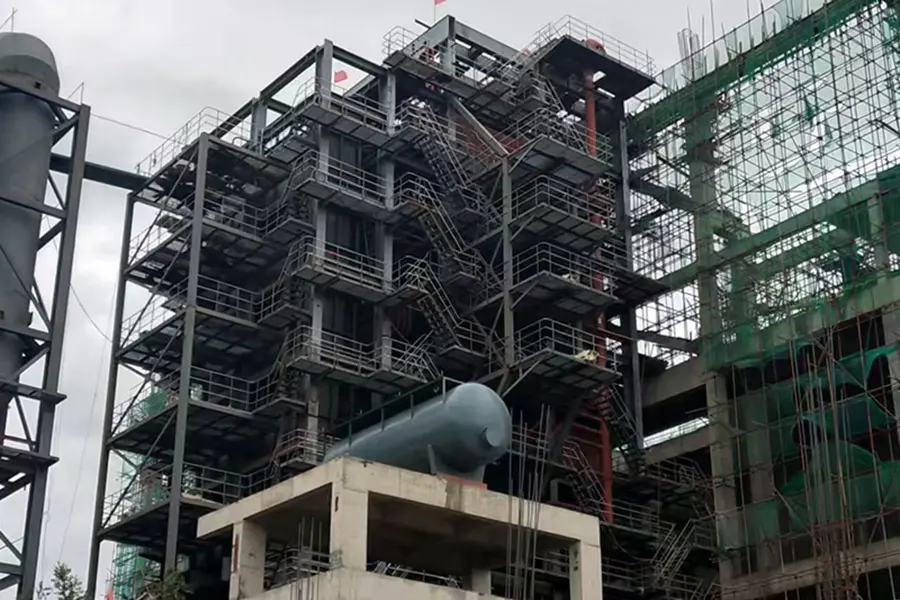
High-Quality Industrial Solid Waste to Energy Plant Manufacturers, Manufacturer

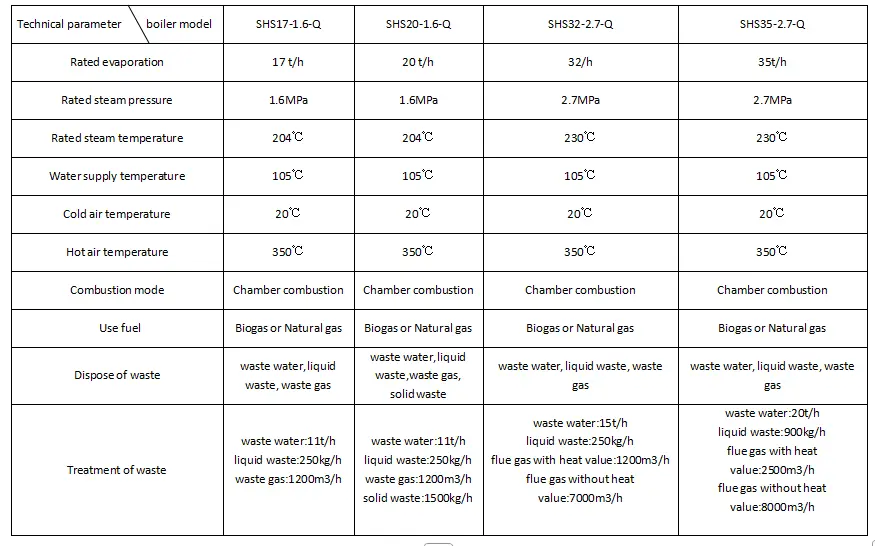
Application Scope and Technical Advantages of Incineration Boiler for, High Temperature and Harmless Treatment of Industrial "Three Wastes".

Product Description

Application Scope
Production of toxic waste water, waste residue, waste gas produced in the petrochemical industry or cannot be handled by general biochemical methods. Experience introduces the above waste at 1000 ℃ under conditions of staying > 1.5S, allowing decomposition into harmless emissions through denitrification, desulfurization, and dust removal.
Technical Advantages & Characteristics
01
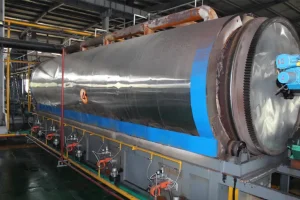
High-efficiency co-combustion furnace technology: Efficiently handles high pollution, difficult-to-degrade, and toxic waste. Integrates combustion, pyrolysis, and waste heat recovery.
02
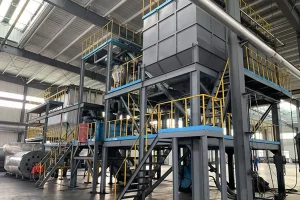
Integrated Structure: Combines the incinerator and heat recovery furnace into a compact unit, reducing land area and investment costs.
03
Vertical Closed Design: Achieves continuous operation and improved burning rates.
04
Stable Load Regulation: Operates efficiently within a range of 30% to 100% rated load.
05
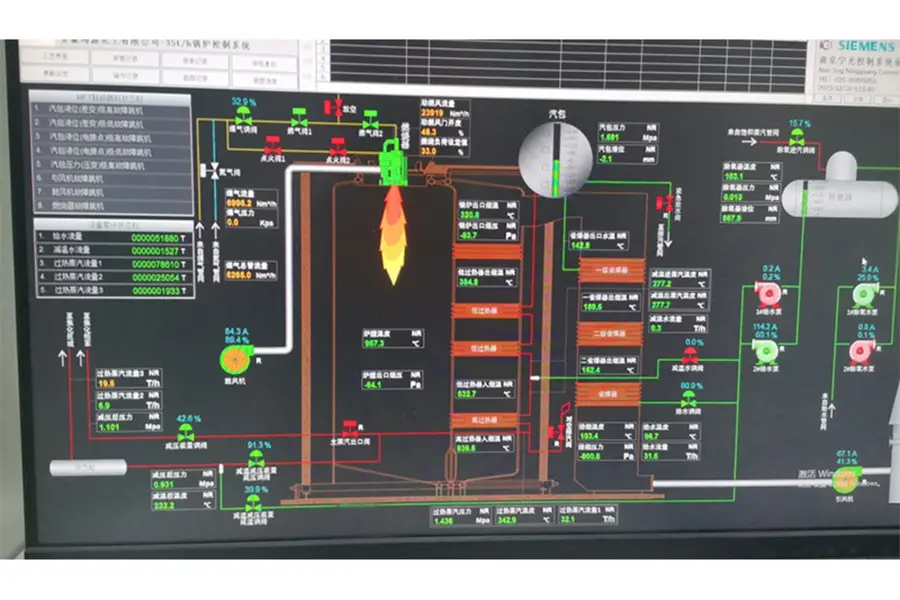
Automation: Automatic control ensures combustion stability, security, and easy maintenance.
Technical Illustration
Industrial System

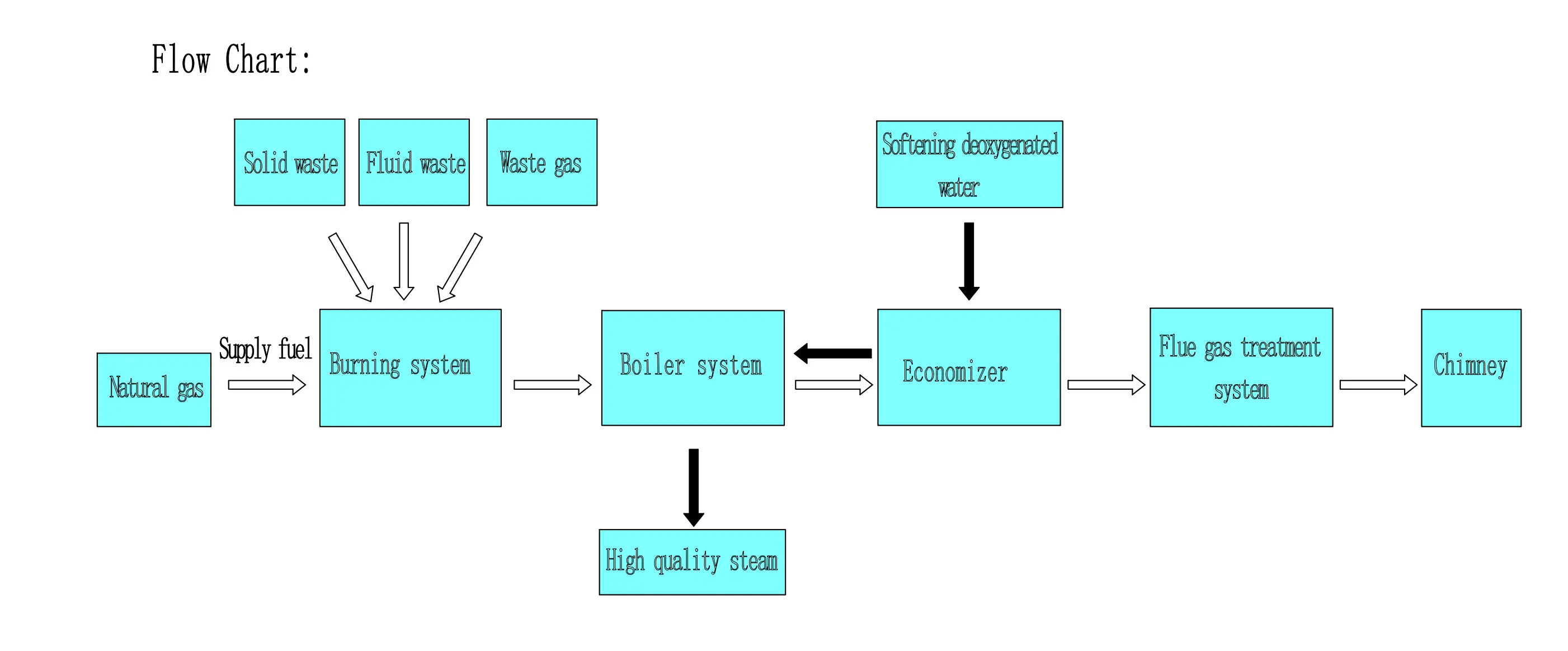
Using low calorific value industrial waste liquid, gas, and residue as fuel, supplemented by oil/gas ignition, this system utilizes high-efficiency co-firing technology to turn waste into resources.

Fuel Technical Index

Liquid: Sewage with organic/inorganic toxic substances, chemical waste liquid, textile dyeing wastewater.

Gas: Soot, odor, irritating harmful gases, biological gas, steel/chemical industry waste gas.

Slag: Fly ash, calcium carbide slag, coal slime, paper/leather industry sludge.

Boiler Technical Characteristics

• High-temperature incineration integrated with pyrolysis and waste heat recovery.

• Integrated compact furnace structure for space efficiency.

• Vertical closed structure for long-term continuous operation.

• Wide load regulation (30%~110%).

Engineering Applications:

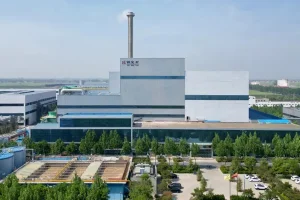
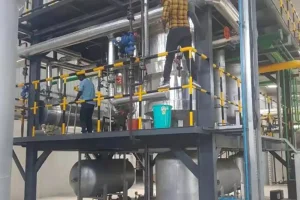
Widely used in petrochemical, printing and dyeing, textile, paper, and biopharmaceutical industries for comprehensive waste treatment and energy recovery.
Process Flow & Engineering Cases
Process Flow Chart
System Flow Chart
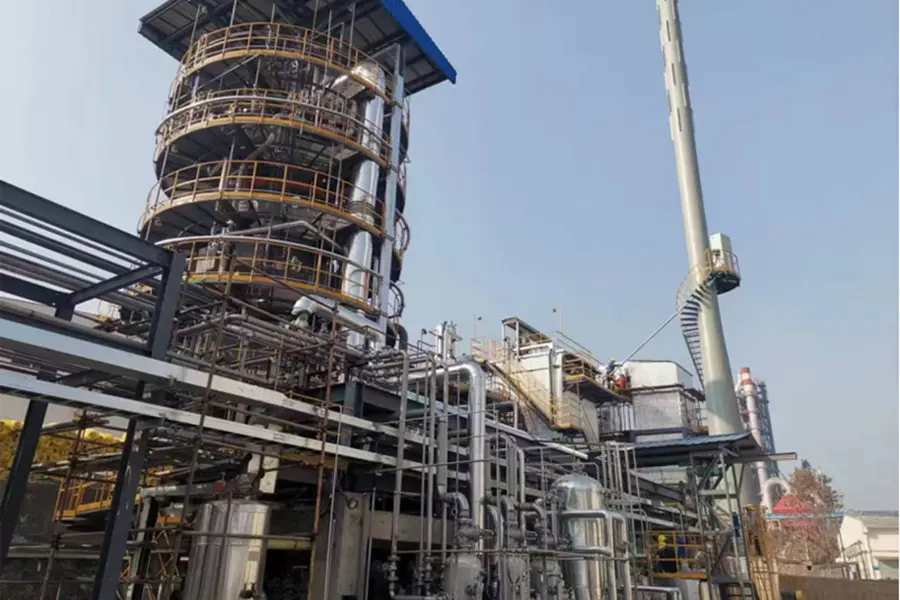
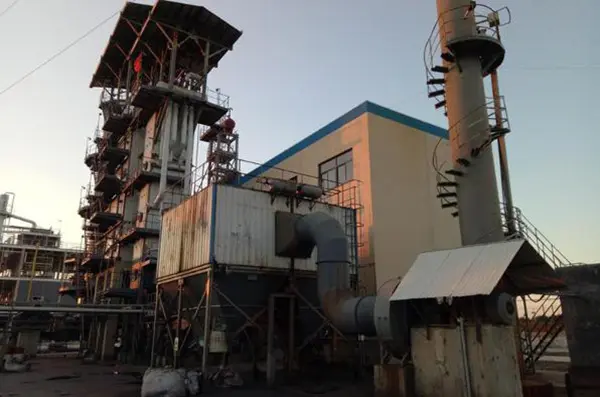
Case 1
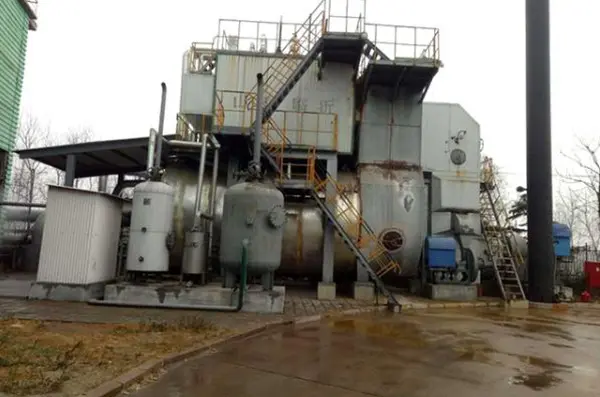
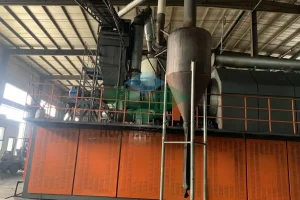
Fine chemical industry waste residue boiler
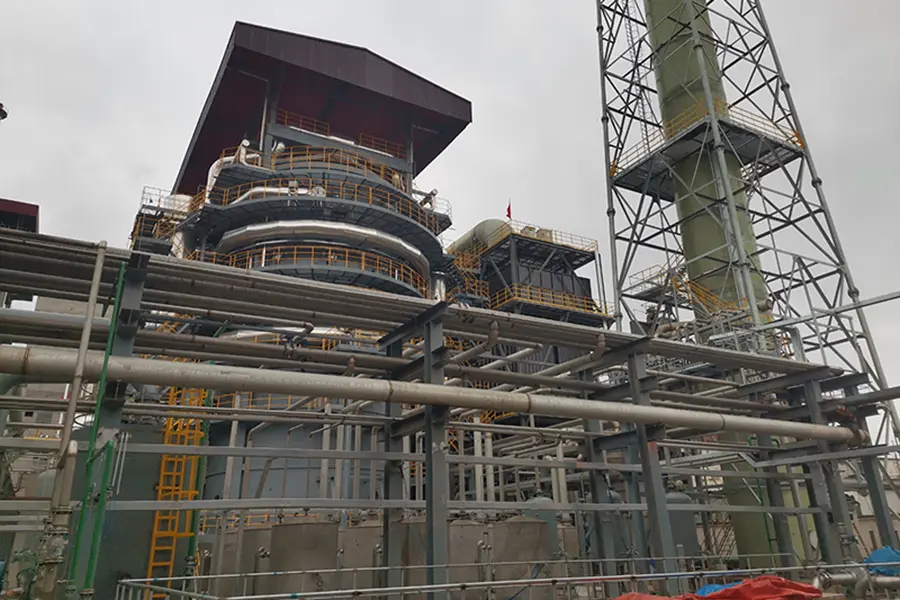
Case 2
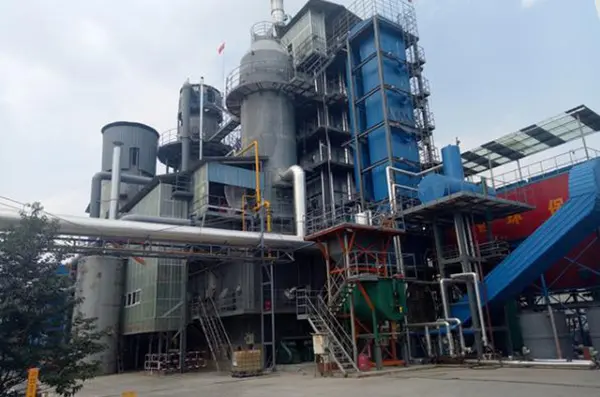
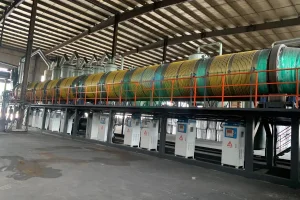
Formaldehyde waste gas incineration boiler
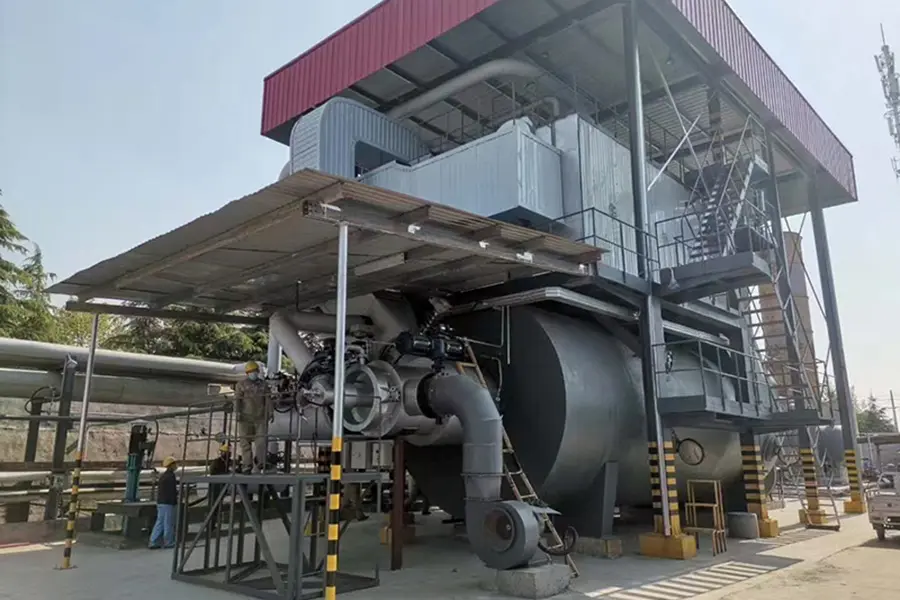
Case 3
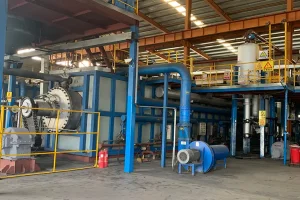
Wastewater high-temperature incineration boiler
Frequently Asked Questions
Q: What is the decomposition temperature for toxic waste?
A: The system operates at 1000 ℃ with a residence time of more than 1.5 seconds to ensure complete decomposition into harmless emissions.
Q: Can the system handle different types of waste simultaneously?
A: Yes, high-efficiency co-combustion technology allows for the simultaneous incineration of waste liquid, waste gas, and waste residue.
Q: Does the system include environmental protection measures?
A: Absolutely. The process includes denitrification, desulfurization, and dust removal to meet environmental standards.
Q: Is it possible to recover energy from the incineration process?
A: Yes, the integrated design includes waste heat recovery to generate steam, hot water, or conducting oil for industrial use.
Q: What is the operational flexibility of the boiler?
A: The boiler features excellent load regulation, remaining stable within 30% to 110% of its rated capacity.
Q: How does the system save on installation costs?
A: By integrating the incinerator and heat recovery furnace into a single compact structure, it significantly reduces the floor space required and lowers overall investment.

Related Products