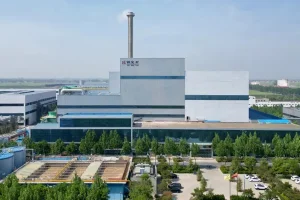
Engineered for Maximum Recovery and Environmental Compliance
In the modern industrial landscape, "waste" is no longer a liability but a strategic resource. The global tire recycling equipment market is witnessing an unprecedented surge, driven by stringent environmental regulations and the shift toward a circular economy. Millions of tons of End-of-Life Tires (ELT) are generated annually, posing significant environmental risks if not managed properly. Today’s top-tier suppliers are moving beyond simple shredding; they are providing sophisticated waste-to-energy ecosystems.
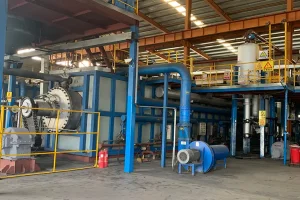
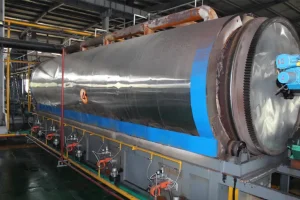
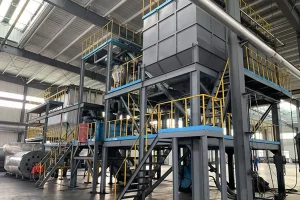
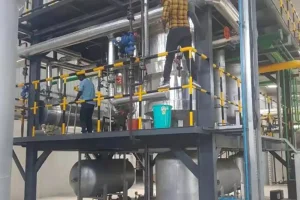
Industrial-scale pyrolysis technology has emerged as the gold standard. By breaking down rubber polymers in an oxygen-free environment, high-quality tire recycling equipment converts scrap tires into valuable Tire Pyrolysis Oil (TPO), recovered Carbon Black (rCB), and high-tensile steel wire. This process not only solves the landfill crisis but also provides sustainable raw materials for the plastic, rubber, and energy sectors.
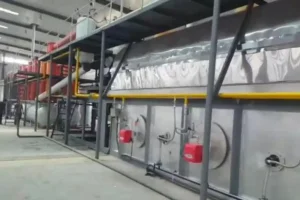
Modern continuous pyrolysis plants feature PLC control systems, minimizing manual labor and ensuring consistent output quality through precise temperature management.
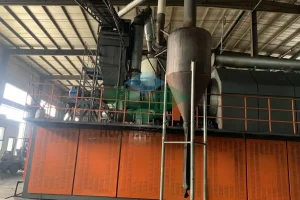
Advanced flue gas cleaning systems and zero-discharge cooling water circuits ensure that recycling facilities meet the strictest EU and North American emissions standards.
By producing high-grade fuel oil and refining carbon black, industrial players can achieve rapid payback on their equipment investment while contributing to carbon neutrality.
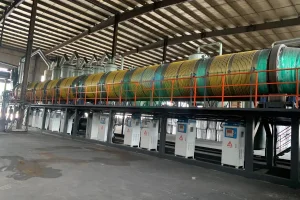
Global procurement needs for tire recycling equipment are diversifying. In developed markets like Europe and North America, there is a massive demand for fully continuous pyrolysis systems that can handle large volumes with minimal downtime. Conversely, in emerging markets across Southeast Asia and Africa, there is a focus on semi-continuous systems and rotary kiln designs that offer a balance between cost-efficiency and reliable performance.
Key trends defining the industry in 2024 and beyond include:
As the world's manufacturing hub, China has pioneered the commercialization of large-scale pyrolysis technology. Choosing a Tier-1 Chinese supplier like Huayuan Tech offers a unique combination of technical expertise, manufacturing scale, and cost-effectiveness that is difficult to match elsewhere. Our advantages stem from a complete industrial supply chain and a deep commitment to R&D.
Focus on waste to energy and waste tire pyrolysis technology, Huayuan Tech was founded in 1968. Company covers an area of 209,335 square meters, plant area of 98,680 square meters, more than 500 employees, engineering and technical personnel accounting for 34% of the total number of employees.
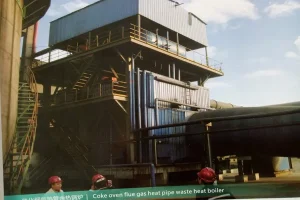
We possess a complete range of A-class boilers and pressure vessels complete sets of manufacturing and testing equipment. Our credentials include:
Our long history since 1968 demonstrates our reliability and trustworthiness. In an industry where equipment safety is paramount, our dual background in pressure vessel manufacturing and pyrolysis technology ensures that every reactor we build is engineered to the highest safety standards in the world.
The application of our tire recycling equipment varies by region, allowing us to provide tailor-made solutions for our clients:
In regions with heavy infrastructure growth, the steel wire recovered from tires is a valuable scrap metal, while rCB is used in cement and asphalt additives.
Pyrolysis oil is an excellent substitute for heavy fuel oil in glass factories, steel mills, and cement kilns, providing a localized energy source.
Advanced carbon black refining allows tire manufacturers to re-integrate recycled materials back into new tire production, fulfilling sustainability quotas.
Huayuan Tech has evolved into a comprehensive thermal equipment system integrator, offering services from consultation and manufacturing to investment, financing, and contract energy management. This holistic approach ensures that our global partners receive not just a machine, but a sustainable business model.
Explore our full range of industrial recycling and refining plants
 Huayuan