High-Quality Waste to Energy Plant Suppliers, Factory

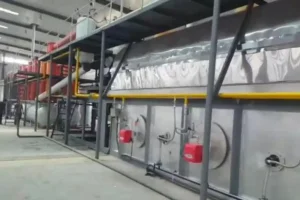
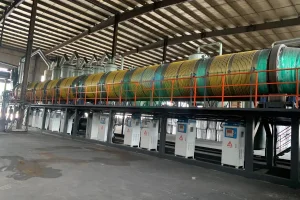
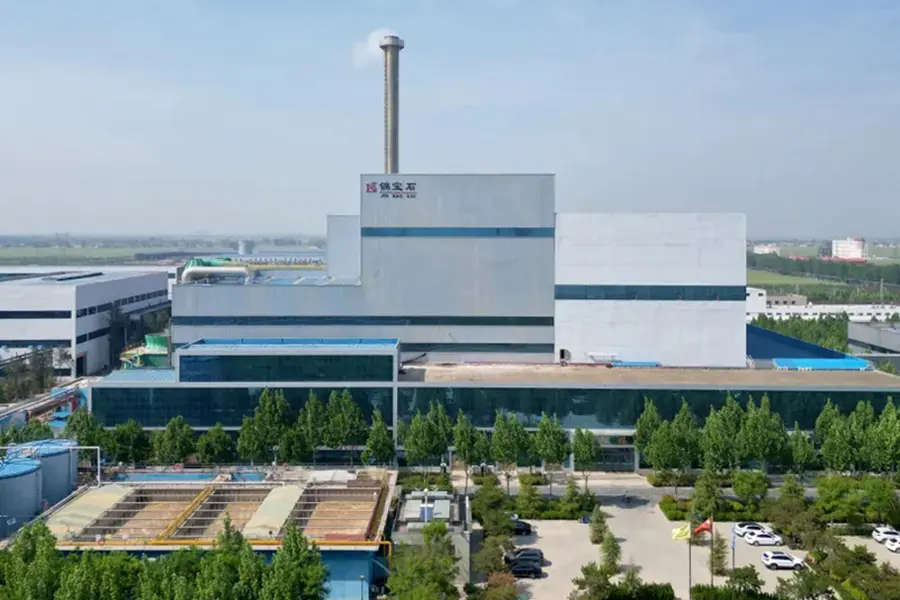
Waste to energy plant, also known as a waste incineration power plant or waste-to-power plant, is a facility that converts non-recyclable waste materials into usable forms of energy, such as steam and electricity. The waste is mainly including municipal solid waste, industrial waste, and biomass waste. These waste materials are usually a mixture of organic and inorganic substances that are no longer useful in their original form and require proper disposal.

The volume of waste after incineration is only about 10-20% of the original volume. The residue after high temperature incineration is non-toxic and harmless. It can be directly  buried, and can also be used as building materials, real realization of domestic waste  resources, reduction, harmless treatment.

Product Description

Animation Video

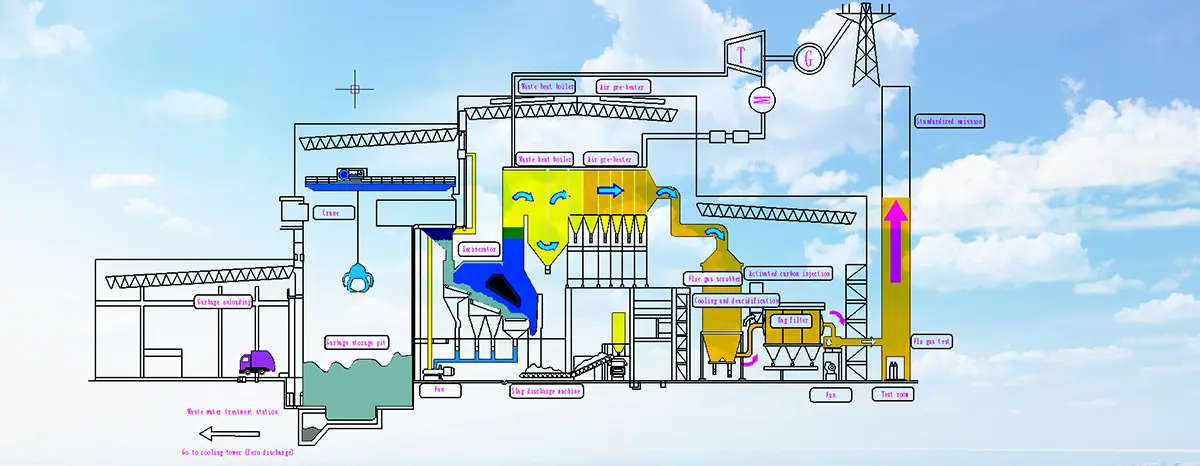
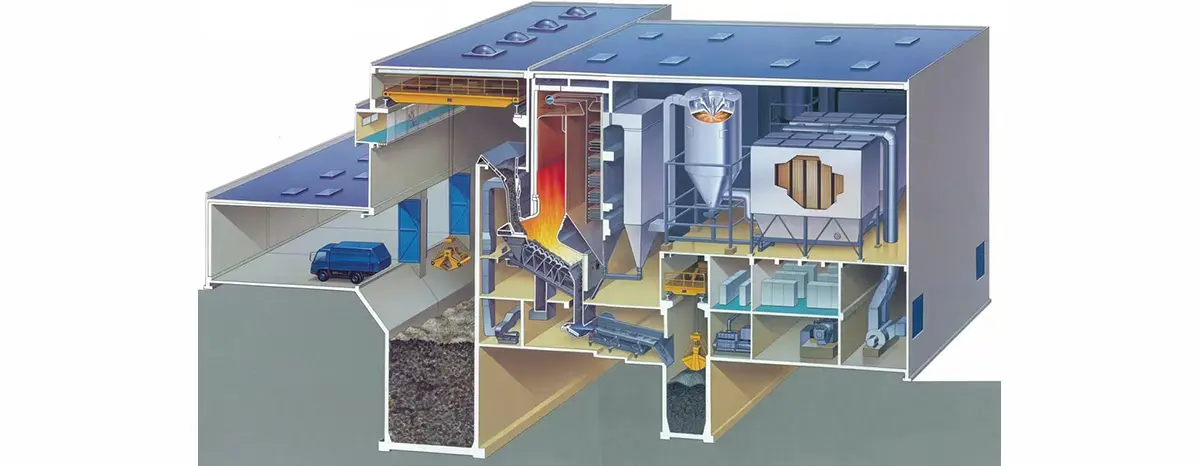
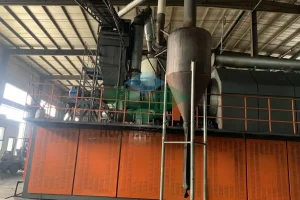
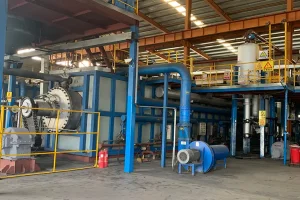
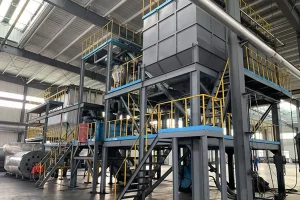
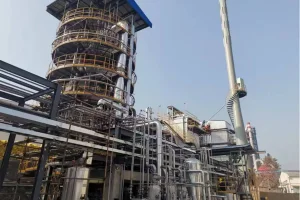
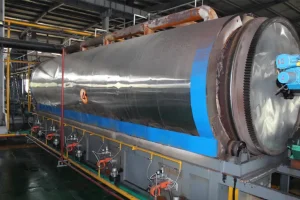
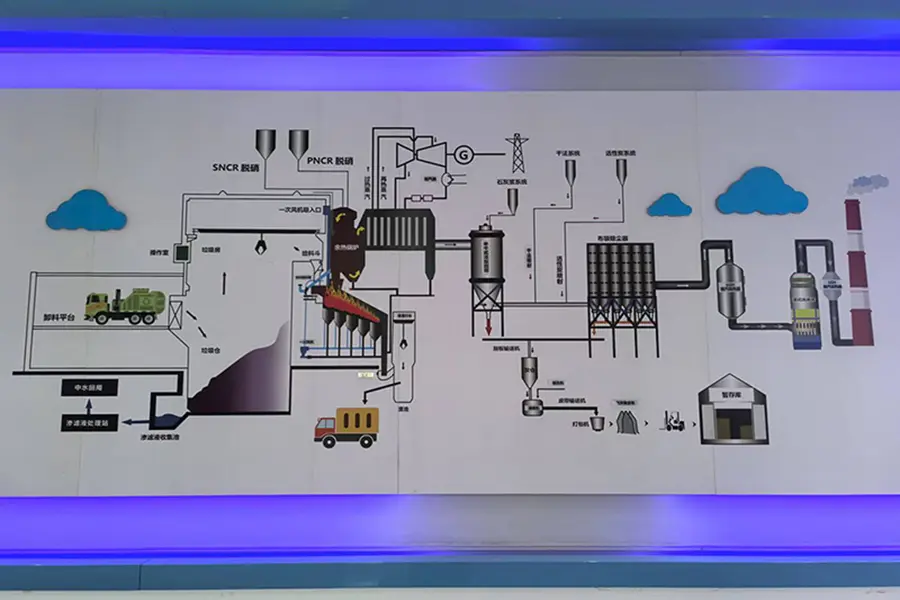
The waste to energy system is composed of a garbage incinerator, waste heat boiler, flue gas duct, denitrification system, deacidification tower system, dust collector system, boiler auxiliary machine, etc. The garbage is fed into the garbage feeding hopper by the grab, and is pushed into the incinerator by the pusher after passing through the bypass cracking device and the chute. The incinerator grate consists of three parts: the drying section, the burning section, and the burning section. The burnt waste ash and dregs are discharged through a slag discharging machine. The high temperature flue gas produced by combustion is discharged from the chimney after it reaches the discharge standard through the waste heat boiler and the flue gas treatment system.
Waste to Energy Process 1
Waste to Energy Process 2
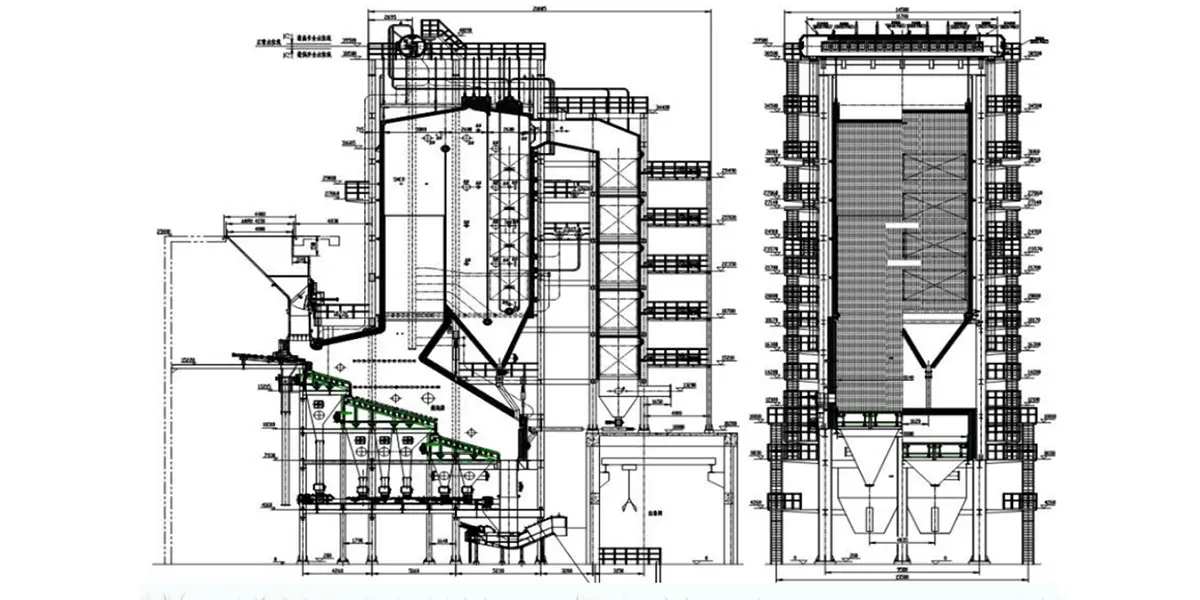
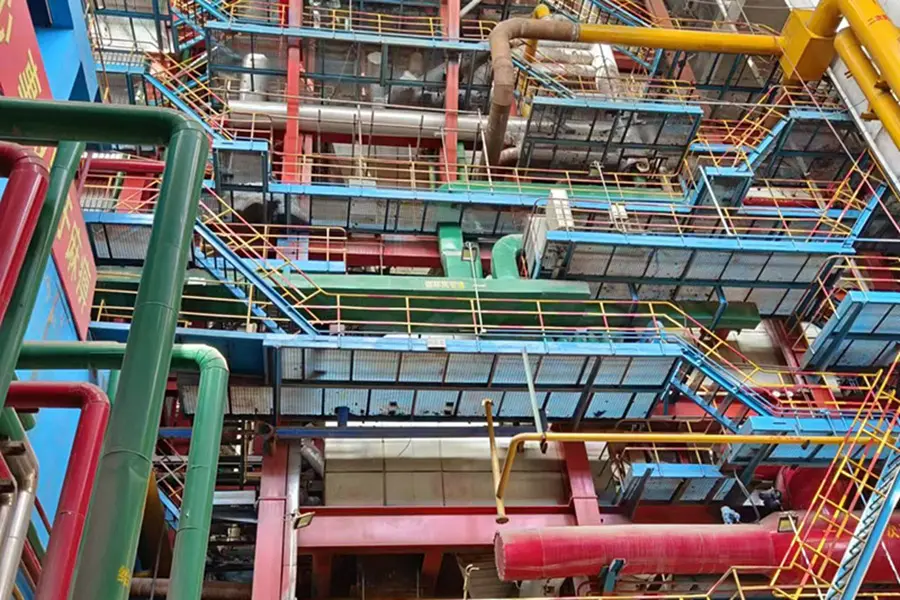
The waste heat boiler is a single-drum, natural circulation medium pressure boiler, which adopts a suspension structure. The boiler is horizontal and consists of three vertical membrane water wall channels (i.e., Furnace I, combustion chamber II, convection shaft). High-temperature superheater, middle-temperature superheater, low-temperature superheater, and suspended tube superheater are arranged from bottom to top in the convective shaft. A water-jet temperature reducer is arranged between the high and middle temperature superheater and the middle and low temperature superheater to adjust the steam temperature at the outlet of the superheater.
Waste Heat Boiler Structure

Key Features

⚙️ We own a complete set of core technologies of WTE boilers and waste incinerators, with strong capacity in designing, manufacturing, and supplying premium quality products.
📊 With extensive technologies and operation references for large capacities and high parameters, we are dedicated to creating excess value for clients.
🔥 Furnaces of insulating, air cooling, and water cooling types are developed to adapt to different heating values of Municipal Solid Waste (MSW) with large fuel flexibility.
💡 Front and rear arches are properly arranged on a case-by-case basis to reduce the loss of ignition and increase thermal efficiency.
🛡️ The heating surfaces are provided with efficient soot-blowing arrangement and proper layout to ensure heat exchange efficiency.
🔧 Mature and reliable anti-corrosion solutions for furnace, superheater (high temperature), and economizer (low temperature).

Customer Case Video

📋

Technical Data

Performance Parameters of LC Series Solid Waste Incineration Boiler
Items LC35-5-1.25 LC40-5-1.25 LC60-6-1.25 LC60-8-1.25 ALC120-12-1.25
Rated output (t/h) 5 5 6 8 12
Rated Working Pressure (Mpa) 1.25 1.25 1.25 1.25 1.25
Steam temperature (°C) Saturated (194) Saturated (194) Saturated (194) Saturated (194) Saturated (194)
Combustion mode Chain layer combustion Chain layer combustion Chain layer combustion Chain layer combustion Chain layer combustion
Fuel type Coal, firewood Coal, firewood Paper waste (hum. <20%) Paper waste (hum. <20%) Paper waste (hum. <20%)
Grate area (m²) 10 8.3 8.9 11.2 18
Daily treatment waste (t/d) ~35 40 60 60 120
🌍

Application

This technology has been widely used in municipal solid waste treatment, waste incineration for power generation, waste incineration in the paper industry, general solid waste treatment, urban central heating, and other critical environmental and energy fields.

Frequently Asked Questions

What types of waste can these boilers incinerate?
Our systems are designed to handle Municipal Solid Waste (MSW), paper industry waste, coal, firewood, and general solid industrial waste.
How does the system ensure environmental safety?
The system includes a complete flue gas treatment chain, including denitrification, deacidification, and dust collection systems to meet discharge standards before release.
What is the advantage of the horizontal boiler design?
The horizontal layout with vertical membrane water walls allows for efficient heat recovery, easier maintenance, and better control of the combustion temperature.
Can the incinerator handle high-moisture waste?
Yes, the incinerator grate features a drying section specifically designed to remove moisture from the waste before it reaches the burning sections.
How is high-temperature corrosion prevented?
We use mature anti-corrosion structural layouts and specialized materials for heating surfaces like the superheater to ensure long-term stability and reliability.
What is the daily processing capacity of the LC series?
The capacity ranges from 35 tons per day to 120 tons per day, depending on the specific model and waste characteristics.

Related Products