Cheap Pyrolysis Oil Refining Plant Factories, Factory

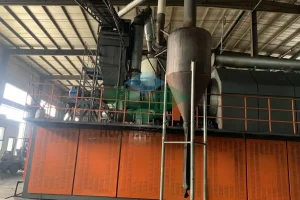
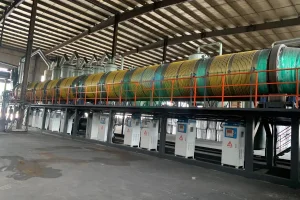
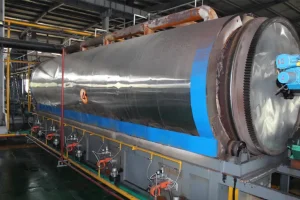
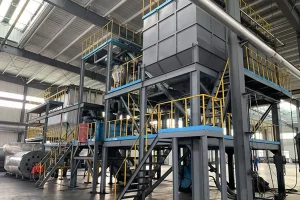
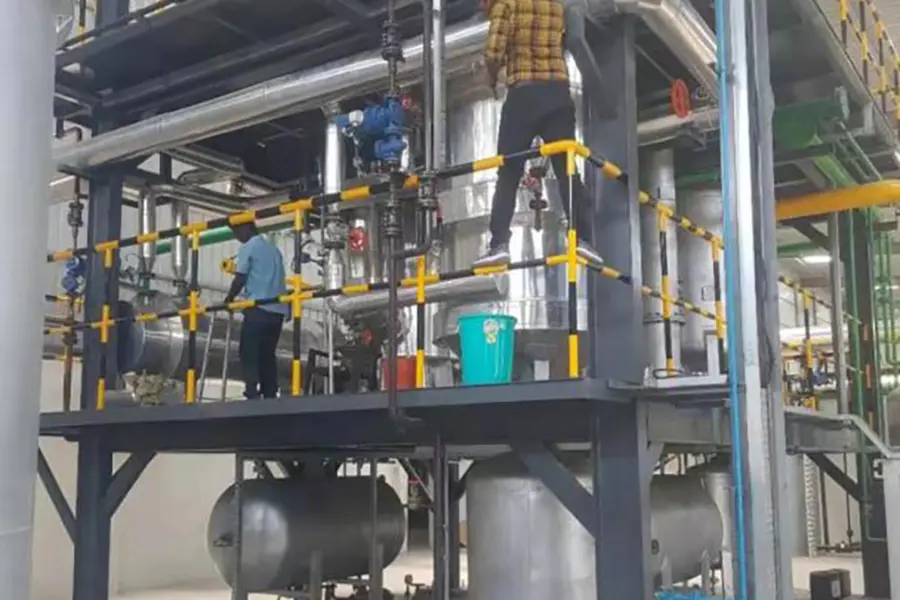
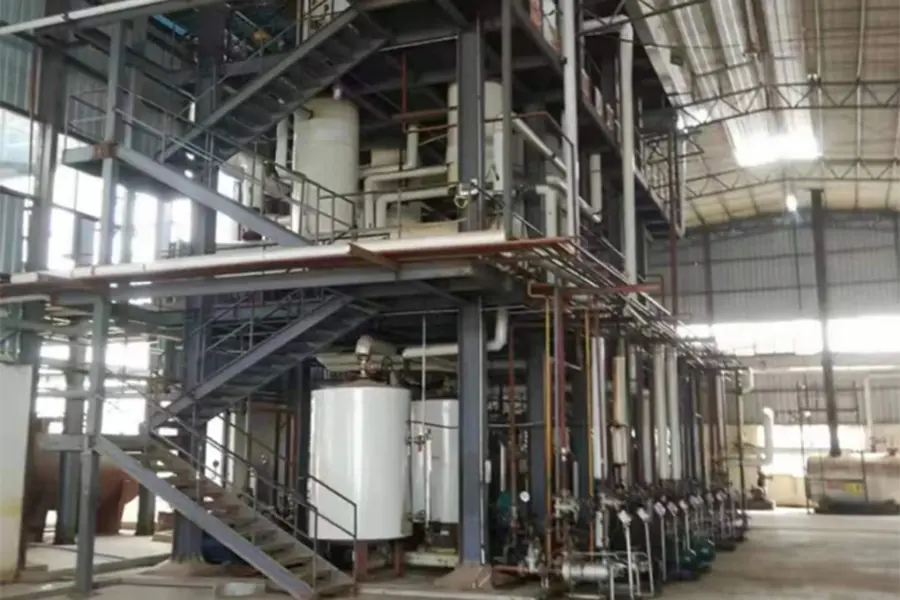
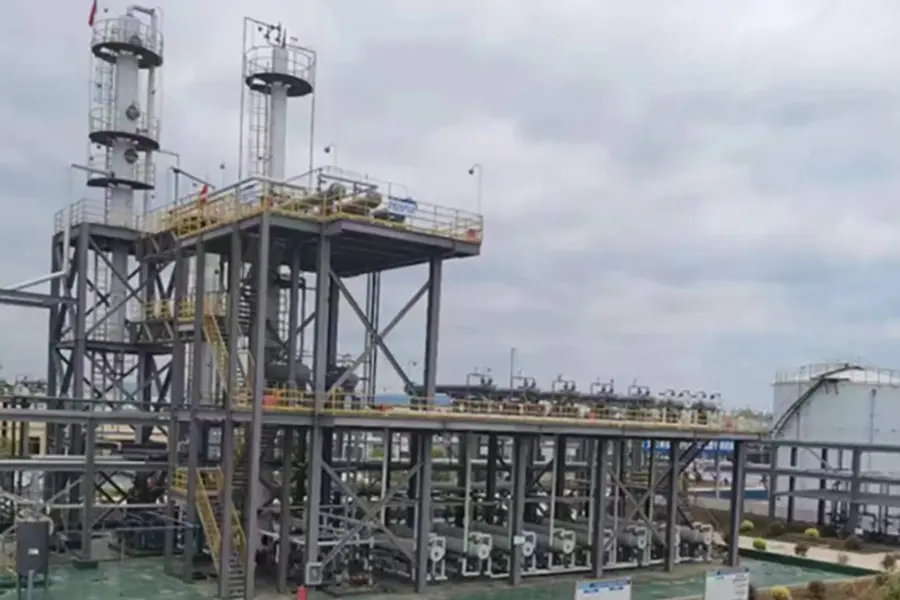
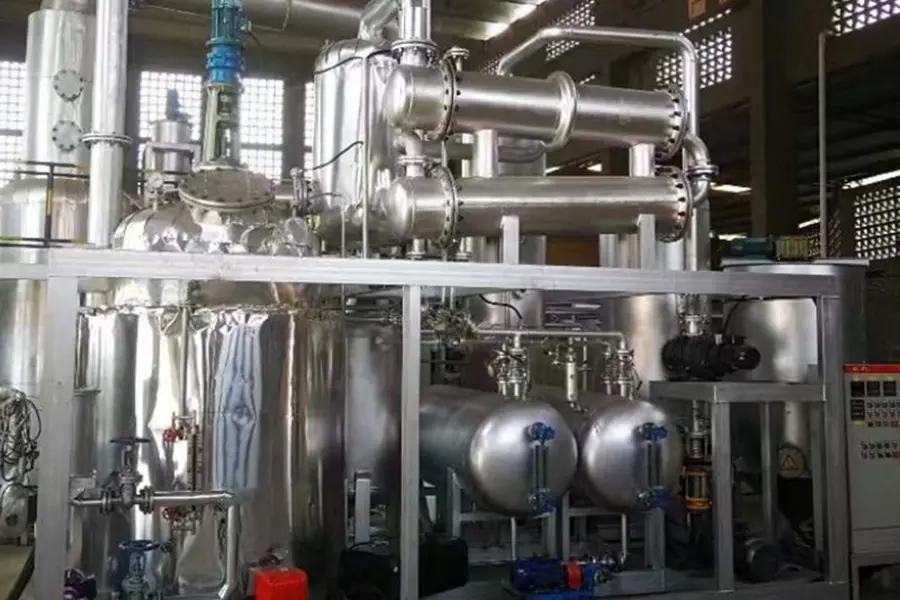
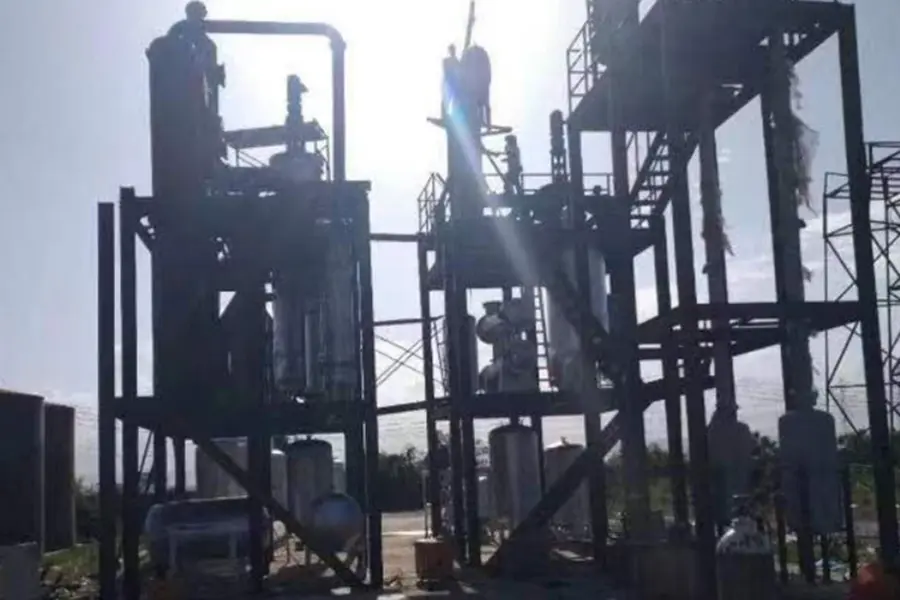
The distillation equipment of tire pyrolysis oil or other waste oil adopts the technology of vacuum atomization flash distillation. It is different from the traditional distillation, which depends on the boiling point difference separation principle, but realizes the liquid-liquid separation by the difference of the average free path of molecular motion of different substances. The free path of molecular motion refers to the distance between two adjacent collisions of a molecule. Light molecules will overflow from the liquid surface due to different distances of light molecules and heavy molecules entering the liquid surface after heating. The vacuum atomization flash distillation technology not only speeds up the molecular overflow time, but also makes the oil products not turn color after rectification.

Product Description

Advantages

Molecular Distillation Equipment

Short range molecular distillation adopts atomized flash distillation technology, which has incomparable advantages over other separation technologies:

  • Low Working Temperature: Operates far below the boiling point with high vacuum (no-load ≤ 5pa) and short heating time (seconds).
  • Heat Sensitivity: Especially suitable for the separation of substances with high boiling points, heat sensitivity, and easy oxidation.
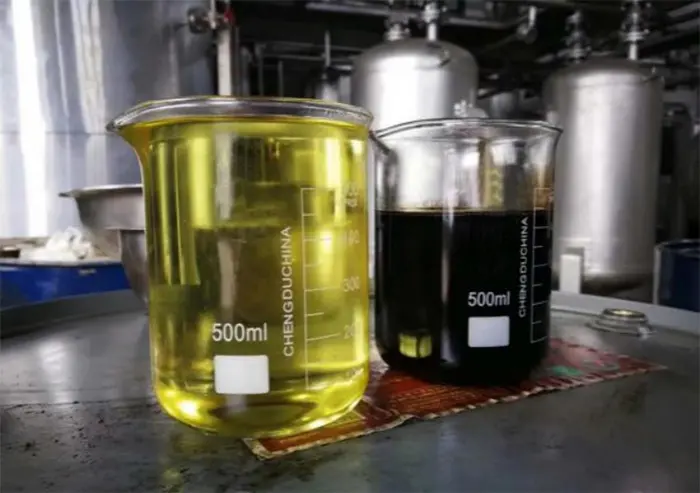
  • Effective Removal: Removes low molecular substances (deodorization of tire/plastic oil), heavy molecular substances (decolorization), and impurities.
  • Oil temperature between 100-120 ℃ (vacuum 200-300pa) extracts light gasoline and diesel components.
  • Oil temperature between 150-190 ℃ (vacuum 20-50pa) extracts diesel components.
  • Residual oil is sold as a by-product of industrial fuel oil.
  • Environmentally friendly: Sealed equipment, tail gas is incinerated at high temperatures for combustion support; no waste gas discharge.
  • Sustainable process: No pretreatment of raw crude oil required; no sulfuric acid or clay used, resulting in zero waste residue discharge.

Technical Data

Oil yield: 85-90% (calculated by oil net weight without water).
Operation: High automation; requires only 1 or 2 persons. Learning time is approximately 3 to 4 days.

No. System Components No. System Components
1Feeding system8Cooling Tower
2Pyrolysis Reactor9Extra Gas burning Room
3Reactor Basement and Burning Room10Sync Gas Purifying System
4Gas Separator11Water Seal
5Condensers12Smoke Clean System
6Oil Tanks13Chimney
7Carbon Black Discharging System14Control Cabinet

Test Values:

Test Item Test Method Test Value Standard Value
Viscosity(15c)ASTM D12980.84kg/L.....kg/L
Viscosity Index(40c)ASTM D4453.36cst1.6-5.8cst
Pour PointASTM D97-19℃≥0℃
Flash Point(open)ASTM D9360℃≥55
Water ContentASTM D95Trace%vol≤Trace %vol
Sulfur ContentASTM D12260.15%Wt0.2%Wt
Color of distillationYellow and transparent

Models of Waste Oil Distillation:

Models Unit MC-O-5 MC-O-15 MC-O-C20 MC-O-30 MC-O-50 MC-O-100
CapacityTons/Day515203050100
PressureMpa≤0.5
Vacuumpa-5 ~ -20
Temperature≤350
Total PowerKW8012012140180210
WeightT161922264656

* Note: We can provide 150-300T/D machines and customize heating methods (diesel or natural gas) according to requirements.

Fuel Oil Application

The end-products of the distillation process have a wide range of industrial applications:
  • Pyrolysis Oil: Used as fuel in steel, iron, boiler factories, ceramics, power, chemical industries, hotels, and restaurants, or for generators.
  • Carbon Black: Used for making construction bricks with clay or as industrial fuel.
  • Steel Wire: Can be sold directly or recycled to produce new steel products.

Customer Case Video

Frequently Asked Questions

What is the primary technology used in this distillation process?
The system utilizes short range molecular distillation with atomized flash distillation technology, which allows for separation at temperatures far below the boiling point.
What is the typical oil yield from waste oil?
The expected oil yield is between 85% and 90%, calculated based on the net weight of the oil excluding water content.
Is the distillation process environmentally friendly?
Yes. The equipment is completely sealed, and tail gases are incinerated at high temperatures. Furthermore, no sulfuric acid or clay is used, ensuring no waste residue discharge.
How many people are required to operate the machinery?
Due to high automation, the system can be operated by only 1 or 2 persons, with a short learning curve of 3 to 4 days.
What are the main uses for the resulting pyrolysis oil?
The oil is widely used as industrial fuel for steel plants, boiler factories, ceramics, and chemical industries, or as fuel for electricity generators.
Can the system handle different processing capacities?
Yes, we offer various models ranging from 5 tons per day to 100 tons per day, and can provide custom solutions up to 300 tons per day.

Related Products