High-Quality Waste Disposing Machine Supplier & Factories

Pioneering Thermochemical Upcycling & Advanced Pyrolysis Engineering for Carbon-Neutral Solid Waste Management

Industrial-Grade Thermal Disposing Solutions

Engineered for High-Yield Pyrolysis, Waste-to-Energy Recovery, and Clean Flue Gas Performance
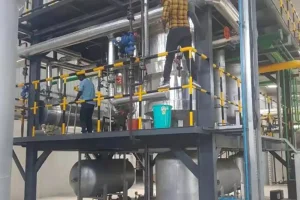
Cheap Pyrolysis Oil Refining Plant
Cheap Pyrolysis Oil Refining Plant Factories, Factory

High conversion rate technology to refine crude oil fractions to standardized fuel properties.
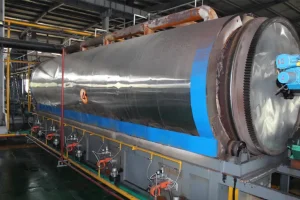
Semi-Continuous Rotary Kiln Pyrolysis Plant
High-Quality Semi-Continuous Rotary Kiln Pyrolysis Plant Suppliers, Supplier

Optimized rotary reactor sealing to control temperature gradients and maximize process efficiency.
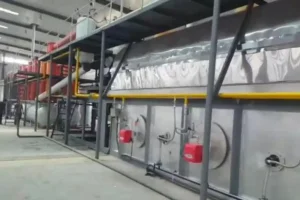
Continuous Pyrolysis Plant (Rubber Powder)
High-Quality Continuous Pyrolysis Plant (Rubber Powder Feedstock) Supplier

Continuous automated feed design tailored for finely milled tire rubber powder inputs.
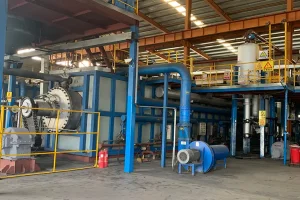
Continuous Screw Pyrolysis Plant
Cheap Continuous screw pyrolysis plant Manufacturers, Factory

Internal screw propulsion ensuring uniform thermal distribution and continuous carbon discharge.
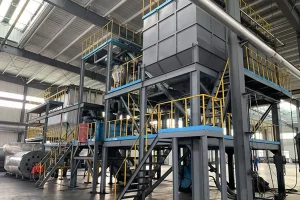
Recovered Carbon Black Refining Plant
High-Quality Recovered Carbon Black Refining Plant Manufacturers

Pulverization and magnetic separation systems to produce standardized carbon black from tire char.
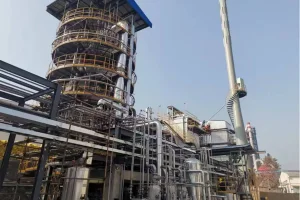
Industrial Solid Waste to Energy Plant
High-Quality Industrial Solid Waste to Energy Plant Manufacturers

Comprehensive waste valorization systems transforming factory refuse into usable heat or electricity.
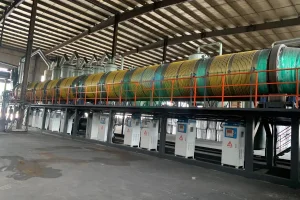
Electrical Heating Continuous Pyrolysis Plant
Cheap Electrical Heating Continuous Pyrolysis plant Manufacturers

Electrical resistance heating design for precise thermal zoning and zero-combustion emissions.
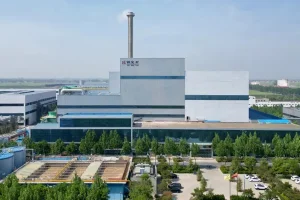
Waste to Energy Plant
High-Quality Waste to Energy Plant Suppliers, Factory

Engineered boiler components designed to capture high-temperature synthesis heat safely.

About Huayuan Tech

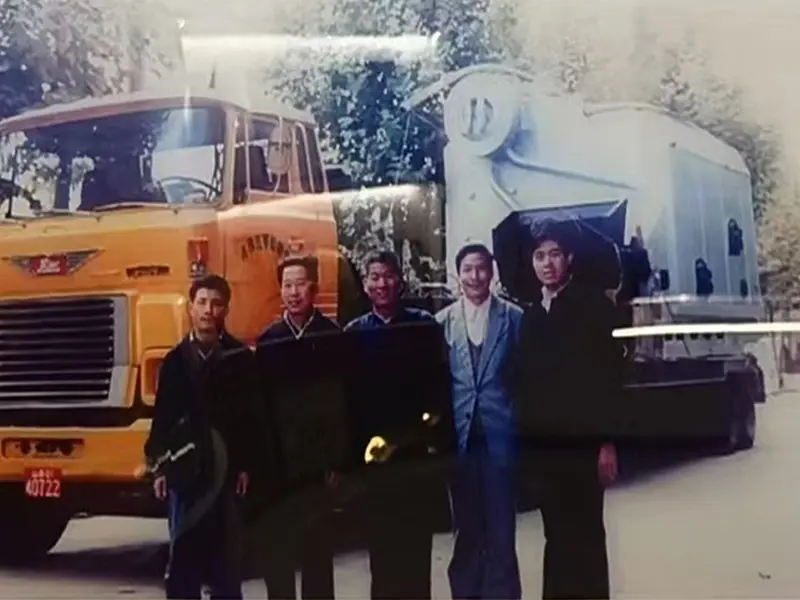
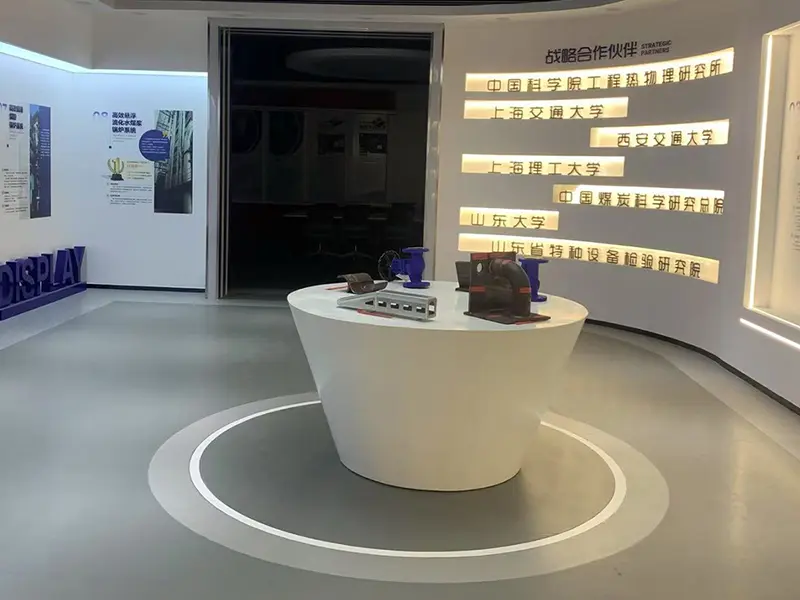
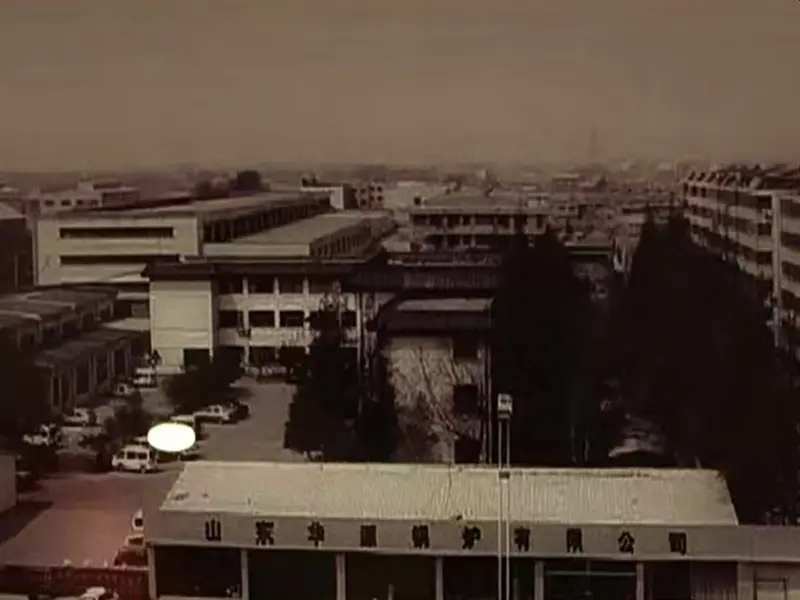
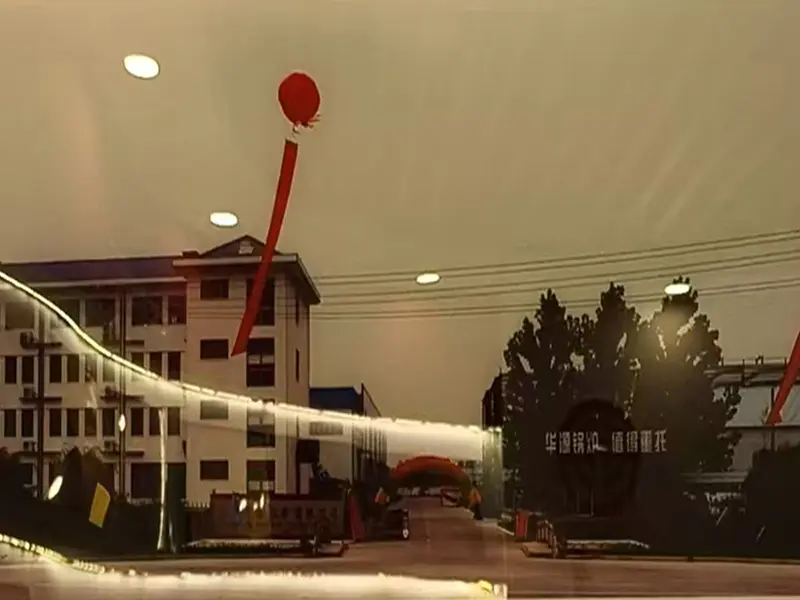
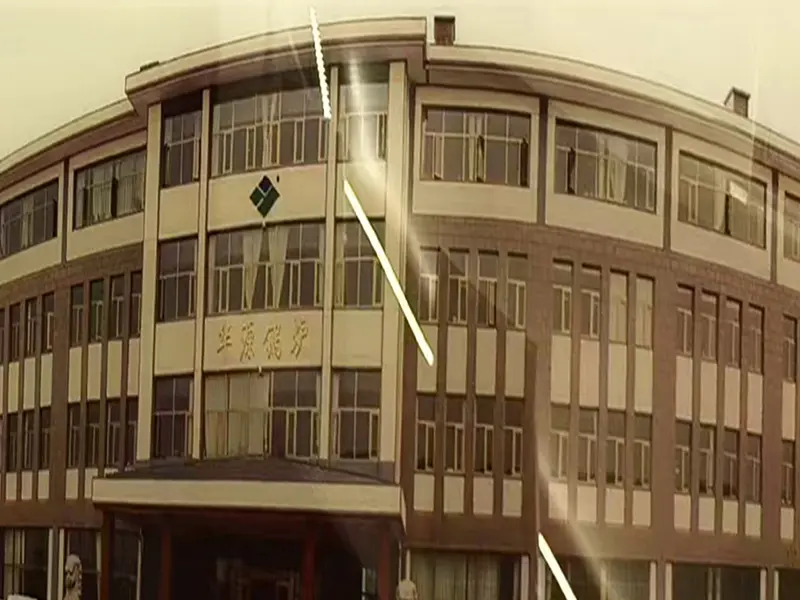
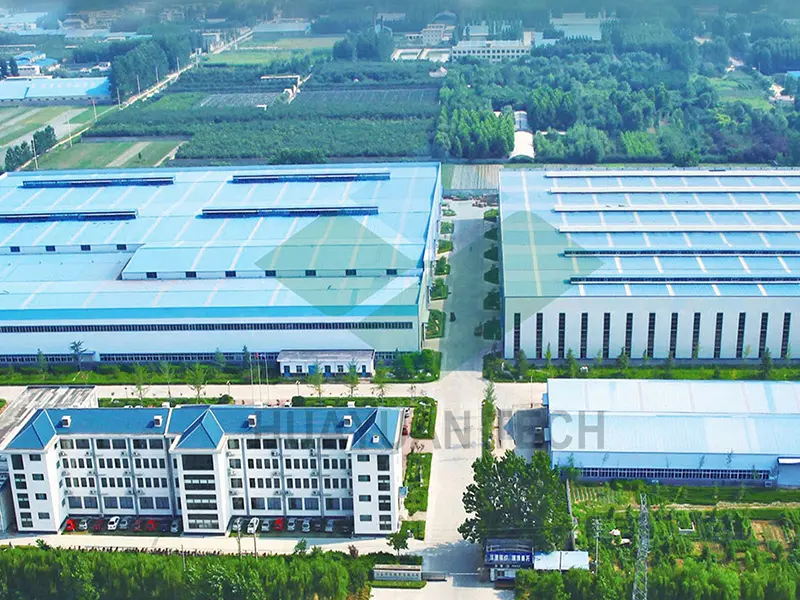
Founded in 1968, Huayuan Tech is a global front-runner in waste-to-energy technology and waste tire/plastic scrap pyrolysis machinery. Spanning a massive footprint of 209,335 square meters, with modern plant facilities occupying 98,680 square meters, we employ more than 500 seasoned manufacturing professionals. Our engineering and technical division constitutes 34% of our workforce, ensuring rigorous analytical design and performance validation on all equipment.

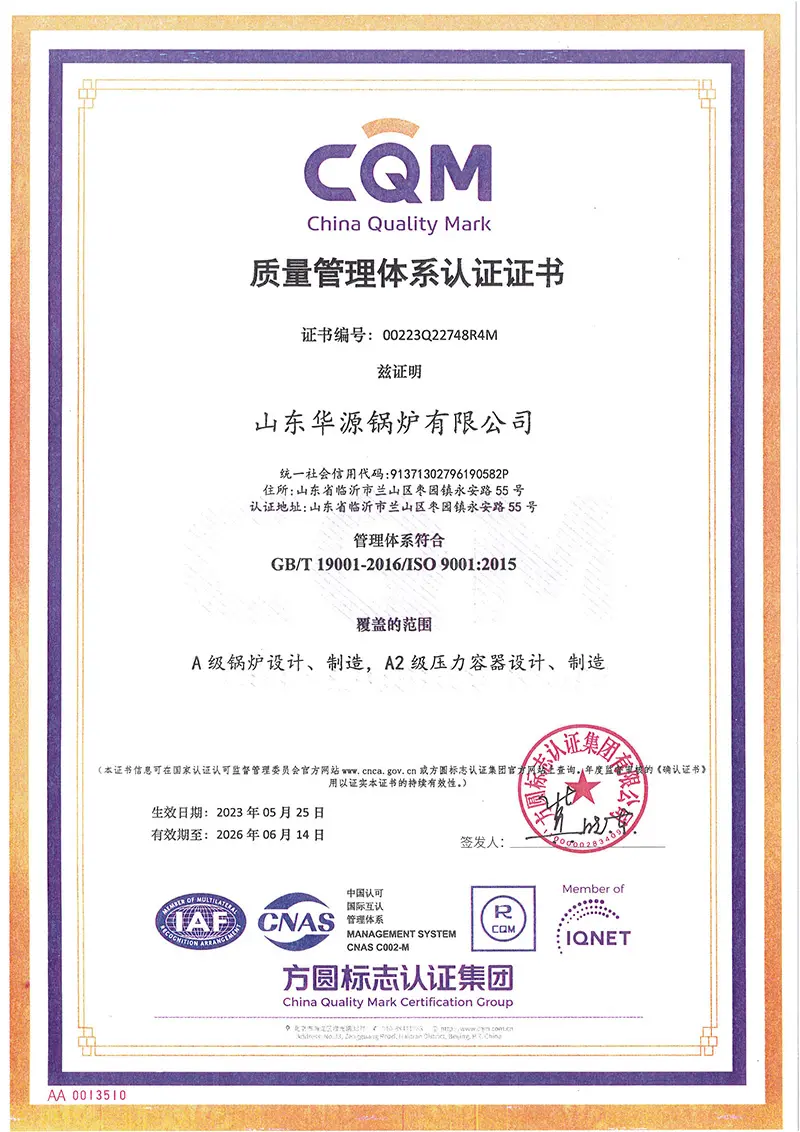
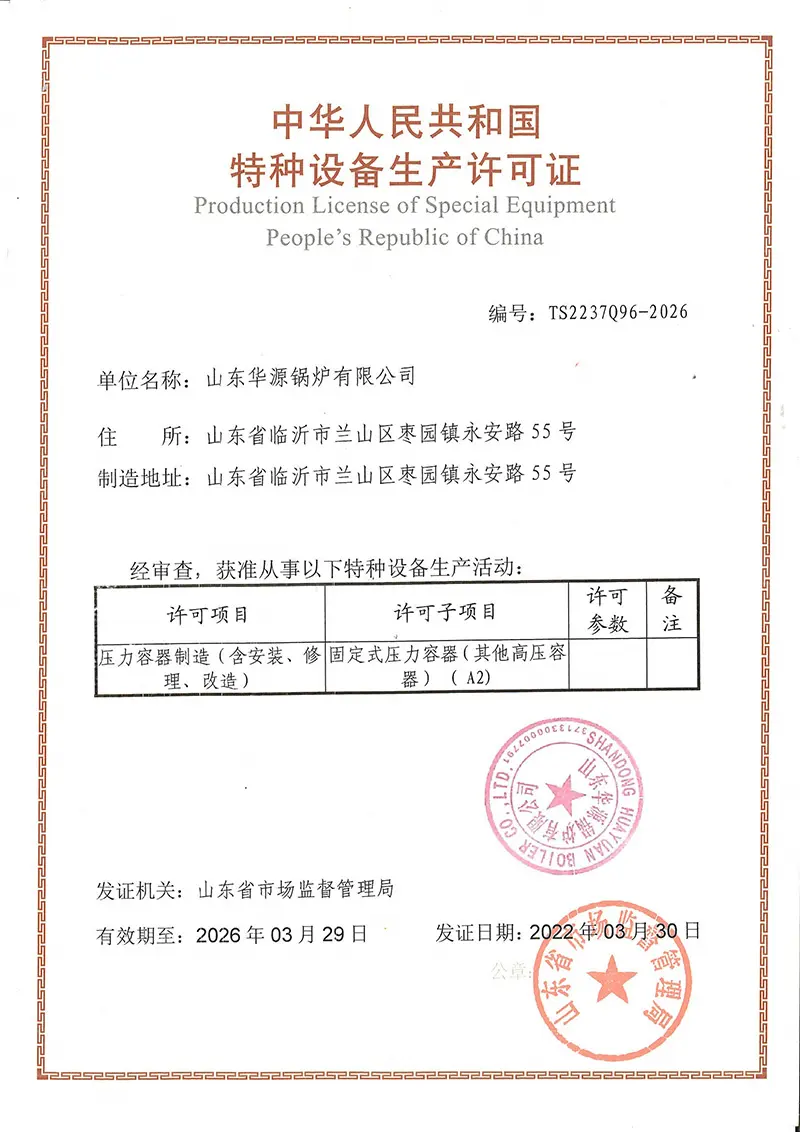
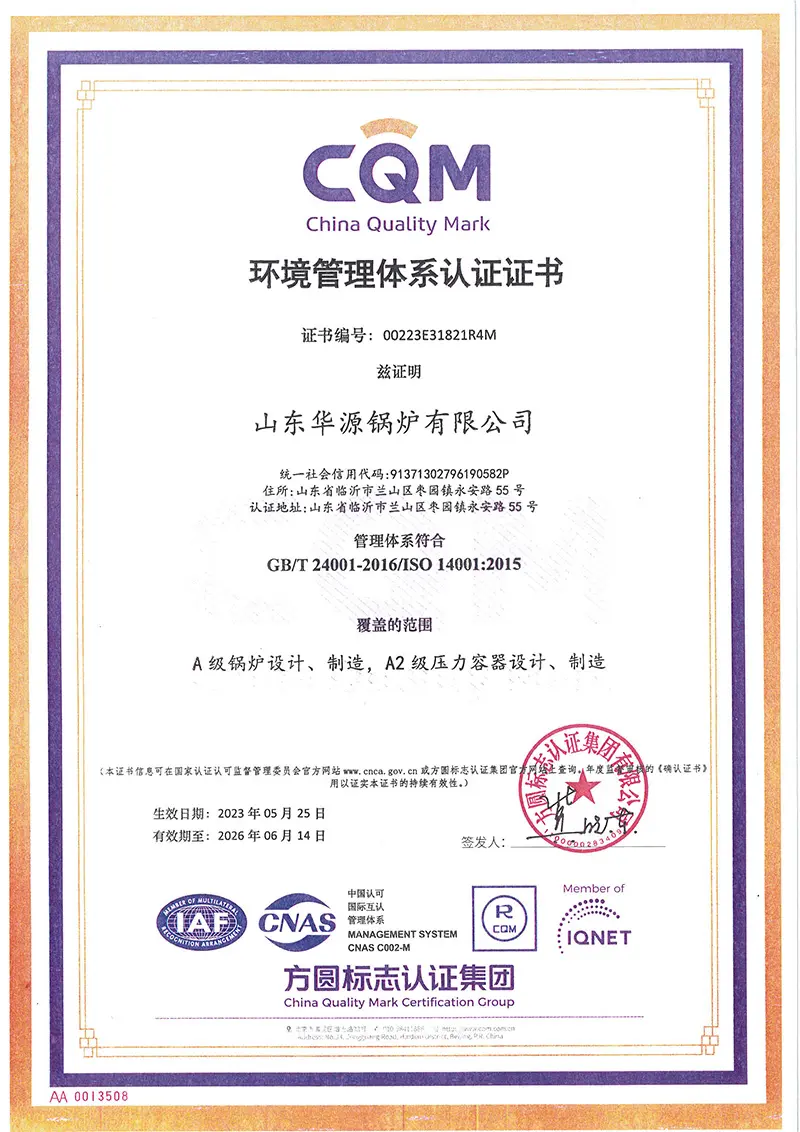
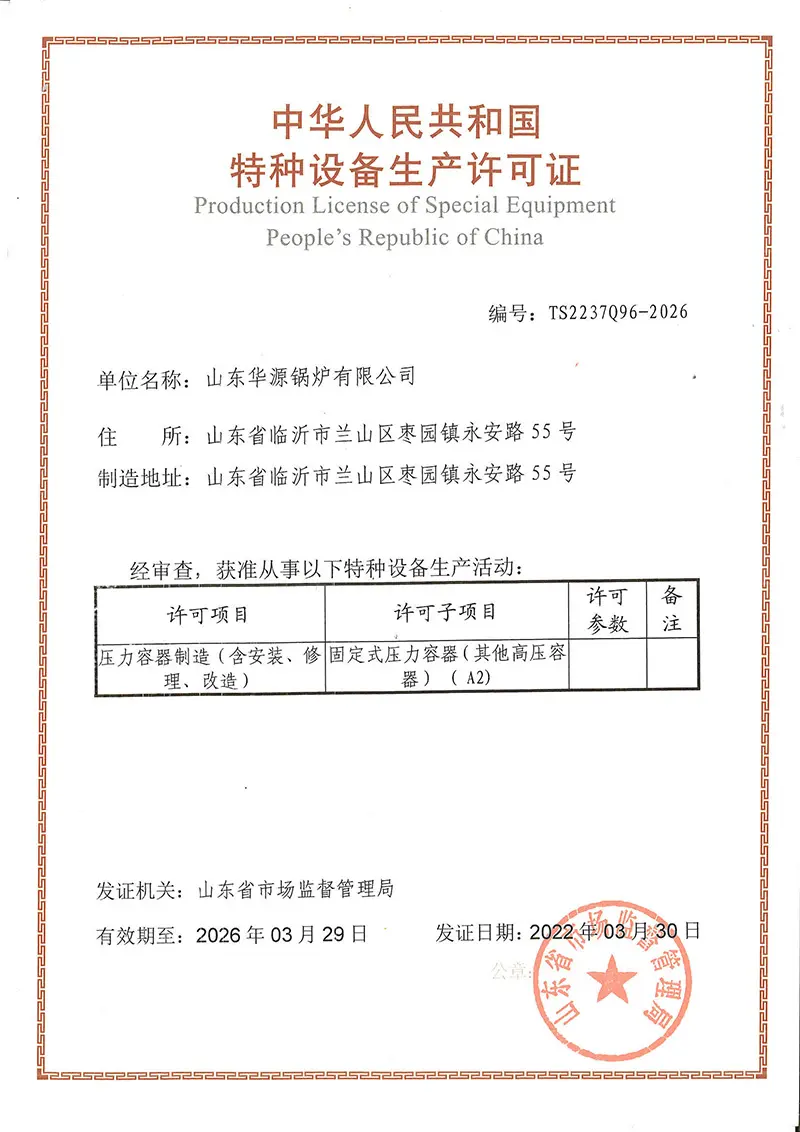
We possess national A-class boiler manufacturing and A2-class pressure vessel manufacturing licenses, alongside D1/D2 pressure vessel design certificates and pressure pipe installation permits. Certified under ISO9001, ISO14001, OHSAS18001, and the American Society of Mechanical Engineers (ASME) standards, Huayuan Tech merges industrial legacy with innovative research to deliver stable, high-yield municipal and industrial solid waste recovery solutions globally.
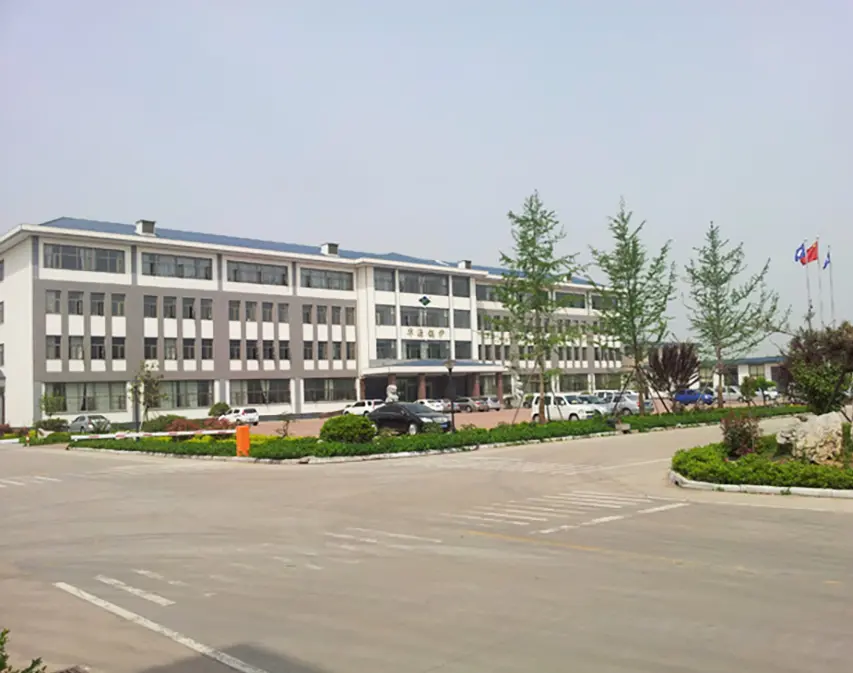
Huayuan Tech Industrial Plant
1968
Established
500+
Employees
209k+
Factory Area (M²)
34%
R&D Specialists

Unlocking Thermal Recovery Solutions

Huayuan Tech provides comprehensive project consulting, plant sizing, mechanical engineering, thermal integration, contract energy management, and commissioning services. Our expertise encompasses continuous scrap tire reactors, municipal waste pyrolysis, heat boiler integration, and gas scrubbers tailored to match the emission criteria of strict environmental agencies.

By prioritizing the reduction of non-condensable hydrocarbon gases and implementing efficient heat recycling loops, our systems run self-sufficiently, utilizing internal syn-gas to power the heating burners, substantially decreasing lifecycle operational costs.

Our Engineering Journey & Milestones

Over Five Decades of Evolution in Boiler Engineering and Thermochemical Depolymerization
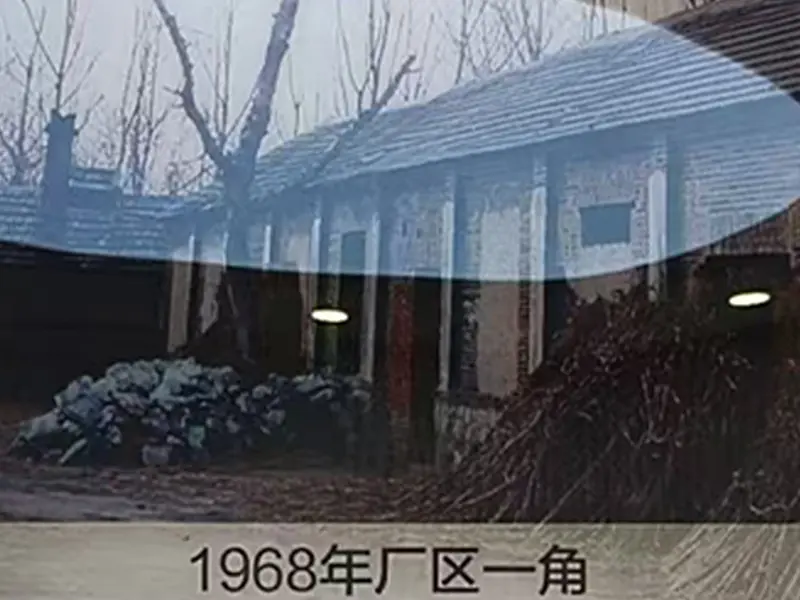
Huayuan 1968
1968
Huayuan Technology initiated early-stage development of high-pressure boiler components in localized municipal workshops.
Huayuan 1975
1975
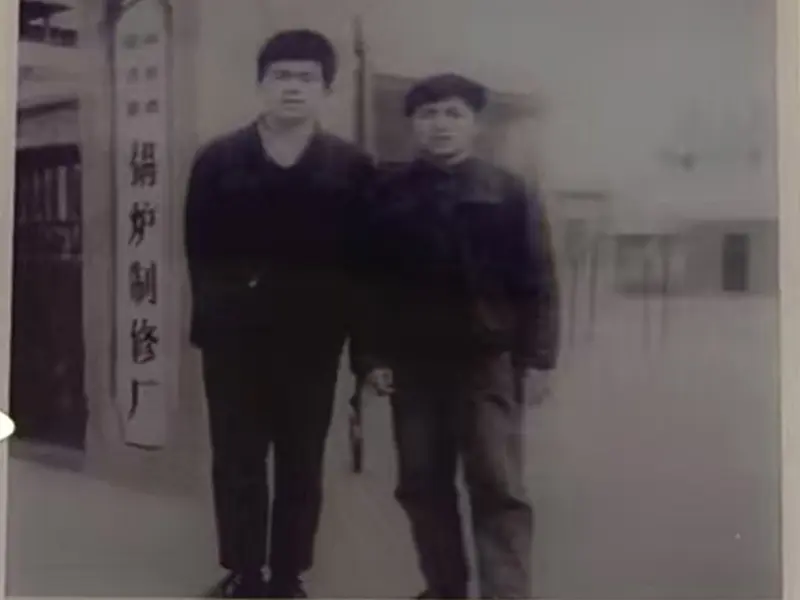
Restructured into Linyi County Boiler Manufacturing and Repair Factory, expanding production scale under the Industrial Bureau.
Huayuan 1981
1981
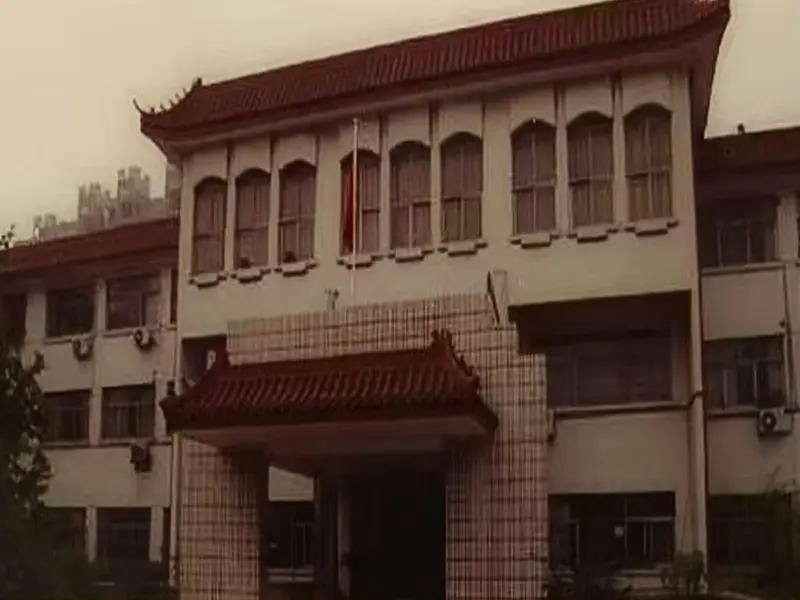
Renamed Linyi Boiler Factory. Merged facilities and relocated to 373 Tongda Road to handle heavy industrial pressure vessels.
Huayuan 1997
1997
Transformed successfully into a stock-holding corporation, forming Linyi Boiler Co., Ltd., which expanded national sales networks.
Huayuan 2003
2003
Executed complete management restructuring, taking first steps toward modernized production planning, logistics and supply chain systems.
Huayuan 2005
2005
Secured the national A-class boiler manufacturing license and ISO certifications. R&D began on batch waste tire pyrolysis.
Huayuan 2010
2010
Moved to our 220-acre new smart factory in Zaoyuan Town Industrial Park, initiating structural work on continuous pyrolysis systems.
Huayuan 2018
2018
Successfully commercialized the continuous screw running pyrolysis plant. Obtained high-tech enterprise designation and ASME stamp.
Huayuan 2021
2021
Adopted environmental vision targeting zero-waste targets, carbon credits integration, and deployment of clean gas scrubbers.

Industrial Whitepaper: The Evolution of Thermochemical Waste Disposing Technology

1. Global Market Imperatives and Regulatory Drivers

Modern municipal solid waste (MSW), agricultural scraps, and industrial waste tire/plastic accumulations pose structural environmental challenges. The transition from linear waste disposal models (landfills and unsorted combustion incinerators) to circular economic loops is now driven by strict regulations. Standards such as the EU Industrial Emissions Directive and US EPA Clean Air Act mandate zero-emission hydrocarbon processing.

In response to these demands, thermochemical cracking (pyrolysis) has emerged as the most efficient technological pathway. Unlike combustion, pyrolysis operates in an anaerobic (oxygen-free) environment. This design prevents the formation of dioxins and furans while converting polymers into highly energetic fuel oil, syngas, and recovered carbon black (rCB). Large-scale processing plants require robust pressure management, thermal seal designs, and efficient continuous reactors to remain profitable under varying feed conditions.

2. Technology Architecture: Rotary Kiln vs. Continuous Screw Reactors

Selecting the correct reactor type determines output yields and operational lifespans. As a premier manufacturer, Huayuan Tech supplies two primary industrial layouts:

  • Semi-Continuous Rotary Kiln Systems: Best for processing varying feed sizes (e.g., tire chunks of 5-10cm). The slow rotational movement ensures optimal heat distribution across large bulk densities, making the system tolerant to physical feed variations.
  • Continuous Screw Pyrolysis Systems: Engineered for pre-processed material inputs (e.g., rubber powder or shredded municipal plastics). Utilizing internal heating tubes and continuous screw drives, these reactors provide precise residence time control and constant carbon black discharge. This minimizes shutdown cycles for maintenance.

Both architectures utilize indirect heating, keeping flue gas from fuel combustion separate from the volatile organic compounds (VOCs) released inside the anaerobic chamber. This ensures pure output fractions and simplifies downstream emissions scrubbing.

3. China Factory 4.0: Supply Chain Resilience and Manufacturing Quality

Chinese heavy manufacturing centers have evolved past standard assembly to integrate advanced automation, material traceability, and metallurgical precision. At Huayuan Tech, Factory 4.0 principles guide our heavy manufacturing output. With over 209,335 square meters of specialized space, we operate automated submerged arc welding systems, heavy plate rollers, CNC plasma cutting setups, and non-destructive testing (NDT) rooms.

Our structural resilience lies in direct raw material procurement and complete control over pressure vessel fabrication. Holding Class-A boiler licenses and ASME stamps means every weld and structural joint meets strict international criteria. This integration reduces production timelines, ensures high safety margins, and guarantees project deliveries remain unaffected by global market volatility.

4. Localized Application Scenarios & Commercial Viability

Industrial waste disposing systems must adapt to regional resource availability, regulatory structures, and financial conditions:

  • North America & EU (Tire Recycling & Carbon Black Recovery): Focused on producing high-grade recovered carbon black (rCB) to replace virgin carbon black in tire manufacturing. Systems require advanced milling, desulfurization, and steel wire magnetic separators.
  • Southeast Asia & Latin America (Mixed Plastic upcycling): Addressing high quantities of post-consumer plastic wastes. Equipment relies on pre-filtration, acid-gas scrubbers, and catalytic depolymerization to convert mixed polyolefins into premium pyrolytic diesel.
  • Heavy Industrial Parks (Waste Heat Integration): Linking industrial waste heat boilers directly to reactor flues. This recovers waste thermal energy as high-pressure steam, powering facility machinery or localized heating grids.

Unlocking Solutions for a Better Tomorrow

Explore our integrated thermal engineering options for pressure vessels and polymer processing
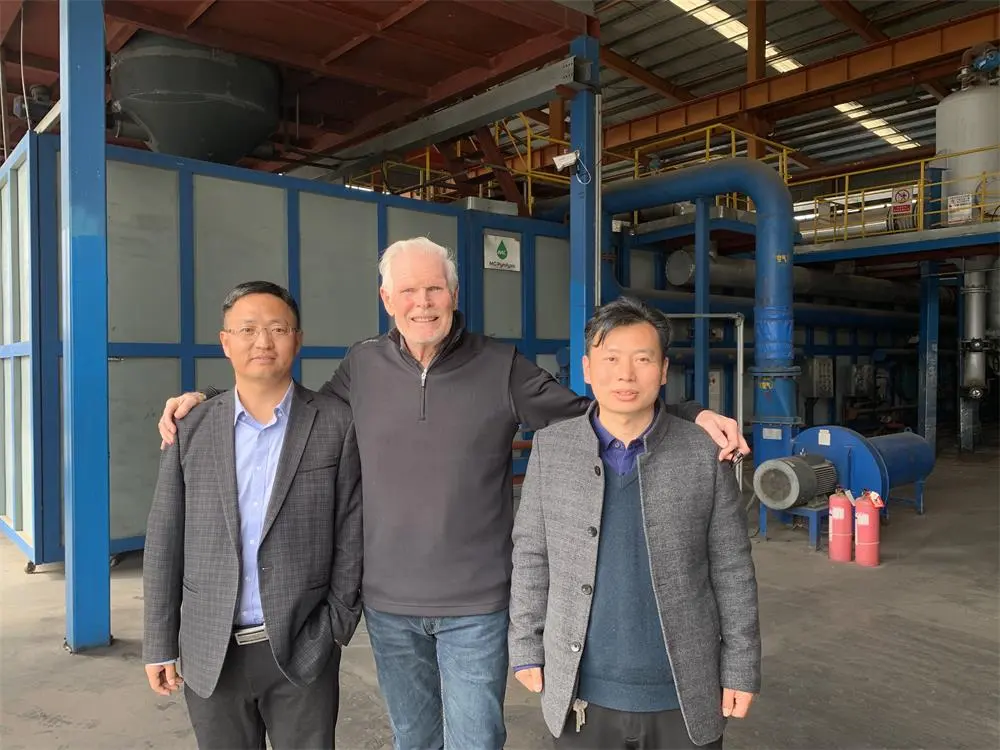
Continuous Pyrolysis Reactor Solution

Continuous Rubber Pyrolysis

Learn More
Semi-Continuous Kiln System

Rotary Kiln Systems

Learn More
Oil Refining Plant

Pyrolysis Oil Fractionation

Learn More
Carbon Black Refining Solution

Carbon Black Upgrading

Learn More
Industrial Boiler Integration

A-Class Industrial Boilers

Learn More
Pressure Vessels Design

ASME Pressure Vessels

Learn More
Solid Waste to Energy

Solid Waste-to-Energy

Learn More
Thermal Systems Engineering

System Integration

Learn More

Certified Safety and Quality Standards

Validating performance reliability and pressure resistance for challenging industrial operations
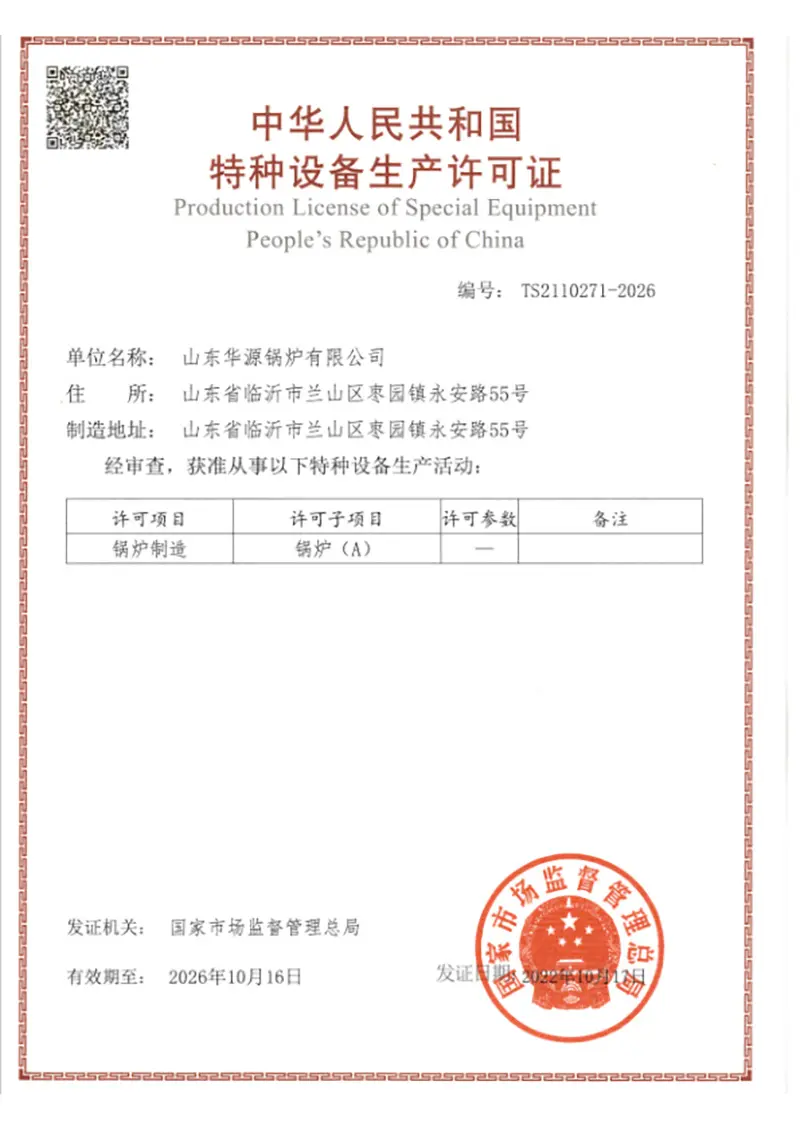
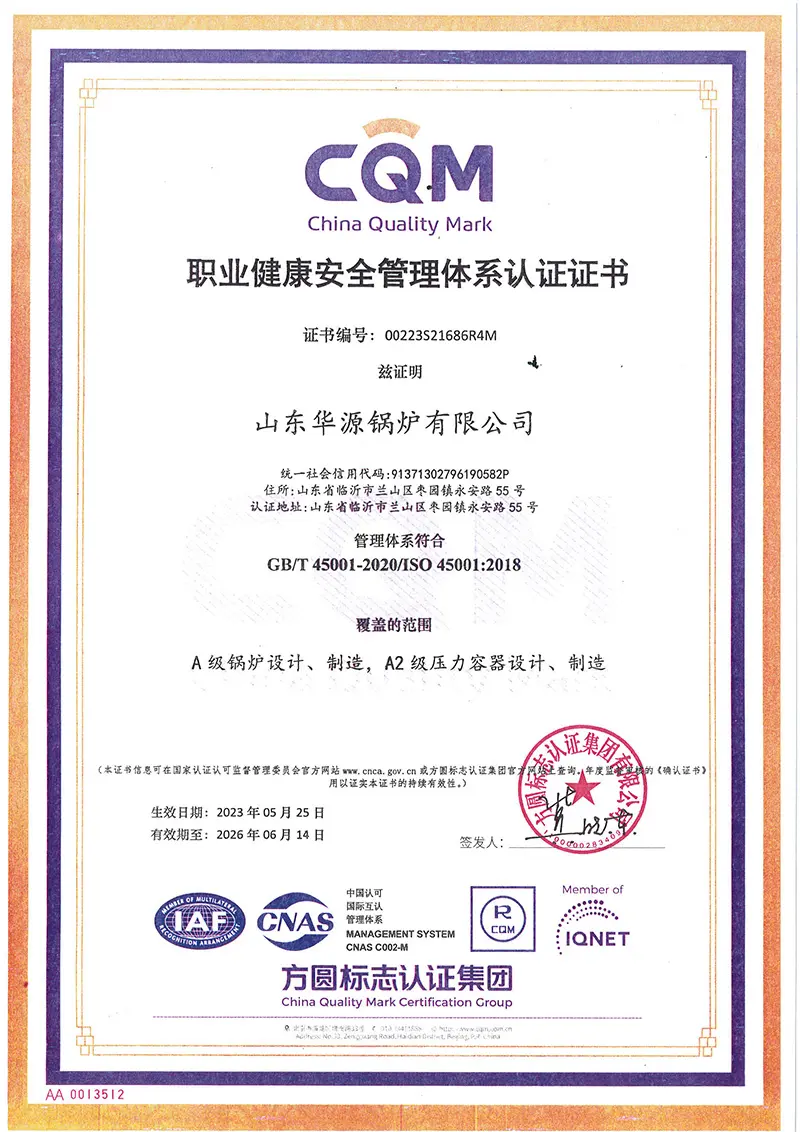
Huayuan Certificate 1
Huayuan Certificate 2
Huayuan Certificate 3
Huayuan Certificate 4
Huayuan Certificate 5
Huayuan Certificate 6

Expert Q&A: Industrial Waste Disposing & Pyrolysis Engineering

Technical answers to common questions about thermal efficiency, processing limits, and environmental compliance

What are the typical output yields when processing scrap passenger and commercial vehicle tires?
Yield percentages depend on tire composition. Passenger tires generally yield 40% to 45% pyrolysis oil, 30% to 35% recovered carbon black (rCB), 10% to 15% high-tensile steel wire, and 8% to 12% non-condensable synthesis gas. Commercial truck tires, containing more natural rubber, yield higher oil fractions and lower relative wire content.
How does Huayuan Tech handle emission scrubbing for strict environmental regulations?
Our multi-stage scrubbing systems clean the flue gas thoroughly. They combine desulfurization towers, chemical mist eliminators, activated carbon filters, and baghouse dust collectors. This reduces particulate matter, SOx, and NOx levels to meet EU Directives and regional US EPA standards.
What safety measures are integrated into the continuous pressurized reactors?
Safety configurations include double-valve nitrogen purge ports, water-seal safety valves, explosion-proof disks, real-time pressure transducers, and automated emergency shut-offs. The entire process runs under slight negative pressure, preventing volatile gas leaks.
Can mixed plastics be processed without sorting?
Yes, but high proportions of PVC or PET must be avoided. PVC produces corrosive hydrogen chloride (HCl) gas when heated, which requires specialized stainless steel reactors and alkaline scrubbers. PET thermal degradation yields benzoic acid, which can block piping. Polyolefins (PE, PP, PS) are ideal feedstocks and produce high-quality paraffinic oil.
How is recovered carbon black upgraded for commercial reuse?
Crude pyrolytic char contains ash and steel fibers. Our refining plant pulverizes this char to fine micron meshes, uses magnetic separators to extract steel micro-fibers, and applies pelletizing systems. The final product is suitable for rubber compound fillers, masterbatches, and conveyor belt production.
What are the fuel requirements for starting up the pyrolysis reactor?
Start-up heating takes about 1.5 to 2 hours using wood, diesel, or natural gas. Once the reactor reaches cracking temperatures (above 280°C), non-condensable hydrocarbon gases are directed back to the burners. This syn-gas fuel keeps the process self-sustaining, eliminating external fuel needs during continuous operation.
How long do the main pyrolysis reactor vessels last under continuous operation?
Using boiler-grade Q345R or specialized stainless steels, our reactors typically operate for 5 to 8 years under continuous thermal loads. Proper feed drying and regular removal of corrosive impurities help extend the service life of the reaction vessel.
Why is ASME Section VIII Division 1 certification important for pyrolysis equipment?
Pyrolysis involves high temperatures and volatile gas pressures. ASME certification guarantees the reactor vessel, condensers, and piping have been designed, inspected, and hydrostatic-tested to resist mechanical stresses. This prevents catastrophic failures and simplifies project financing and insurance approvals.

Commercial Product Catalog

Complete selection of waste processing systems, carbon black refineries, and boiler equipment

Cheap Pyrolysis Oil Refining Plant
Cheap Pyrolysis Oil Refining Plant Factories, Factory

Continuous depolymerization oil upgrade unit targeting industrial fuel output standards.

Semi-Continuous Rotary Kiln Pyrolysis Plant
High-Quality Semi-Continuous Rotary Kiln Pyrolysis Plant Suppliers, Supplier

Sturdy support rollers and gear drives designed for high-tonnage scrap tire processing.

Continuous Pyrolysis Plant (Rubber Powder)
High-Quality Continuous Pyrolysis Plant(Rubber Powder As Feedstock) Supplier

Automated control system for real-time temperature tracking and steady raw material feed rates.

Continuous Screw Pyrolysis Plant
Cheap Continuous screw pyrolysis plant Manufacturers, Factory

Compact design with an internal heat exchanger for rapid startup and low heat loss.

Recovered Carbon Black Refining Plant
High-Quality Recovered Carbon Black Refining Plant Manufacturers

Integrated milling and refining systems designed to match commercial rCB specifications.

Industrial Solid Waste to Energy Plant
High-Quality Industrial Solid Waste to Energy Plant Manufacturers

Heavy-duty processing configurations to convert diverse solid waste streams into clean thermal energy.

Electrical Heating Continuous Pyrolysis Plant
Cheap Electrical Heating Continuous Pyrolysis plant Manufacturers

Precise electric thermal elements that lower fuel storage needs and local carbon footprints.

Waste to Energy Plant
High-Quality Waste to Energy Plant Suppliers, Factory

Engineered pressure systems that direct gas flows directly to electricity-generating steam turbines.