In the modern industrial era, black plastic recycling has emerged as one of the most significant challenges and opportunities in waste management. Unlike clear or colored plastics, black plastics—often used in automotive parts, electronic housings, and food packaging—contain carbon black pigments. These pigments absorb Near-Infrared (NIR) radiation, making them nearly invisible to standard automated sorting systems at traditional recycling facilities. As a result, millions of tons of high-value polymer material end up in landfills or incinerators annually.
The global recycled plastic market is projected to reach $75 billion by 2030, driven by aggressive ESG goals and government mandates for circularity.
Advanced thermal decomposition (pyrolysis) is now the gold standard for black plastic, breaking polymers down into high-value oils and gases.
Global manufacturers are shifting from "take-make-dispose" to "closed-loop" systems, requiring robust industrial recycling infrastructure.
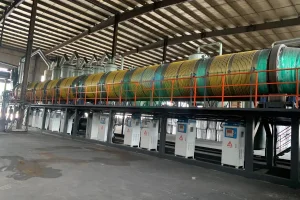
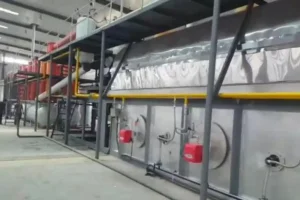
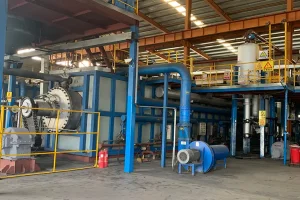
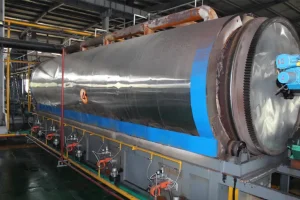
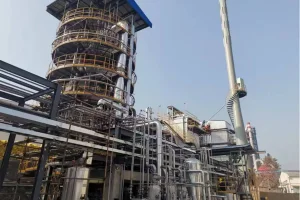
As a premier Black Plastic Recycling Manufacturer & Supplier, Huayuan Tech addresses this "sorting gap" through advanced chemical recycling technologies. By utilizing industrial-grade pyrolysis, we bypass the limitations of optical sorting, converting complex black plastic waste into sustainable energy and raw chemical materials.
The global recycling industry is undergoing a paradigm shift. While mechanical recycling remains effective for PET bottles, industrial black plastic recycling requires a more sophisticated approach. The current trend is leaning heavily toward Thermochemical Conversion. This process allows for the handling of contaminated, multi-layered, and dark-colored plastics that were previously considered "unrecyclable."
From the industrial hubs of Southeast Asia to the strictly regulated markets of Europe and North America, the demand for localized recycling solutions is soaring. In Europe, the focus is on high-purity output for food-grade applications. In emerging markets, the priority is often Waste-to-Energy (WtE), where plastic waste is converted into fuel to power local industries.
Our equipment is designed with this global diversity in mind. Whether you are a municipal waste manager in South America or a private recycling firm in the Middle East, our modular pyrolysis systems can be tailored to your specific feedstock and energy requirements.
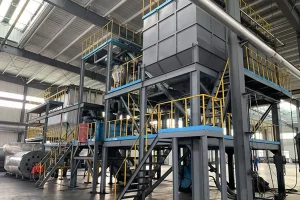
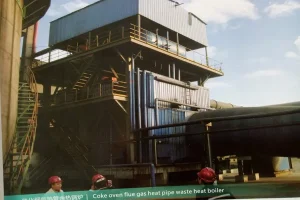
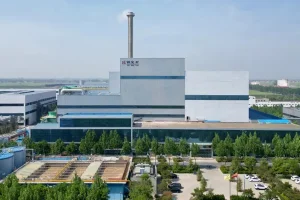
Focusing on waste to energy and waste tire pyrolysis technology, Huayuan Tech was founded in 1968. With over five decades of experience, we have evolved from a specialized boiler manufacturer into a global leader in environmental technology. Our facility covers a massive 209,335 square meters, with a dedicated plant area of 98,680 square meters.
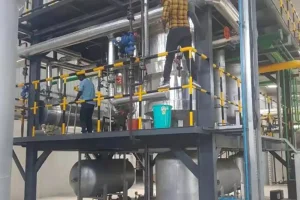
Our workforce of more than 500 employees includes a high concentration of technical talent, with engineering and technical personnel accounting for 34% of our total staff. This ensures that every piece of equipment—from our continuous pyrolysis plants to our carbon black refining systems—is engineered for maximum efficiency and safety.
We hold a complete suite of international certifications, including:
Our expertise extends beyond simple manufacturing. We provide:
As a leading Chinese factory, Huayuan Tech offers a unique combination of industrial scale, supply chain integration, and cost-efficiency that is difficult to match elsewhere. Our advantages include:
We source high-grade steel and components locally, reducing lead times and costs without compromising on the A-class quality standards required for pressure vessels.
Our 34% engineering ratio allows us to provide bespoke designs for specific waste streams, such as high-rubber content or mixed industrial plastic scrap.
With decades of export experience, we handle the complexities of international shipping, installation, and local commissioning across all continents.
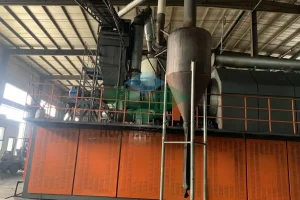
Our commitment to R&D has led to the development of our Continuous Screw Pyrolysis Plant and Electrical Heating Pyrolysis systems, which represent the cutting edge of energy-efficient waste processing. By choosing Huayuan Tech, you are partnering with a manufacturer that understands the balance between environmental responsibility and industrial profitability.
 Huayuan