Explore our high-efficiency systems designed to turn waste tire streams and municipal scrap into high-value pyrolytic oil, carbon black, and syngas.
Authoritative analysis on transforming environmental liabilities into high-yield thermal and chemical commodities.
Many procurement departments evaluate tire recycling plants purely on initial purchasing cost (CAPEX), ignoring long-term running costs (OPEX) and regulatory penalties. A "cheap" commercial tire disposal setup with poor thermal insulation, insufficient condensation systems, or non-compliant gas scrubbing creates massive operation deficits. By integrating ASME-certified boiler craftsmanship and continuous screw feeding designs, Huayuan Tech bridges the gap—delivering highly affordable, low-CAPEX manufacturing from China alongside rock-solid operation reliability and strict emission compliance.
Globally, the accumulation of waste tires presents a severe hazard. Traditional disposal paths—landfilling and stockpiling—pose extreme risks of persistent tire fires and vector-borne disease proliferation. Modern environmental policy dictates a transition toward thermodynamic recovery. Pyrolysis (thermal decomposition in the complete absence of oxygen) stands out as the ultimate circular economy process for polymer scrap.
During commercial tire pyrolysis, long-chain carbon polymers in tire carcass structures are cracked into smaller hydrocarbons. This yields three core primary products: pyrolytic fuel oil (40-45%), recovered carbon black (rCB) (30-35%), and non-condensable synthetic gas (syngas) (10-15%), plus steel wire. Achieving efficient outputs requires sophisticated temperature-control profiles (typically 400°C to 450°C) and reliable gas purification to eliminate sulfur and carbon monoxide emissions.
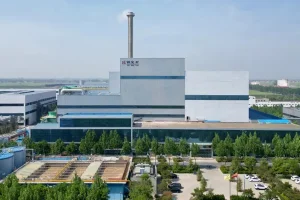
Focus on waste to energy and waste tire pyrolysis technology, Huayuan Tech was founded in 1968. Company covers an area of 209,335 square meters, plant area of 98,680 square meters, more than 500 employees, engineering and technical personnel accounting for 34% of the total number of employees. Has a complete A-class boilers and pressure vessels complete sets of manufacturing, testing equipment.
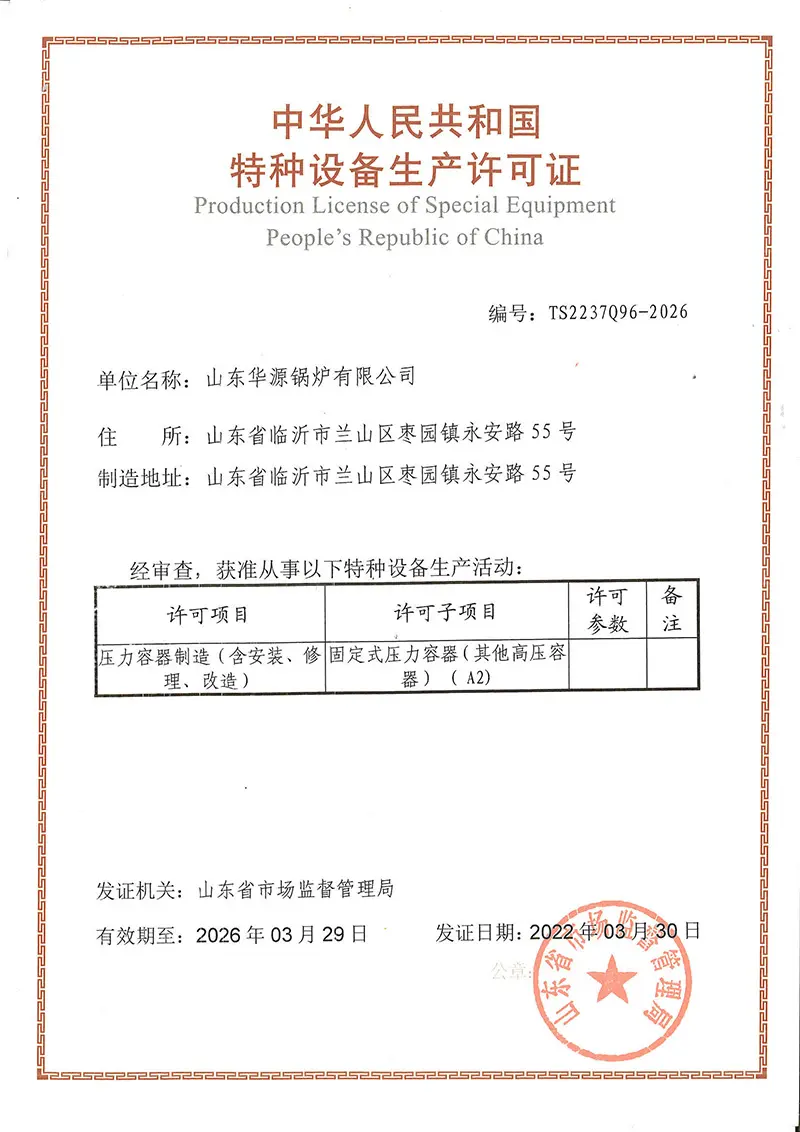
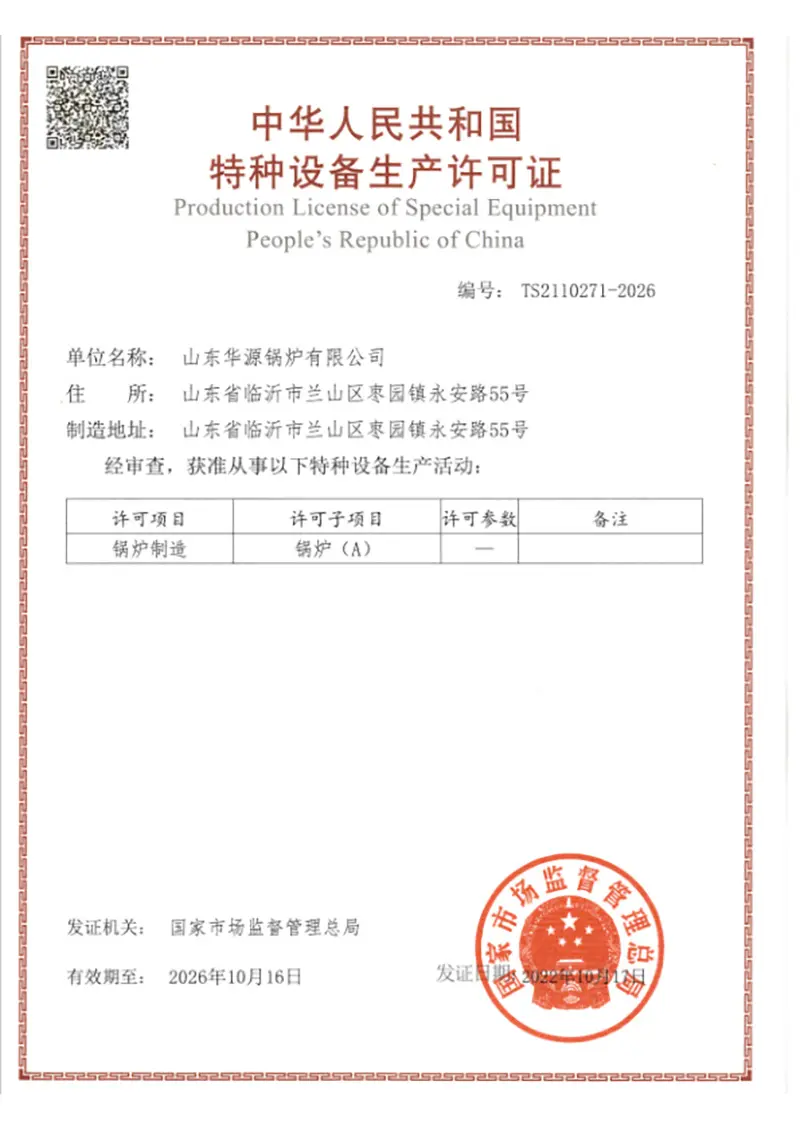
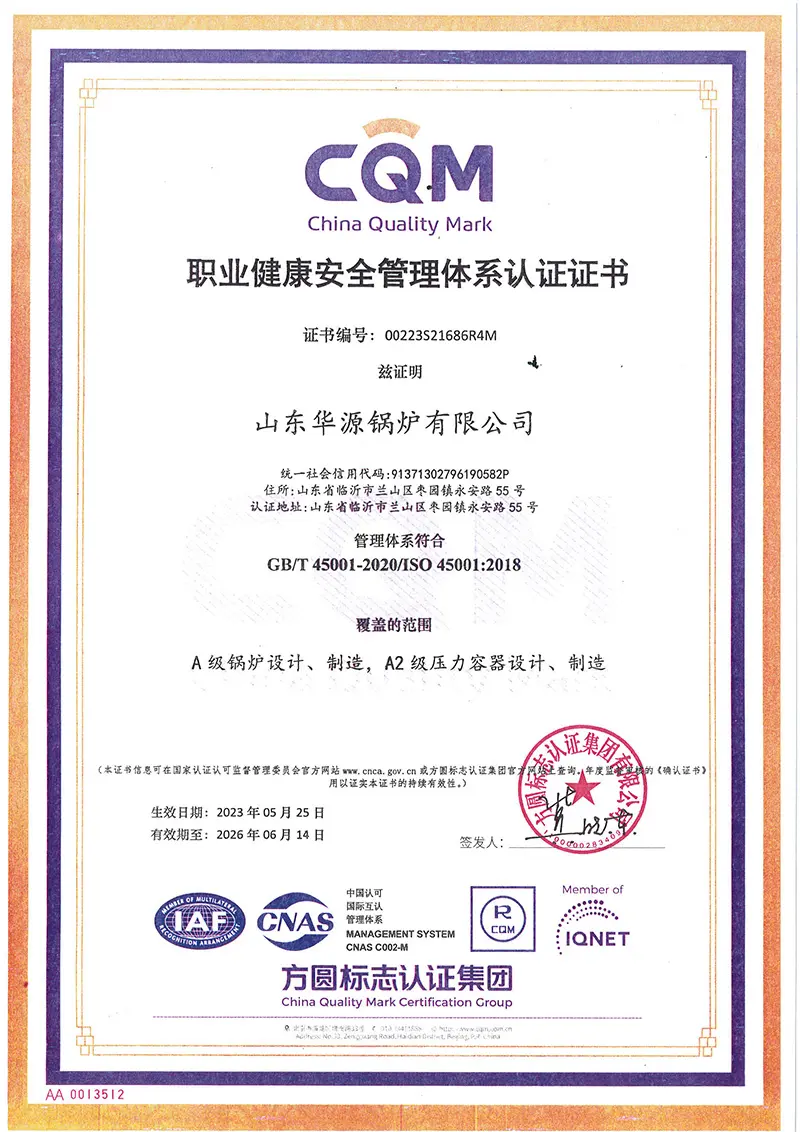
Pressure pipe installation permit, and through ISO9001, ISO14001, OHSAS18001 three system certification and the United States ASME certification. We merge structural boiler expertise with polymer cracking mechanics to build safe, high-yield plant machinery.
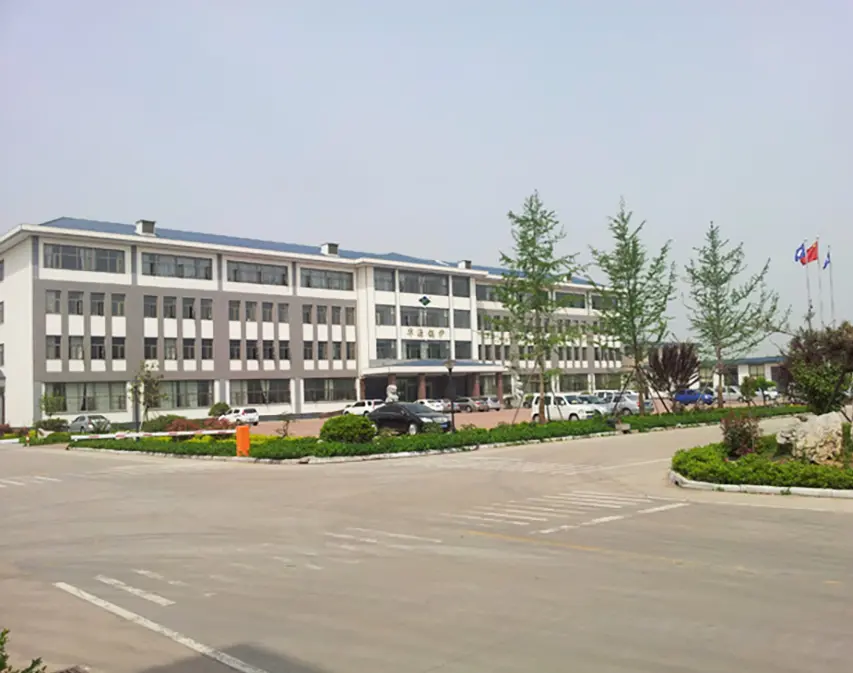
With the continuous development of enterprises has now become engaged in a boiler, pressure vessels, waste tire and plastic scrap pyrolysis machine development, manufacturing, sales, consulting services, thermal equipment system integration, contract energy management, investment and financing, supplemented by energy efficient use of professional firms. Holding a national A-class boilers, A2-class pressure vessel manufacturing license, D1D2 pressure vessel design certificate.
Our integration of energy optimization processes ensures that every tire processing system minimizes external fuel consumption. Syngas generated by thermal processing is channeled back to fuel the continuous burners, realizing highly efficient energy recycle loops.
Why global enterprise buyers choose Huayuan Tech for budget-friendly and durable tire disposal plants.
Leveraging direct industrial access to China's steel markets and heavy component forging grids, we reduce initial plant equipment pricing by 30% to 50% compared to Western manufacturers, without sacrificing metal gauge thicknesses or valve lifespans.
Unlike uncertified fabrication shops, our pressure vessel engineering satisfies strict American ASME U/S stamps and ISO 9001/14001 structures. Every weld undergoes ultrasonic and radiographic non-destructive testing (NDT) to prevent structural leaks.
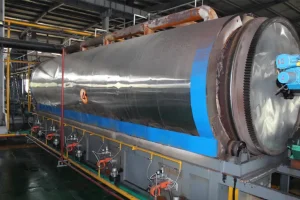
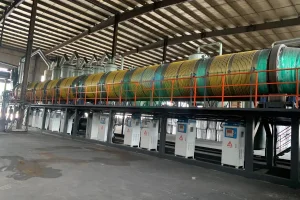
We unswervingly pursue technological innovation. Our production structures combine unique continuous screw feed designs, custom rotary kiln geometries, and integrated boilers to recycle exhaust heat, dropping overall operating fuels down to near zero.
Industrial waste processors require reliable supply chains. Huayuan Tech partners with top-tier international logistics operators to ensure secure shipping of bulky reactors, heavy condensing columns, and processing components. Every equipment delivery is backed by detailed layout schematics, wiring prints, and structural calculations to expedite local permitting and civil engineering phases.
A half-century journey of heavy industry manufacturing, thermal engineering, and global export success.
Initially, Huayuan Technology developed boiler technology in several factory workshops, laying the foundation for pressure vessel craftsmanship.
It was restructured as Linyi County Boiler Manufacturing and Repair Factory, under the jurisdiction of Linyi County Industrial Bureau.
It was renamed Linyi Boiler Factory, merged with Linyi Auto Parts Factory, and relocated to 373 Tongda Road.
It was restructured into Linyi Boiler Co., Ltd., adopting modern quality control structures and mechanical standards.
The successful restructuring provided wings for the company's takeoff and took the first step towards becoming a modern enterprise.
We obtained the national A-level boiler manufacturing license, obtained ISO three system certification. We also started to produce batch model waste tire pyrolysis plants.
Huayuan moved to a new factory, covered area of 220 acres in Zaoyuan Town Industrial Park. Huayuan started to develop continuous model pyrolysis plants.
Screw running model continuous pyrolysis plant was successfully developed. The company has obtained certificates such as high-tech enterprise and American ASME certification, and the Huayuan brand has gone global!
On September 2021, adhering to the corporate vision of "doing energy conservation and emission reduction, making the sky bluer, the earth greener, and the water cleaner."
Guaranteeing operation safety and meeting municipal environmental controls in major economic corridors.
Commercial tire disposal projects typically stall during air quality permitting. Untreated pyrolysis gases contain elevated levels of hydrogen sulfide, particulate matter, and acid gases. Huayuan Tech designs custom exhaust treatment modules—including multi-stage scrubbers, activated carbon absorbers, and desulfurization towers. By integrating these systems, we ensure emissions satisfy strict EPA Title V and European Union industrial emissions directives.
Our support starts long before delivery. We dispatch specialized site installation engineers to assist with regional layouts, civil concrete works, and utility links (power, water, cooling). When the components land, we handle system commissioning and train local crews on safety checklists, automated PLC management, and routine seal maintenance.
A pyrolysis plant operates under continuous high-temperature stress, demanding routine mechanical replacement of seals and furnace gears. With Huayuan's deep inventory parts network, critical wear parts like high-temperature seals, burner nozzles, and continuous feeding screw flights are shipped promptly, ensuring minimal processing interruptions.
Operational configurations tailored for municipal scrap management, mining waste, and industrial fuel production.
Large scale open-pit mining operations generate massive volumes of heavy Off-the-Road (OTR) tires. Due to shipping challenges, on-site disposal is critical. Our semi-continuous and continuous rotary kiln installations allow mining sites to process these massive tire carcasses directly into industrial heating oils, cutting diesel transport costs and addressing hazardous stockpile issues.
Regional trucking networks dump thousands of spent truck tire casings weekly. By routing these scrap streams into continuous screw running pyrolysis systems, logistics companies transform heavy disposal costs into revenue streams. The generated syngas powers internal plant machinery, while pyrolytic fuel oils are sold to regional asphalt and industrial boiler plants.
Municipal landfill projects utilize Huayuan solid waste-to-energy plants to prevent waste tires from occupying large volumes of landfill space. Recovered carbon black (rCB) is further refined via specialized milling into high-grade additives suitable for construction asphalt, plastic manufacturing compounding, and rubber compounding industries.
Understanding the transition toward automated, continuous, and low-emission recovery plants.
Legacy batch reactors require cooling down and opening after every cycle, which leads to high thermal fatigue, gas escape hazards, and significant cycle downtime. Modern waste tire processing operations are transitioning to continuous screw pyrolysis plants. These plants feed rubber powder or shredded tire blocks through airlocks directly into oxygen-free reactors, processing waste 24/7. This maintains constant temperatures, protects critical seals, and slashes energy usage by over 40% compared to batch models.
Raw pyrolysis oil contains contaminants and variable flash points. Standard crude fuel oil is suitable for heavy boilers, but refining it via distillation technologies upgrades the product into a high-value light fuel, similar to commercial diesel. Concurrently, recovered carbon black (rCB) must undergo secondary ash separation and high-energy grinding to decrease particle size down to D90 < 20μm, allowing it to compete directly with virgin carbon black in polymer compounding.
Technical answers to critical procurement, installation, and operation questions from our senior engineering team.
A: Fully continuous screw systems typically require tire material shredded down to 3-5cm blocks or rubber powder (under 10 mesh). This sizing ensures rapid heat transfer and smooth, block-free continuous feeding. For semi-continuous systems, larger blocks or whole tires (in batch setups) can be processed, depending on reactor loading mechanisms.
A: Drawing on our 55+ years of boiler and pressure vessel manufacturing, our systems feature mechanical pressure safety valves, water seals to isolate flammable gases, automated PLC temperature monitors, and nitrogen purge connections. These safety systems quickly lower pressure levels in emergency scenarios, preventing oxygen intrusion.
A: Standard steel-belted radial truck tires yield approximately 40% to 45% pyrolysis oil, 30% to 35% recovered carbon black, 12% to 15% high-tensile steel wire, and 10% to 12% non-condensable syngas. Actual yields depend on tire composition (natural rubber vs. synthetic polymers) and operating temperature profiles.
A: Yes. Once the system reaches its cracking temperature (usually 2 hours after cold start using auxiliary gas/diesel), the generated non-condensable syngas is routed through gas scrubbing units and fed directly into the burners. At steady state, this syngas meets 100% of the heating requirements, eliminating external burner fuel costs.
A: Our reactors are made using premium, high-temperature boiler steel (like Q345R or specific stainless grades) with 16mm+ thicknesses. By maintaining proper heat rotation and avoiding extreme thermal cycles, our reactors deliver a service life exceeding 6 to 8 years under 24/7 continuous operations before requiring mechanical maintenance.
A: Vulcanized tires contain about 1.5% to 2.0% sulfur. During thermal cracking, this sulfur converts into gaseous sulfur dioxide (SO2) and hydrogen sulfide (H2S). We route the gas stream through a desulfurization tower and wet scrubbers, where an alkaline solution neutralizes the sulfur, keeping stack emissions well below global regulatory limits.
Select from our complete range of certified boilers, pyrolysis equipment, and carbon black refining solutions.
 Huayuan