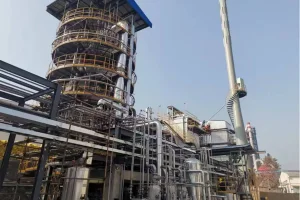
The global energy sector is undergoing a seismic shift. As the world moves toward a Circular Economy, the demand for "High-Quality Diesel Recycling Suppliers & Factories" has never been higher. Diesel recycling, specifically through advanced pyrolysis and distillation of waste tires, plastics, and waste oils, represents a sustainable frontier in resource management. Industrially, the transition from primitive "batch" recycling to sophisticated, continuous automated systems is the hallmark of modern excellence.
Today, diesel recycling is no longer just an environmental initiative; it is a critical component of energy security. Countries across Europe, Southeast Asia, and the Americas are implementing stricter waste management regulations, such as the IMO 2020 for maritime fuel and the EU Green Deal. These frameworks incentivize the conversion of carbon-rich waste into high-value diesel substitutes. High-quality diesel recycling factories are now utilizing AI-integrated monitoring systems to ensure that the output meets international standards, reducing dependency on virgin crude oil.
The primary trend in the industry is the shift toward Continuous Pyrolysis Technology. Unlike traditional methods, continuous systems allow for 24/7 operation, higher energy efficiency, and a significantly lower carbon footprint. Modern factories are integrating catalytic refining processes that can transform crude pyrolysis oil into high-purity diesel suitable for industrial burners, generators, and heavy-duty agricultural machinery. This technological leap ensures that "suppliers" aren't just selling machines, but providing comprehensive energy solutions.
Focusing on waste to energy and waste tire pyrolysis technology, Huayuan Tech was founded in 1968. With over 55 years of industrial experience, our company stands as a beacon of reliability in the diesel recycling market.
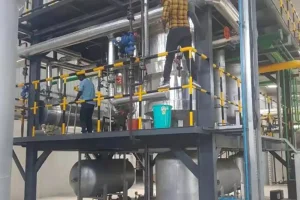
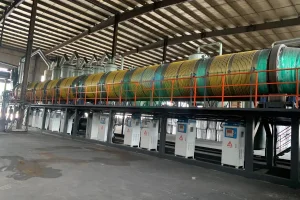
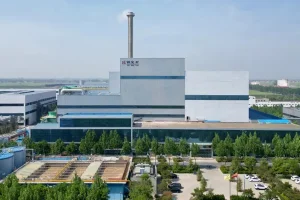
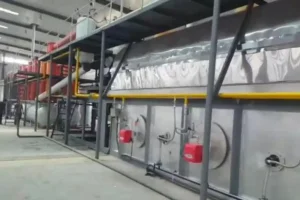
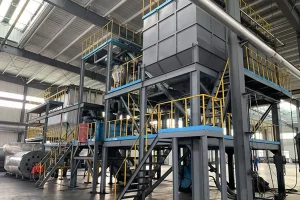
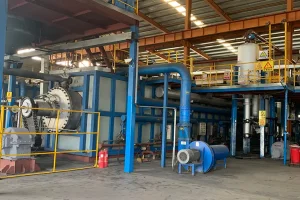
Our infrastructure is unparalleled:
Huayuan Tech has evolved into a global leader engaged in the development, manufacturing, and consulting services for thermal equipment system integration. Our D1, D2 pressure vessel design certificates and ASME certification from the United States underscore our commitment to global safety standards. Through ISO9001, ISO14001, and OHSAS18001 certifications, we provide our clients with the peace of mind that every piece of equipment is built for durability and performance.
Southeast Asia & Africa: In regions where energy costs are high and waste management infrastructure is developing, our diesel recycling plants provide a dual solution. Local factories use recycled diesel to power textile mills and food processing plants, significantly lowering operational costs.
Europe & North America: Here, the focus is on high-tech Recovered Carbon Black and ultra-clean diesel. Our factories supply equipment that meets stringent emission standards, allowing enterprises to gain carbon credits while managing industrial rubber waste.
Procurement teams today look for more than just a "manufacturer." They seek partners who offer Contract Energy Management (CEM) and comprehensive investment consulting. As a Chinese factory with over five decades of history, we offer:
Our plants use proprietary catalysts to break down heavy molecular chains in waste oil, resulting in a diesel yield with high cetane numbers and low sulfur content.
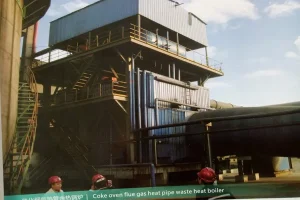
Utilizing waste heat boilers (ISO & ASME certified) to recycle thermal energy back into the system, reducing fuel consumption by up to 30%.
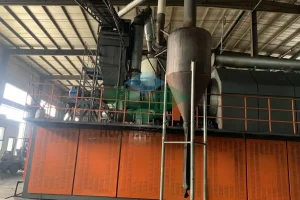
Advanced flue gas cleaning systems ensure that emissions are colorless, odorless, and meet the world's most demanding environmental regulations.
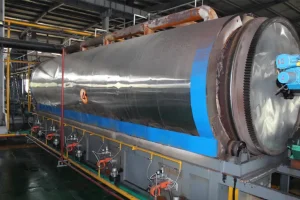
As a leading diesel recycling supplier, we understand that the quality of the final fuel depends on the precision of the temperature control and the integrity of the pressure vessels. Our A-class boiler manufacturing license isn't just a certificate; it’s a guarantee of safety. When dealing with high-temperature pyrolysis, the structural integrity of the reactor is paramount. Huayuan Tech’s state-of-the-art testing equipment ensures every weld and every joint is capable of withstanding industrial rigors for decades.
 Huayuan