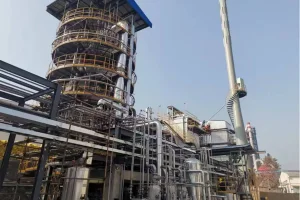
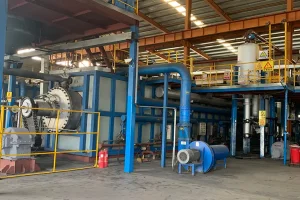
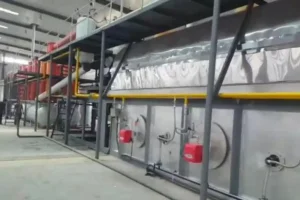
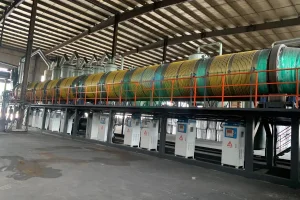
In the modern industrial landscape, the management of Waste Motor Oil (WMO) has transitioned from a disposal challenge to a high-value resource recovery opportunity. As global environmental regulations tighten, the demand for high-efficiency distillation factories has surged. Distilling waste motor oil involves complex thermal cracking and fractionation processes that convert degraded lubricants into high-quality base oils, diesel, or fuel oil.
Huayuan Tech, with its legacy dating back to 1968, stands at the forefront of this technological revolution. By integrating Industry 4.0 manufacturing standards with decades of thermal engineering expertise, we provide turnkey solutions that ensure maximum yield and minimal environmental footprint.
Established Year
Expert Employees
Factory Area (M²)
R&D Personnel
The global push for "Net Zero" emissions is driving the adoption of closed-loop systems. Distilling waste motor oil reduces the reliance on virgin crude oil extraction, saving up to 70% of the energy required for traditional refining. Leading economies in Europe and North America are now mandating the inclusion of re-refined base oils in new lubricant formulations.
Global enterprises in the logistics, mining, and maritime sectors are increasingly investing in on-site or regional distillation plants. By converting their own waste oil into usable fuel or lubricants, they stabilize their supply chains against volatile energy prices while meeting ESG (Environmental, Social, and Governance) targets.
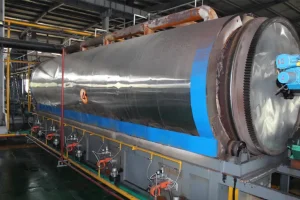
Modern distillation factories are moving away from batch processing toward Continuous Vacuum Distillation. This technology allows for precise temperature control, preventing oil coking and ensuring a higher flash point and better color of the final product, comparable to virgin Group I and Group II base oils.
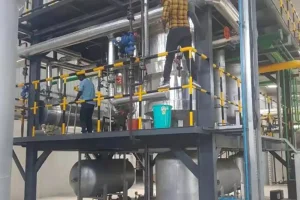
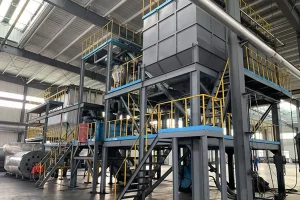
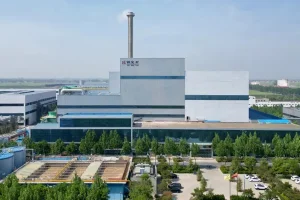
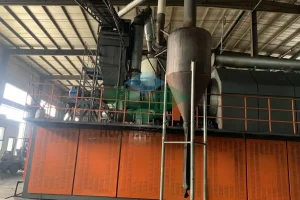
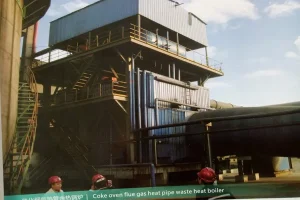
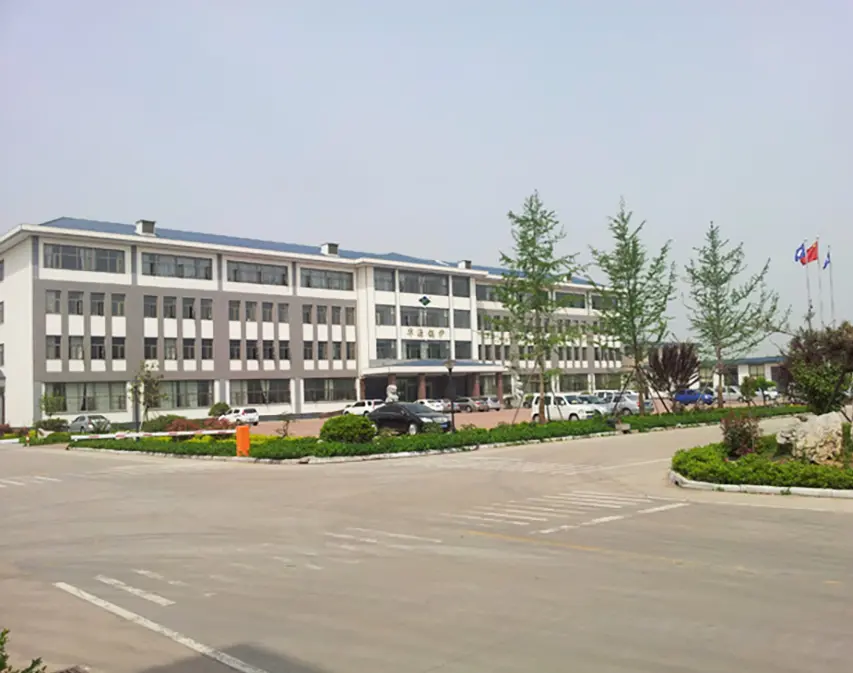
China's manufacturing sector has evolved into a global hub for high-tech environmental equipment. Huayuan Tech exemplifies this shift with our Smart Manufacturing Initiative. Our factory utilizes automated welding robots, CNC precision machining, and real-time IoT monitoring for all pressure vessels and distillation towers.
Why Choose Chinese Manufacturing?
In remote mining sites, waste oil disposal is a logistical nightmare. On-site distillation plants convert waste hydraulic and engine oil into diesel for heavy machinery, drastically reducing operational costs and environmental risk.
Urban centers utilize centralized distillation hubs to process oil collected from thousands of automotive repair shops, turning a hazardous waste stream into a profitable municipal asset.
Ports are implementing "Green Port" initiatives where sludge and waste oil from ships are distilled into marine fuel, supporting the IMO 2020 low-sulfur regulations.
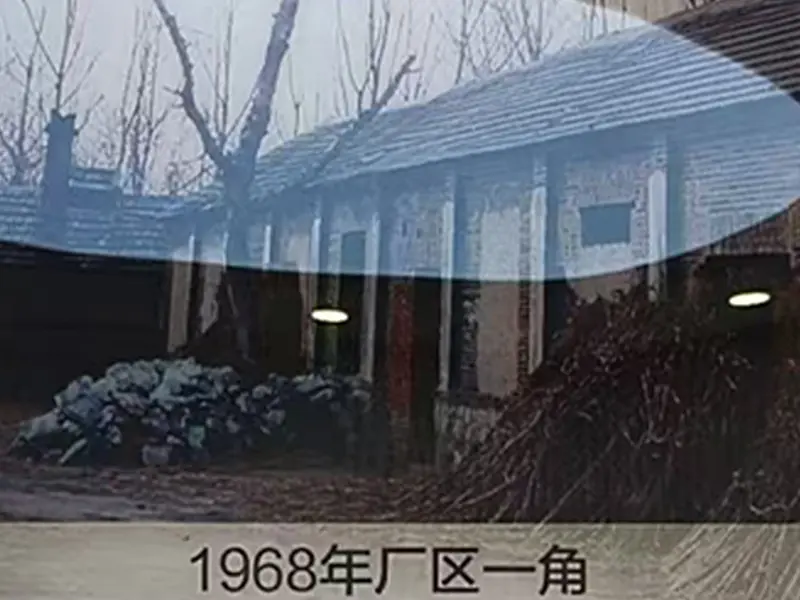
Initially, Huayuan Technology developed boiler technology in several factory workshops.
Renamed Linyi Boiler Factory, merged with Linyi Auto Parts Factory, and relocated to 373 Tongda Road.
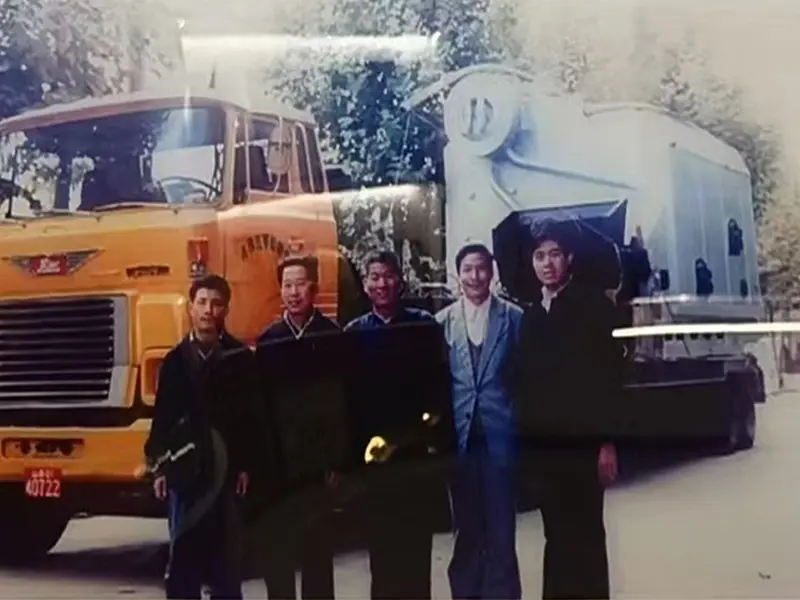
Obtained national A-level boiler license and ISO certification. Started batch model waste tire pyrolysis plant production.
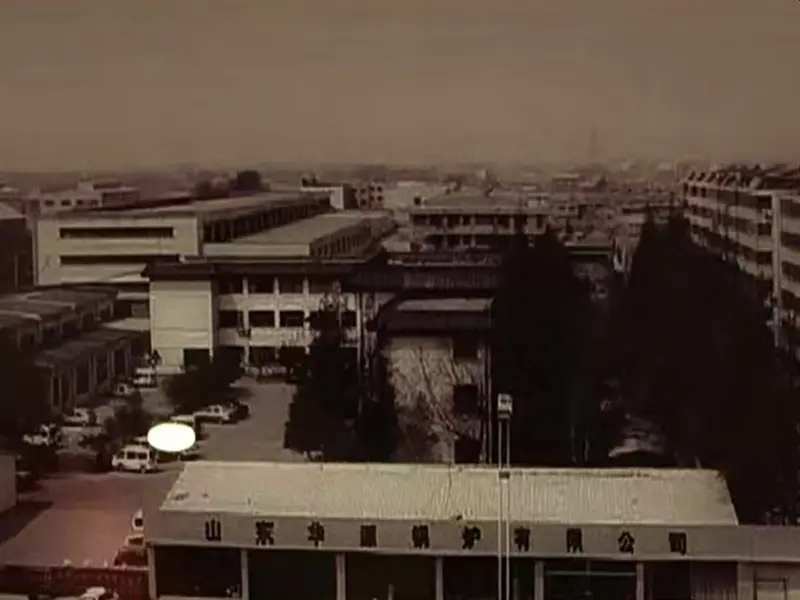
Screw running model continuous pyrolysis plant successfully developed. Obtained American ASME certification.
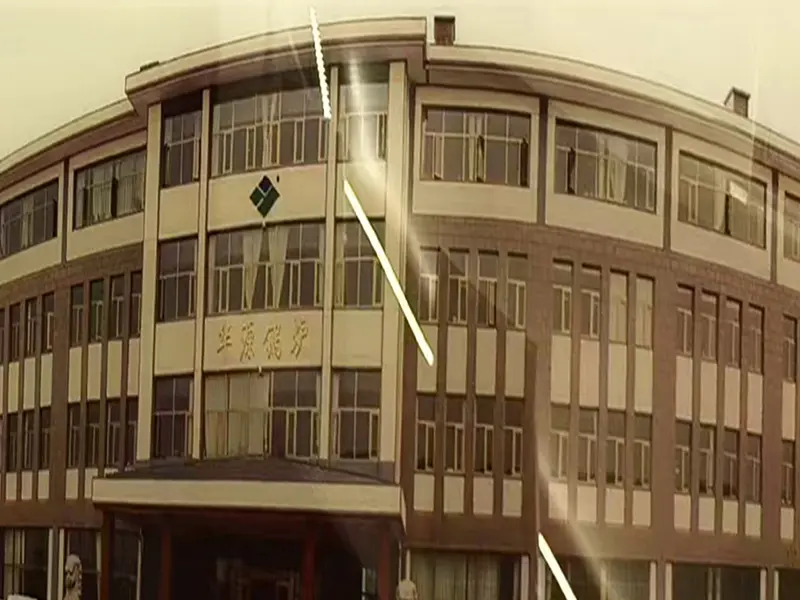
Adhering to the vision of "making the sky bluer, the earth greener, and the water cleaner" through emission reduction.
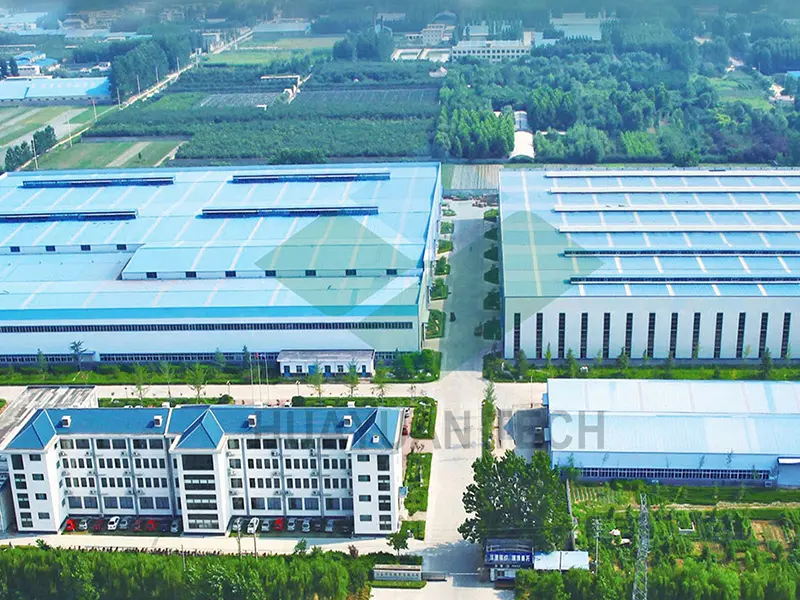
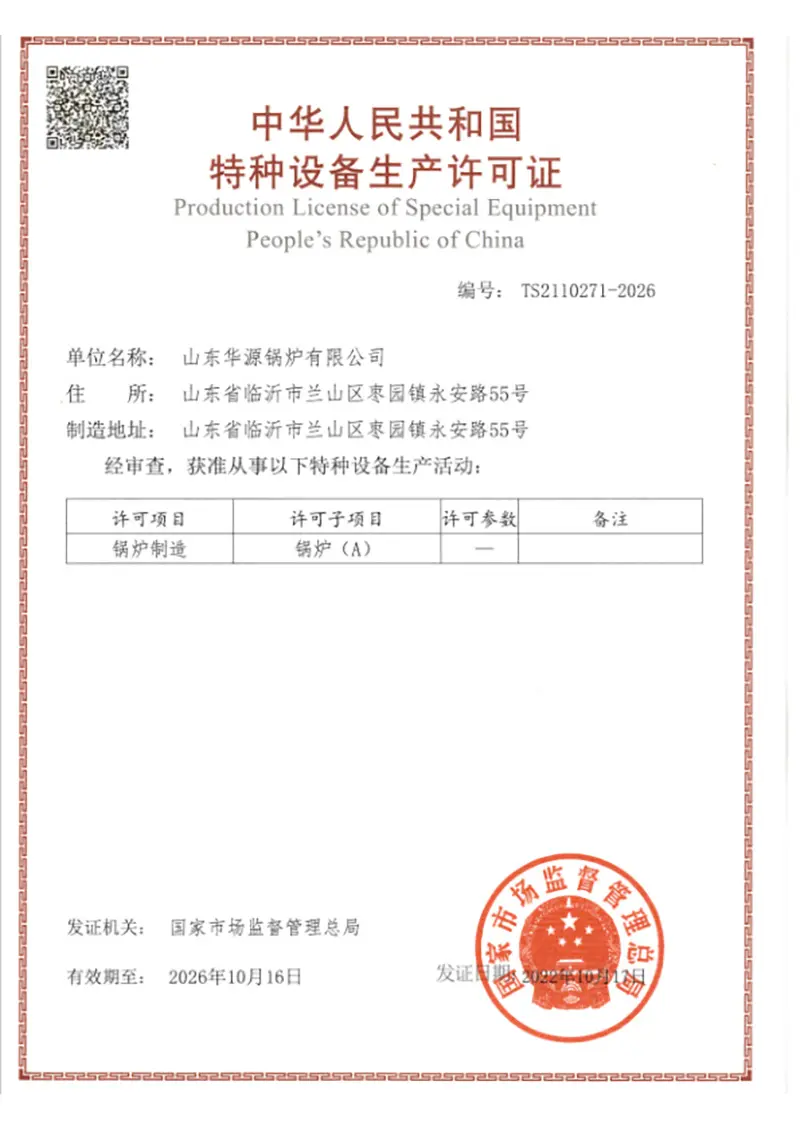
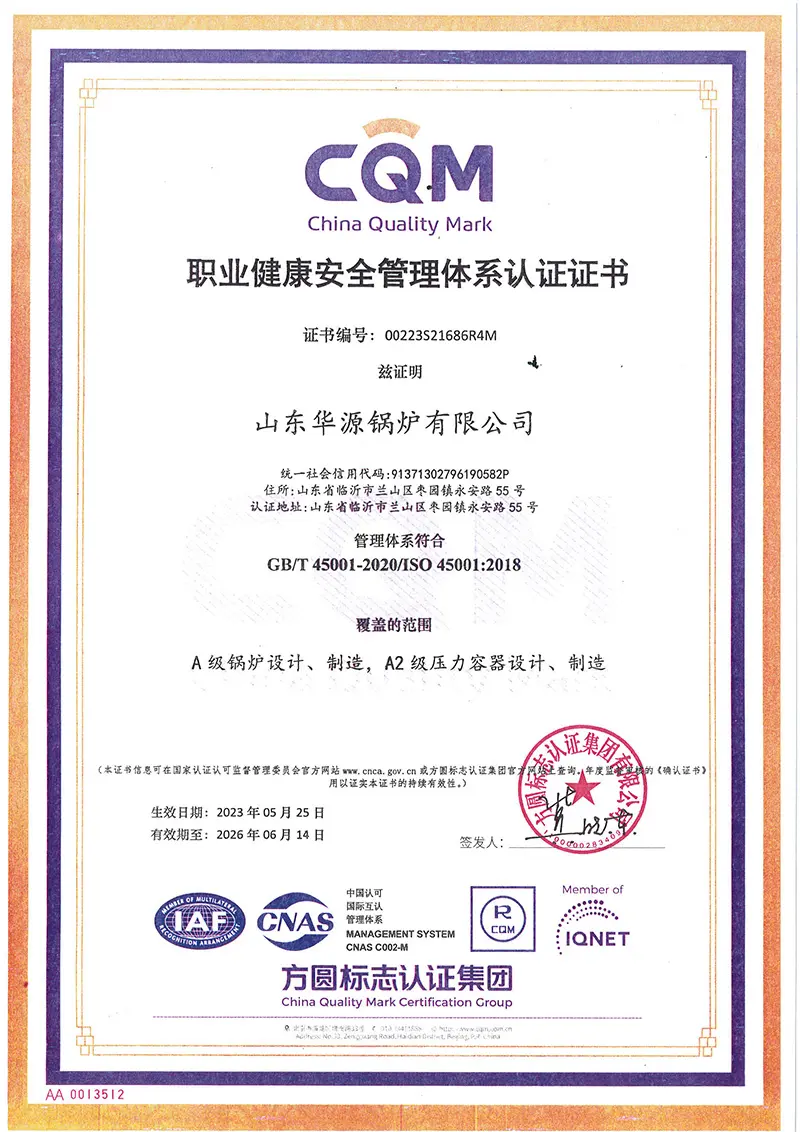
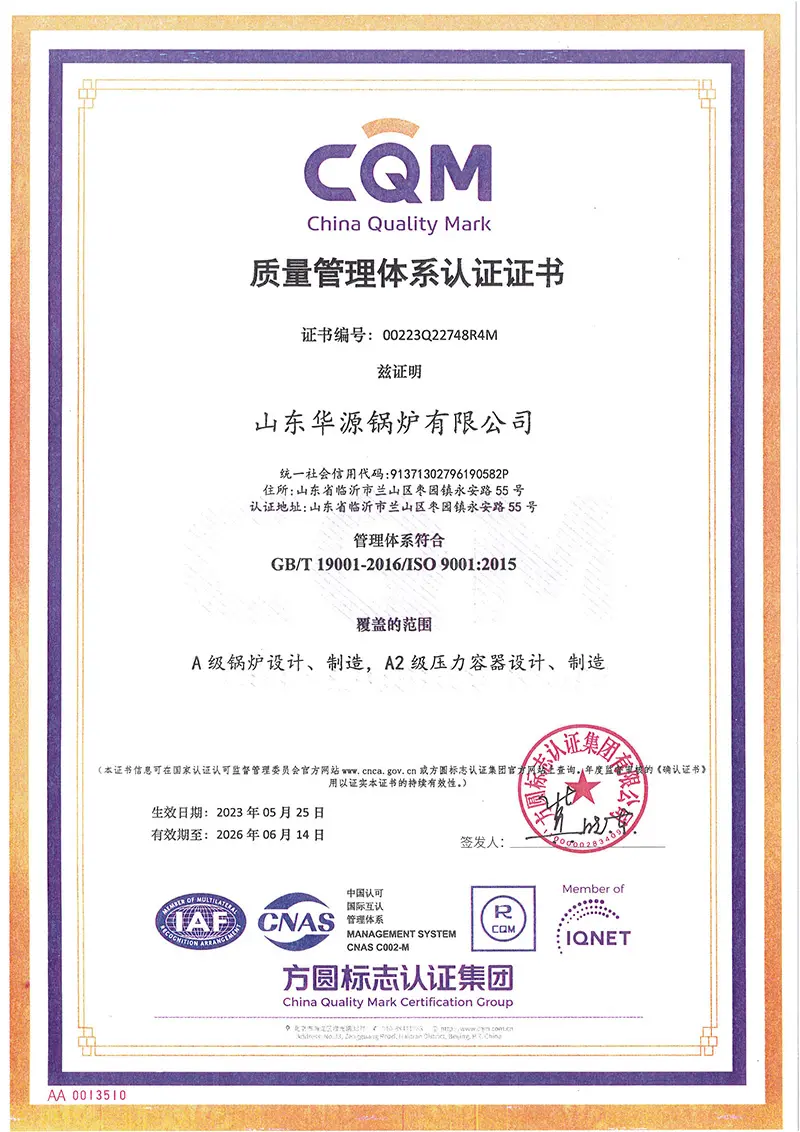
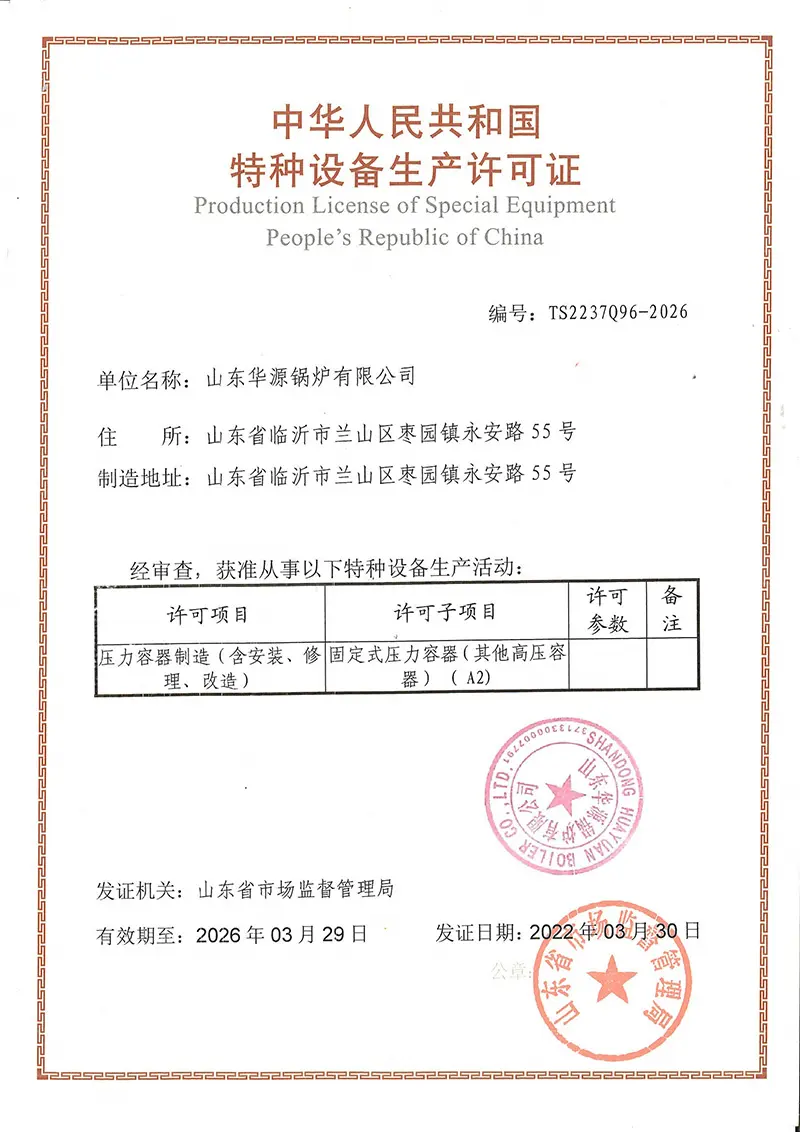
Our commitment to quality is backed by global standards. Huayuan Tech holds National A-class boiler licenses and A2-class pressure vessel manufacturing licenses. Our design team possesses D1 and D2 pressure vessel design certificates, ensuring that every piece of equipment is engineered for safety and longevity.
Through ISO9001, ISO14001, and OHSAS18001 certifications, we demonstrate our dedication to quality management, environmental responsibility, and occupational health. The American ASME certification further solidifies our position as a world-class manufacturer capable of serving the most demanding international markets.
 Huayuan