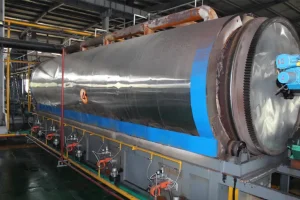
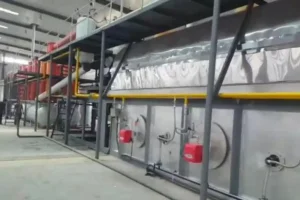
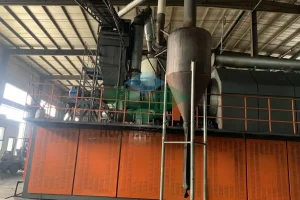
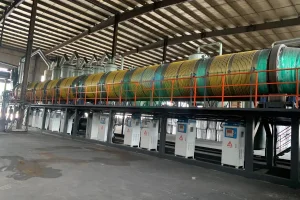
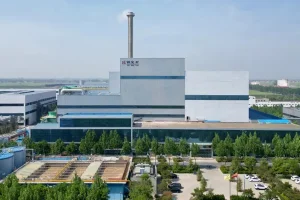
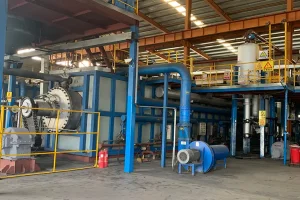
In the contemporary landscape of global industrial waste management, the demand for efficient, scalable, and cost-effective engine oil waste collection solutions has surged. As industries pivot toward a circular economy, the role of reliable suppliers and factories—such as those operating under the Huayuan Tech umbrella—becomes critical in bridging the gap between raw waste generation and energy resource recovery.
The traditional "take-make-dispose" model is being rapidly dismantled. Global regulations are increasingly mandating stringent environmental compliance for hydrocarbon waste management. Large-scale manufacturing facilities and logistics giants are now actively seeking partners capable of transforming hazardous waste streams into viable fuel sources through advanced pyrolysis technology.
China has transitioned from simple manufacturing to "Industry 4.0," characterized by high-precision automation, IoT-integrated monitoring, and superior supply chain resilience. Huayuan Tech, with its heritage since 1968, exemplifies this shift. By integrating digitalization into the pyrolysis manufacturing process, factories can guarantee output consistency—a non-negotiable requirement for international procurement.
Purchasing agents and plant managers face the challenge of sourcing "cheap" yet high-performing waste-to-energy equipment. The key is distinguishing between low-cost components and low-cost operations. True cost efficiency is found in equipment that minimizes downtime and maximizes oil yield.
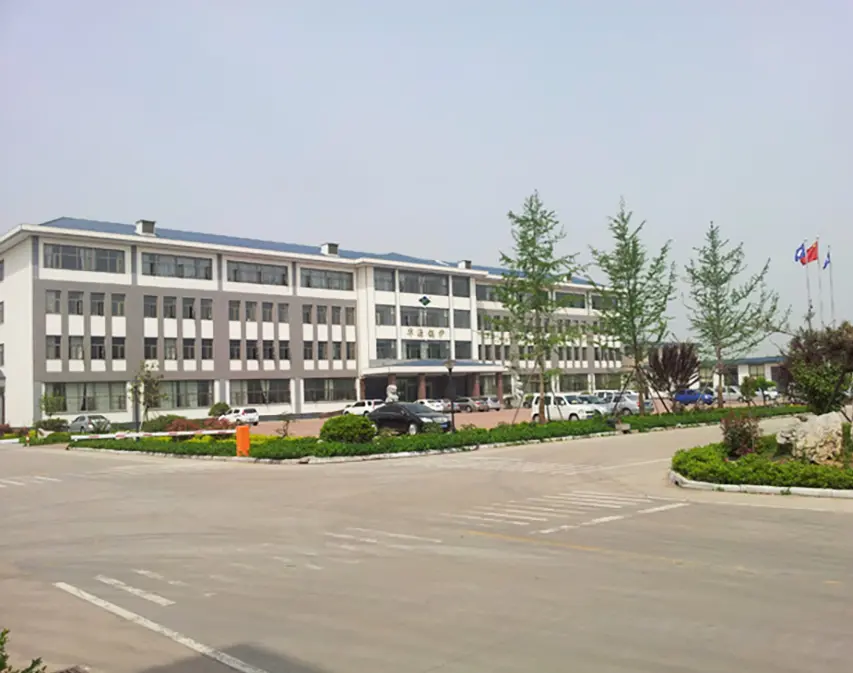
Founded in 1968, Huayuan Tech covers 209,335 square meters with deep expertise in boiler technology and waste-to-energy systems. With over 500 employees, including 34% specialized engineering staff, we treat every project as an engineering milestone.
A: Pyrolysis is a thermochemical decomposition process in an oxygen-free environment. Waste engine oil is heated to break down complex molecular chains into smaller, usable hydrocarbon molecules, which are then condensed into refined oil.
A: Our cost-effectiveness stems from vertical integration in manufacturing and economies of scale. We do not compromise on quality; instead, we optimize the supply chain, utilize advanced R&D to minimize material waste, and streamline production efficiency.
A: Yes, our continuous pyrolysis plants are engineered to manage various feedstocks, including waste tires, plastics, and sludge, allowing for versatile industrial energy recovery.
 Huayuan