Browse our flagship engineering solutions, ranging from rotary kiln pyrolyzers to commercial waste heat recovery boilers, designed to optimize your project's CAPEX and operational efficiencies.
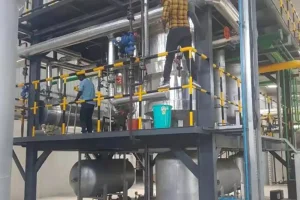
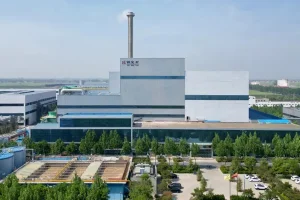
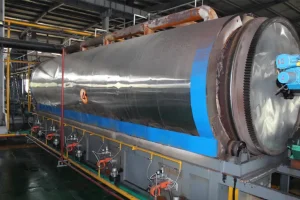
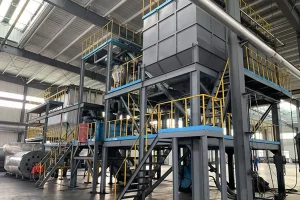
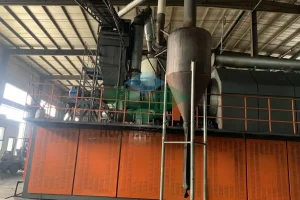
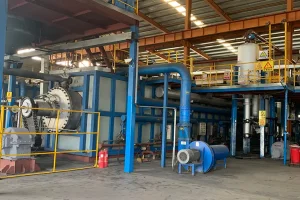
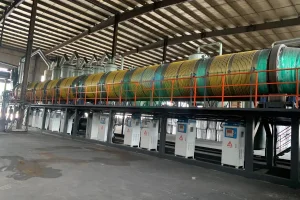
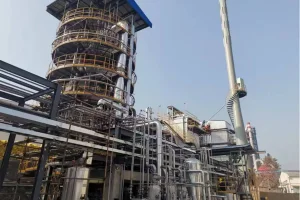
In the modern landscape of environmental remediation, seeking a "cheap garbage disposal facility" is no longer a compromise on quality. Rather, it represents the optimization of capital expenditure (CAPEX) through engineering innovations, vertical manufacturing integration, and scale economies. At Huayuan Tech, we construct high-efficiency thermal conversion and waste recovery systems that bridge the gap between financial feasibility and stringent environmental compliance.
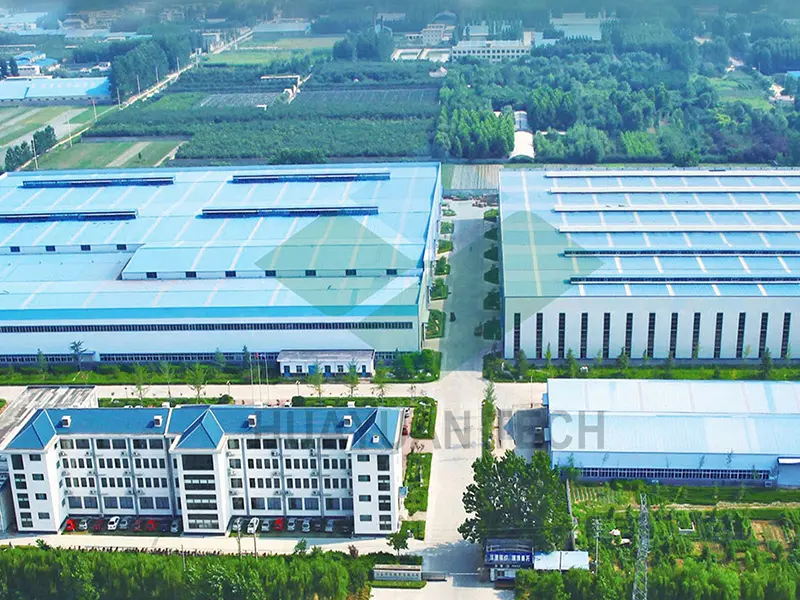
By transforming raw solid waste, municipal garbage, and discarded polymers into clean fuel oil, combustible gas, and recovered carbon black, our systems provide municipal bodies and private waste developers with a swift return on investment (ROI). Our solutions bypass costly third-party fabrication by maintaining a dedicated 209,335 square meter production campus equipped with state-of-the-art diagnostic machinery.
Operating under national A-class boiler and pressure vessel manufacturing licenses, our facilities integrate advanced heat exchange elements, continuous mechanical screw feeds, and closed-loop emissions scrubbing complexes. Our capability profile covers:
How tightening regulatory frameworks, carbon taxation schemes, and circular economy directives are reshaping the procurement parameters for modern garbage processing centers.
Historically, batch systems were favored for low initial capital outlay. However, modern operations demand continuous-feed screw pyrolyzers to maximize energy throughput, enhance heat retention, and systematically reduce thermal cycling wear on processing chambers.
Municipalities no longer view garbage as a liability, but as a source of circular feedstocks. Recovered Carbon Black (rCB) and pyrolysis oil are increasingly utilized as raw materials for new tires, industrial polymers, and low-sulfur marine grade fuels.
Procuring a disposal setup now requires compliance with ultra-low particulate and NOx emissions parameters. Leading manufacturers must integrate multi-stage scrubbers, acid gas neutralizers, and particulate filtration directly within the standard process line.
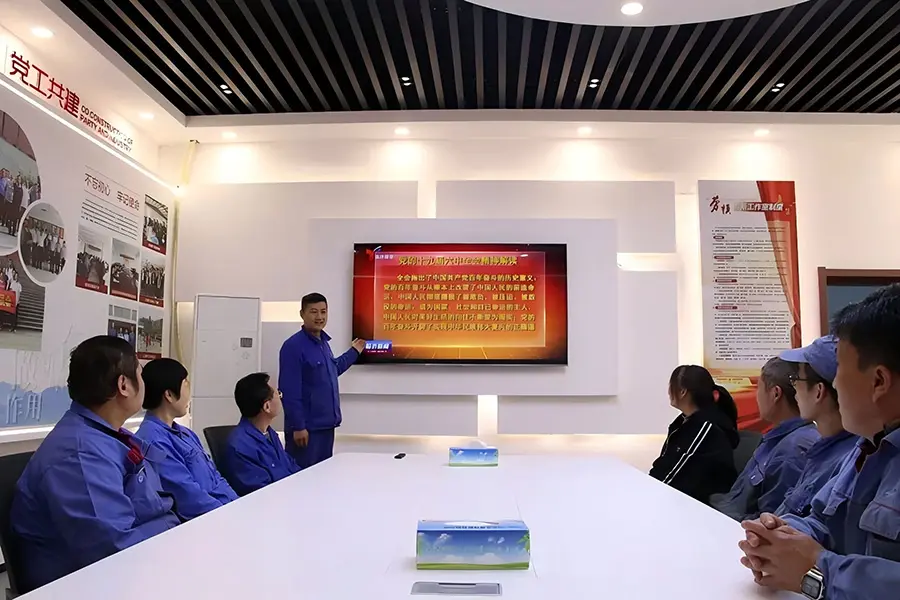
As enterprises scale, they transition into multidisciplinary entities. Today, Huayuan Tech operates as a comprehensive environmental engineering firm, offering pressure vessel design, waste tire and plastic scrap pyrolysis engineering, thermal integration, contract energy management, and system-level consulting.
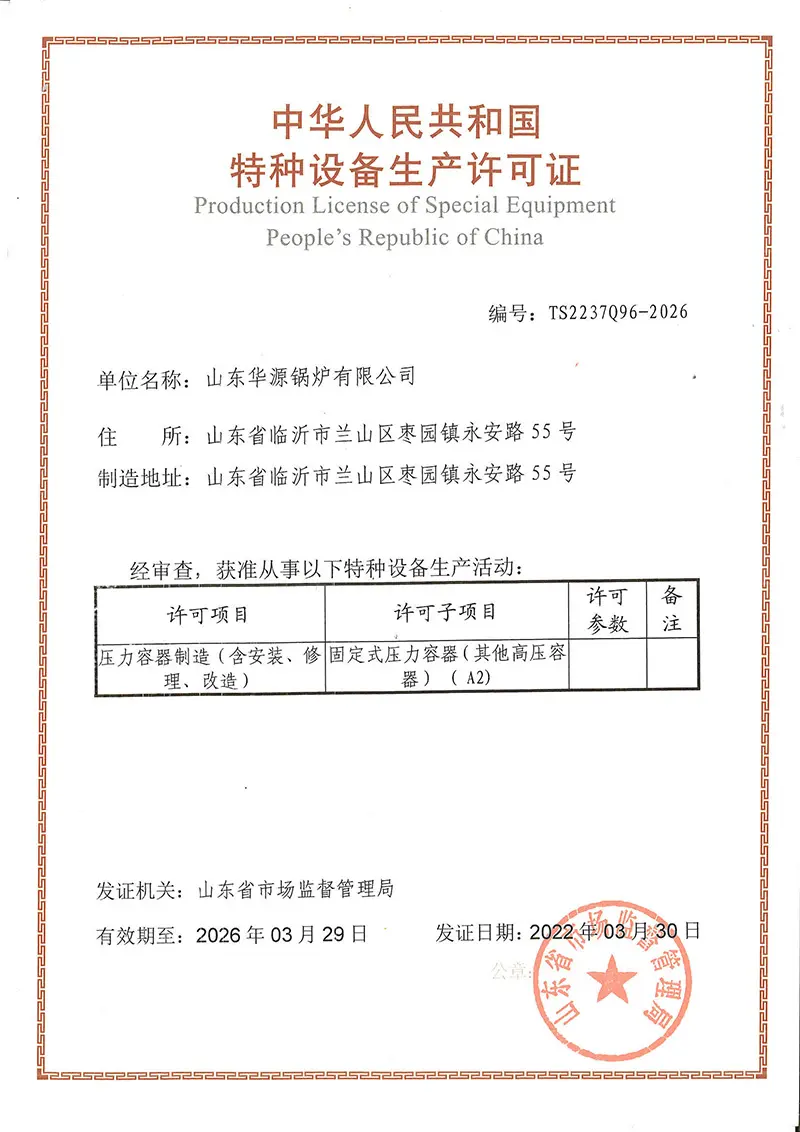
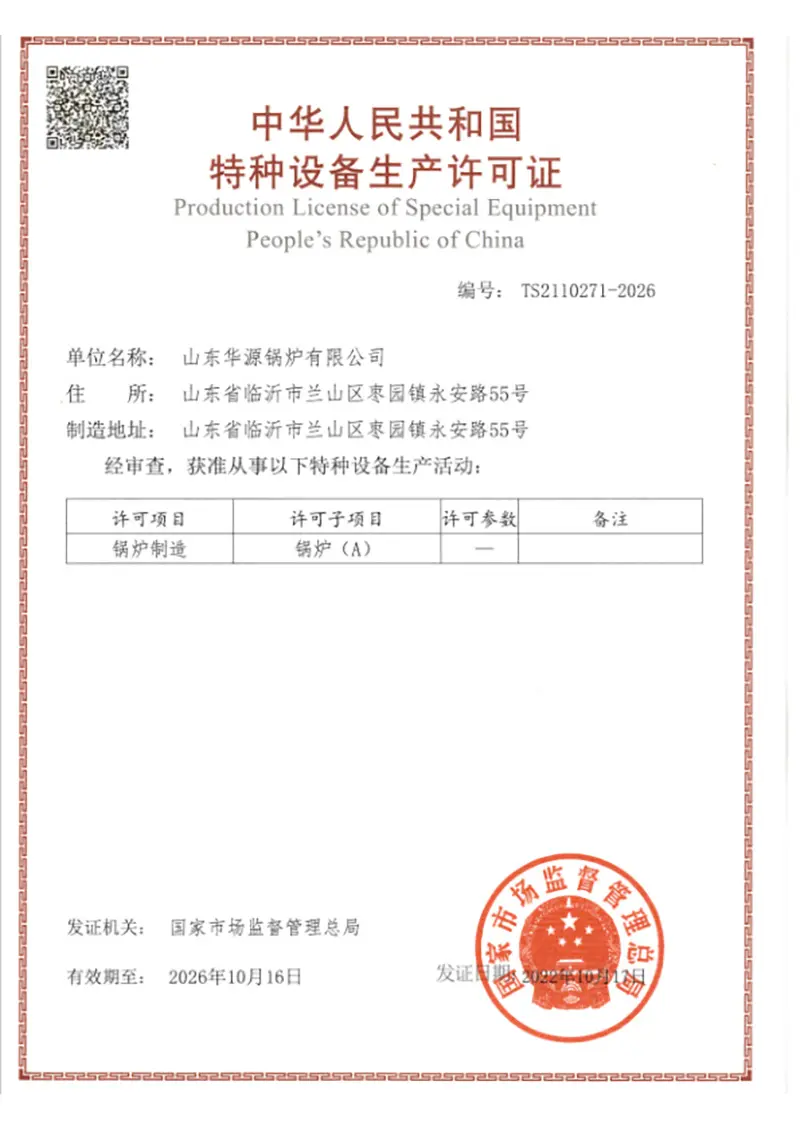
Holding a national A-class boiler manufacturing license, an A2-class pressure vessel manufacturing license, and a D1D2 pressure vessel design certificate, we assure structural integrity at every weldment. Our structural testing includes radiographic, ultrasonic, magnetic particle, and penetrant testing methods, ensuring all equipment handles continuous operational pressures without risk of thermal containment failure.
A timeline highlighting over 50 years of progressive expansion, starting as a localized workshop and evolving into an ASME-certified global supplier.
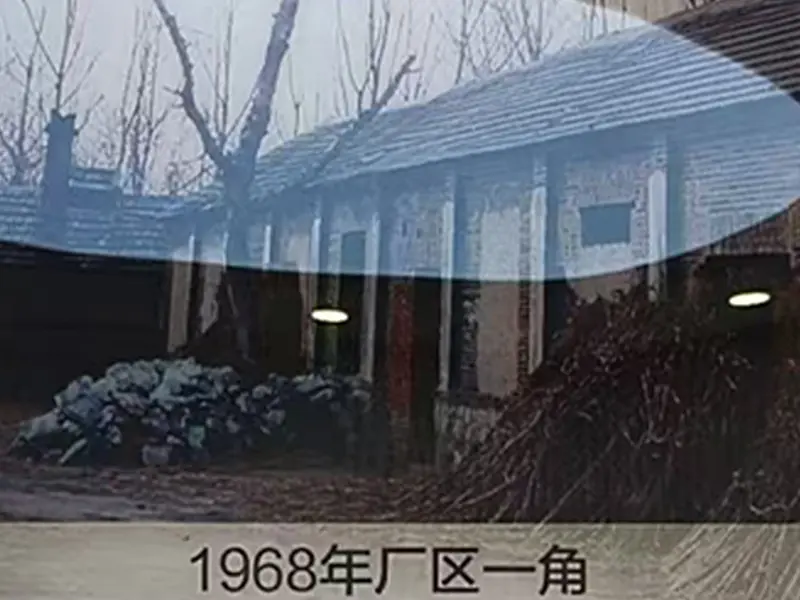
Initially, Huayuan Technology developed basic boiler technology across several localized workshops, laying the foundation for our high-temperature thermal transfer capabilities.
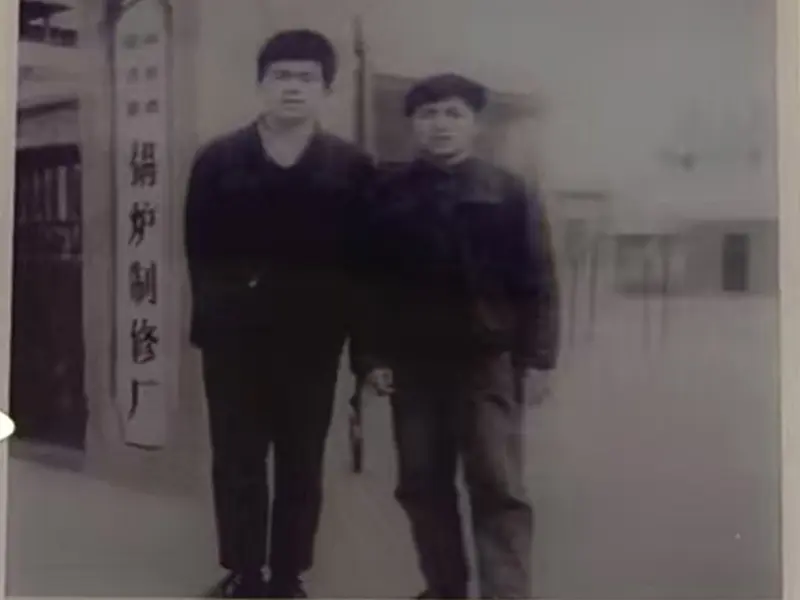
Restructured as Linyi County Boiler Manufacturing and Repair Factory, expanding capabilities under the jurisdiction of the Linyi County Industrial Bureau.
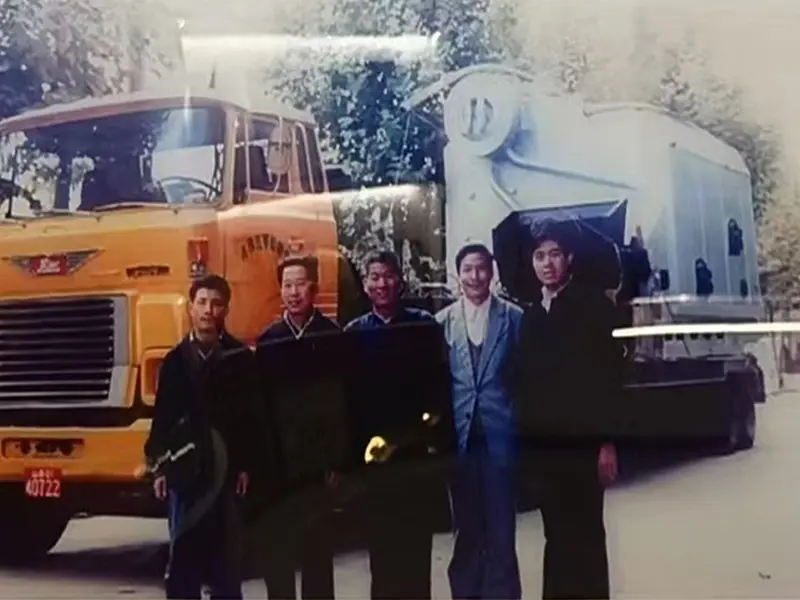
Renamed Linyi Boiler Factory. Merged with Linyi Auto Parts Factory and relocated to a larger, unified production facility at 373 Tongda Road.
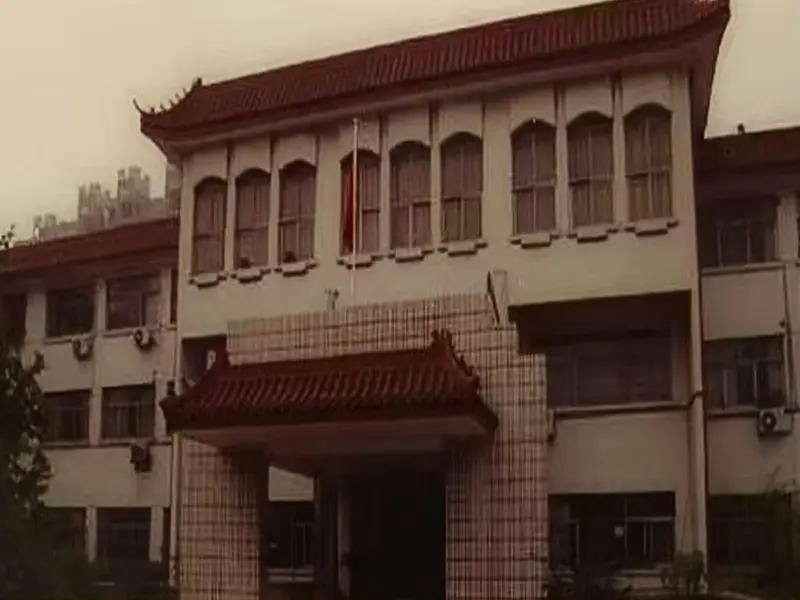
Transitioned from a state-supported enterprise structure to Linyi Boiler Co., Ltd., focusing on high-efficiency pressure systems and clean energy transfer technology.
Completed structural corporate restructuring, facilitating modernization and introducing automated fabrication techniques to our pressure vessel assembly lines.
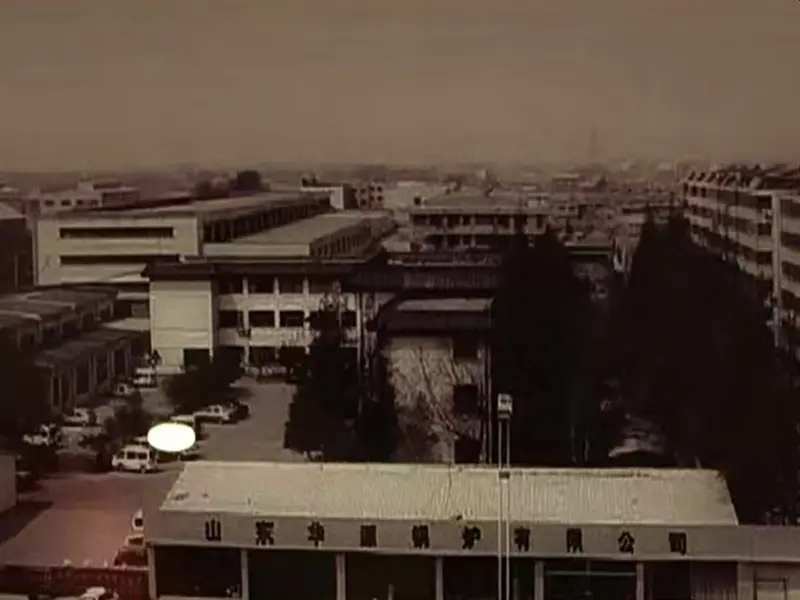
Secured our national A-level boiler manufacturing license and ISO triple system certifications. Commenced batch production of our first-generation waste tire pyrolysis plants.
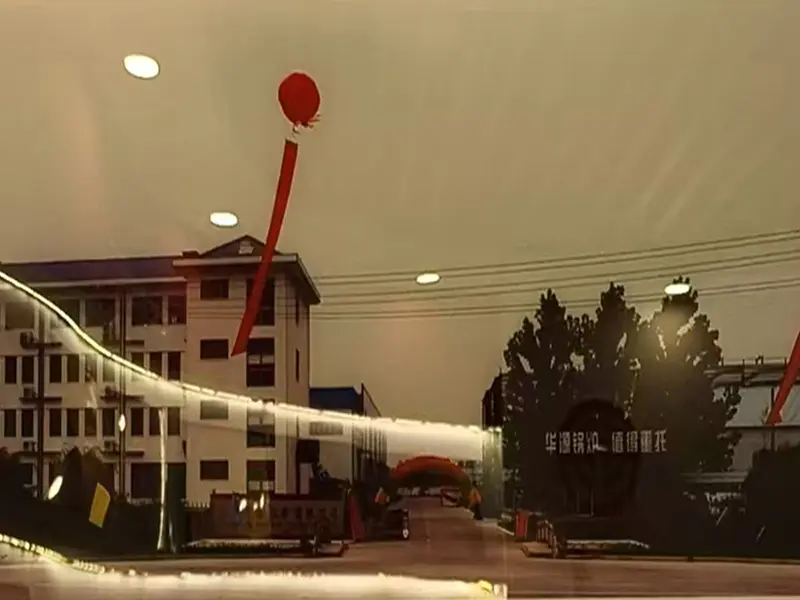
Relocated to our current modern industrial park in Zaoyuan Town, covering 220 acres. R&D division commenced development of continuous-flow pyrolysis models.
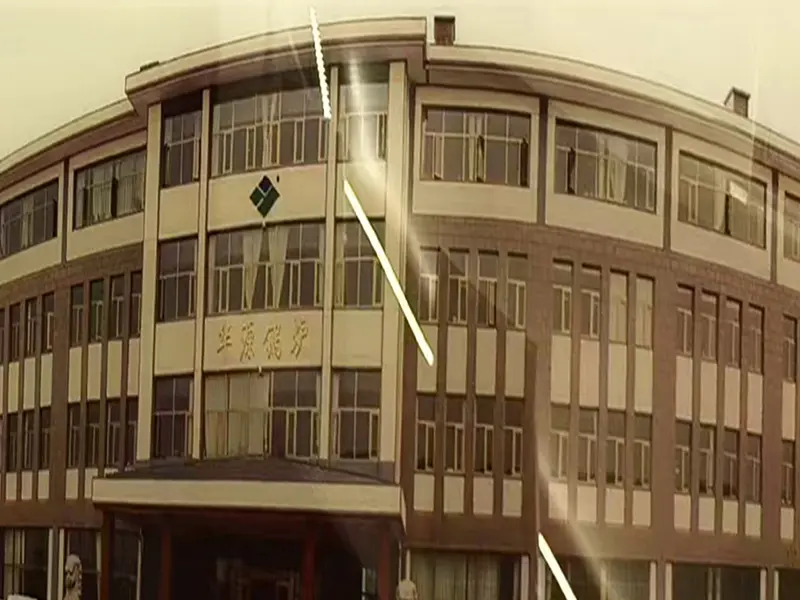
Successfully commercialized our continuous screw-running pyrolysis plant. Earned official ASME certification and national high-tech enterprise designation, initiating global deployment.
Solidified our corporate vision of "energy conservation, emission reduction, and carbon mitigation" to deliver cleaner industrial operations worldwide.
When comparing manufacturers of "cheap" garbage units, prioritize material specifications. Ensure the reactor chamber uses thermal-resistant boiler plate (such as Q345R or Q245R carbon steel, or high-alloy steel) to prevent oxidation, crack propagation, or hydrogen embrittlement under thermal loads.
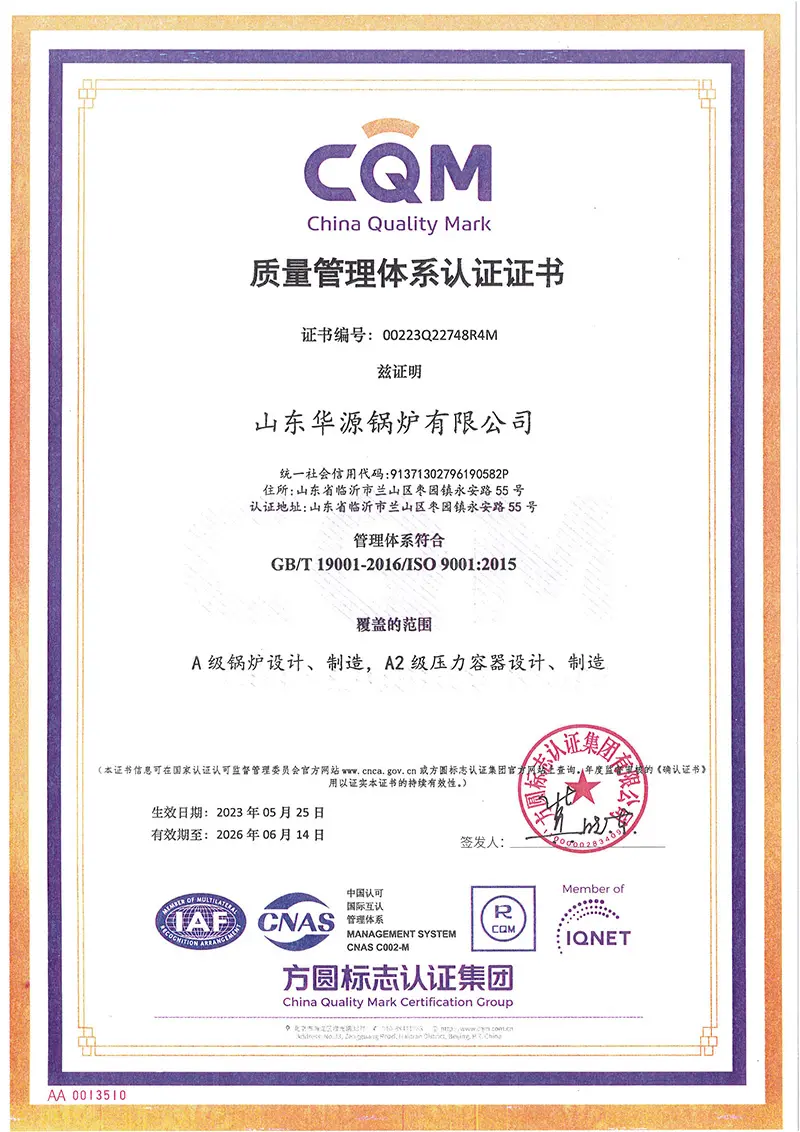
Confirm the vendor holds valid quality management and safety certifications. Ensure the facility is manufactured in compliance with ISO 9001, ISO 14001, OHSAS 18001 (ISO 45001), and has pressure components built to ASME or CE directives.
Opt for modular configurations where pyrolysis systems, condensing assemblies, and exhaust treatment systems are pre-skidded. Modular setups minimize on-site installation costs and facilitate easier scale-up as waste throughput demands increase.
Our engineering division designs customized solutions that transform municipal solid waste (MSW), scrap automotive tires, and plastic waste into valuable fuel sources and raw materials.
Used tires present a notable environmental challenge. Our continuous rotary kiln systems process tire blocks or rubber powder to extract high-yield heavy oil (typically 45-50% mass conversion), carbon black (30-35%), and steel wire (10-15%). The synthesis gas produced is recycled to fuel the pyrolysis reactor, making the system self-sustaining after start-up.
We supply dedicated waste-to-energy infrastructures to convert municipal waste and sorted industrial refuse into process steam, electrical energy, or high-energy syngas. By integrating specialized waste heat boilers, we capture thermal energy from exhaust systems, improving thermodynamic efficiency and maximizing heat recovery.
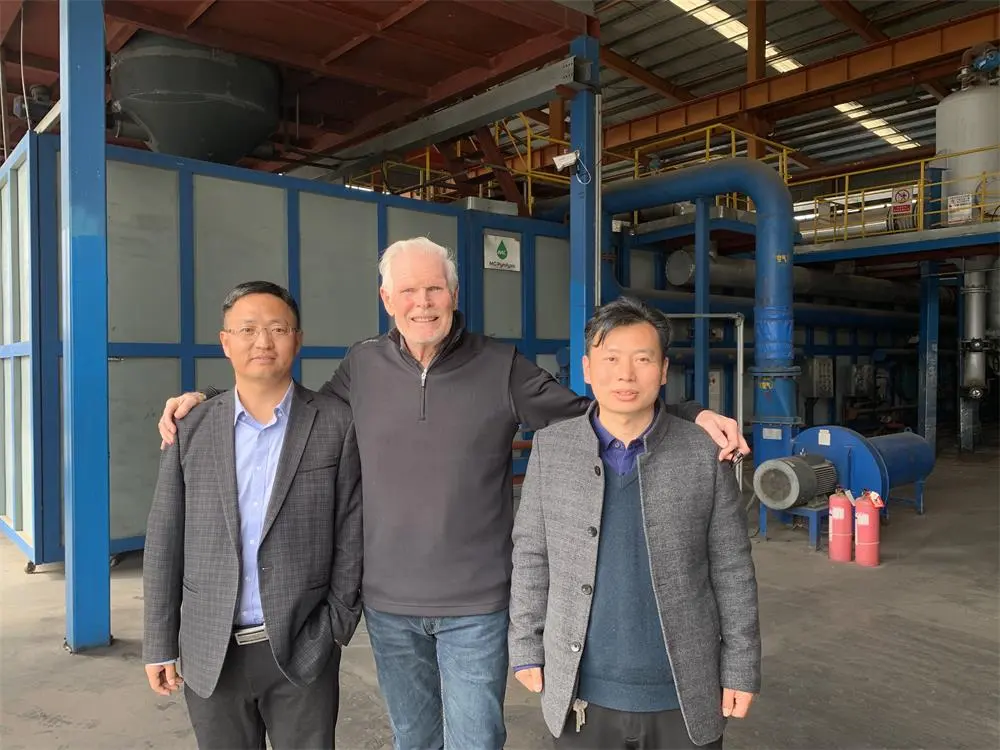
We maintain strict production controls, verified by international engineering and quality management certifications.
ISO 9001:2015 Quality Management
ISO 14001:2015 Environmental System
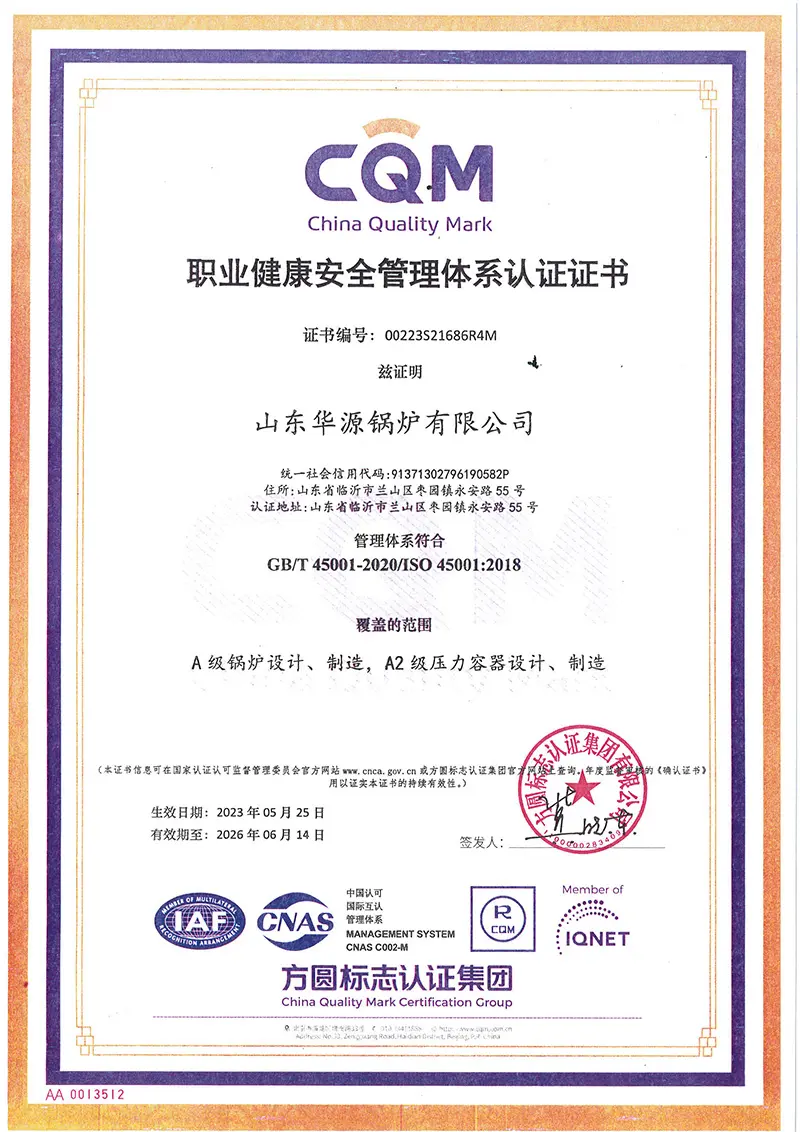
ISO 45001:2018 Occupational Health
ASME "S" & "U" Stamp Authorization
Common engineering questions regarding waste-to-energy and pyrolysis plants.
We provide engineering options tailored to your input feedstock, daily processing volume targets, and municipal footprint parameters.
 Huayuan