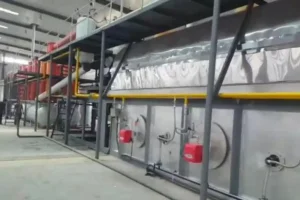
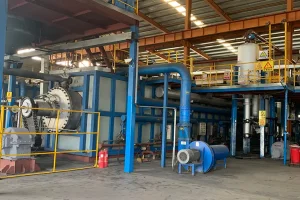
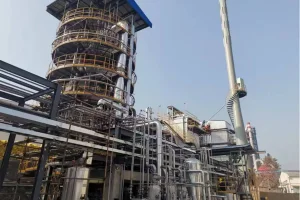
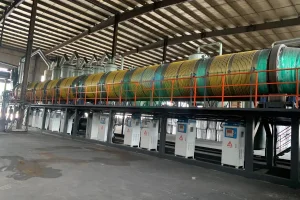
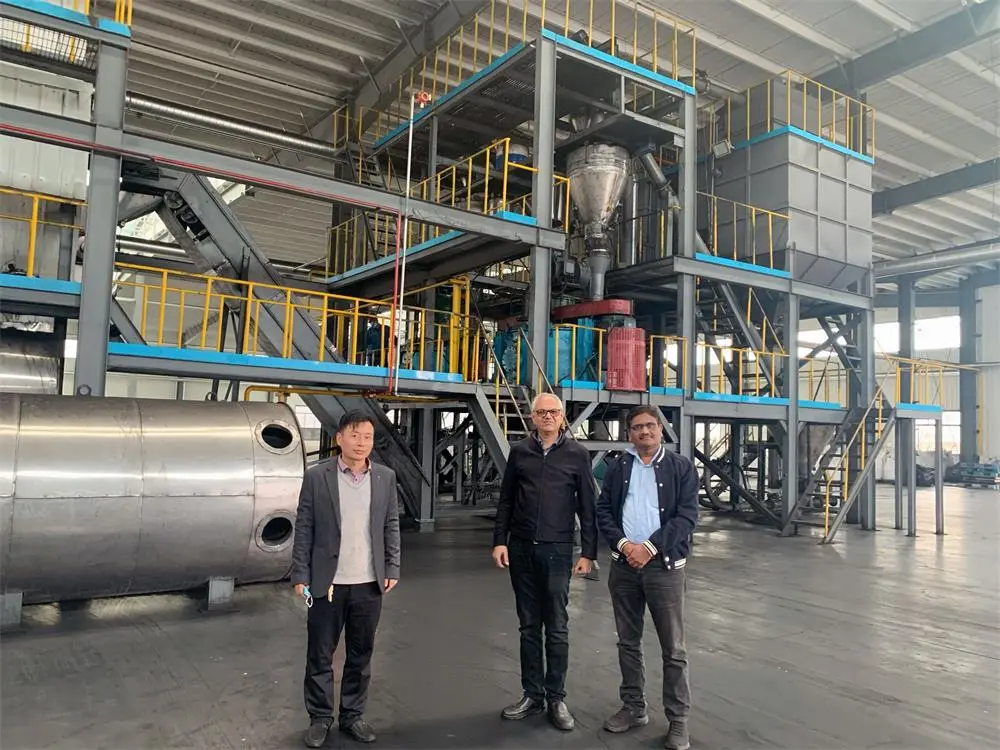
Explore our elite industrial lineup designed for high performance, continuous operation, and certified pressure safety regulations.
The global waste crisis demands agile, localized, and highly efficient recovery technologies. Traditionally, thermal processing was restricted to centralized, massive industrial facilities that required extensive logistics, feedstock sorting, and prohibitive capital expenditures. Today, the rise of the cheap home pyrolysis machine and small-scale decentralized pyrolysis systems represents a paradigm shift. Progressive operators, agricultural businesses, and local waste processing plants are seeking accessible, cost-effective, yet technically rigorous equipment to convert municipal solid waste (MSW), agricultural residues, discarded plastics, and scrap tires directly into high-value energy products: synthetic crude oil (pyrolysis oil), high-quality recovered carbon black, and clean non-condensable syngas.
As search intent pivots from purely theoretical green solutions to practical procurement and operational feasibility, it is vital to balance cost-efficiency ("cheap") with safety, compliance, and technological rigor. An affordable entry point does not permit cutting corners on pressure design, heat exchange metrics, or emission-scrubbing systems.
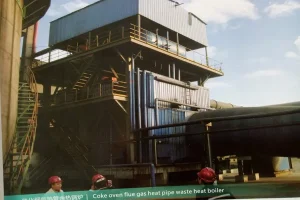
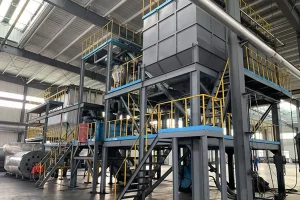
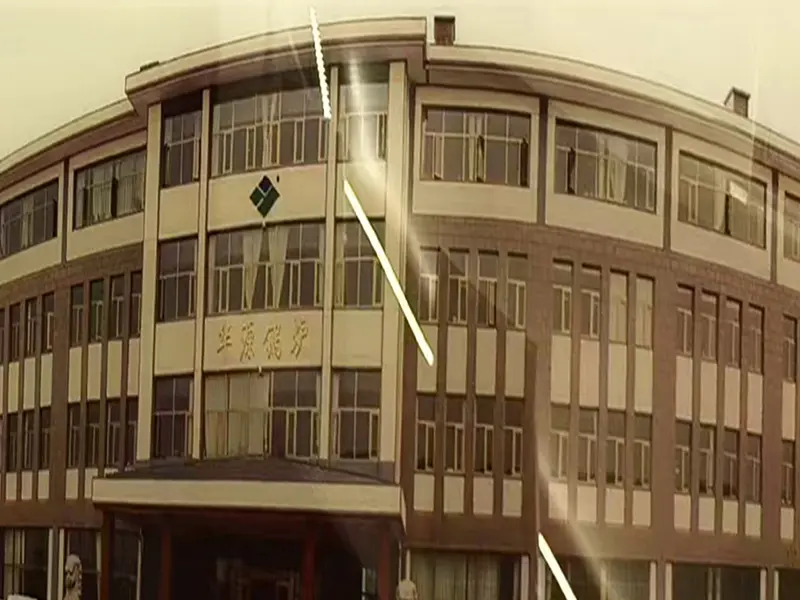
Founded in 1968, Huayuan Tech has spent over five decades building a rock-solid reputation in waste-to-energy and waste tire/plastic pyrolysis systems. Stretching across a massive state-of-the-art corporate area of 209,335 square meters, with a dedicated production plant covering 98,680 square meters, our workforce features more than 500 highly trained employees. Crucially, engineering and technical personnel make up 34% of our team, guaranteeing that every design iteration is backed by deep thermal physics, structural metallurgy, and mechanical safety calculations.
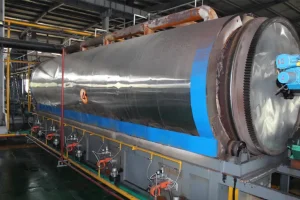
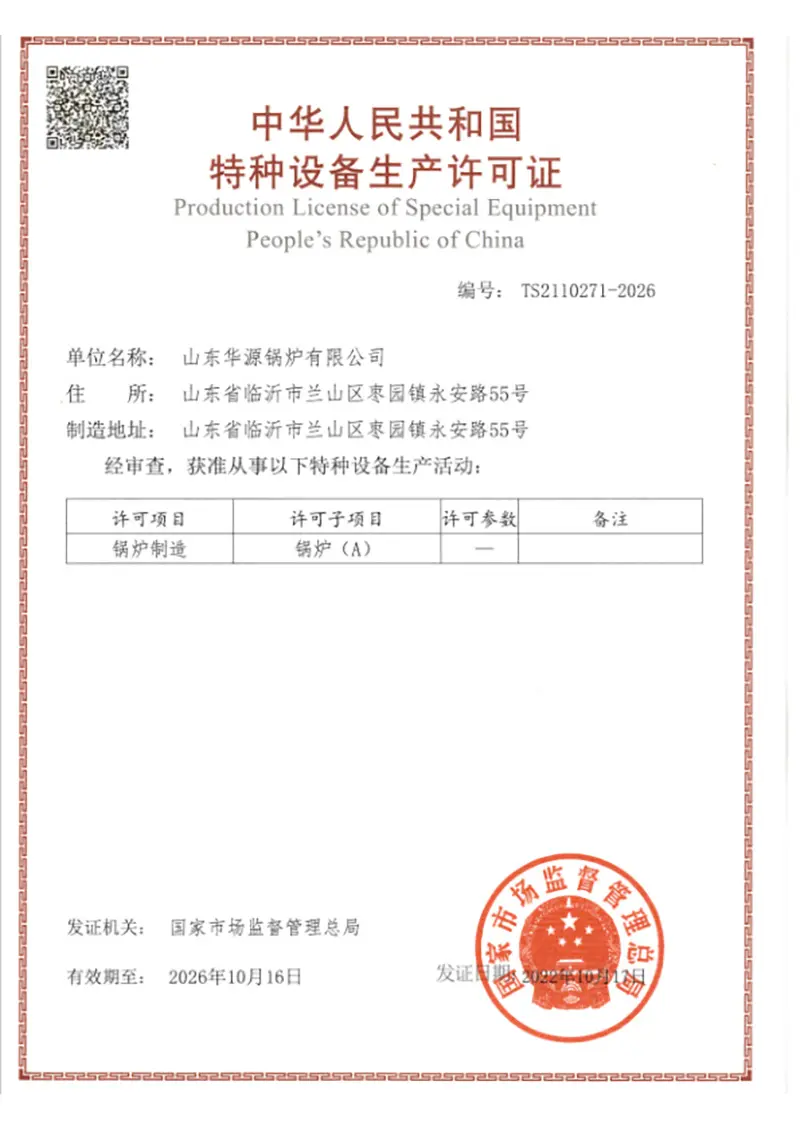
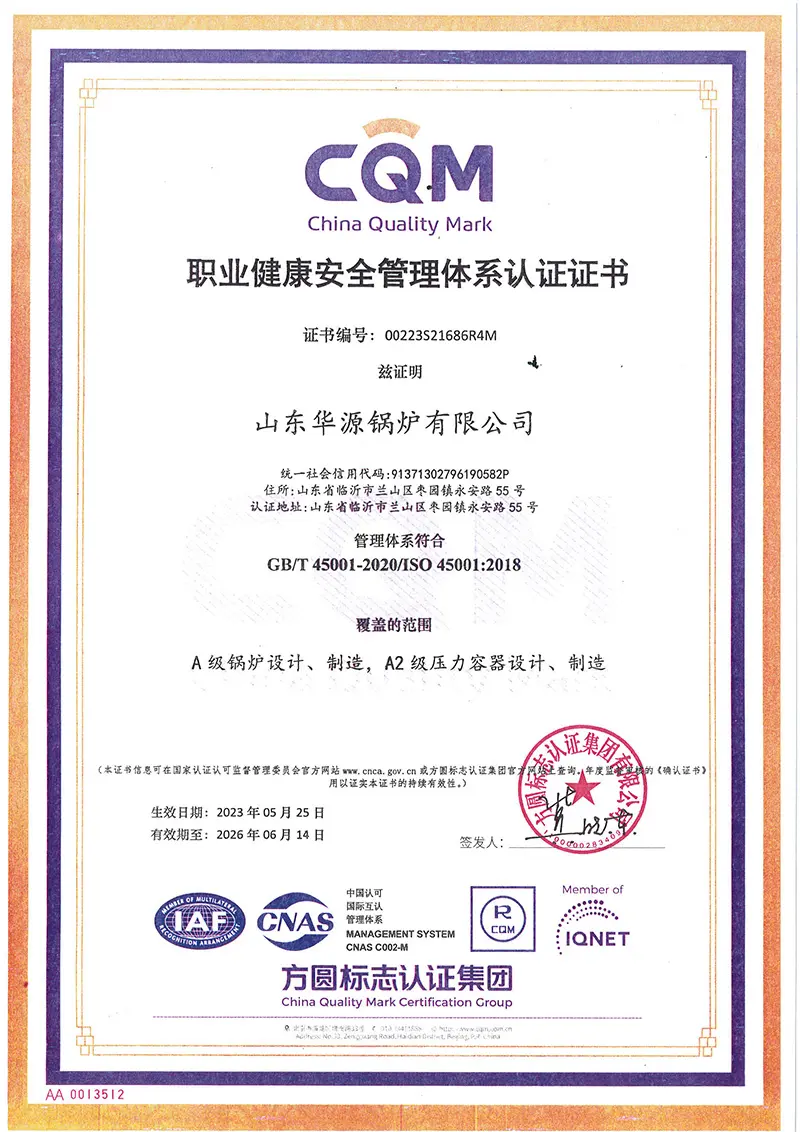
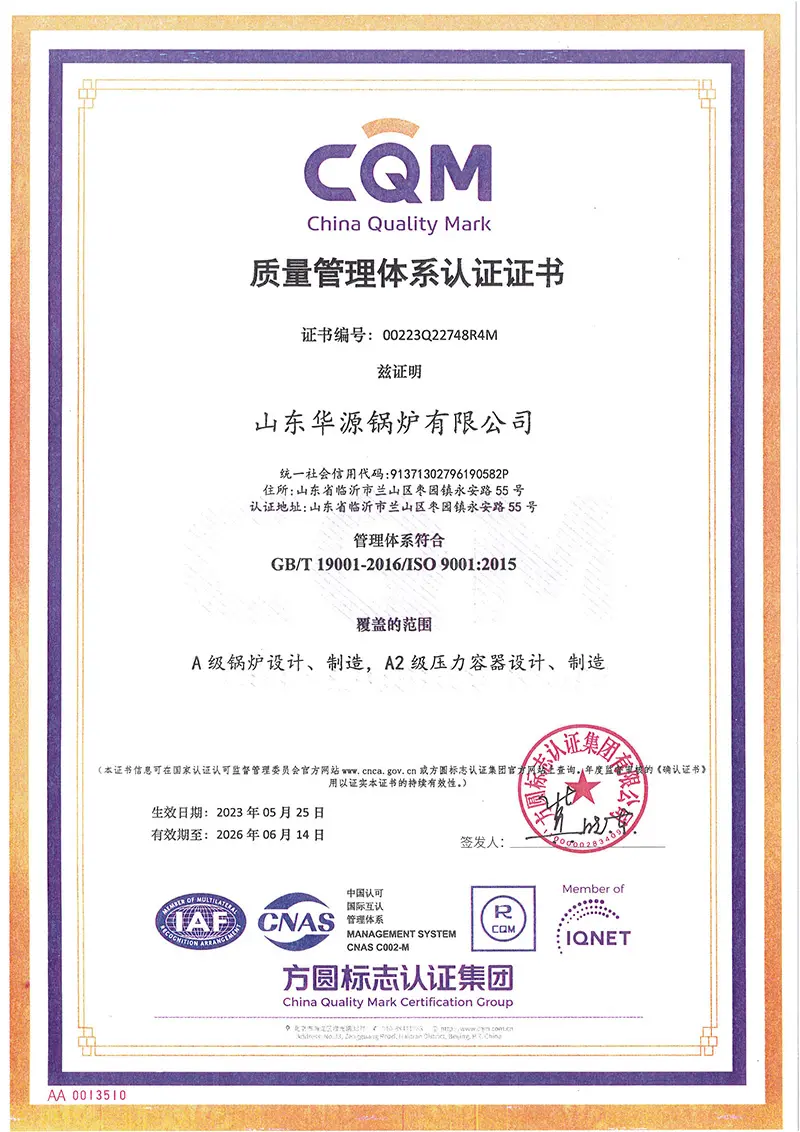
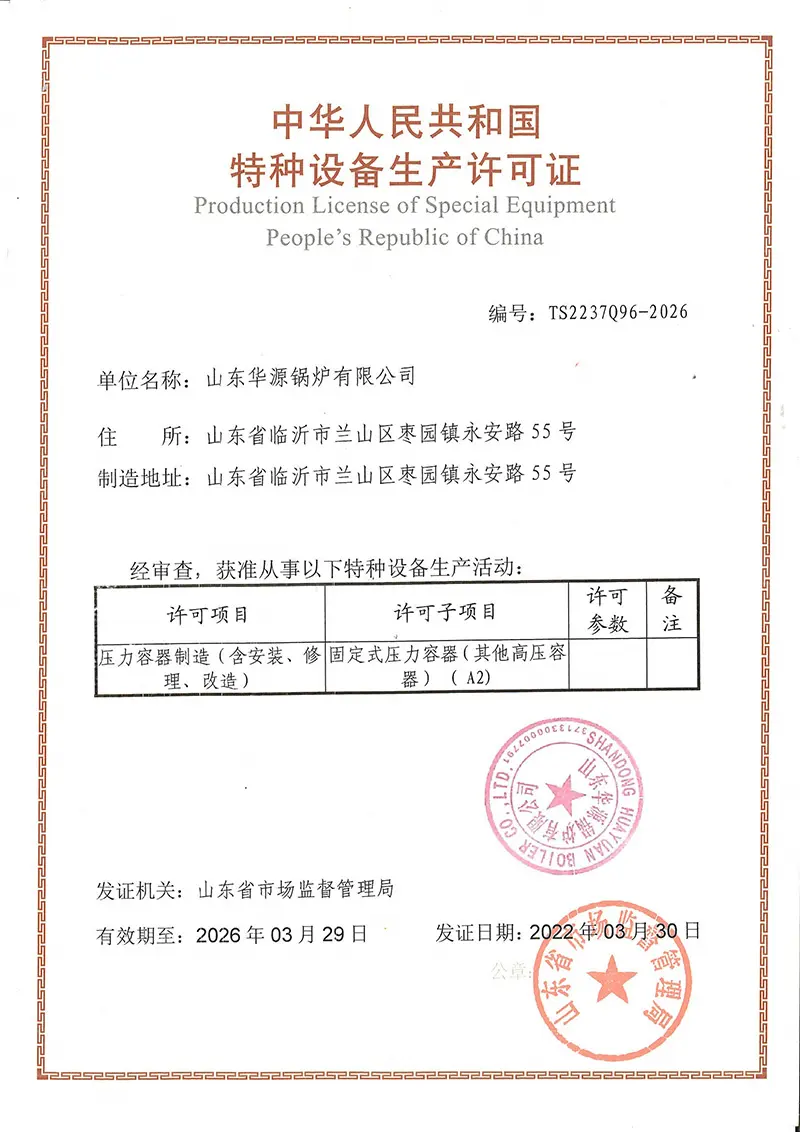
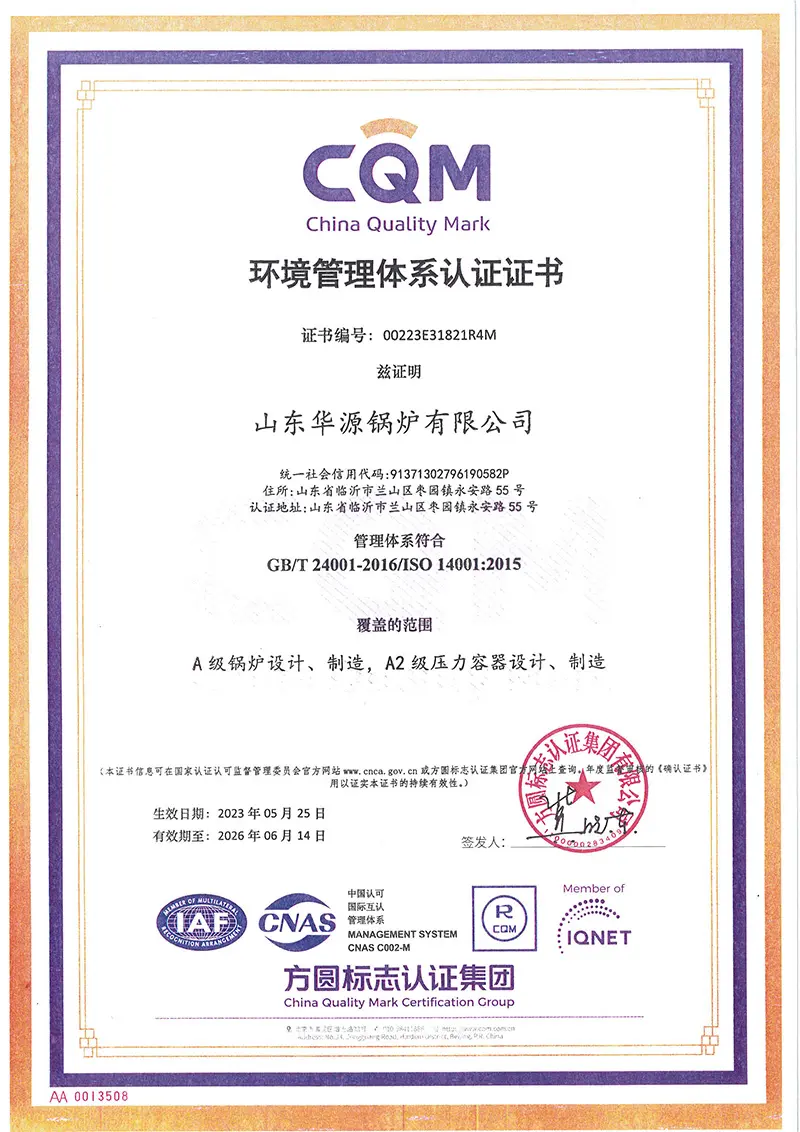
Unlike small trading companies that white-label low-tier pyrolysis setups, Huayuan Tech holds a complete suite of national A-class boiler manufacturing licenses and pressure vessel credentials. This allows us to engineer and construct thermal reactors capable of withstanding continuous, high-temperature operations (ranging from 400°C to 800°C) with absolute structural integrity. We strictly adhere to and have obtained ISO9001 (Quality Management), ISO14001 (Environmental Management), OHSAS18001 (Occupational Health & Safety) certifications, alongside the prestigious American Society of Mechanical Engineers (ASME) stamp.
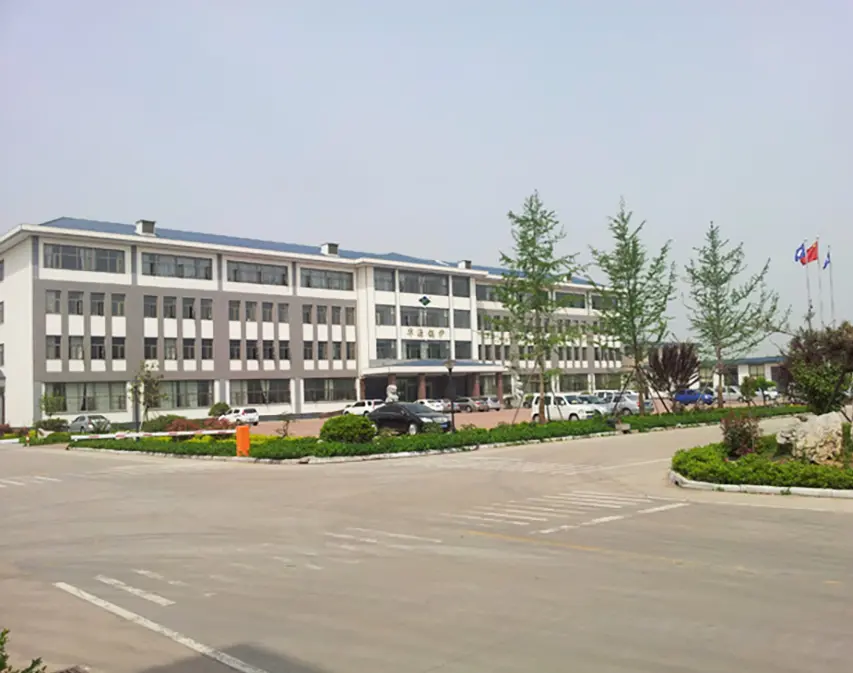
Our core mission revolves around the development, design, testing, and sale of advanced waste tire, plastic scrap, and home-to-industrial scale pyrolysis machines. Huayuan Tech operates as a comprehensive thermal energy service company offering consulting services, thermal equipment system integration, contract energy management, and financial investment support. Holding a national A-class boiler license, A2-class pressure vessel manufacturing credentials, and D1D2 pressure vessel design certificates ensures that every micro-scale or heavy-industry continuous screw pyrolysis plant we ship meets strict international safety thresholds.
"Unswervingly pursue technological innovation, build strong enterprise core competitiveness" is our long-term guiding principle. Adhering to the values of "innovation, quality, honesty," we view environmental protection and energy conservation not just as marketing points, but as core engineering prerequisites. Through close collaboration with leading academic and industrial research labs, we continually introduce game-changing features to our modular batch and continuous rotary kiln pyrolysis designs.
By designing reactors that minimize thermal loss and capture over 98% of produced non-condensable syngas to re-heat the system, we help our clients dramatically lower fuel consumption. This optimization process directly improves the profitability profile of small-scale installations, proving that highly functional pyrolysis plants can remain economically viable ("cheap") while ensuring maximum safety and zero emission runoff.
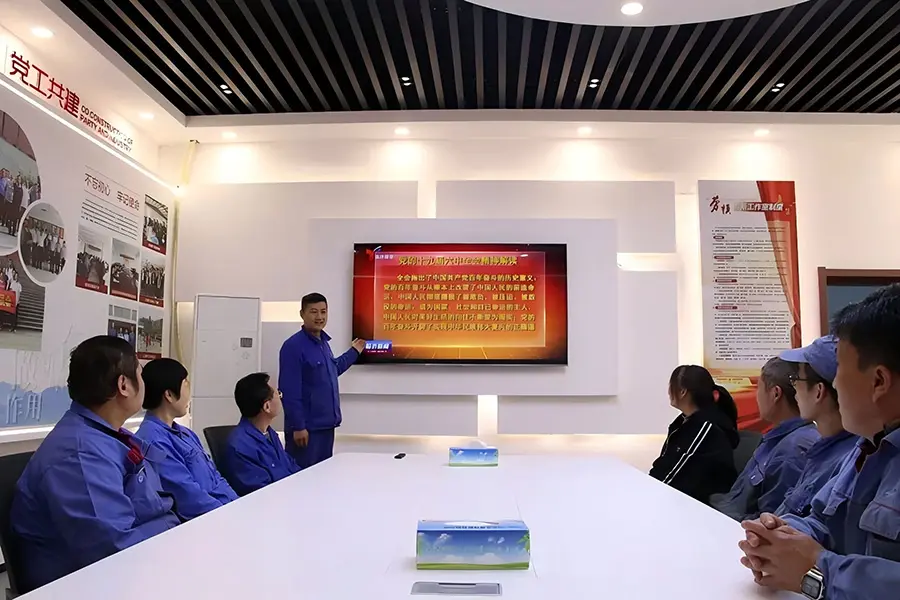
Decades of technical growth, transitioning from early boiler repair workshops to a global green-energy powerhouse.
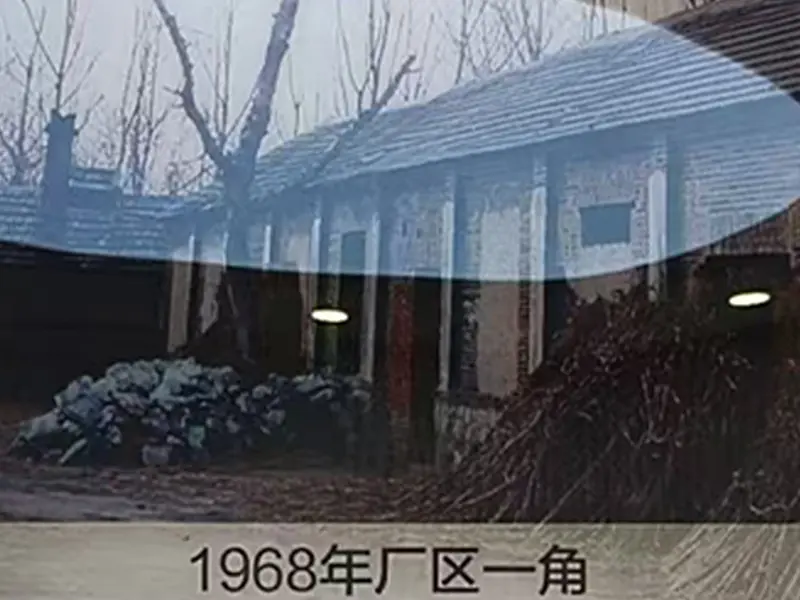
Initially, Huayuan Technology developed boiler technology in several factory workshops, building foundational thermodynamic expertise.
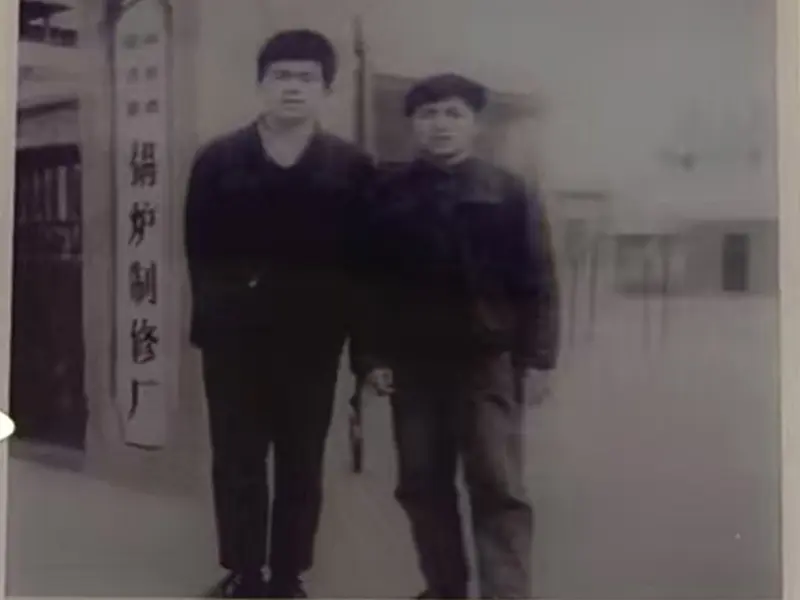
Restructured as Linyi County Boiler Manufacturing and Repair Factory, under the jurisdiction of Linyi County Industrial Bureau.
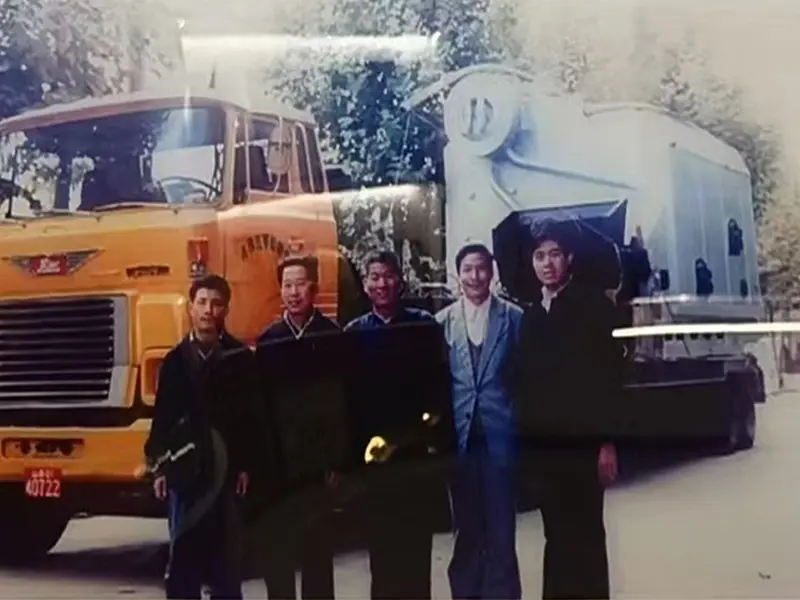
Renamed Linyi Boiler Factory, merged with Linyi Auto Parts Factory, and relocated to 373 Tongda Road.
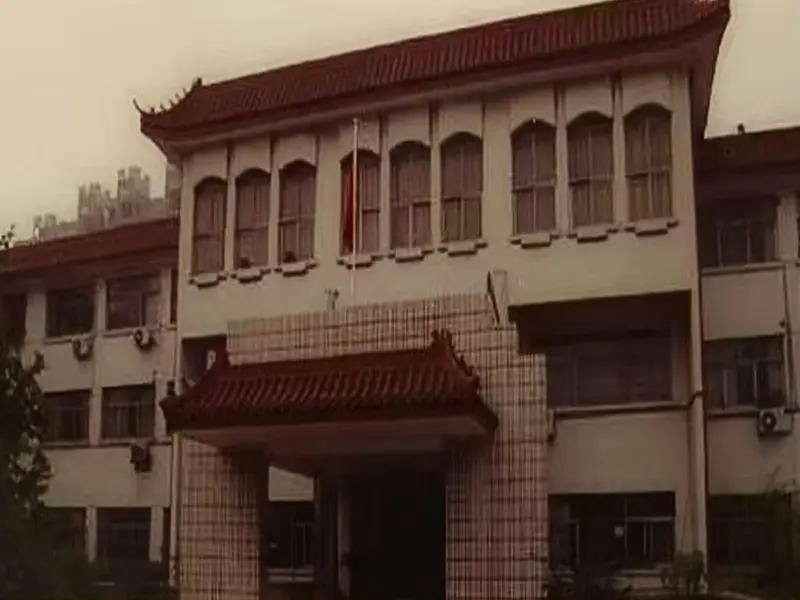
Restructured into Linyi Boiler Co., Ltd., adopting modern corporate governance frameworks.
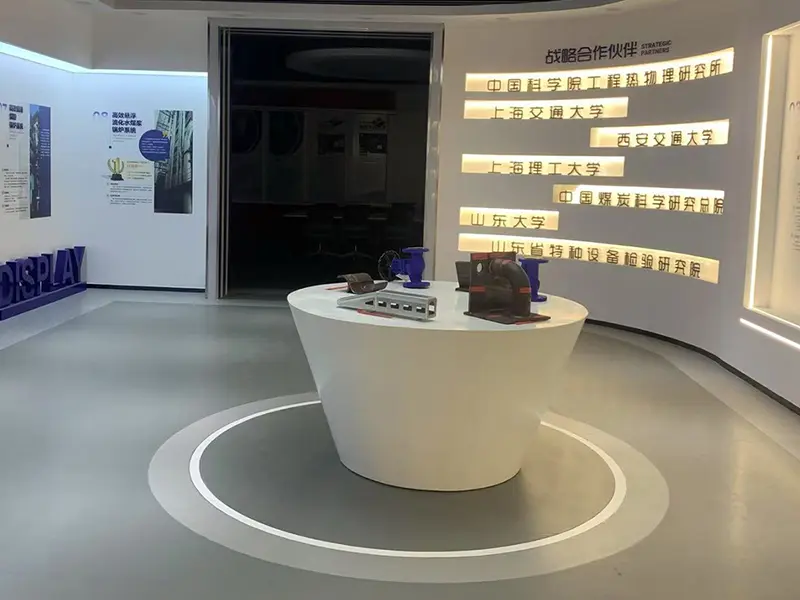
Successful corporate restructuring provided wings for the company's takeoff, establishing a modern industrial structure.
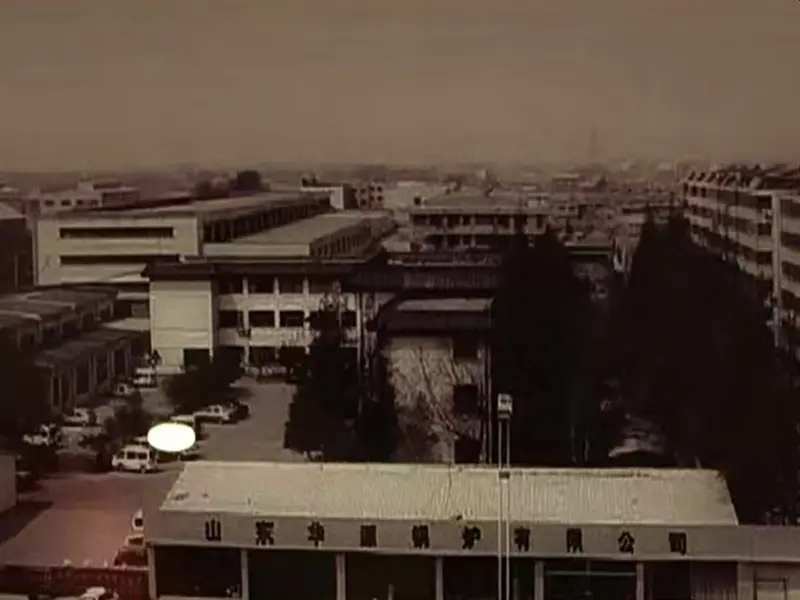
Obtained the national A-level boiler license and ISO certifications. Initiated design and production of batch waste tire pyrolysis plants.
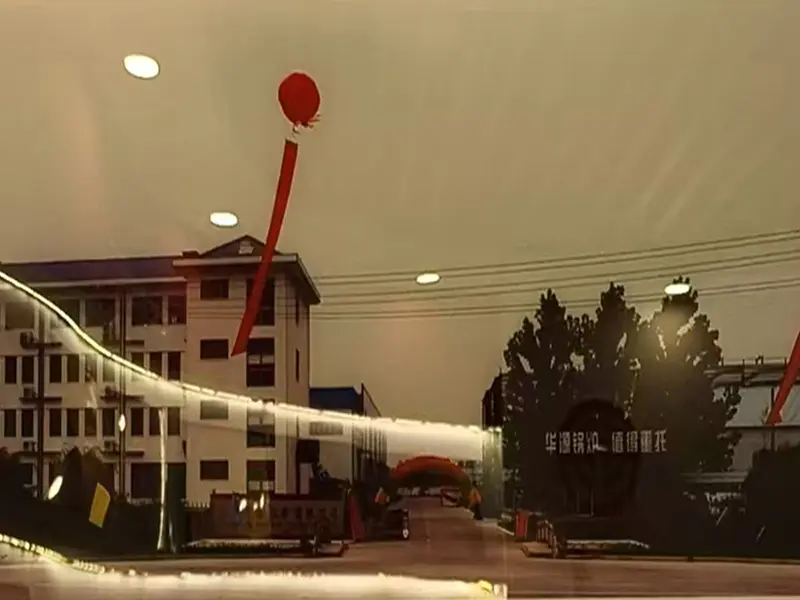
Relocated to a brand-new factory spanning 220 acres in Zaoyuan Town Industrial Park. Began R&D on continuous pyrolysis models.
Successfully developed continuous screw pyrolysis plants. Gained High-Tech Enterprise status and ASME certificate, taking the brand global.
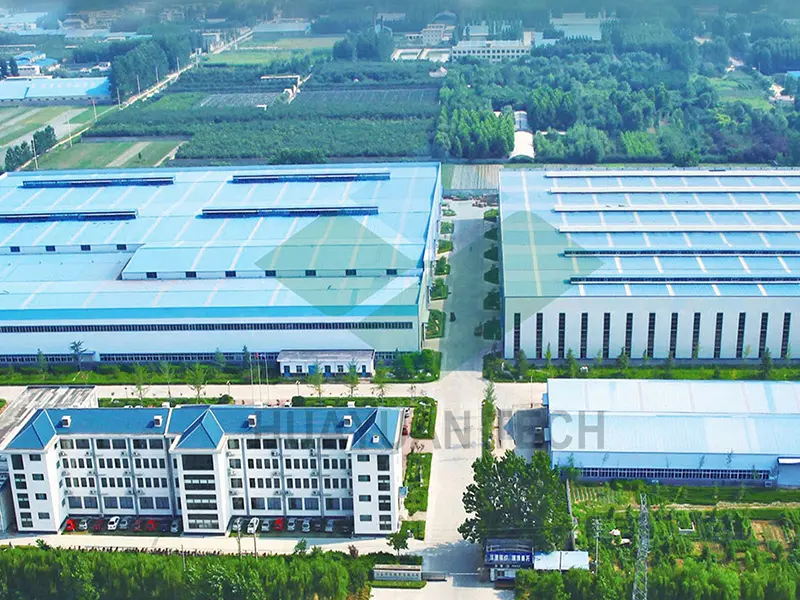
Adhering to our corporate vision: "doing energy conservation and emission reduction, making the sky bluer, the earth greener, and the water cleaner."
Every machine undergoes strict structural design reviews, pressure testing, and validation to secure global environmental approval.
Across Europe, the Americas, and Southeast Asia, strict regulatory frameworks like the European Green Deal and regional circular carbon initiatives are shifting focus toward high-value localized waste recovery. Large scale plants are highly efficient but logistically restricted; they require trucking rubber, plastics, or biomass over long distances, which increases both operating expenses and carbon emissions. Decentralized small-scale systems, including municipal test units and specialized agricultural installations, eliminate this transit bottleneck.
By installing compact, high-efficiency continuous pyrolysis equipment at the source of waste generation (such as small tire repair shops, localized agricultural cooperatives, or municipal collection stations), waste is immediately converted into valuable products. 10 tons of scrap tires yields roughly 4.5 tons of pyrolysis oil, 3.5 tons of carbon black, and 1.2 tons of steel wire.
The development of pyrolysis setups has progressed through three primary technological phases:
Huayuan Tech has actively led this progression. Since developing our first batch tire plants in 2005, we successfully advanced to continuous screw models by 2018. Today, we utilize PLC automated controls to ensure consistent heat distribution, clean energy utilization, and optimal gas scrubbers that exceed global environmental regulations.
Safety is the absolute priority when dealing with thermal waste recovery, syngas flow, and high pressure. Our D1D2 pressure vessel design certificates and ASME engineering stamps guarantee that every weld, valve, and gasket is built to withstand thermal expansion and prevent flammable gas leaks.
Huayuan Tech provides complete, end-to-end commissioning support, from initial site analysis and compliance consultation to on-site assembly, instrumentation testing, and operator training. Our global service network ensures that parts, safety upgrades, and expert support are accessible no matter where your project is based.
Engineered thermal systems built to maximize carbon recovery, process waste scrap, and minimize environmental footprints.
Expert technical answers regarding feedstocks, safety parameters, environmental compliance, and cost efficiency.
Explore additional specialized machinery from our factory for high-yield waste recovery operations.
 Huayuan