Explore our engineering-focused catalog of batch, semi-continuous, and fully continuous thermal processing systems certified to global industrial standards.
Global environmental directives are forcing a complete reimagining of rubber, plastic, and hydrocarbon waste disposal. While historical initiatives focused exclusively on massive centralized recycling hubs, these operations frequently succumb to volatile local feedstock supply chains, massive logistics costs, and prohibitive transport-related carbon emissions. This is where the engineering innovation of mini pyrolysis machines enters the stage.
Mini pyrolysis machines—typically defined as units processing between 1 to 10 tons of raw hydrocarbons per day—provide the precise localized capacity required to establish highly profitable, closed-loop waste economies. By eliminating the necessity to haul bulky scrap tires or plastic waste across states, operators can achieve localized thermal depolymerization, converting municipal solid waste directly into high-value pyrolysis fuel oil, synthetic gas, and recovered carbon black at the point of collection.
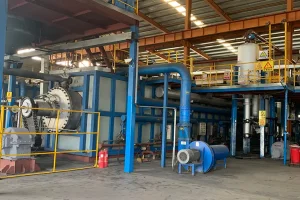
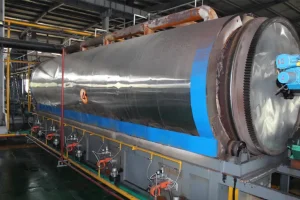
Designed with modular skid-mounted frames, our mini pyrolysis systems are easily transported and commissioned. These systems are engineered to withstand continuous heating cycles using high-grade boiler steel, ensuring long life and resistance to thermal fatigue. Through precise control of reactor pressure, oxygen exclusion, and temperature profiles, mini pyrolysis provides the same yield quality as multi-million dollar industrial installations at a fraction of the capital footprint.
Understanding industrial buyers' needs: Balancing capital expenditure, energy efficiency, and regional emission controls.
Procuring from Class-A licensed pressure vessel factories guarantees structural integrity under continuous operation, mitigating risks associated with gas leakages or explosive depressurization.
Incorporating custom waste heat boilers and non-condensable syngas recycling systems reduces external heating fuel costs by up to 40%, generating self-sustaining combustion loops.
Our systems comply with major environmental directives, employing three-stage scrubbers, activated carbon filtration, and double water seals to guarantee zero flue gas pollution.
Below is the verified chemical output ratio for mini pyrolysis operations across various waste stocks under a standard 400°C–450°C reaction profile.
| Feedstock Type | Liquid Fuel Yield (%) | Recovered Carbon Black (%) | Syngas Output (%) | Steel Wire Content (%) |
|---|---|---|---|---|
| Industrial/Car Tires | 45% - 48% | 30% - 35% | 10% - 12% | 12% - 15% |
| Mixed Plastics (PE, PP, PS) | 70% - 85% | 10% - 15% | 8% - 15% | 0% |
| Crude Oil Sludge (Solid/Liquid) | 30% - 50% | 30% - 40% (Mineral residue) | 10% - 15% | 0% |
| Agricultural Biomass | 20% - 30% (Bio-oil) | 35% - 40% (Biochar) | 25% - 30% | 0% |
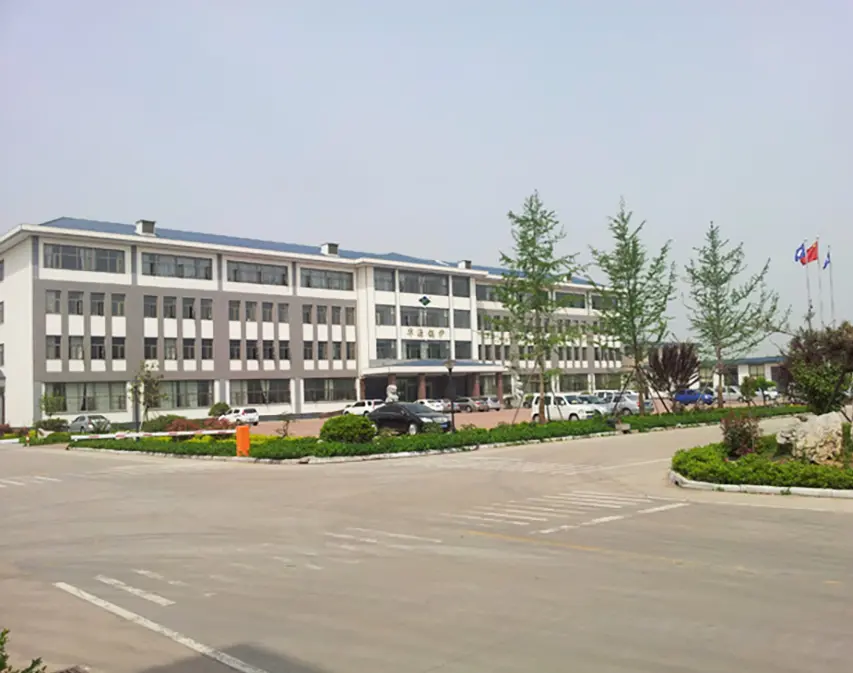
With the continuous development of our enterprises, Huayuan Tech has now become a leading name in boiler technology, pressure vessel manufacturing, waste tire, and plastic scrap pyrolysis machine development.
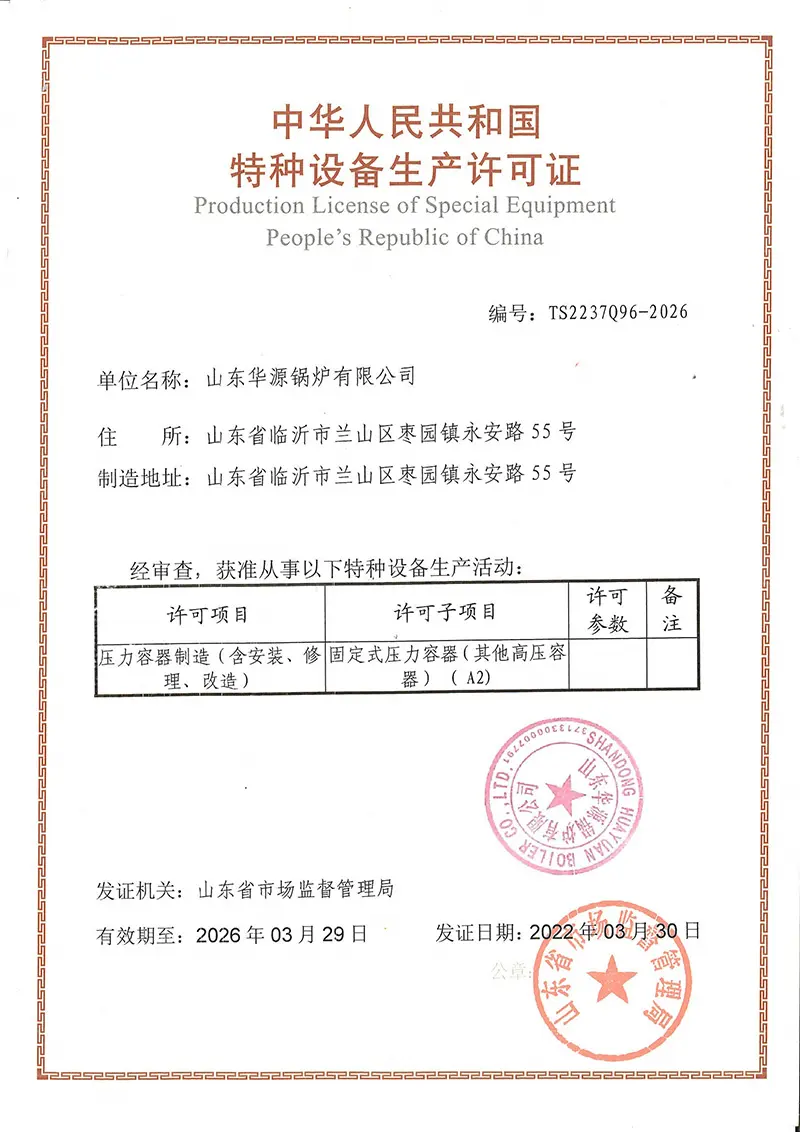
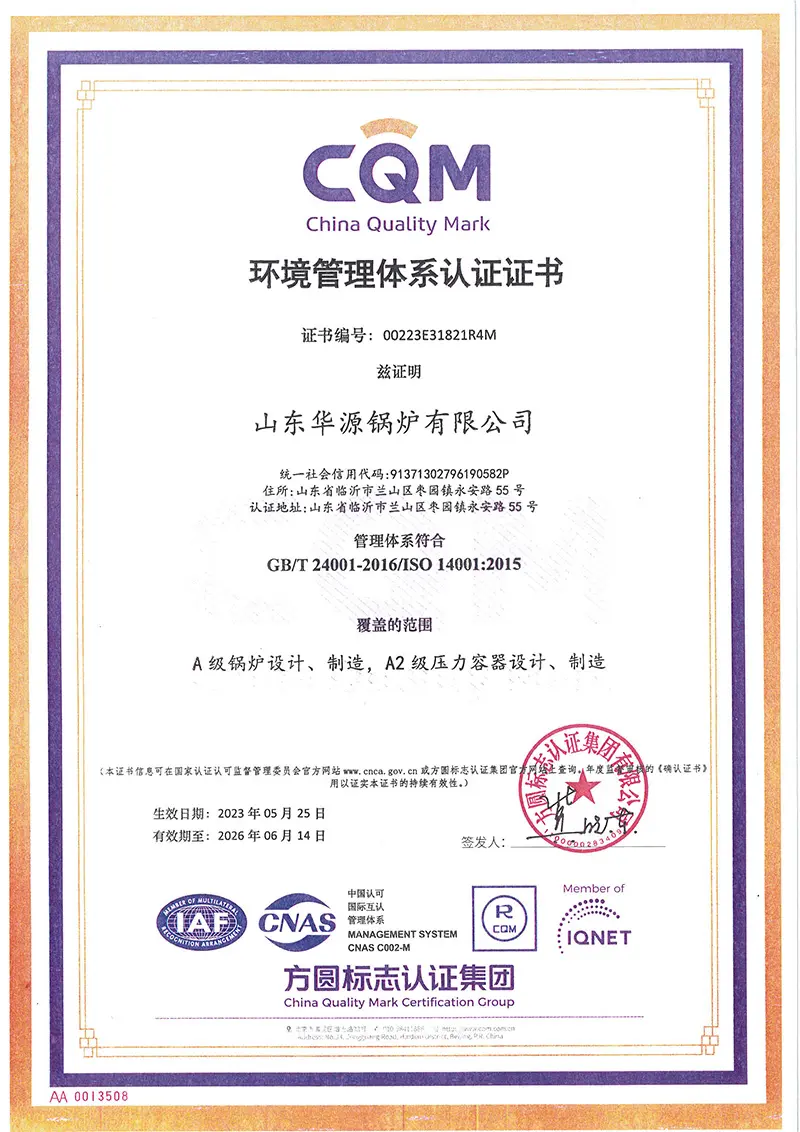
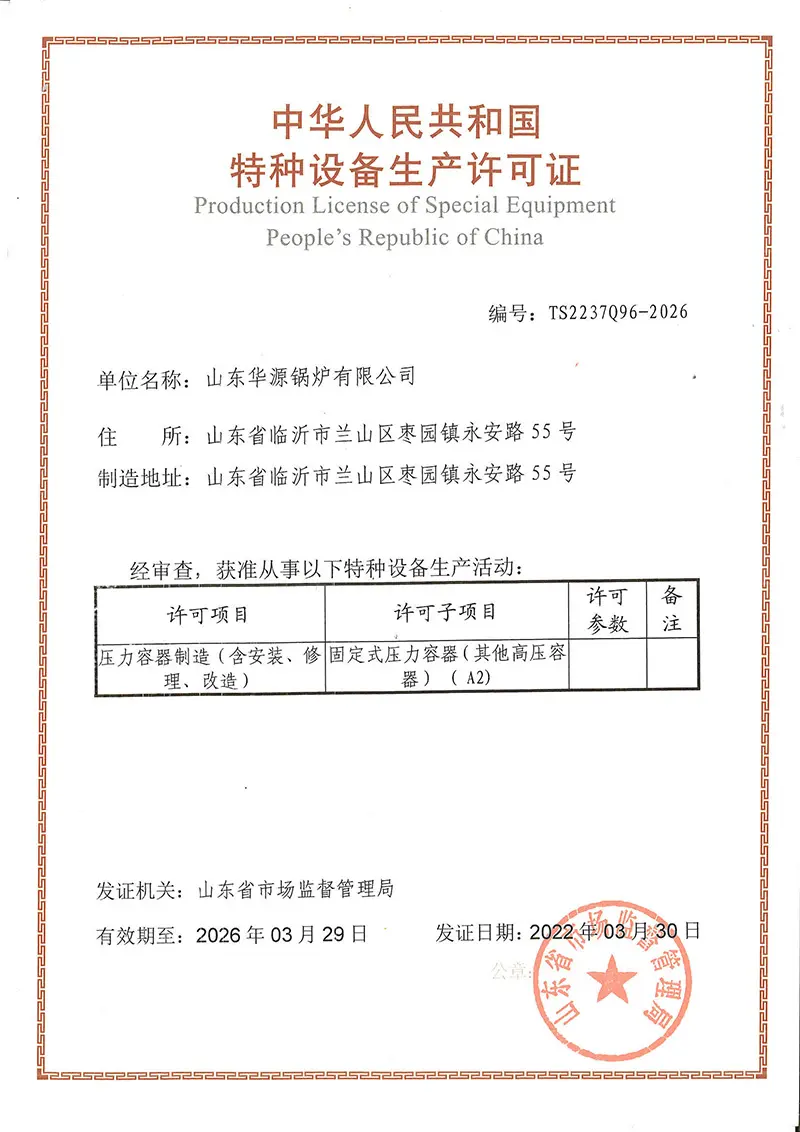
Holding a national A-class boiler manufacturing license, A2-class pressure vessel manufacturing license, and D1D2 pressure vessel design certificate, our production processes represent the pinnacle of industrial safety. We manage projects from system design and manufacturing to contract energy management, thermal system integration, and investment-financing partnerships.
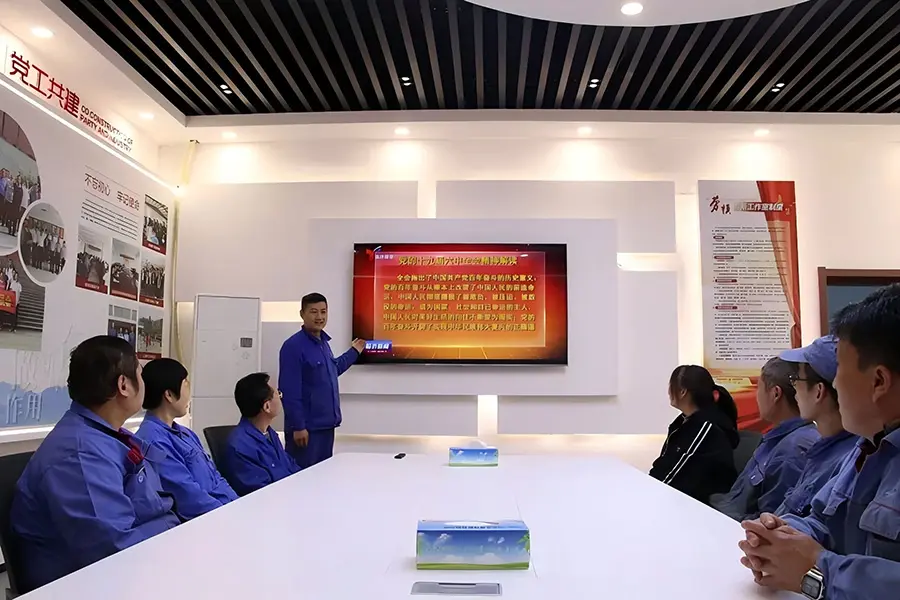
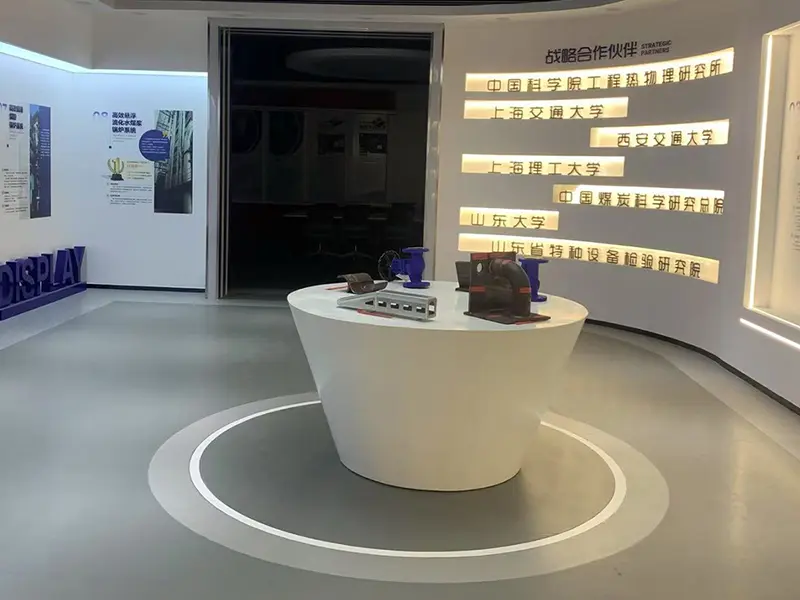
At Huayuan Tech, we unswervingly pursue technological innovation to build strong enterprise core competitiveness. This has been our long-term strategy for success. Adhering to the business purposes of "Innovation, Quality, Honesty", and prioritizing environmental protection alongside energy conservation, we leverage our unique R&D philosophy and close collaboration with top research universities.
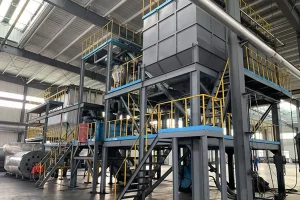
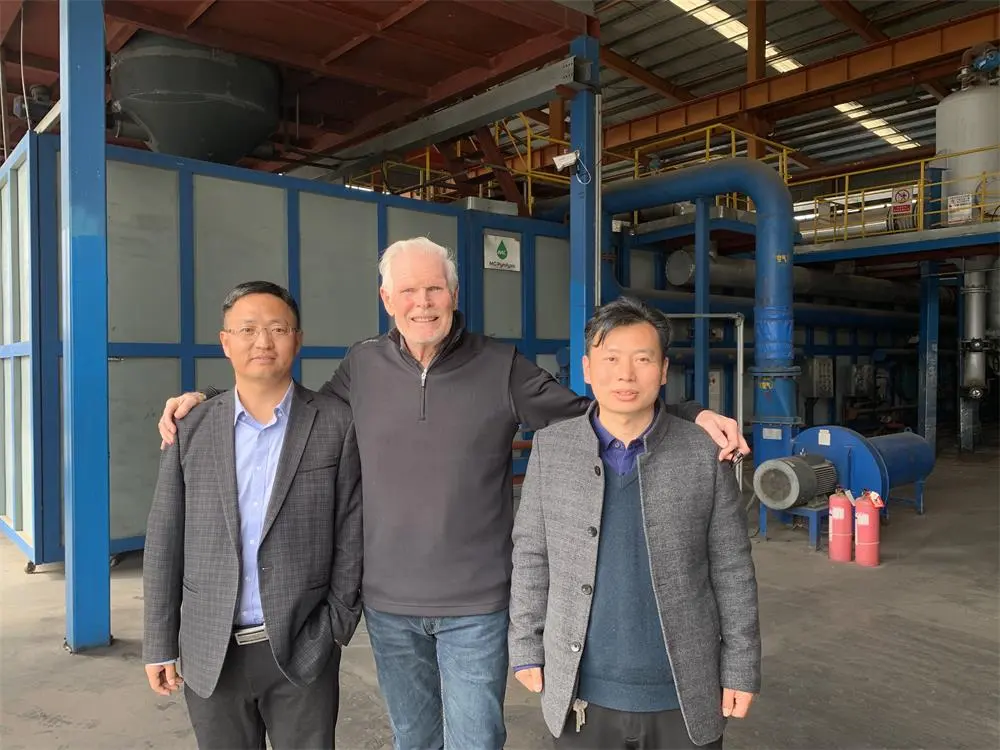
Our manufacturing center utilizes automated welding lines, digital non-destructive testing (NDT), and high-precision CNC machining centers. This digitalized infrastructure reduces steel shell stress fatigue, maintains consistent thickness profiles across the entire reactor body, and improves thermal transfer efficiency.
This ensures that our mini pyrolysis reactors can handle up to 6,000+ heating cycles without hairline cracking or structural deformation—a critical advantage over small workshops that construct reactors manually with lower-grade materials.
A heritage of engineering excellence from 1968 to present, driving energy conservation and carbon footprint reduction globally.
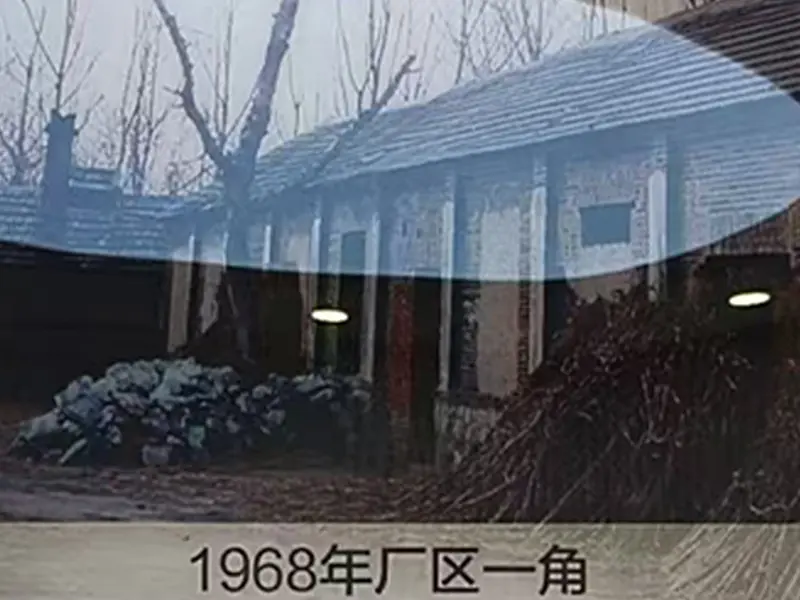
Initially, Huayuan Technology developed boiler technology in several factory workshops, building a solid foundation in thermal dynamics and pressure control.
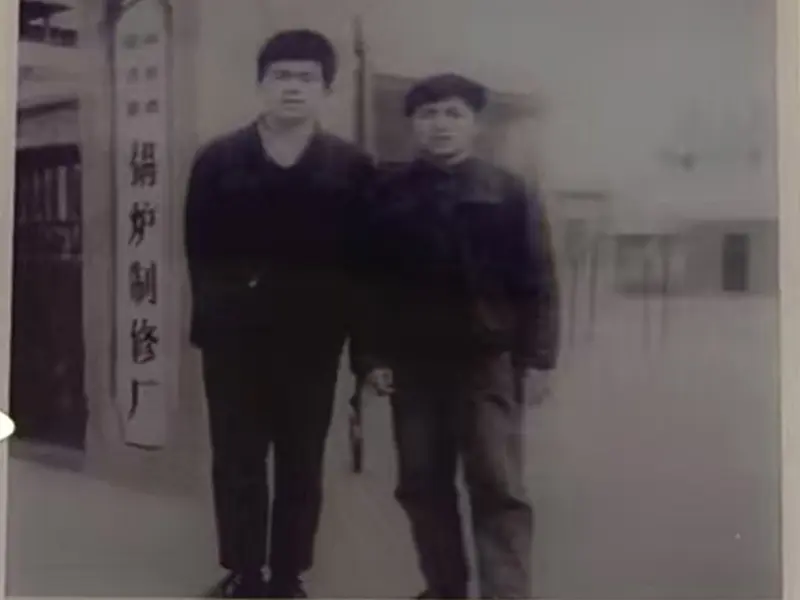
Restructured as Linyi County Boiler Manufacturing and Repair Factory, expanding manufacturing capacities under the Linyi County Industrial Bureau.
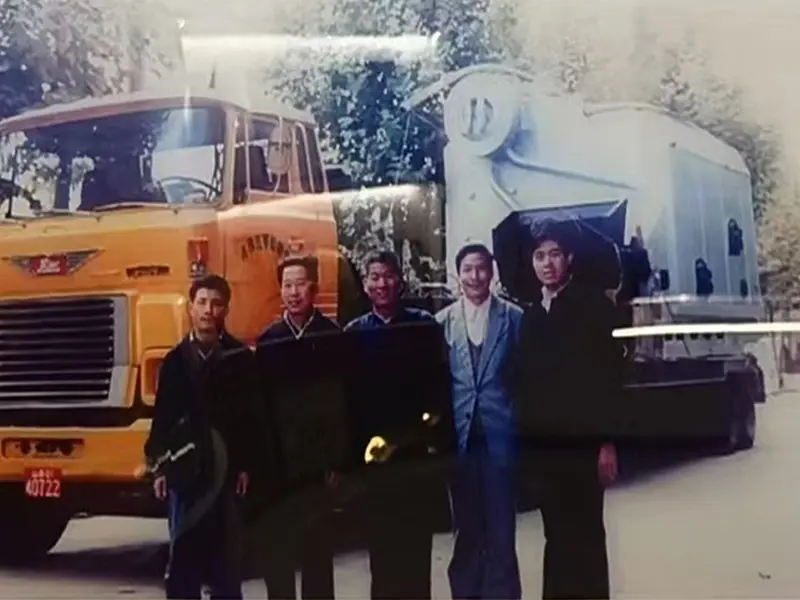
Renamed Linyi Boiler Factory, merged with Linyi Auto Parts Factory, and relocated to 373 Tongda Road to scale up operations.
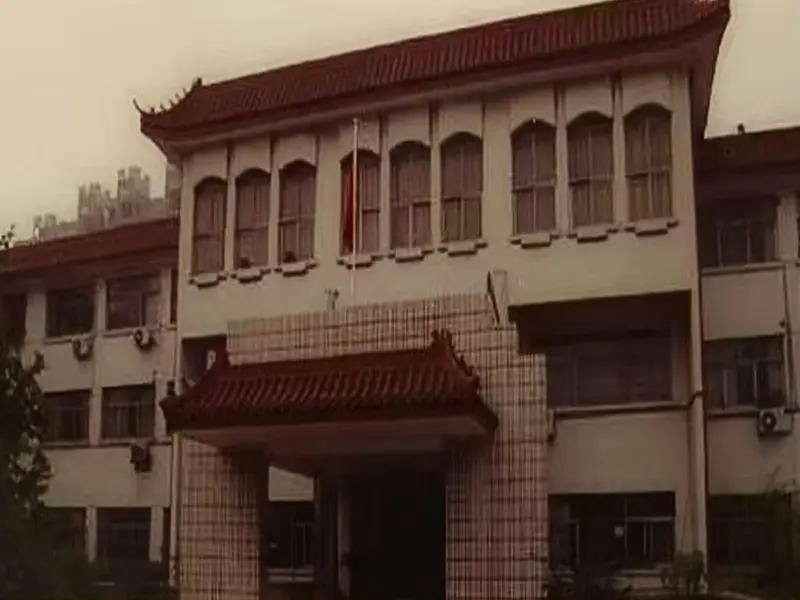
Restructured into Linyi Boiler Co., Ltd., modernizing the corporate structure to prepare for the growing global demand for clean energy systems.
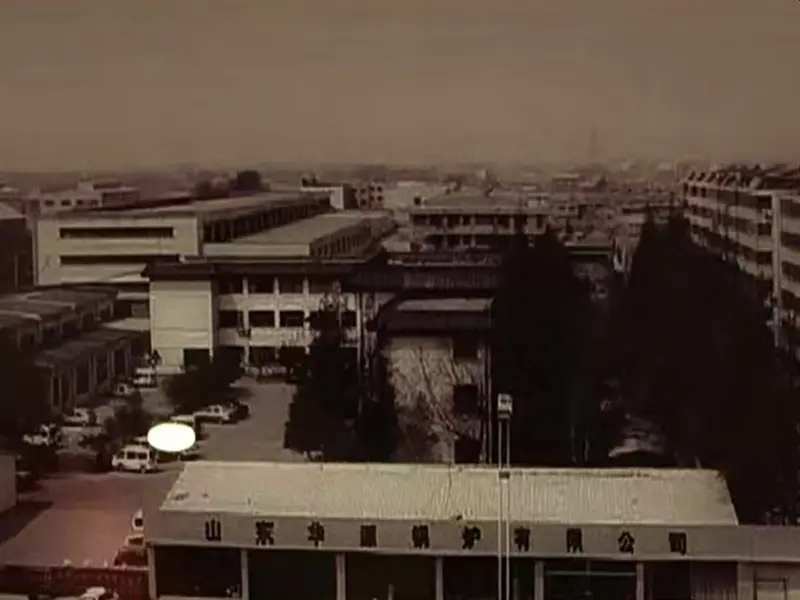
Successful restructuring provided wings for takeoff, marking the first major step toward becoming a modern heavy industry enterprise.
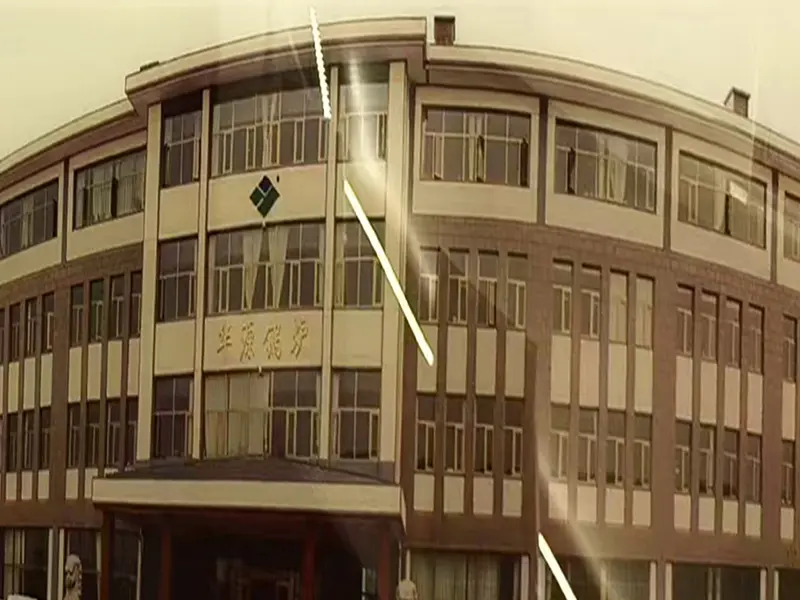
Obtained national A-level boiler manufacturing license and ISO triple system certification. Commenced production of batch model waste tire pyrolysis plants.
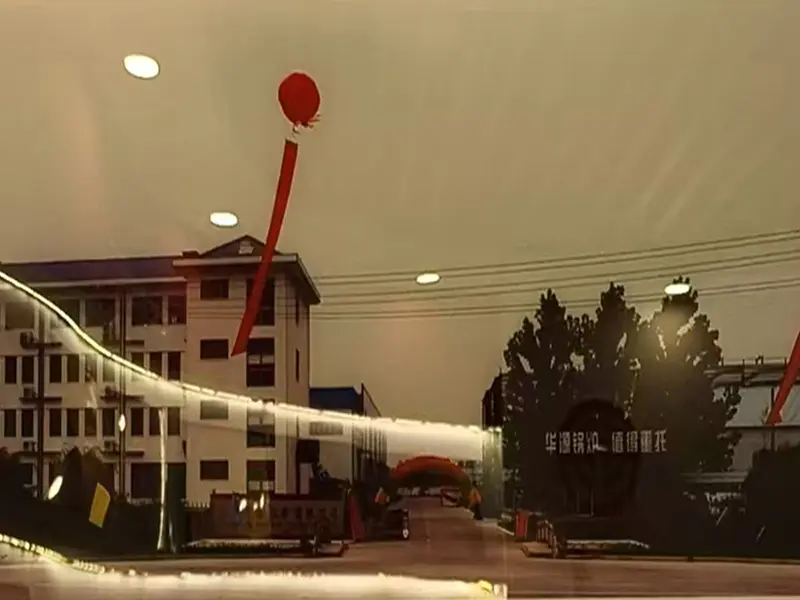
Moved to our new 220-acre modern facility in Zaoyuan Town Industrial Park. Launched engineering and design development for continuous model pyrolysis plants.
Successfully developed the continuous screw-running pyrolysis plant. Secured US ASME certification, driving the Huayuan Tech brand onto the global stage.
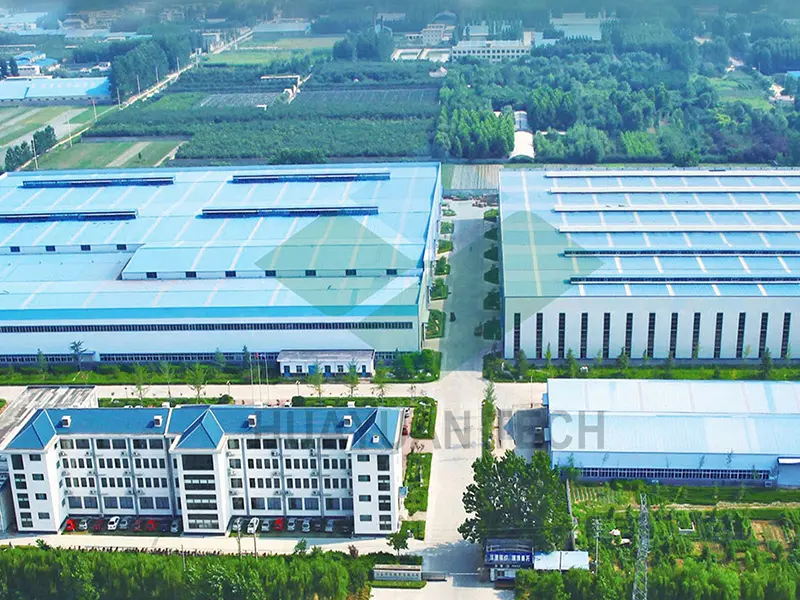
Expanded global operations under our green corporate vision: "Doing energy conservation and emission reduction, making the sky bluer, the earth greener, and the water cleaner."
A verification of our adherence to ASME pressure vessel codes, ISO standards, and high-safety manufacturing frameworks.
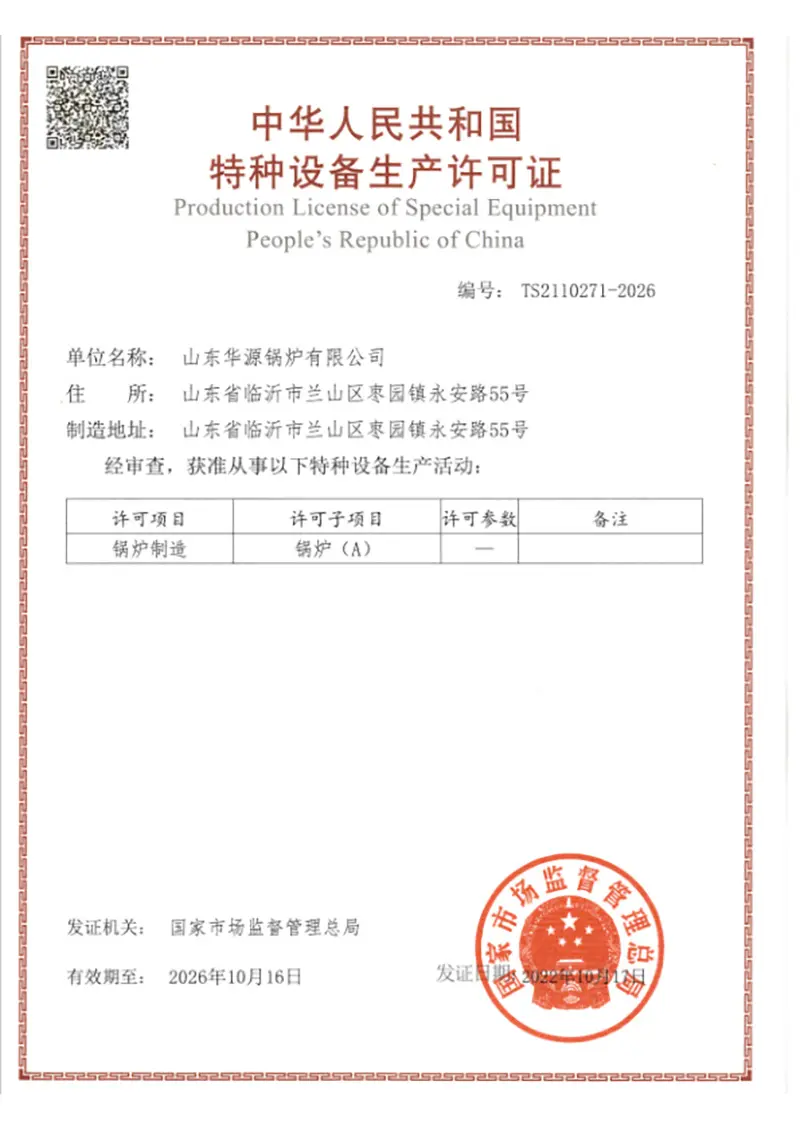
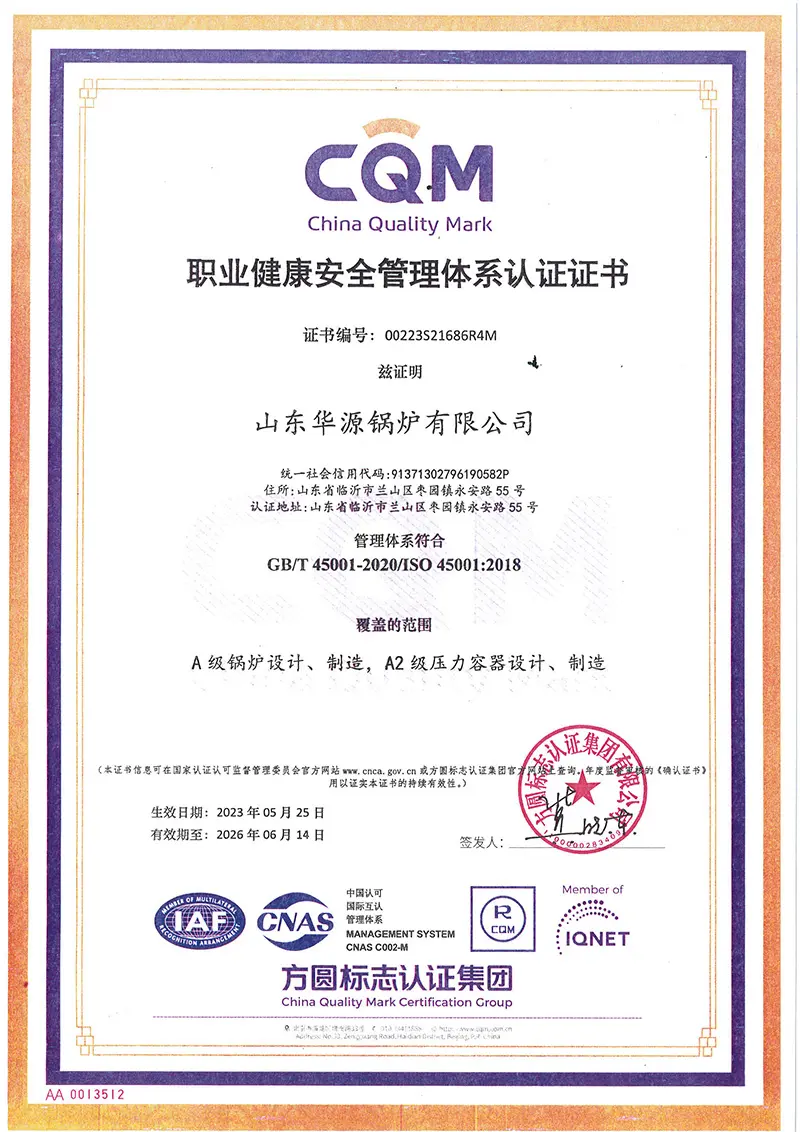
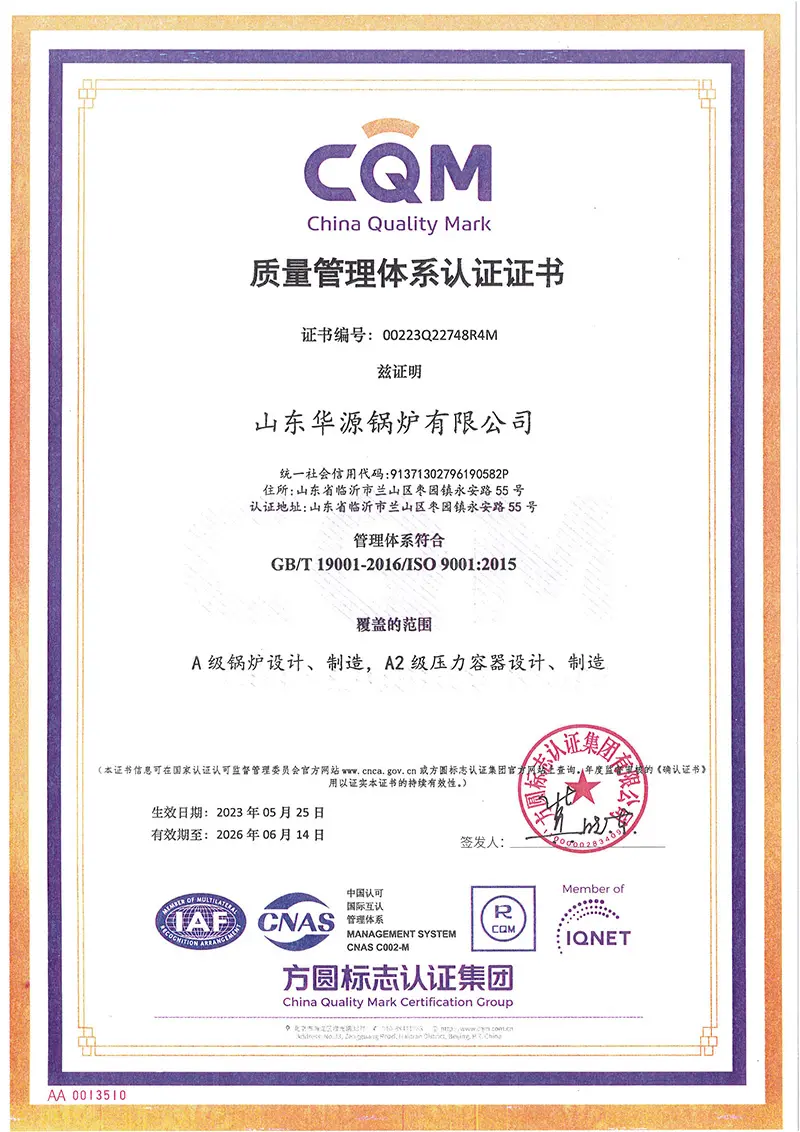
Providing decentralized solutions for municipalities, logistics companies, chemical complexes, and remote resource zones.
Instantly process massive off-the-road (OTR) tires and heavy machinery hydraulic hoses, converting hazardous waste into fuel oil for generators on site.
Transform agricultural waste plastics, mulch film, and localized biomass waste into bio-oil and high-purity carbon char to improve local soil conditions.
Treat crude drilling muds and oil storage tank bottoms on-site, extracting recovered base oils while meeting strict zero-waste land discharge mandates.
Unlocking clean engineering and sustainable circular economy processes with advanced thermal systems.
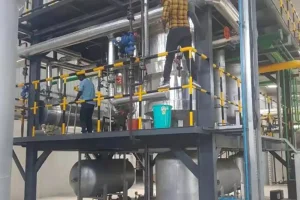
Designed specifically for separating oil residues from hazardous industrial waste while capturing heavy volatiles safely.
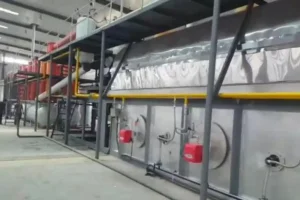
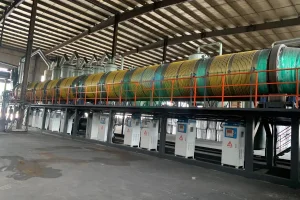
Continuous powder-feed system engineered to optimize carbon black extraction under airtight vacuum seals.
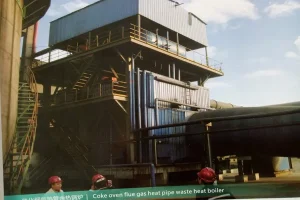
Captures residual process flue gas energy to generate auxiliary steam, boosting overall factory efficiency.
Get professional answers from our engineering team regarding site design, safety compliance, and expected return on investment.
A typical skid-mounted 5-ton mini pyrolysis plant requires approximately 150 to 200 square meters of level concrete foundation. This compact configuration allows the unit to fit easily into smaller operations, including transfer stations and active manufacturing plants, without requiring extensive industrial site preparation.
Our mini pyrolysis reactors feature double water seals, high-reliability safety valves, and automated pressure monitoring sensors. The non-condensable syngas is directed through gas cleaners and recycled directly back into the combustion chamber to fuel the reactor. This closed-loop process ensures zero process gas escapes into the atmosphere.
Yes, our thermal depolymerization reactor handles PE, PP, and PS plastics with high yields. However, we advise against processing PVC or PET because they produce acidic gases (HCl) and low-grade oil. Pre-sorting municipal plastic waste significantly extends reactor lifespan and improves the quality of your pyrolysis oil.
ASME (American Society of Mechanical Engineers) certification proves the reactor pressure vessel has been designed, welded, and inspected to meet stringent safety and quality codes. For international buyers, ASME compliance helps speed up environmental permitting, makes securing industrial insurance easier, and protects operators during continuous high-temperature runs.
Review additional system specifications for our thermal recovery machinery and waste heat boiler solutions.
 Huayuan