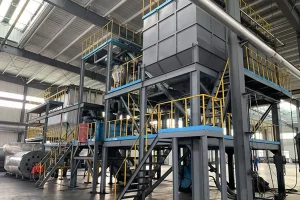
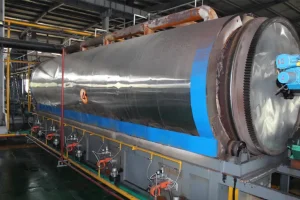
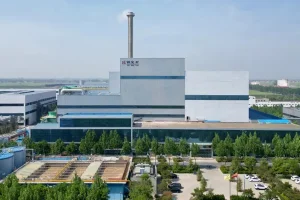
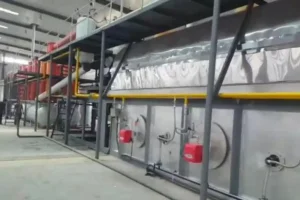
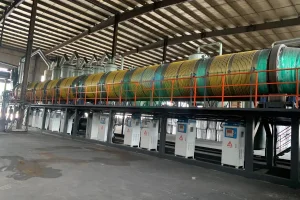
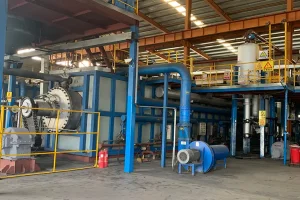
Explore our industrial-grade waste recycling plants, waste heat boilers, and continuous processing plants built to meet strict ASME, CE, and ISO certification standards.
In the contemporary industrial waste landscape, the traditional centralized recycling infrastructure is facing insurmountable bottlenecks: skyrocketing logistics costs, stringent inter-state waste transportation regulations, and high fire hazards associated with bulk tire/plastic stockpiling. Skid-mounted mobile pyrolysis plants present a strategic paradigm shift.
By bringing the thermal reactor directly to the waste generation site (oil fields, regional municipal sorting centers, sorting hubs, and large auto salvage yards), mobile installations bypass complex shipping protocols, reduce carbon emissions related to transit, and instantly convert negative-value waste into high-utility products like raw pyrolysis oil, combustible gas (syngas), and carbon black.
As a global leader in specialized pressure vessels and waste thermal energy plants, Huayuan Tech engineers solutions that merge high-grade heavy engineering with portable, modular layouts. We make waste-to-energy operations agile, scalable, and highly profitable.
Watch our production facility showcase video detailing our pressure vessel testing and modern assembly workshops.
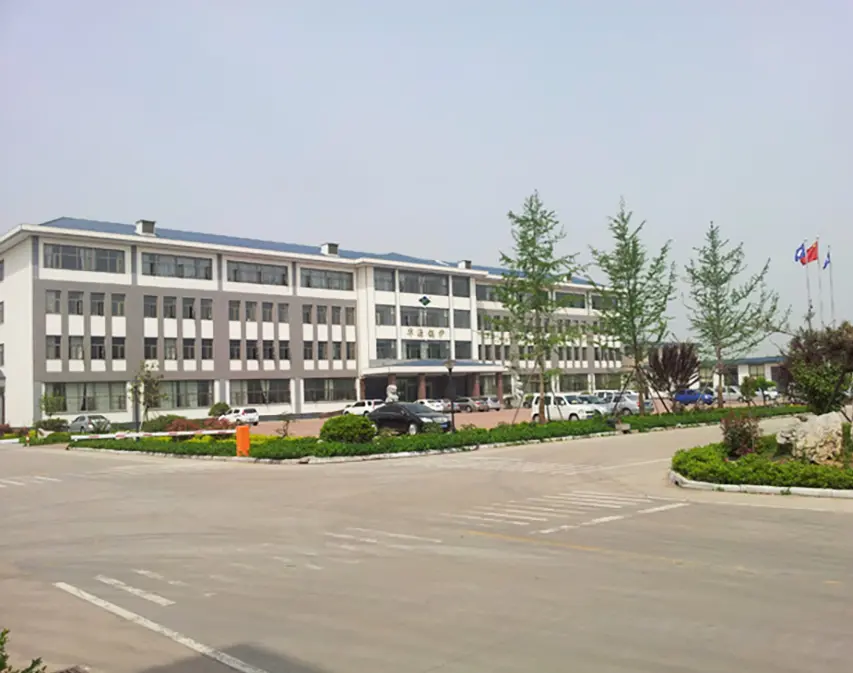
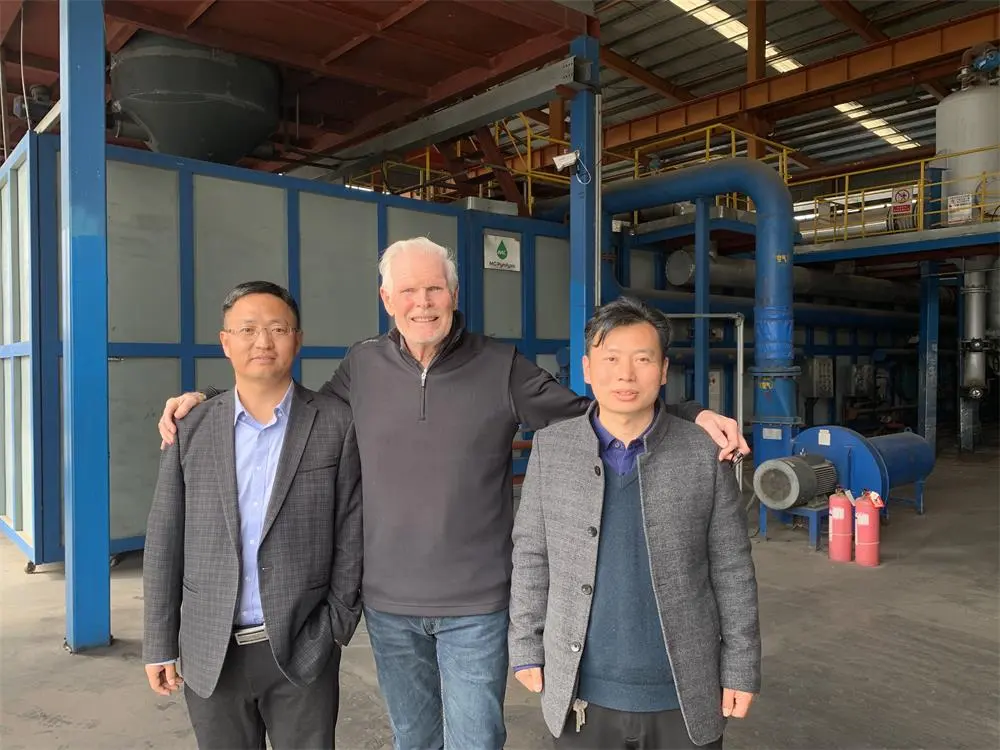
Founded in 1968, Huayuan Tech has stood at the cutting edge of industrial thermal systems and chemical recycling technologies. Operating from a massive footprint spanning 209,335 square meters (with a dedicated plant area of 98,680 square meters), our company houses over 500 skilled professionals, with engineering and technical specialists accounting for 34% of the total workforce.
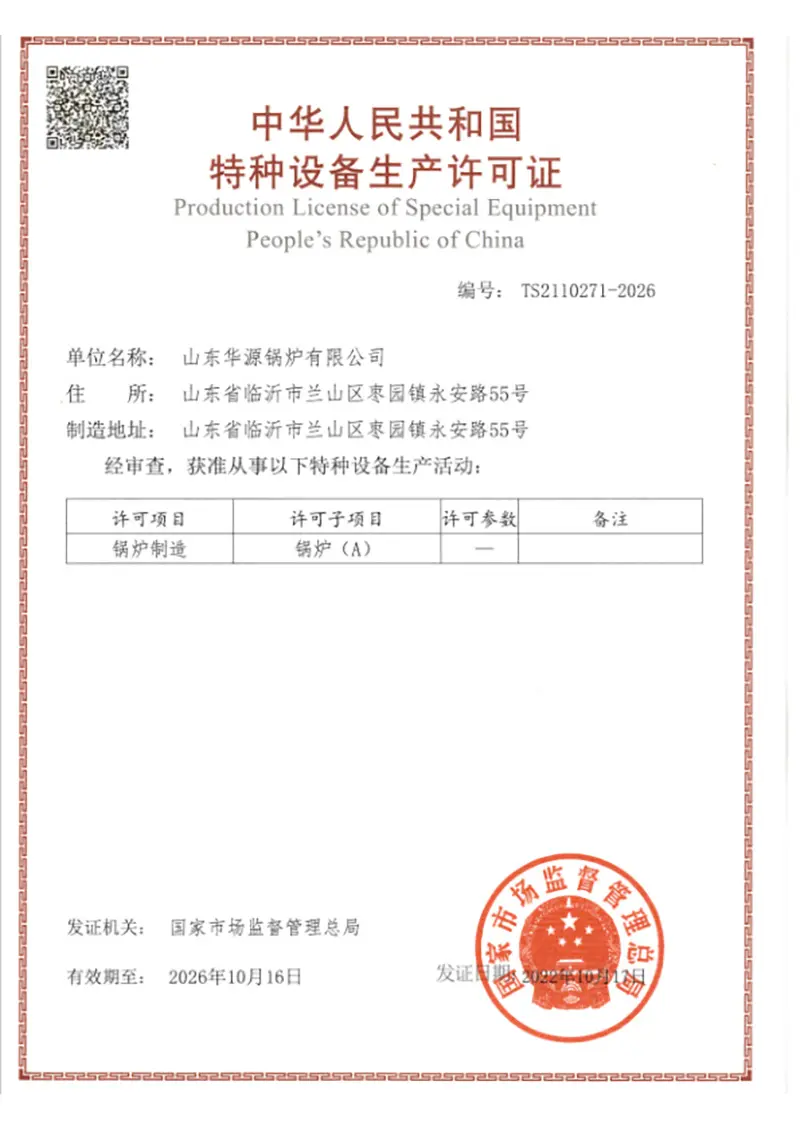
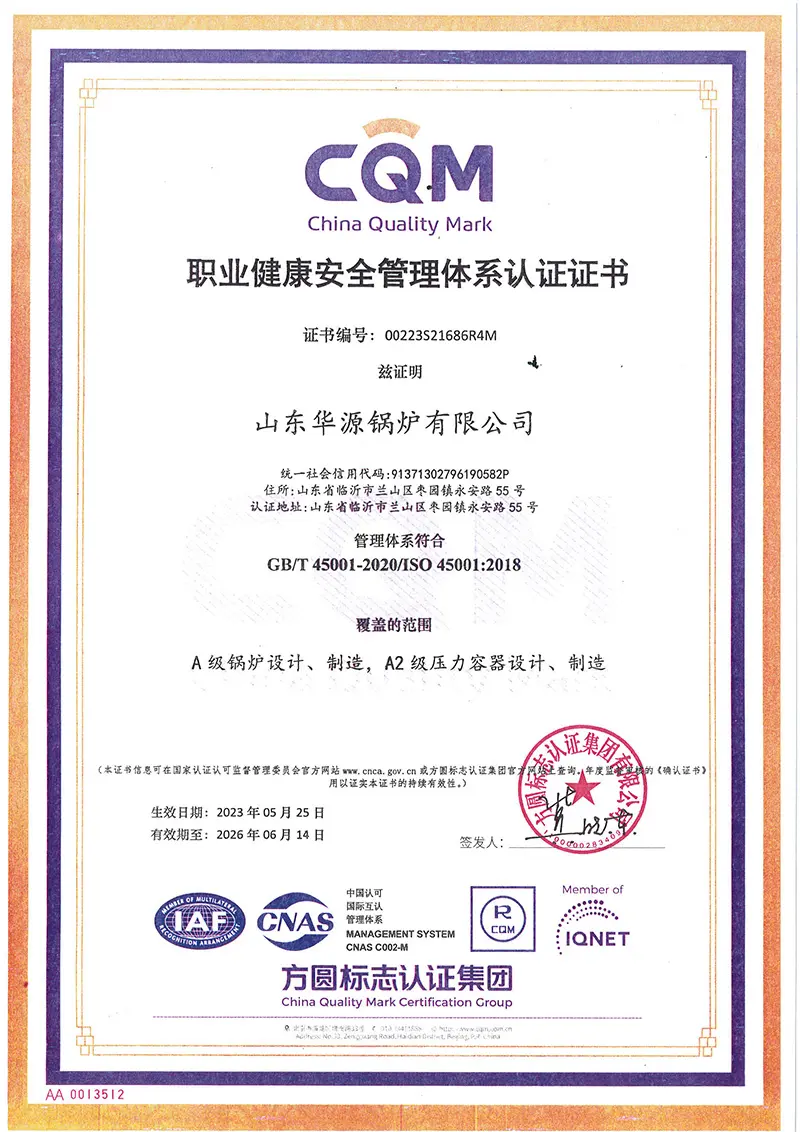
Huayuan Tech holds a national A-class boiler manufacturing license, A2-class pressure vessel manufacturing license, and D1D2 pressure vessel design certificate. Over the decades, our operations have evolved to provide full system integration, contract energy management, consulting, and technological R&D. Our production processes are verified under ISO9001, ISO14001, OHSAS18001, and the highly esteemed United States ASME certification.
How the alignment of zero-waste mandates and renewable fuels directives has catalyzed the growth of mobile pyrolysis plants worldwide.
The updated Renewable Energy Directive (RED III) and the EU Taxonomy Regulation are creating intense pressure to establish chemical recycling operations. Industrial sectors are forced to seek alternatives to petrochemical feedstocks. Mobile pyrolysis units provide direct circular pathways, transforming local waste polymers back to chemical intermediates without requiring long-haul logistics.
In the United States, pyrolysis oil upgrading plants require reliable feedstocks and strict compliance with EPA regulations on volatile organic compounds (VOCs). The integration of ASME certified pressure vessels guarantees process safety. The resulting recovered Carbon Black (rCB) meets ASTM standard D36 criteria for compounding applications in tire manufacturing.
Extended Producer Responsibility (EPR) laws globally are holding manufacturers accountable for post-consumer waste. Landfill bans on shredded waste tires have created high localized demands for skid-mounted mobile pyrolysis setups. These units convert localized tire accumulations into low-sulfur oil and high-grade rCB instantly on-site.
Trace our history from a specialized county boiler repair workshop in 1968 to an internationally recognized, ASME-certified manufacturer of smart continuous pyrolysis systems.
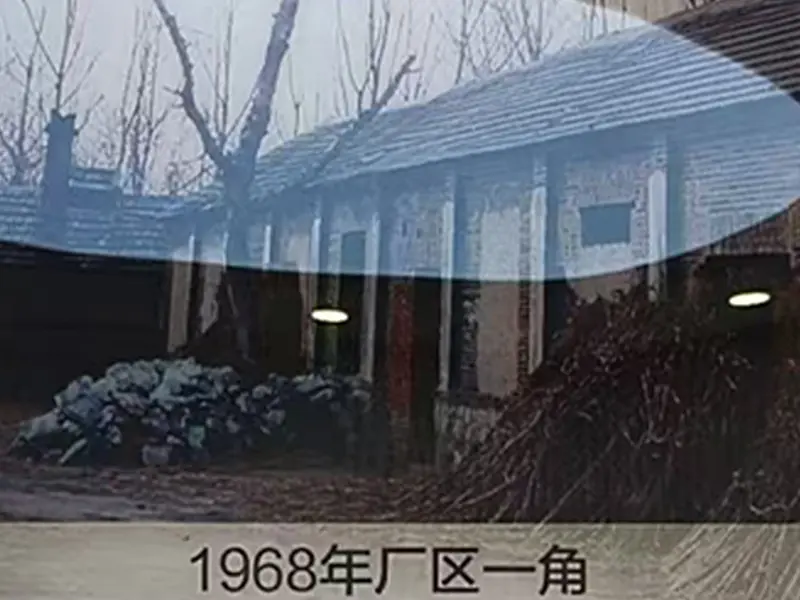
Huayuan Technology began developing boiler technology in a series of specialized factory workshops, forming a foundation in pressure vessel mechanics.
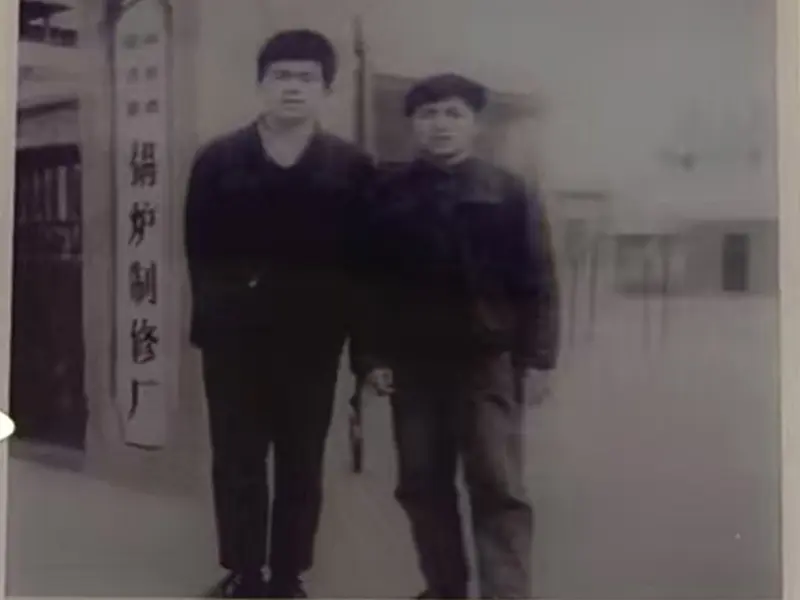
Restructured as Linyi County Boiler Manufacturing and Repair Factory, under the direct jurisdiction of Linyi County Industrial Bureau to scale production.
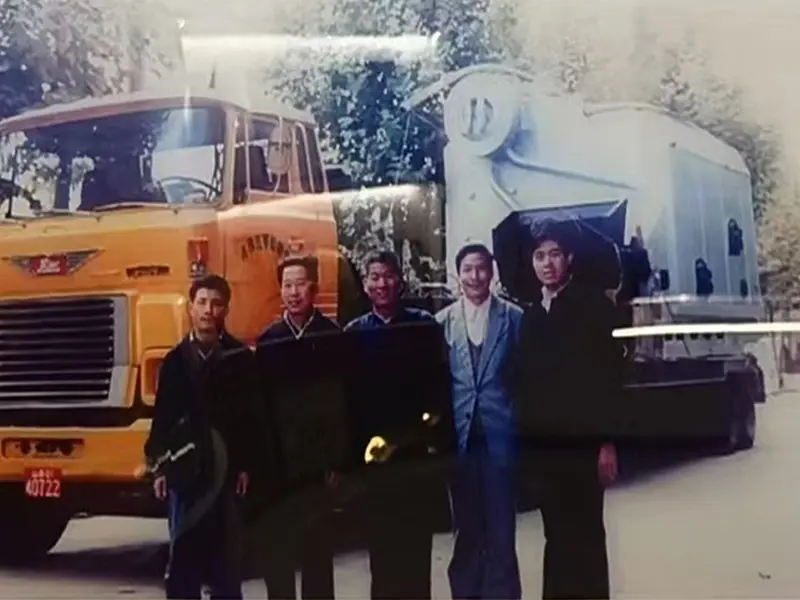
Renamed Linyi Boiler Factory, merged operations with Linyi Auto Parts Factory, and relocated to a larger, updated facility at 373 Tongda Road.
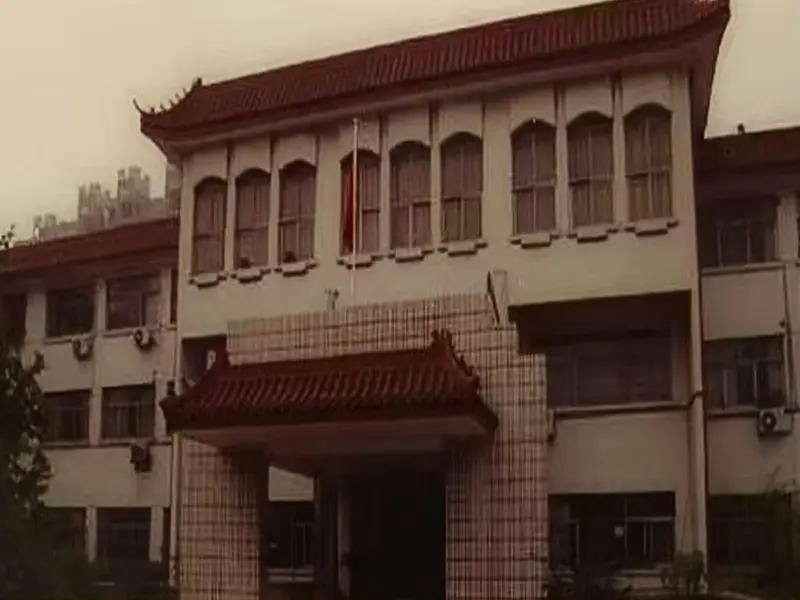
Formally restructured into Linyi Boiler Co., Ltd., adopting modern corporate governance models and expanding thermal energy system designs.
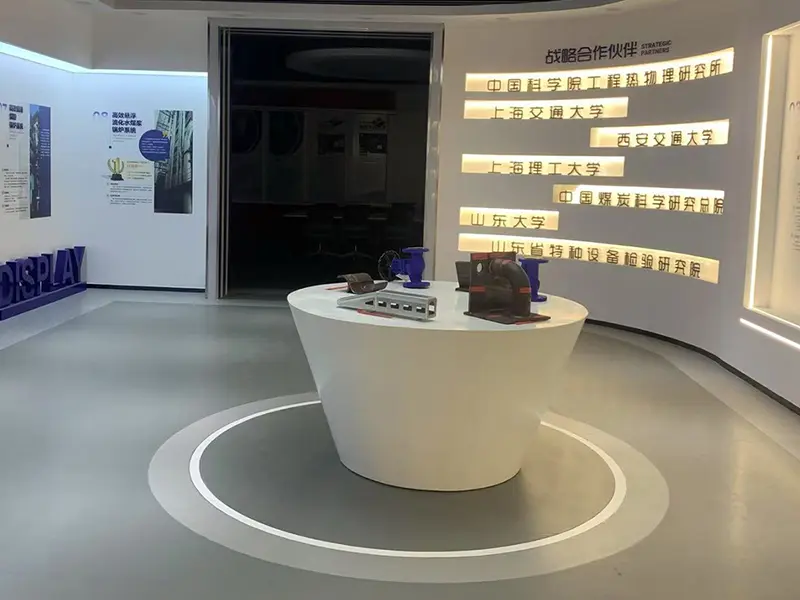
Successful corporate restructuring provided wings for the company's takeoff, taking the first step towards becoming a modern enterprise.
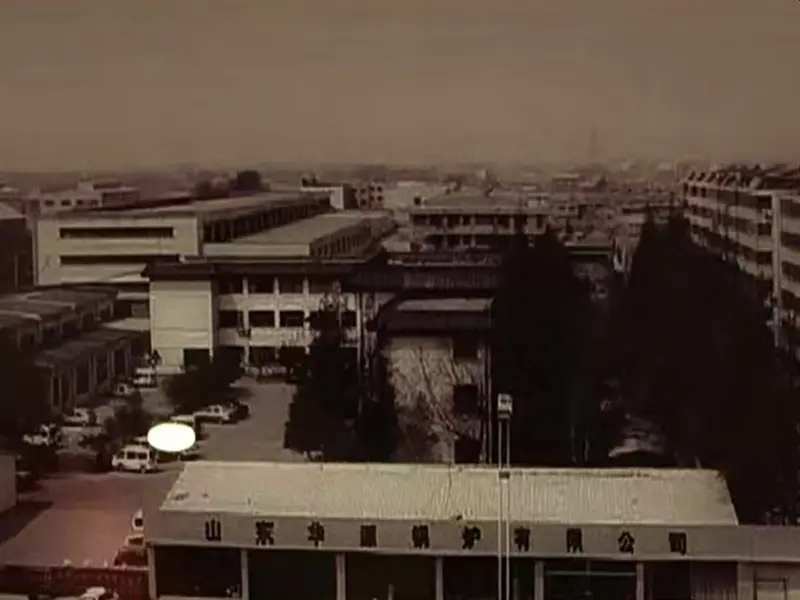
Obtained national A-level boiler manufacturing license, ISO certifications, and launched production of our first batch-type waste tire pyrolysis plants.
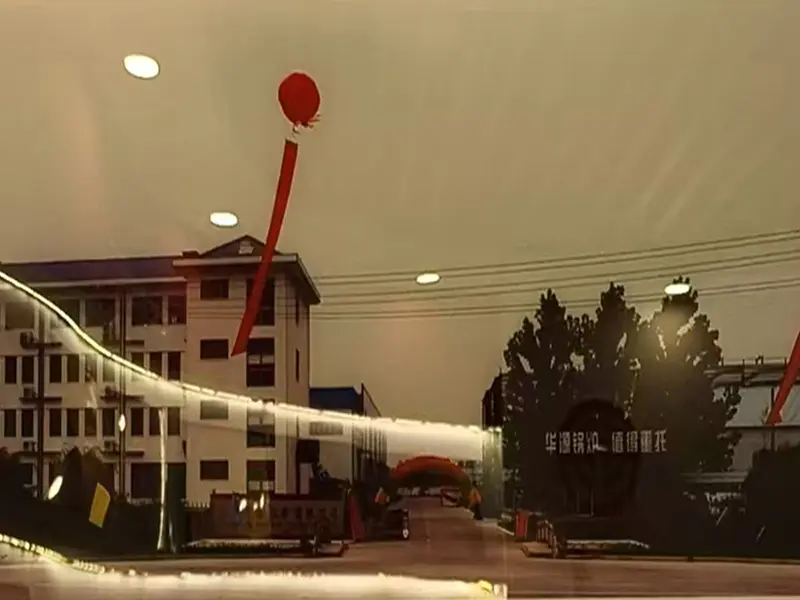
Relocated to a brand-new facility covering 220 acres in Zaoyuan Town Industrial Park. Huanyuan started developing continuous model pyrolysis plants.
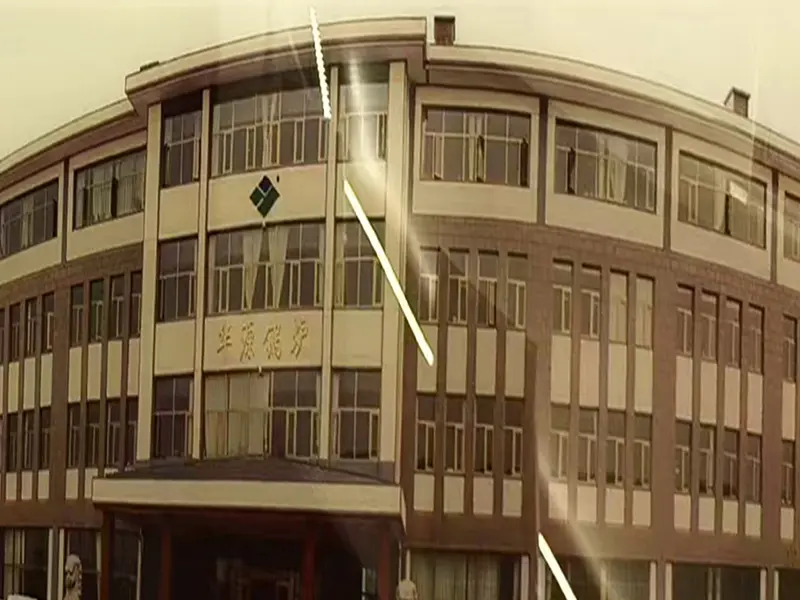
Successfully launched the screw running continuous pyrolysis plant. Obtained high-tech enterprise status and United States ASME certification.
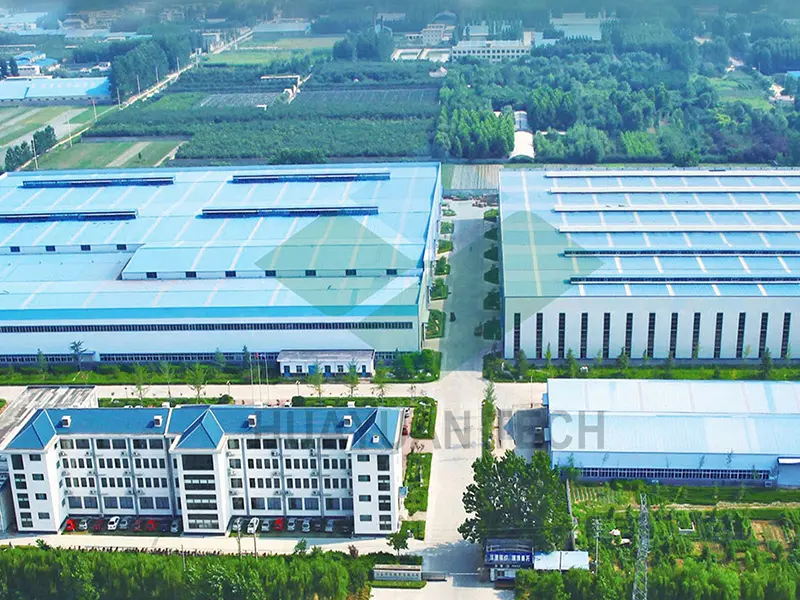
Focused on energy conservation and emission reductions. Broadened international trade channels to deliver green recycling infrastructure globally.
Understanding the internal process dynamics of our mobile pyrolysis plants is essential for calculating energy balances and financial viability. Pyrolysis is an endothermic chemical reaction process where carbon-based polymers are broken down under high temperatures in an anaerobic environment.
The Heating Cycle: Our plants utilize an indirect heating model where the raw feedstock (such as tires or plastics) is heated inside a rotating kiln or reactor vessel. The heating system utilizes recycled non-condensable gas (syngas) mixed with traditional heating fuels to minimize external heating energy demand.
Fractional Condensation: The resulting gas vapor phase consists of heavy and light hydrocarbons. It passes through a multi-stage condenser system. The heavy fractions settle as industrial fuel oil, while the light, non-condensable syngas is washed in a water seal and returned to the furnace burners. Heavy carbon residues remain in the reactor and are discharged via a water-cooled enclosed conveyor system as carbon black.
Mobility & Modularization: By organizing the reactor, heat source, condensing system, and dust scrubbers onto standard industrial skids, we minimize installation and commissioning times from several weeks down to just 3 days.
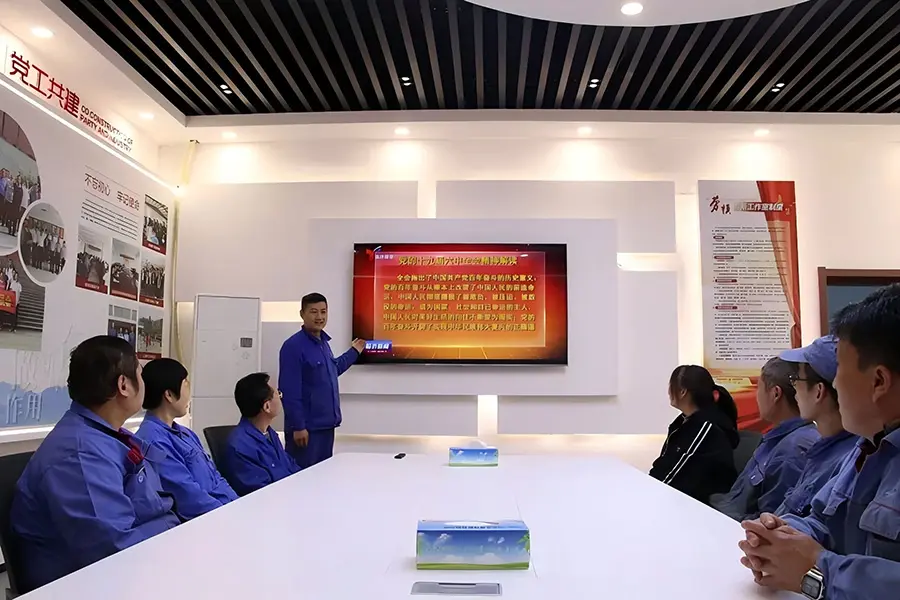
“Unswervingly pursue technological innovation, build strong enterprise core competitiveness. Adhering to innovation, quality, and honesty as our prerequisite.”
Our solutions adapt to various waste feeds, from scrap tires and medical waste residues to municipal solid waste (MSW) sorting fractions.
Process tires on-site at regional collection yards. Bypasses tire shredding transport costs and mitigates regional fire hazards.
Learn More
Recover crude oil components from drilling waste or oil storage tank bottoms directly in remote exploration zones.
Learn More
Extract energy values from municipal sorting residues, converting mixed plastic fractions into clean heat and fuels.
Learn More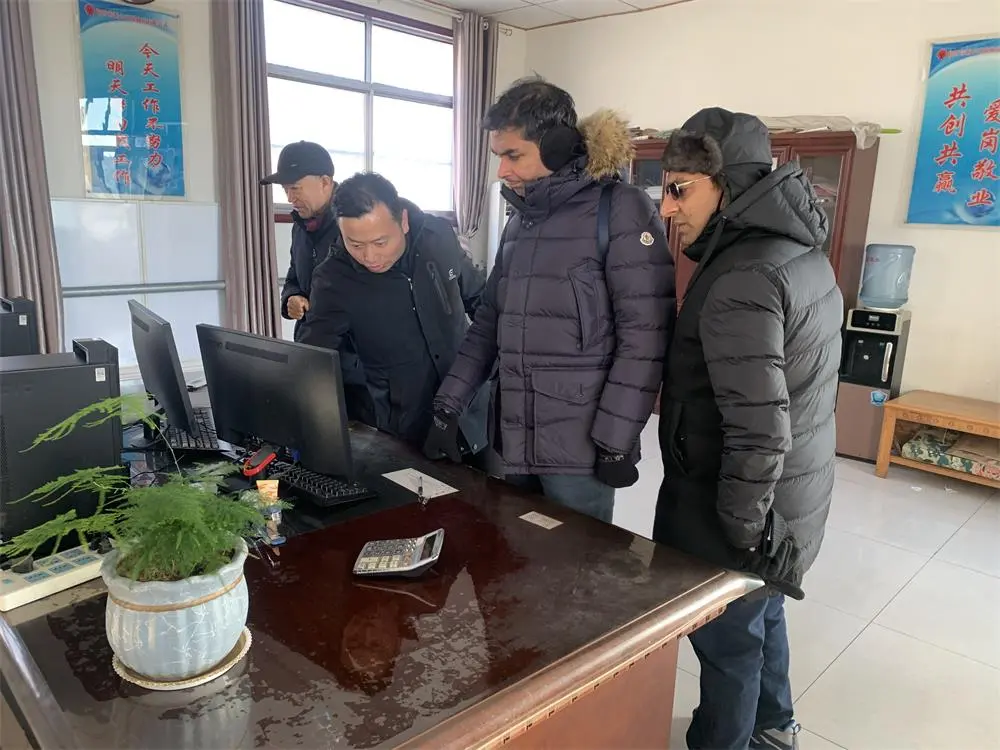
Provide secure, high-temperature thermal disposal of non-hazardous clinical plastics, converting pathogens to sterile residues.
Learn More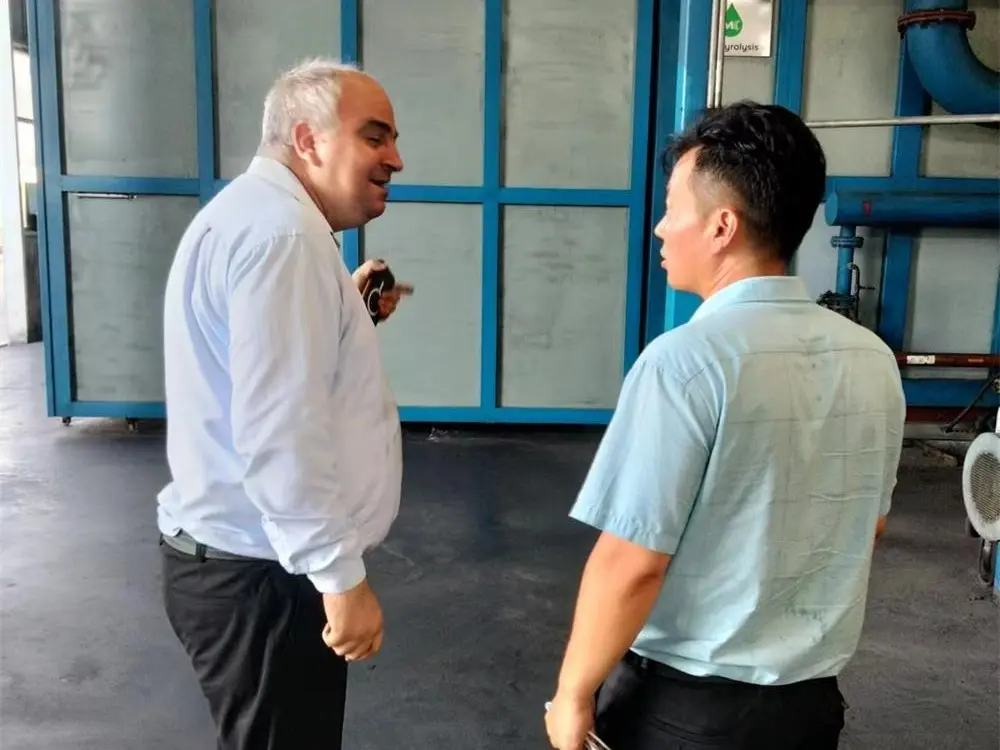
Refining raw pyrolytic carbon residues into commercial-grade carbon black pigment suitable for rubber manufacturing.
Learn More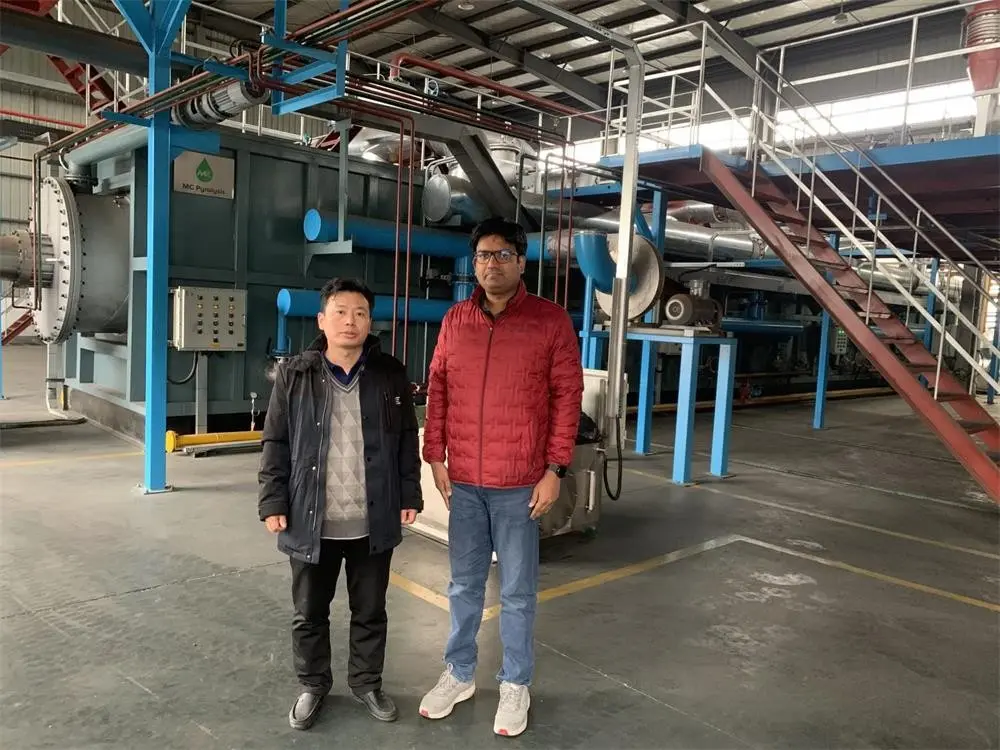
Convert household and marine waste plastics (PE, PP, PS) into liquid pyrolytic oils ready for steam cracker recycling.
Learn More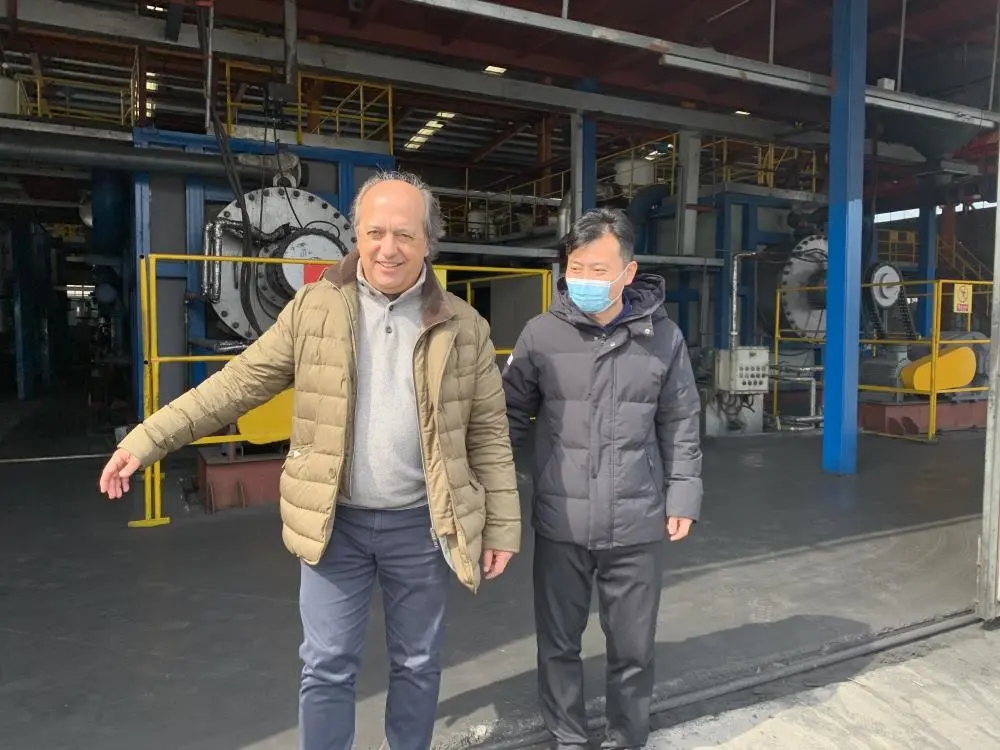
Recycle heavily soiled farm mulch films without consuming excessive volumes of wash water prior to thermal processing.
Learn More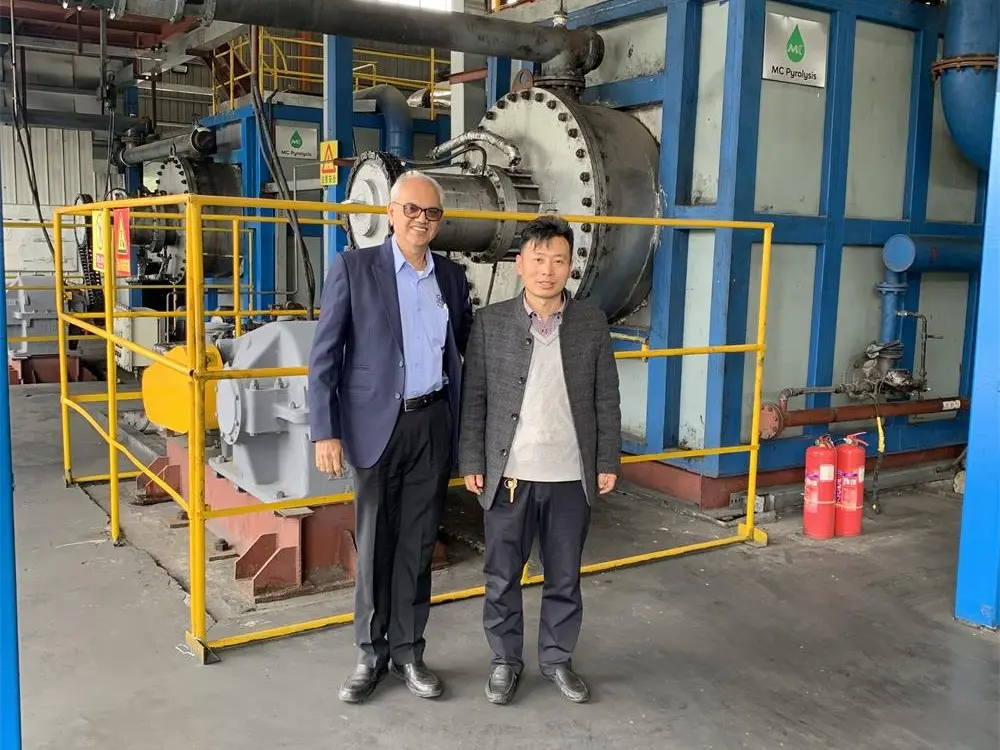
Integrate boiler flue gas systems with steam turbogenerators to supply local electrical grids or factory operations.
Learn More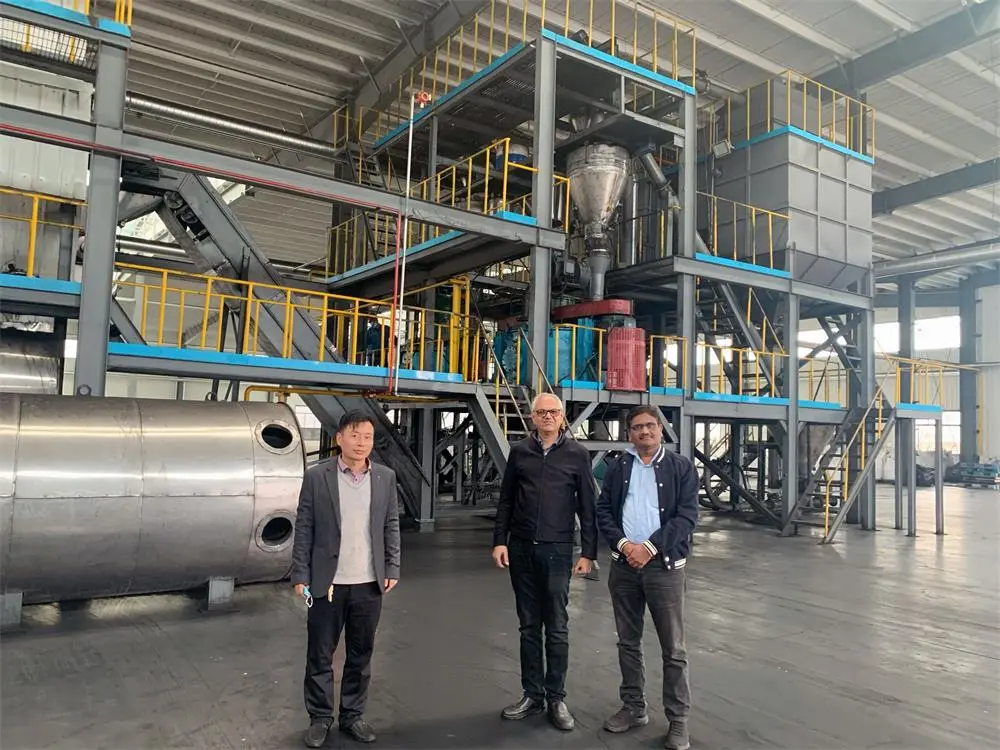
Convert crop stalks, nut shells, and forest waste residues into stable biochar for carbon sequestration applications.
Learn MoreOur plants are designed, constructed, and inspected in strict accordance with major global regulatory frameworks, including ASME, ISO, and pressure equipment directives.
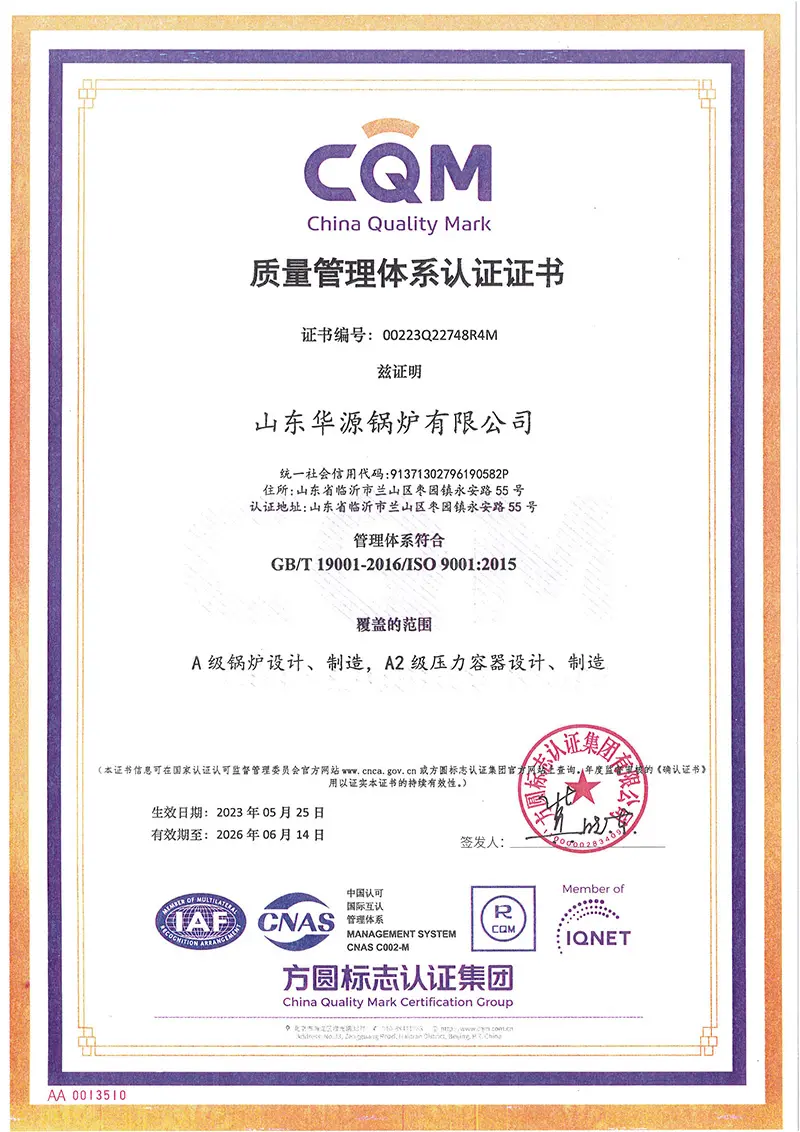
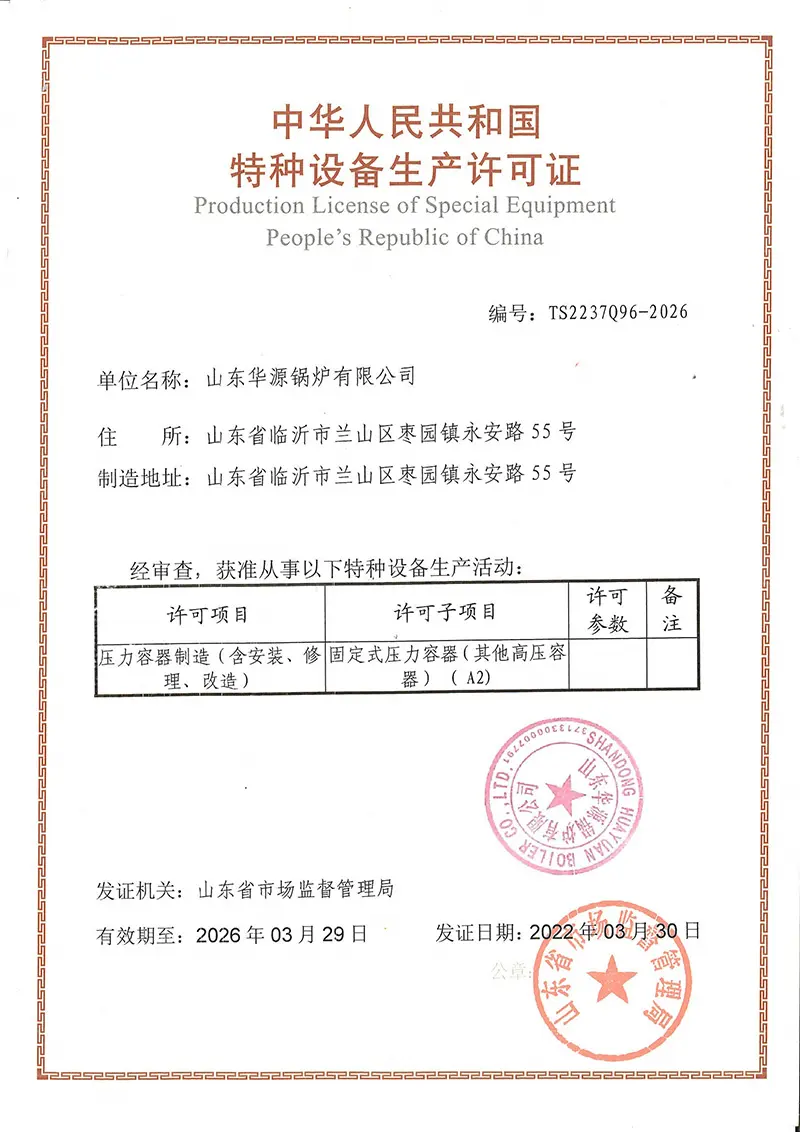
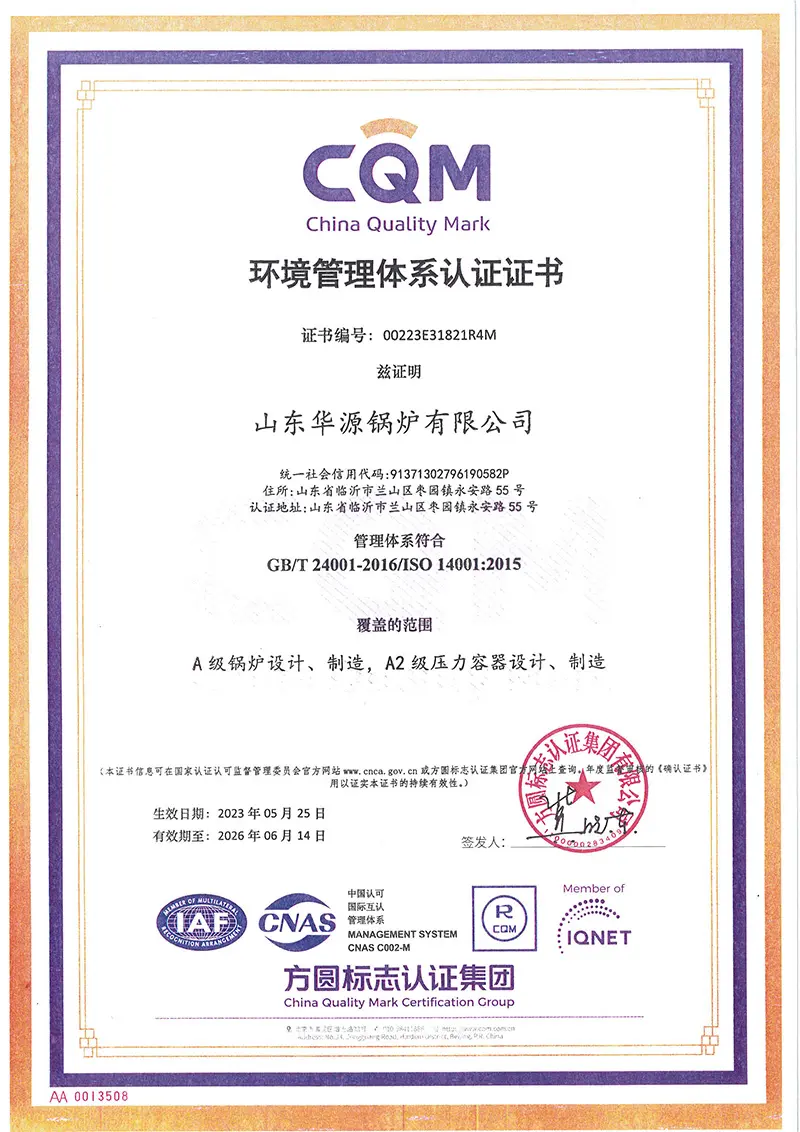
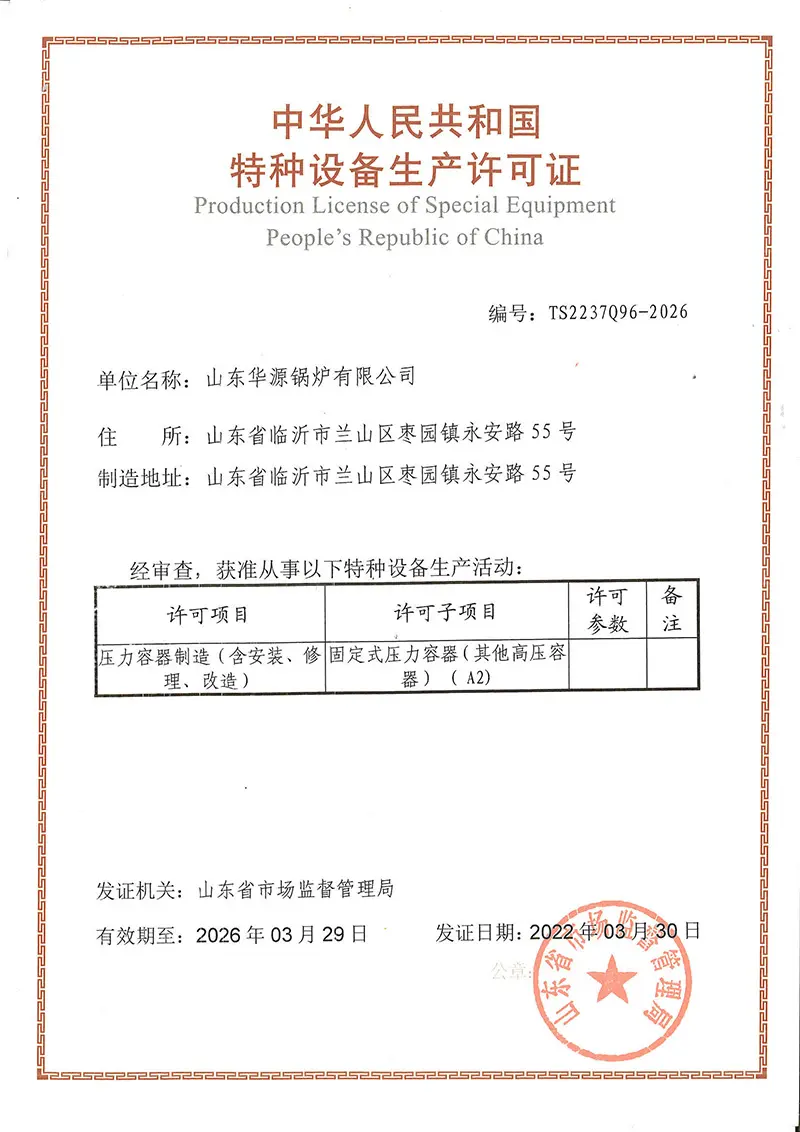
Operating a chemical processing facility like a pyrolysis plant requires alignment with regional environmental protection agencies. Local authorities inspect systems for compliance with three core operational factors: air emissions, industrial wastewater, and solid waste handling.
Emissions Containment: Huayuan systems feature multi-stage gas scrubbing units. Flue gas is routed through cooling pipes, desulfurization columns, and water-film scrubbers to capture sulfur dioxide, nitrogen oxides, and particulate matter, ensuring emissions align with EU/US national environmental standards.
Water Protection: The cooling water system operates in a closed loop. Industrial water does not contact the oil or gas vapors, avoiding contamination and removing wastewater discharge needs during normal processing cycles.
Solid Waste Management: The discharged carbon black is processed through enclosed water-cooled conveyors, preventing fine dust from escaping into the facility. Solid waste remains contained, protecting operators and localized ecosystems.
Our reactors and gas separators are calculated, welded, and inspected using ASME Section VIII procedures. Every weld undergoes ultrasonic or radiographic non-destructive testing (NDT).
We provide localized engineering support, dispatching specialized project managers and commissioning engineers to manage site leveling, electric controls connection, and staff safety training.
As global industrial practices shift toward net-zero emissions, Huayuan Tech is investing in key areas to advance pyrolysis technology.
By integrating customized catalysts within the reactor chamber, we are successfully lowering the thermal activation energy required for plastic recycling. This reduces processing temperatures, increases the yield of high-value light oil fractions, and limits paraffin formation.
Our next-generation mobile plants feature cloud-based PLC control cabinets. Real-time temperature sensors, vacuum indicators, and cooling status data are transmitted to local operators and our remote monitoring center for preventative diagnosis and optimized feed rates.
As the clean hydrogen market expands, we are developing gas purification modules that separate hydrogen from pyrolysis syngas. This provides operators with fuel options for clean logistics or fuel-cell applications.
Get answers to common technical, commercial, and operational questions about mobile pyrolysis plants.
Yield depends on tire composition, but average ratios include 40%-45% pyrolysis oil, 30%-35% carbon black, 12%-15% steel wire, and 10%-12% non-condensable syngas. Standard truck tires yield slightly more oil than passenger car tires due to rubber content variations.
Yes. Although skid-mounted units are pre-assembled, they require a level concrete pad, access to 3-phase electrical connections, and cooling water piping. Huayuan Tech provides site engineering drawings prior to delivery.
Our continuous screw-run feeding systems perform best when tire wires are pre-removed or tire blocks are pre-shredded to 5-10cm. This prevents mechanical jams and ensures consistent heating across the feed profile.
After the initial startup phase (which takes about 1-2 hours depending on fuel type), the non-condensable syngas is returned to the combustion burners, providing enough energy to heat the reactor vessel and significantly reducing operating costs.
Every reactor vessel is delivered with pressure testing reports, weld radiographic inspection certificates, materials trace documents, and national A2/ASME U-stamp manufacturing stamps as required by regional safety inspectors.
Using Q345R or Q245R boiler-grade steel plates alongside ASME-compliant welding protocols, our reactors have an operational lifespan of 6-8 years under standard maintenance regimes, which include regular scale removal and thermal checks.
Choose from our specialized continuous systems, electrical heating configurations, and refinery plants built for high-performance resource recovery.
 Huayuan