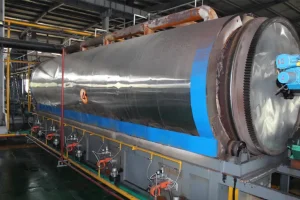
Explore our heavy-duty engineering solutions built for high-yield polymer transformation, thermal energy recovery, and industrial environmental compliance.
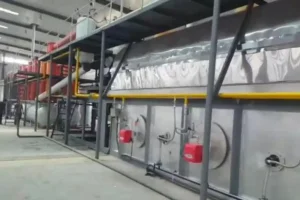
The global paradigm shift from a linear "take-make-dispose" economy toward a fully circular plastics loop is driving massive technological evolution. Traditional mechanical recycling processes, while functional for clean, single-stream polymers, fail to address highly contaminated, mixed, or multi-layered waste plastics. Mechanical recycling inevitably degrades the polymer chain structure, leading to downgrading of materials. Consequently, international regulatory frameworks, such as the EU Packaging and Packaging Waste Directive and global corporate sustainability commitments, are pushing the industrial sector toward chemical recycling and advanced thermal reprocessing (pyrolysis).
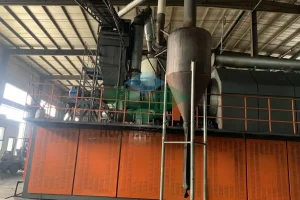
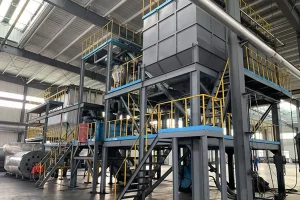
As a leading developer of thermal energy conversion systems, Huayuan Tech designs high-throughput, closed-loop plastic reprocess systems. These plants utilize thermal cracking in an oxygen-free environment to degrade scrap tires, agricultural films, municipal solid waste (MSW) plastics, and complex industrial polymers into raw hydrocarbon components. This process yields heavy and light pyrolysis oil, high-calorific syngas, and recovered carbon black, reintroducing valuable hydrocarbon precursors directly back into the petrochemical value chain. The demand for industrial-grade plastic reprocess machinery is skyrocketing as chemical plants, municipal recycling facilities, and private waste-to-energy developers require heavy-duty reactors that provide high thermodynamic stability, precise temperature control, and zero toxic emissions.
Transforming complex, mixed post-industrial polymers back into liquid petrochemical fractions, bypassing the limitations of mechanical downcycling.
Enabling regional manufacturers to process locally sourced municipal scrap into high-BTU pyrolysis oil, decreasing reliance on fossil fuel imports.
Utilizing non-condensable syngas generated in the reactor to heat the system itself, creating a self-sustaining thermo-chemical circuit.
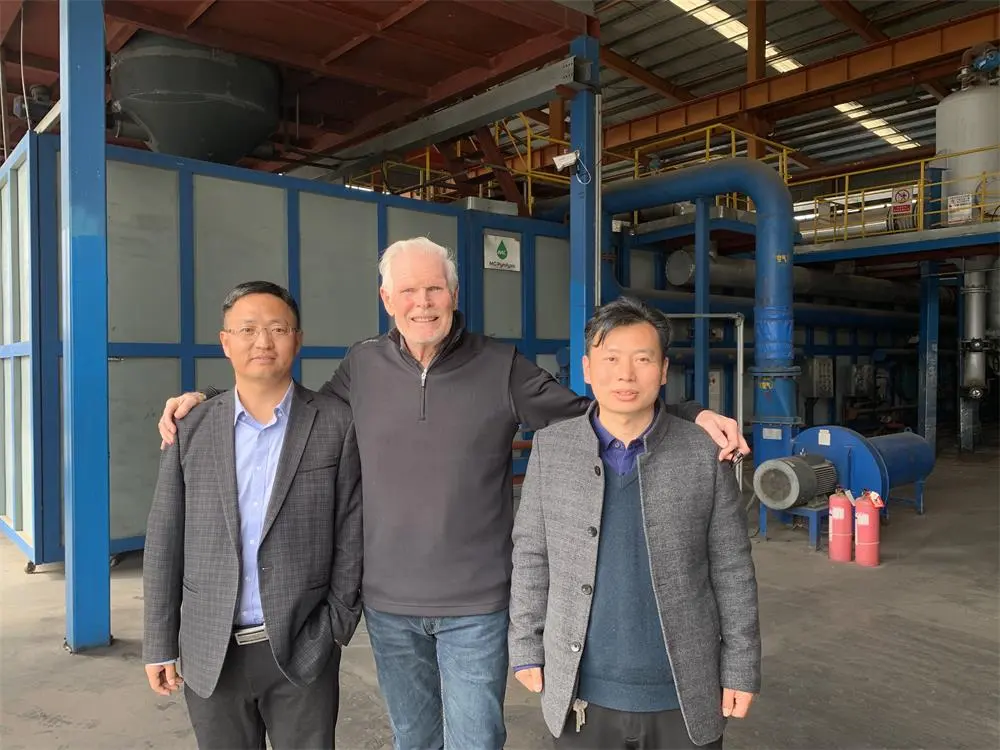
Focusing on waste-to-energy conversion, waste tire recovery, and plastic scrap pyrolysis technology, Huayuan Tech was founded in 1968. Over more than five decades, we have established our operations across a massive facility covering 209,335 square meters, including a dedicated state-of-the-art manufacturing plant area of 98,680 square meters.
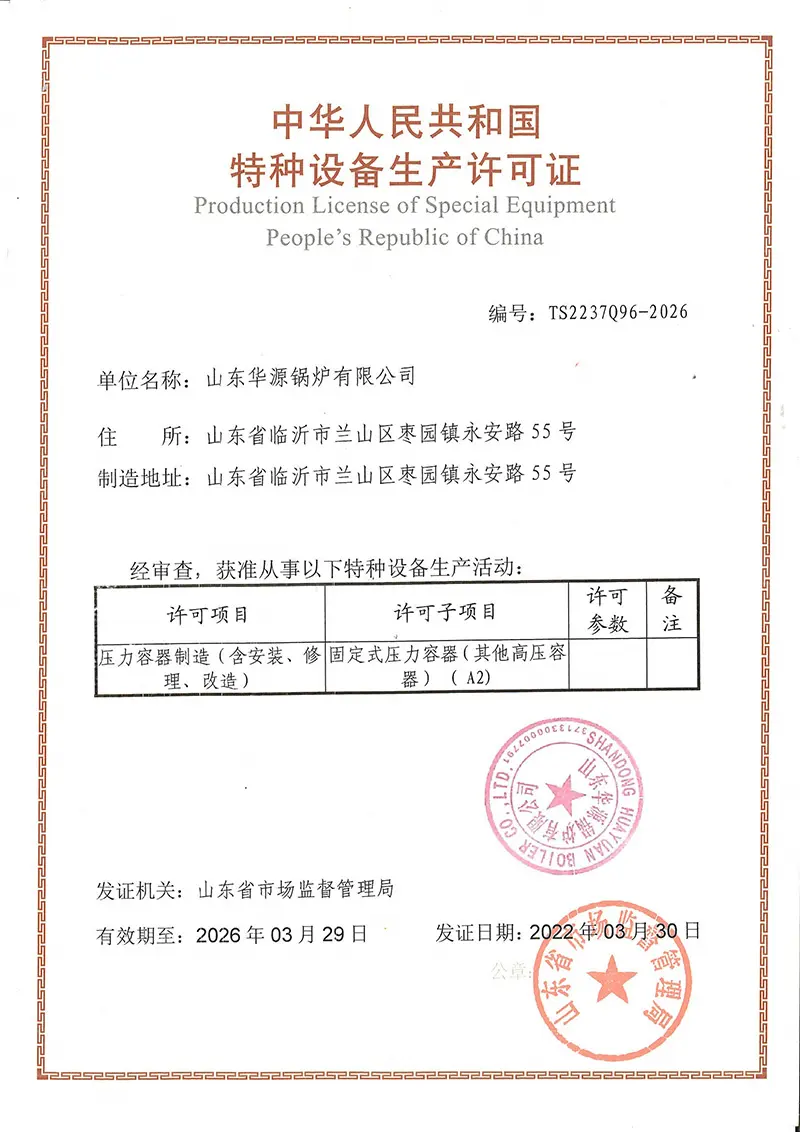
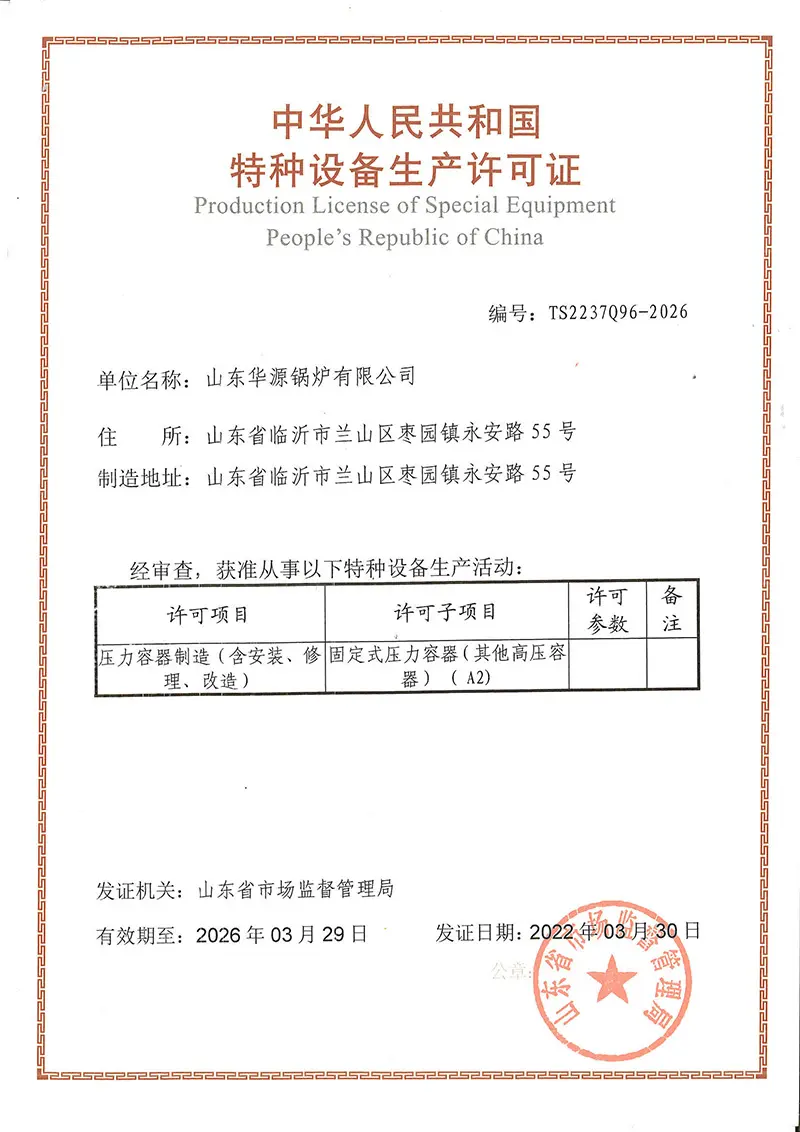
Our organization employs over 500 workers, with highly skilled engineering and technical personnel accounting for 34% of our total workforce. Huayuan Tech possesses Class A boiler manufacturing licenses and Class A2 pressure vessel fabrication capabilities, supported by advanced mechanical testing, welding, and non-destructive examination (NDE) equipment.
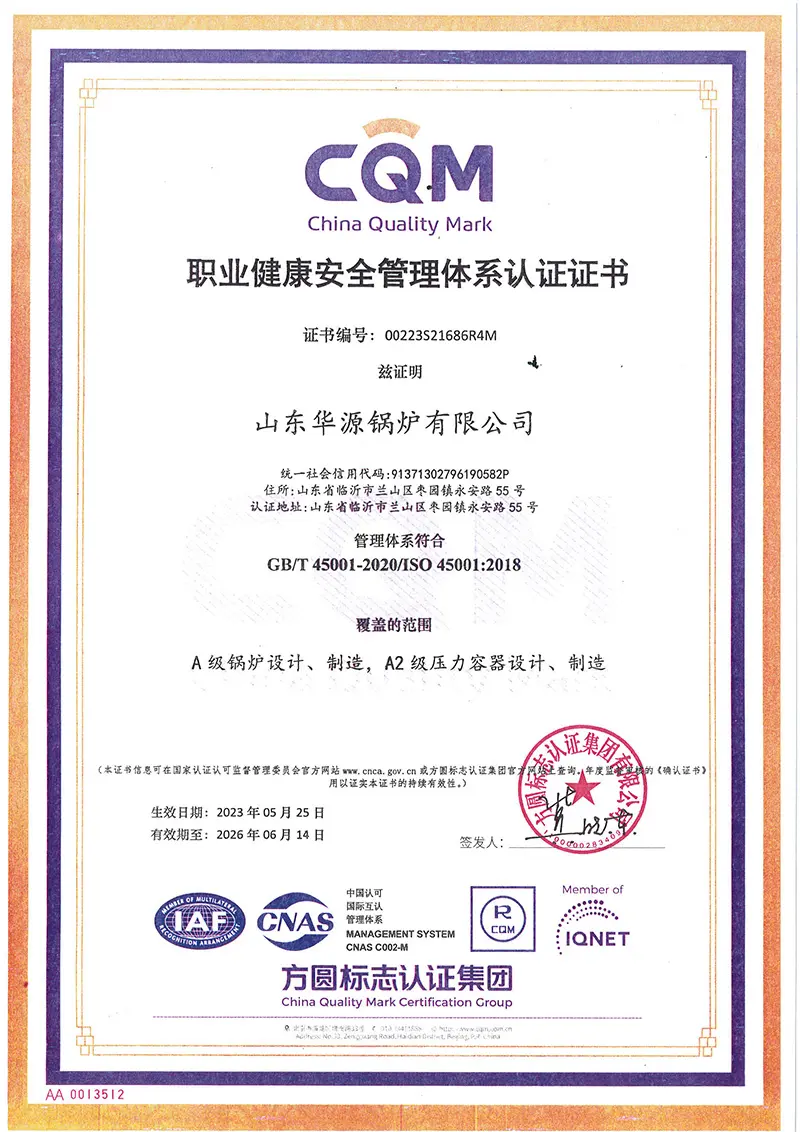
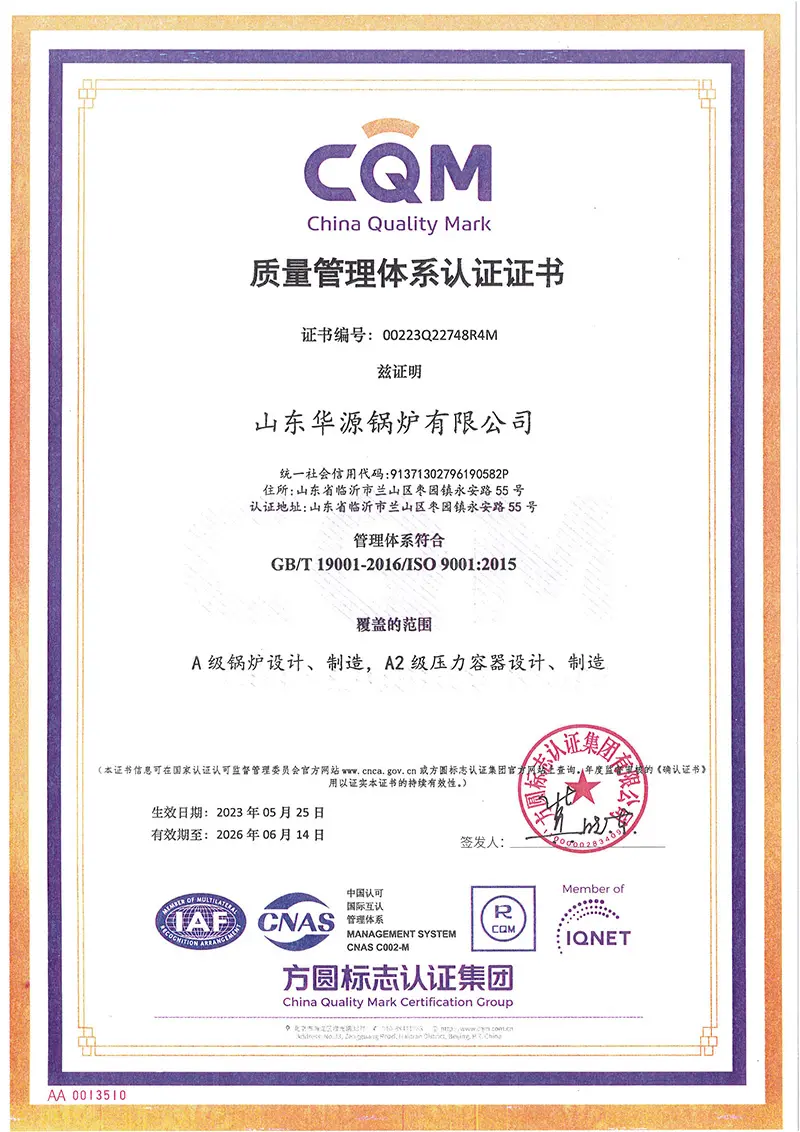
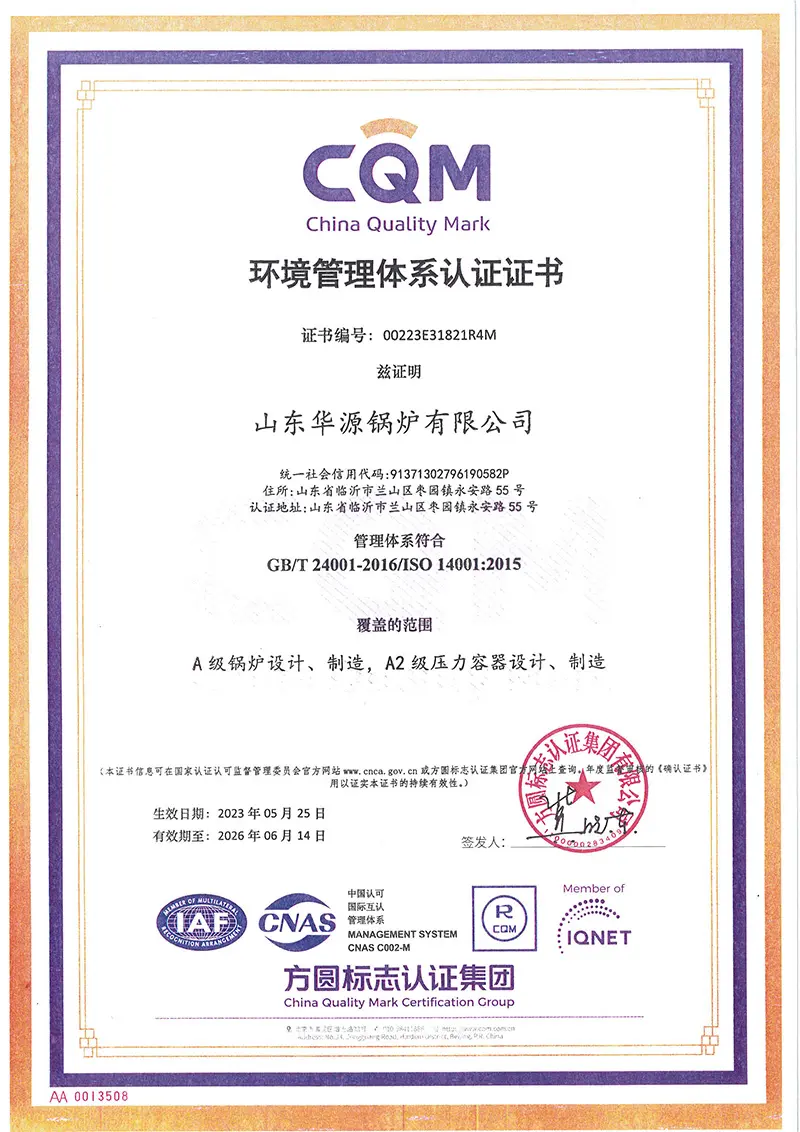
Equipped with pressure pipe installation permits, Huayuan Tech has achieved ISO9001 quality management, ISO14001 environmental safety, OHSAS18001 occupational health certifications, as well as the prestigious United States ASME (American Society of Mechanical Engineers) stamps, ensuring global engineering compliance.
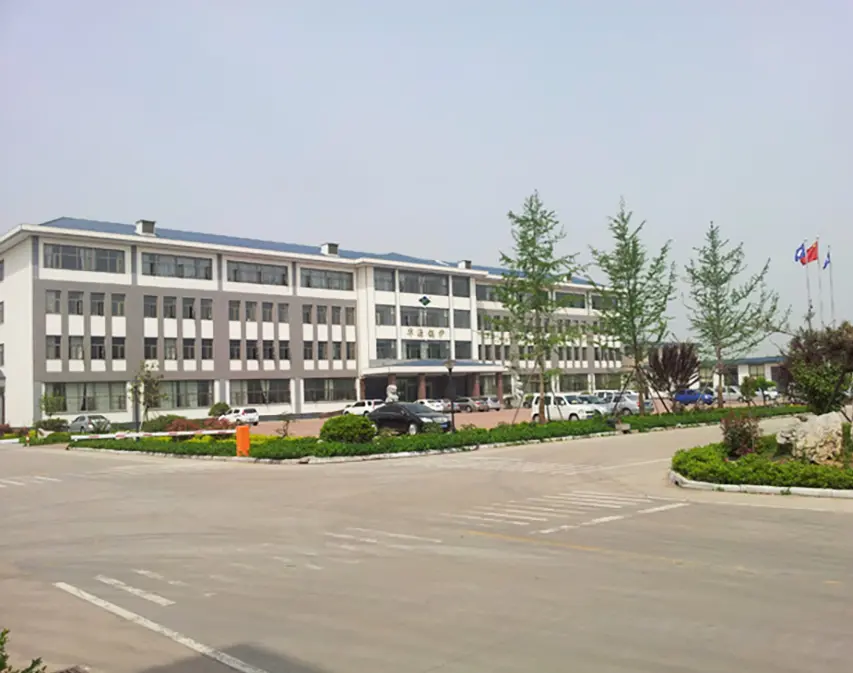
With the continuous growth of our enterprise, Huayuan Tech has evolved into a fully integrated energy solution supplier. We specialize in boiler manufacturing, pressure vessel design, waste tire and plastic scrap pyrolysis system development, thermal system integration, and contract energy management.
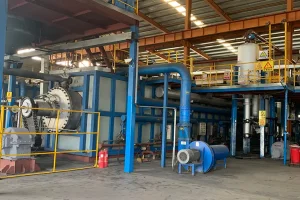
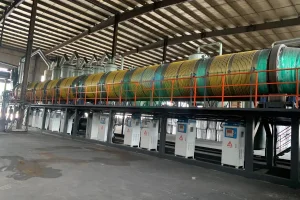
By merging high-temperature combustion mechanics with organic chemical degradation, we have engineered plastic reprocess machines that address the most demanding processing conditions. Our continuous screw pyrolysis systems utilize custom metallurgy to withstand abrasive contaminants and acid gas corrosive wear.
In modern industrial procurement, selecting equipment from a China-based OEM is no longer just a decision based on lower labor costs. It represents a strategic partnership with an advanced Factory 4.0 ecosystem. In China, industrial clusters like Linyi possess deep metallurgical supply chains, specialized tooling, and close integration with heavy transport infrastructure, enabling companies like Huayuan Tech to maintain stable manufacturing schedules even during global market disruptions.
At Huayuan Tech, we integrate automated processes with strict quality control to guarantee that our plastic reprocess plants meet the highest global standards. Our manufacturing workflow employs automated submerged arc welding (SAW) systems that eliminate weld porosity in high-pressure reactor drums. Every pressure boundary weld undergoes 100% non-destructive testing (NDT), including ultrasonic testing (UT) and digital radiographic testing (RT). This ensures that reactors operating under continuous thermal cycles of up to 800°C resist micro-cracking and deformation, providing a safe operating life that matches or exceeds European-made equivalents at a significantly optimized total cost of ownership (TCO).
Global waste management companies and industrial buyers must evaluate equipment based on strict technical criteria. Beyond initial purchase price, factors such as uptime efficiency, thermal heat-up rates, safety interlock designs, and emission mitigation systems represent the true drivers of plant profitability. Pyrolysis reactors operating internationally must adhere to local environmental standards, such as the EU Industrial Emissions Directive (IED) or the US Clean Air Act. Huayuan Tech integrates multi-stage exhaust scrubbing systems, including acid gas neutralization towers, activated carbon beds, and baghouses, allowing projects to pass environmental permitting in jurisdictions with strict emissions standards.
Over 50 years of engineering milestones, from specialized boiler repair to international ASME-certified pyrolysis plant manufacturing.
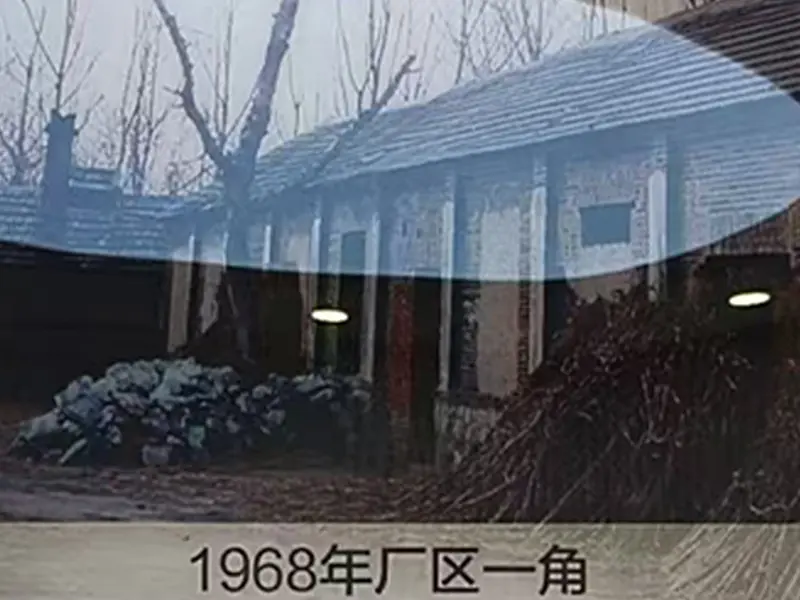
Initially, Huayuan Technology developed boiler technology in several factory workshops, establishing early combustion engineering protocols.
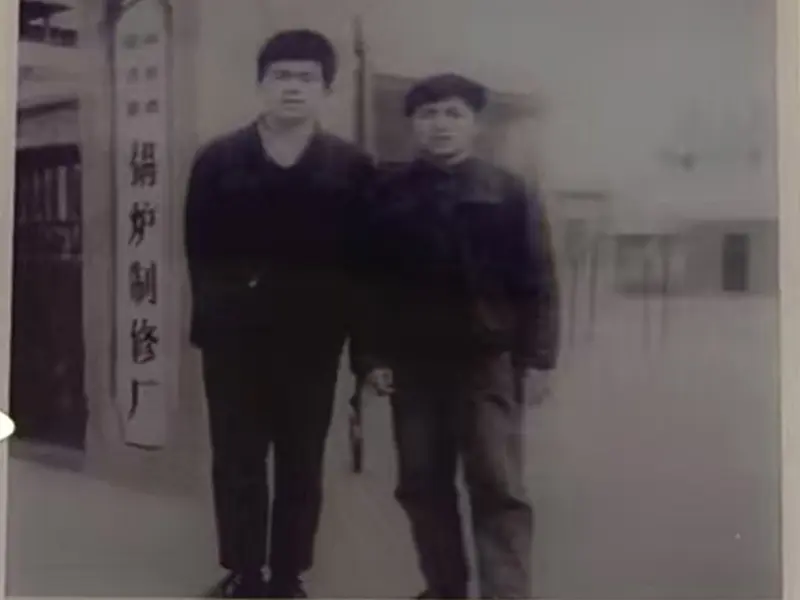
Restructured as Linyi County Boiler Manufacturing and Repair Factory, expanding service capabilities under the county industrial bureau.
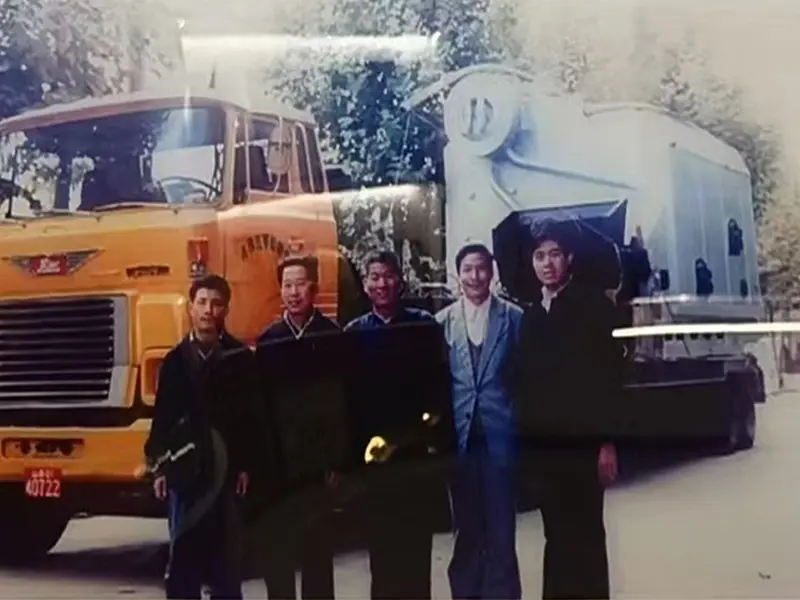
Renamed Linyi Boiler Factory, merged operations with Linyi Auto Parts Factory, and relocated to 373 Tongda Road.
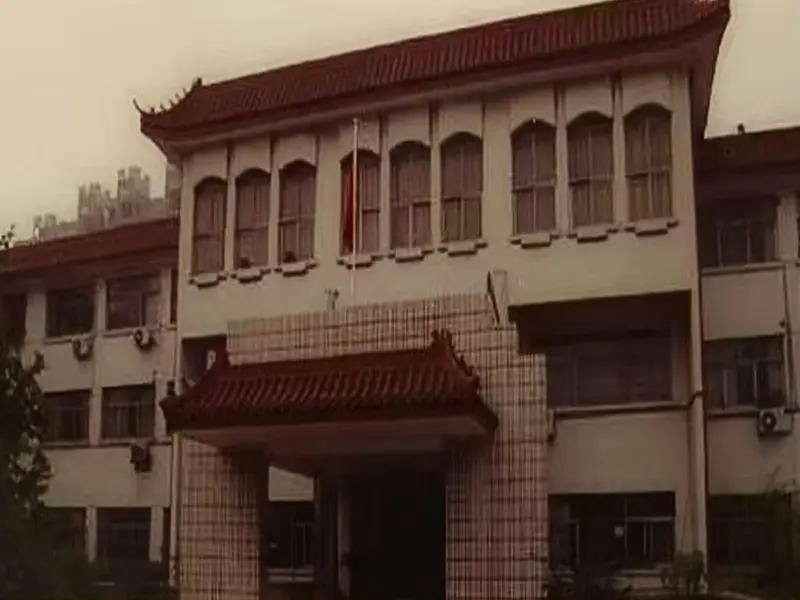
Restructured into Linyi Boiler Co., Ltd., transitioning into a modernized corporate entity for scaling industrial systems.
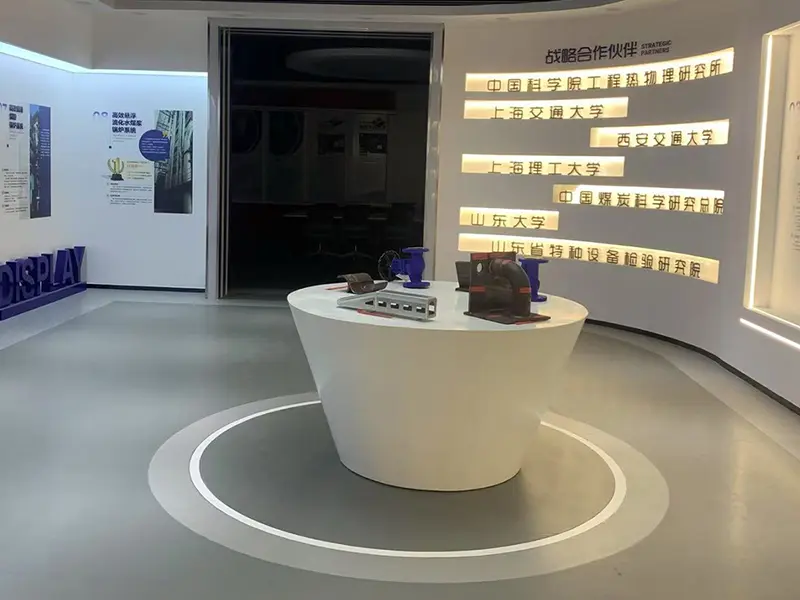
Successful privatization and restructuring provided wings for the company's takeoff, adopting modern corporate management.
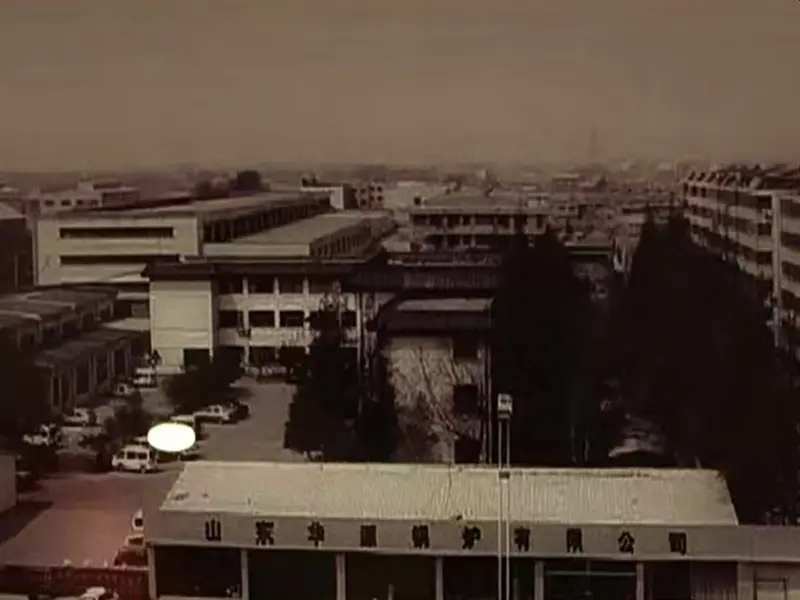
Obtained national A-level boiler manufacturing license, ISO certifications, and launched the initial batch waste tire pyrolysis lines.
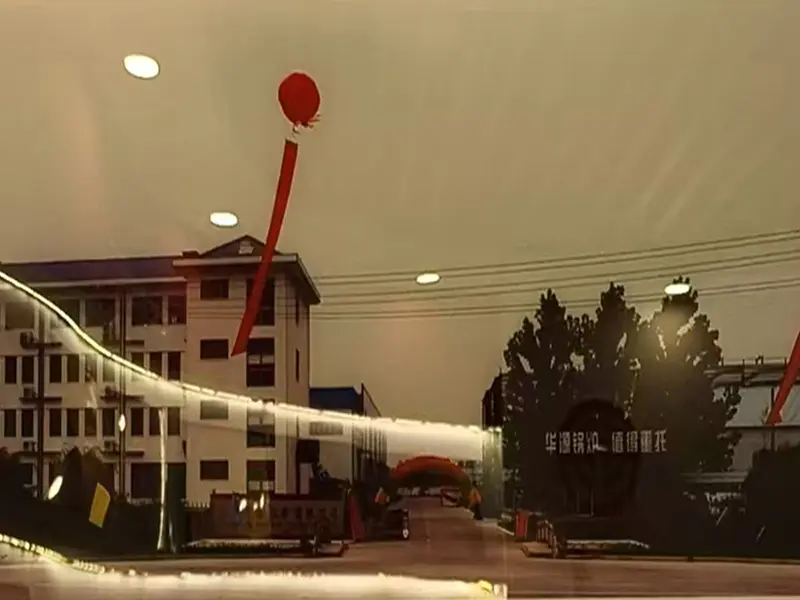
Relocated to Zaoyuan Town Industrial Park (220 acres), starting the research and development of continuous model pyrolysis designs.
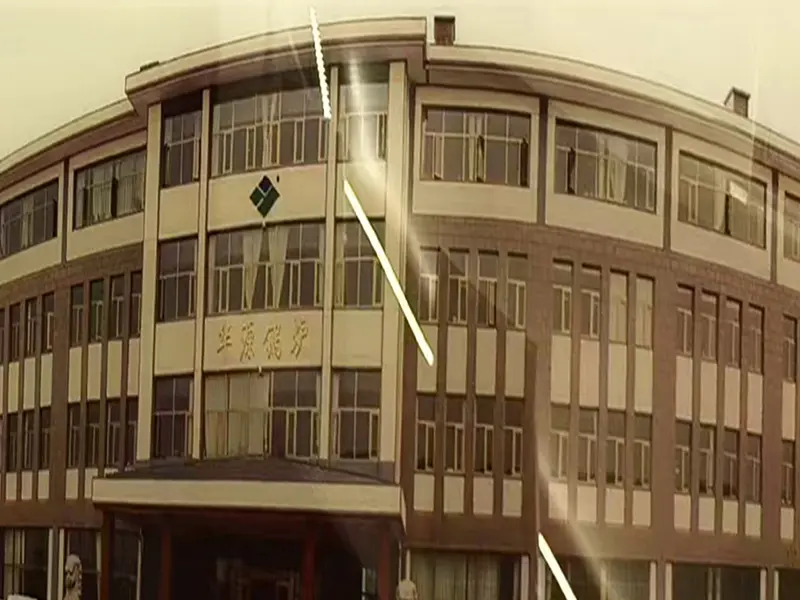
Developed the continuous screw pyrolysis reactor. Achieved high-tech enterprise status, ASME certifications, and global export expansion.
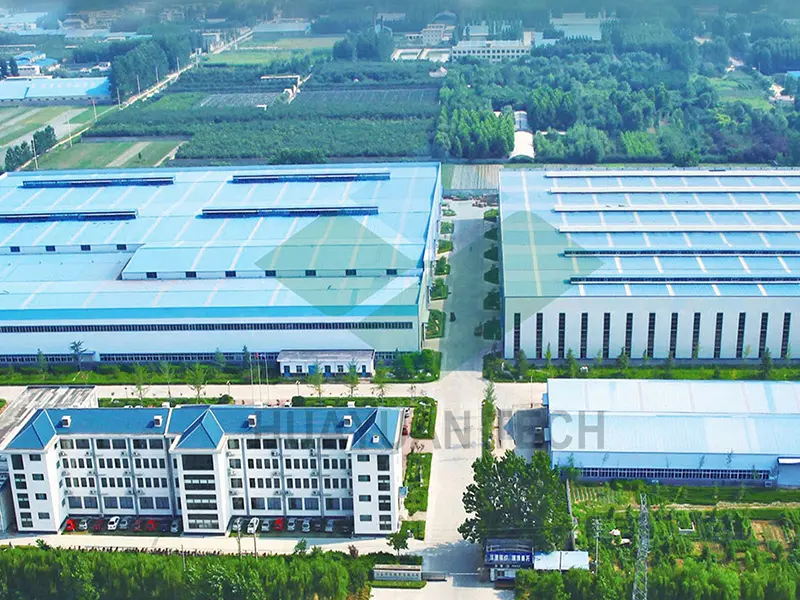
Scaled sustainable operations to realize the corporate vision: "doing energy conservation and emission reduction, making the sky bluer, the earth greener, and the water cleaner" via high-efficiency plastic and tire pyrolysis systems.
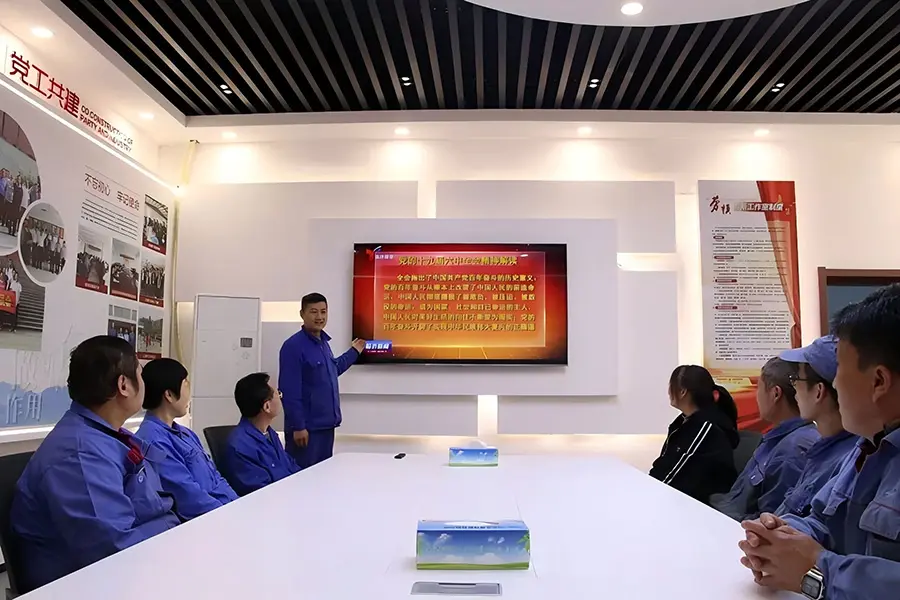
Unswervingly pursuing technological innovation and building a strong enterprise core competitiveness is our long-term development strategy. Adhering to the "innovation, quality, honesty" business values, we prioritize environmental protection and energy conservation as prerequisites.
Using technology as a primary means, and backed by professional engineering skills and our unique R&D philosophy, we establish strong university-industry collaborations. This allows us to continuously introduce innovative products that meet global market demand for cleaner recycling technologies.
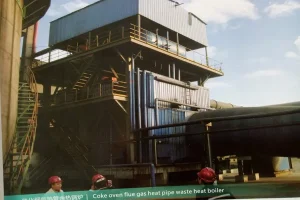
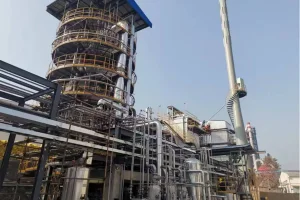
Our continuous systems feature thermal efficiency enhancements, including low-NOx burners, waste heat boilers that recover hot flue gas energy, and high-performance insulation linings that reduce radiation losses, ensuring that up to 90% of heat input is routed directly to the cracking reactor.
Verified manufacturing, safety, and quality control systems matching European and American regulatory frameworks.
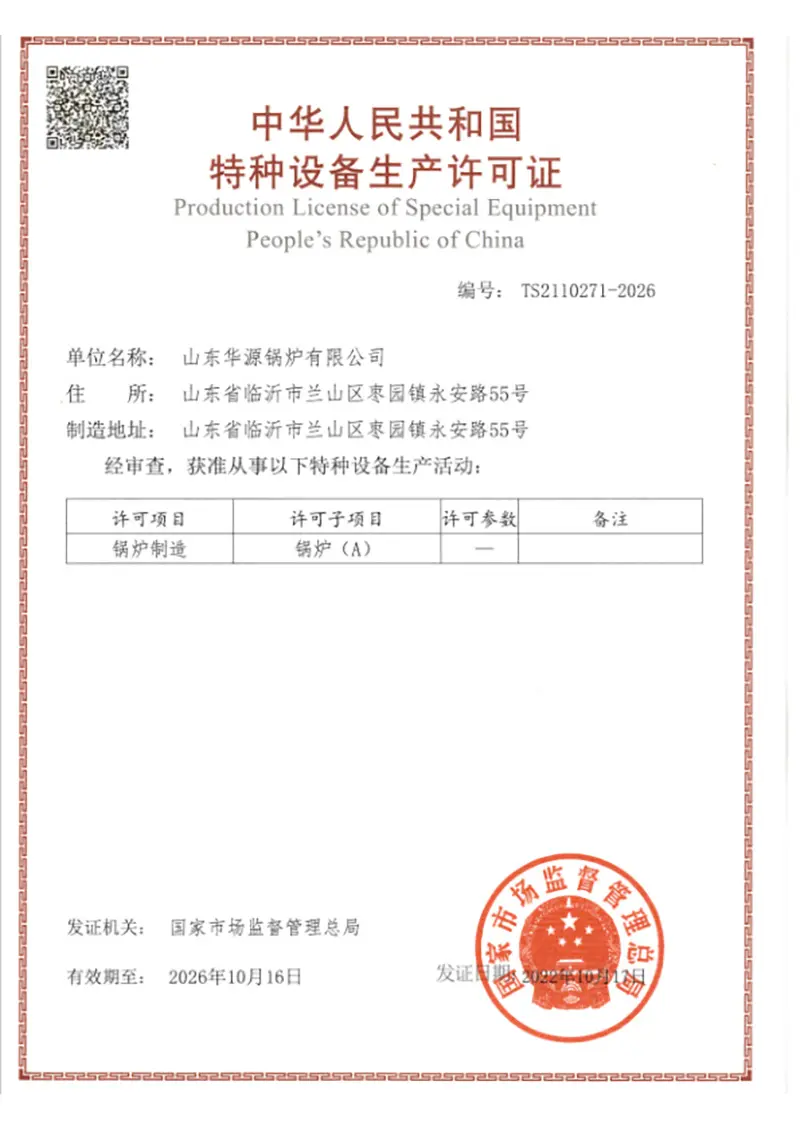
ISO System Certification
ASME Stamp Quality
Boiler Pressure Vessel
Quality Inspection
Safety Standard Compliance
Global Export License
Our technologies convert environmental liabilities into high-value petrochemical commodities through optimized thermal degradation.
Processing scrap tire blocks or rubber crumb into pyrolysis oil and recovered carbon black under continuous heating cycles.
Learn More →
Handling diverse municipal post-consumer plastic scrap, featuring automated heavy wax removal systems.
Learn More →
Connecting pyrolysis reactors to high-performance boilers to recycle thermal exhaust energy, decreasing fuel usage.
Learn More →
Upgrading raw pyrolysis residue into fine carbon black suitable for rubber compounding, plastics, and pigments.
Learn More →
Refining crude pyrolysis oil into light diesel, gasoline fractions, or feedstock for circular naphtha cracking.
Learn More →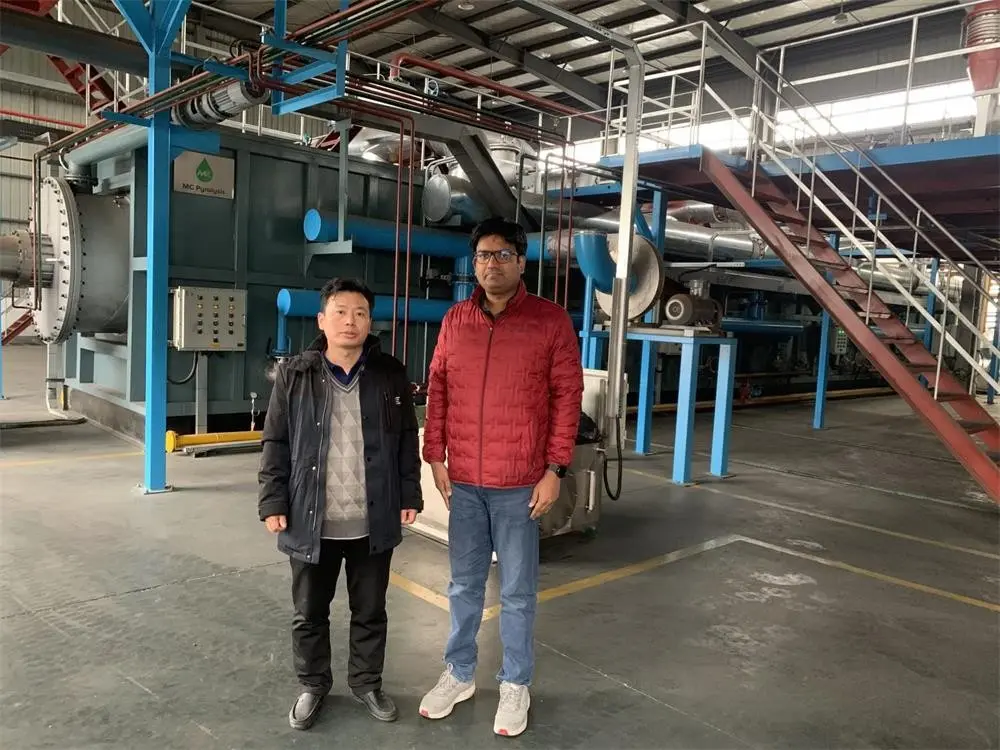
Patented screw drive feeds that isolate nitrogen environments while pushing solids into high-temp chambers.
Learn More →
Custom setups for high-capacity combustion of organic hazardous or non-hazardous factory scrap residues.
Learn More →
Designing heat exchangers, pressure vessels, and chemical storage reactors according to ASME standards.
Learn More →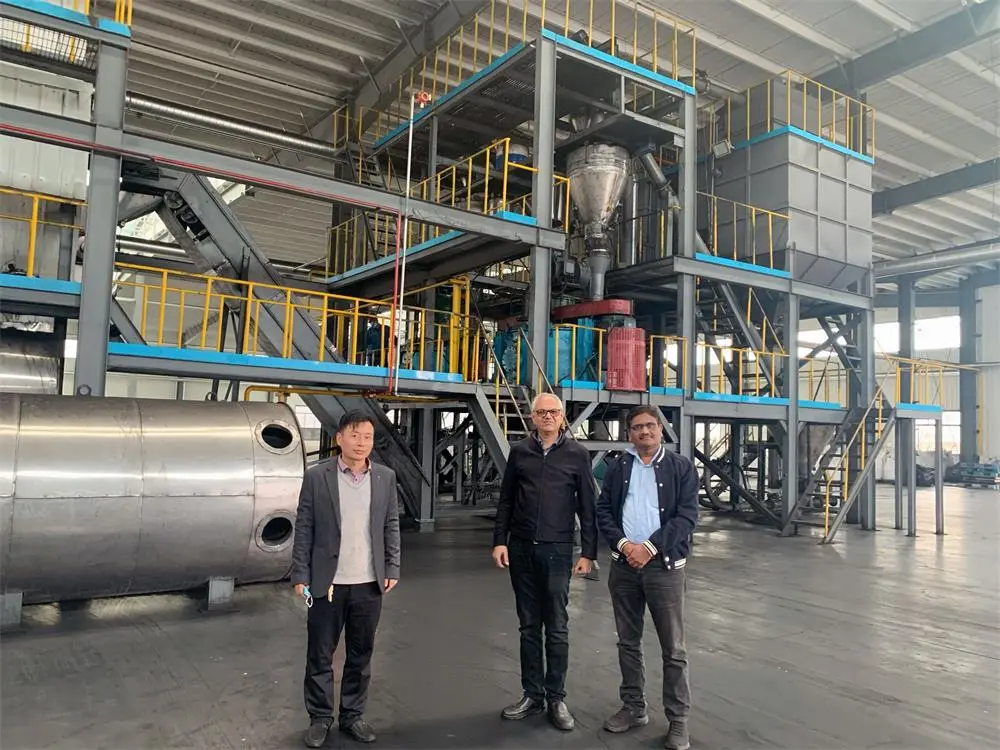
Providing turnkey design, mechanical layout, controls engineering, commissioning, and system training for regional operators worldwide.
Operational conditions for plastic reprocessing plants vary significantly based on regional feedstocks, economics, and regulations. Huayuan Tech designs systems with localized modular additions to suit specific operational regions:
In the North American market, feedstock is often composed of post-consumer plastic waste collected via municipal recovery programs. This material has high levels of PE and PP, but is often contaminated with moisture and PVC. To manage this, Huayuan Tech designs systems with automated sorting, washing, and continuous pre-heating dryers. The thermal depolymerization reactor is tuned to maintain precise temperature ranges that minimize chlorine gas generation, while integrated chlorine scrubbers prevent corrosion in downstream condenser columns.
European projects operate under strict regulations regarding carbon output and stack emissions. Here, our continuous plastic reprocess machines are paired with energy recovery boilers. These boilers capture the high-temperature exhaust gas to produce process steam or hot water for district heating networks, improving overall thermal efficiency. The system is equipped with continuous emissions monitoring systems (CEMS) to ensure air emissions meet all local environmental standards.
In regions such as Thailand, Malaysia, and Vietnam, there are large volumes of waste agricultural films and scrap rubber tires. Our continuous screw pyrolysis plants are well-suited for processing these high-volume feedstocks. Using continuous feeding systems that handle agricultural film with soil residues, these machines run for extended periods without requiring shutdown, converting localized waste streams into fuel oil for nearby industrial operations.
Technical details, safety protocols, and operational specifications for plastic and rubber pyrolysis machines.
Explore our full range of heavy industrial systems for waste-to-energy conversion, carbon black refining, and high-efficiency pyrolysis oil distillation.
 Huayuan