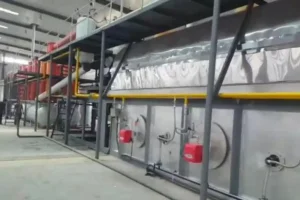
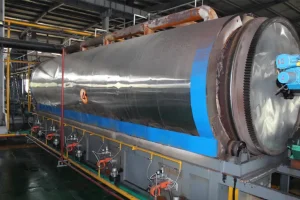
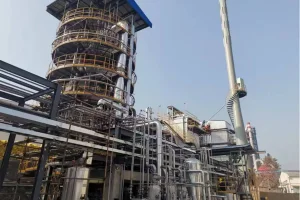
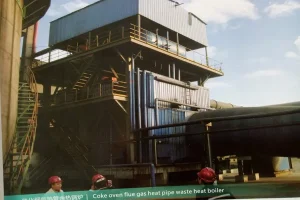
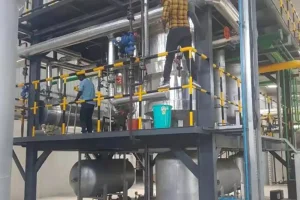
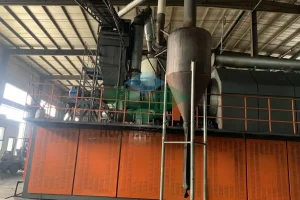
Explore our high-efficiency continuous pyrolysis, solid waste gasification, and waste heat boiler configurations.
Industrial-scale plastic accumulation represents one of the most critical environmental challenges of the 21st century. Landfilling wastes valuable hydrocarbon structures, and traditional incineration yields harmful atmospheric emissions. Modern chemical engineering offers a superior solution: thermal conversion and pyrolysis technologies.
As a leading innovator since 1968, Huayuan Tech designs, develops, and supplies advanced thermal processing machinery. By heating carbon-based inputs like discarded polymers and tires in the absence of oxygen, our systems break long-chain molecules down into valuable light fuels, syngas, and recovered carbon black. This closes the loop for circular supply chains and yields a positive financial return on investment.
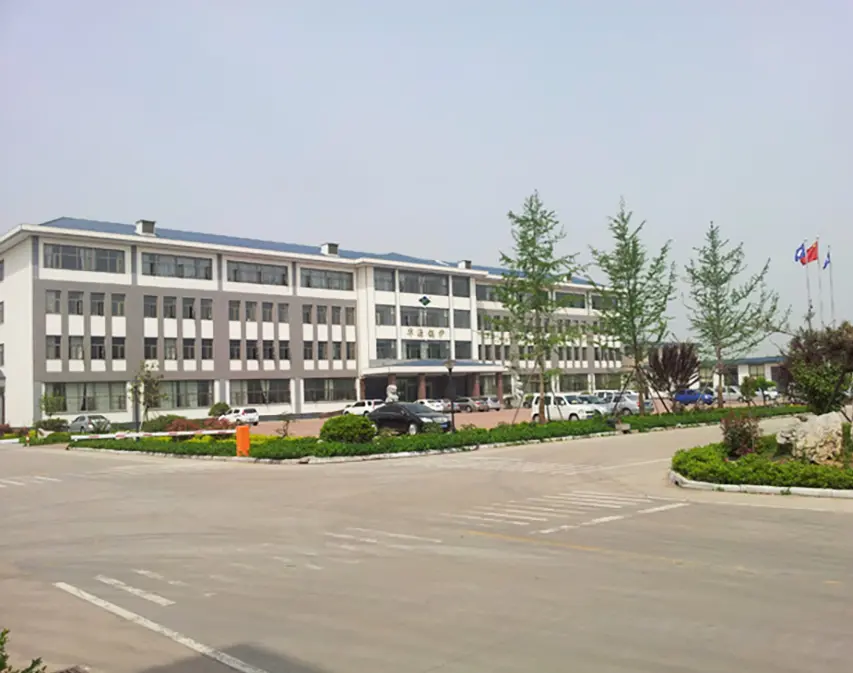
Focusing on waste-to-energy and waste tire/plastic scrap pyrolysis machinery, Huayuan Tech was established in 1968. Our manufacturing infrastructure covers a vast area of 209,335 square meters, with specialized plant facilities spanning 98,680 square meters. Guided by more than 500 dedicated employees, with engineering and technical specialists comprising 34% of our workforce, we deliver unparalleled technical expertise.
Huayuan Tech maintains a complete line of A-class boiler and pressure vessel manufacturing and testing equipment. We hold pressure pipe installation permits, ISO9001, ISO14001, OHSAS18001 certifications, and the prestigious United States ASME certification. We integrate boiler manufacturing, pressure vessel design, thermal equipment systems, energy management, and project investment to deliver turn-key environmental assets.
How our continuous pyrolysis engineering resolves economic and ecological challenges simultaneously.
Processing heterogeneous mixed plastics (PE, PP, PS) without intensive prior separation. Converts unwashed municipal and industrial plastic packaging streams into stable liquid chemical raw materials.
Our solutions achieve cost-efficiency ("cheap") by utilizing recovered combustible syngas to heat the reactor chamber, reducing outer fuel dependencies to near zero once initial temperatures are reached.
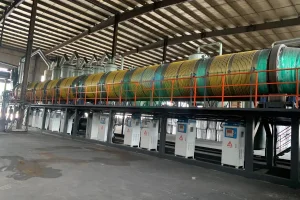
Continuous screw reactors eliminate cool-down cycles required by batch systems. Heavy-duty horizontal rotary mechanisms optimize heat transmission, maximizing throughput and overall longevity.
A history of engineering innovation: progressing from local boiler repair to global leader in waste conversion technology.
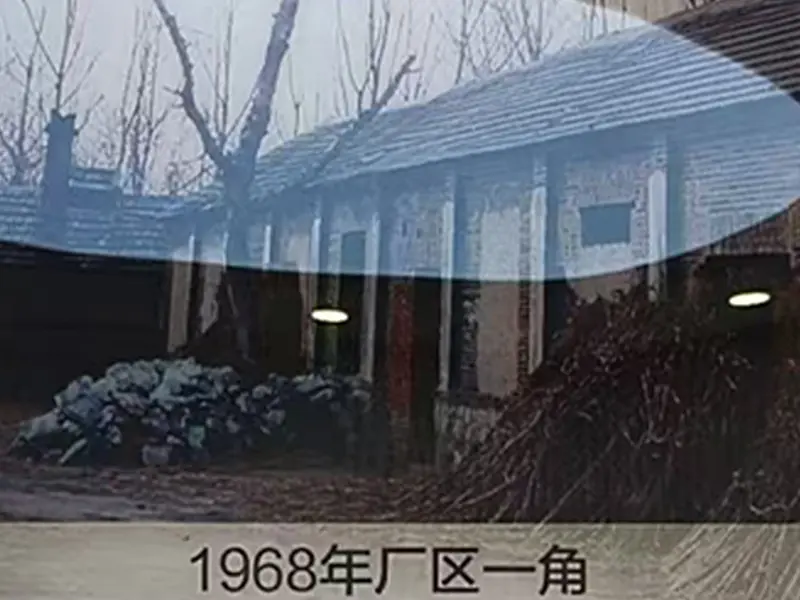
Huayuan Technology began developing specialized boiler components inside standard regional mechanical workshops, focusing on pressure control and advanced thermal containment principles.
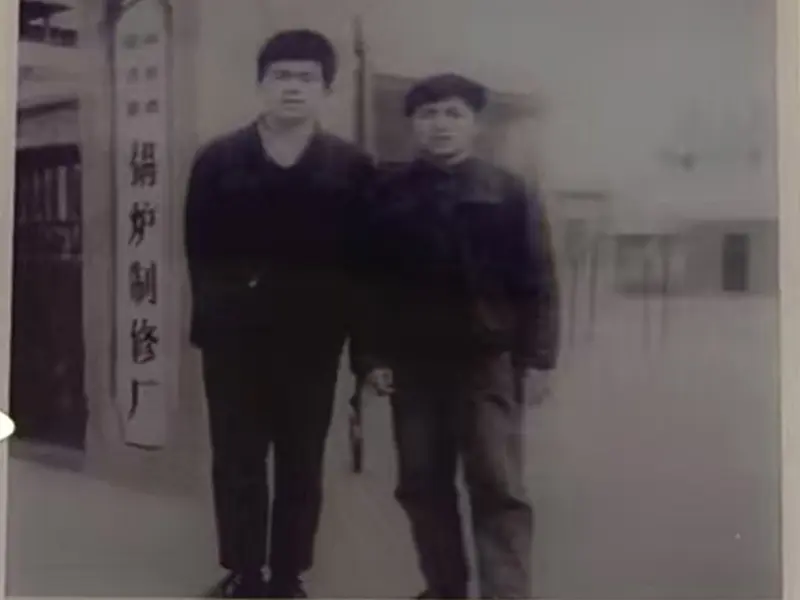
Reorganized as Linyi County Boiler Manufacturing and Repair Factory under the direct jurisdiction of Linyi County Industrial Bureau, standardizing national pressure equipment requirements.
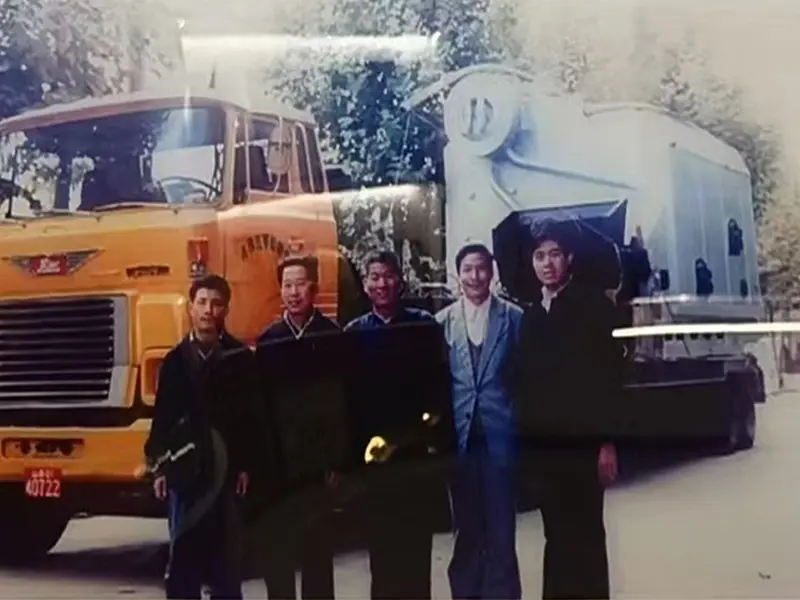
Renamed Linyi Boiler Factory, the company merged operations with Linyi Auto Parts Factory, moving production lines to a larger, unified area at 373 Tongda Road.
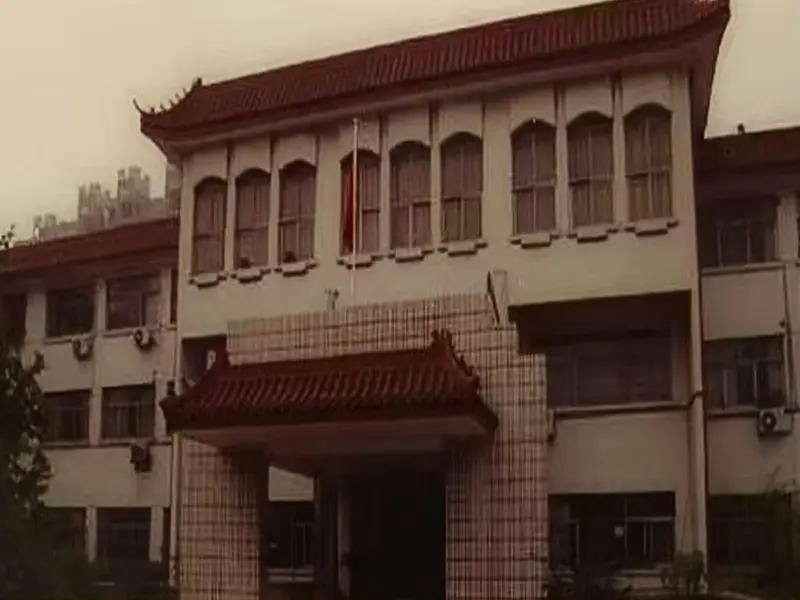
Formally structured into Linyi Boiler Co., Ltd., transitioning from state ownership to a modern shareholding enterprise, optimizing market-driven engineering initiatives.
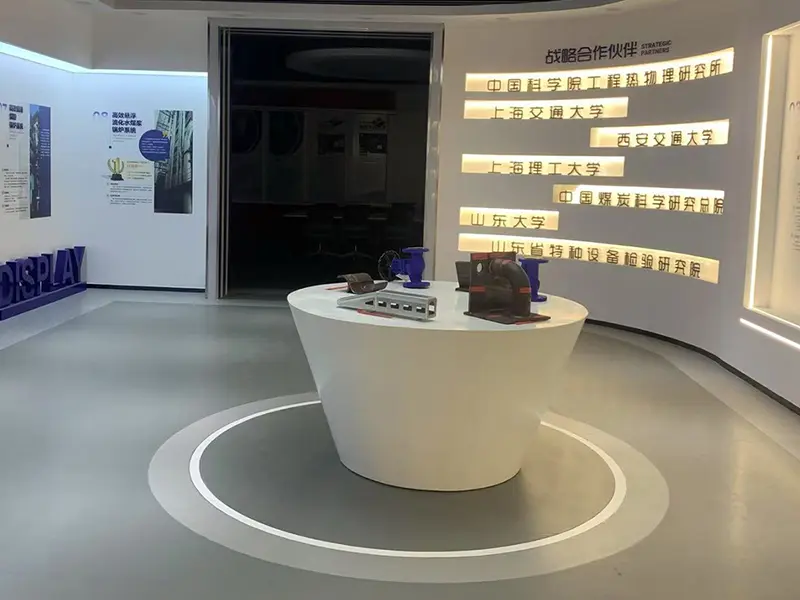
Successful modernization programs established the company's export potential and introduced high-efficiency, automated mechanical processing lines.
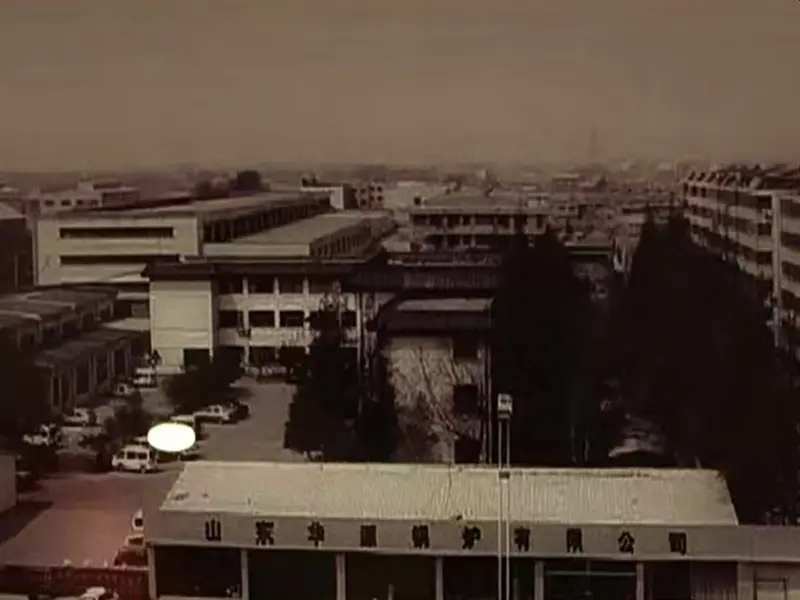
Huayuan obtained the prestigious national A-level boiler manufacturing license and ISO triple system certification. Concurrently, we designed and manufactured our first-generation batch-type waste tire pyrolysis systems.
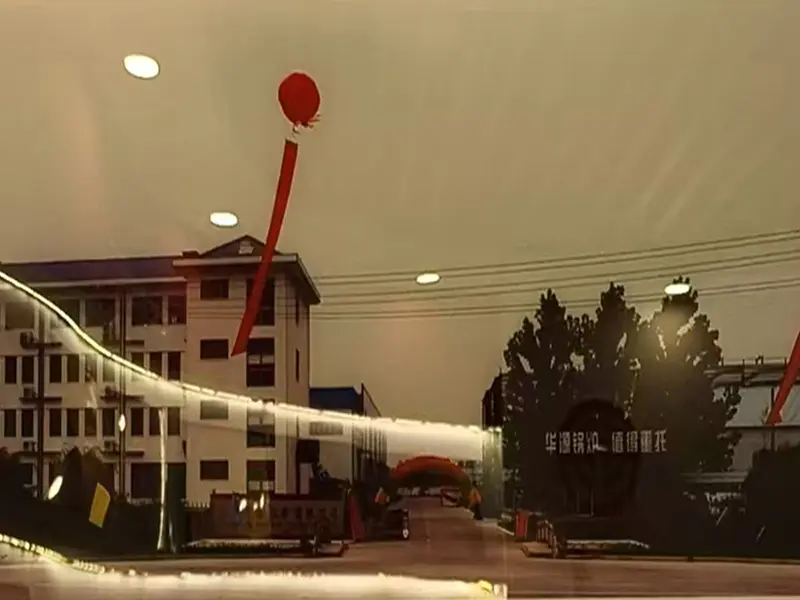
Relocated to a new, state-of-the-art 220-acre manufacturing park in Zaoyuan Town Industrial Park. During this transition, engineers commenced design on our continuous-model waste plastic and rubber pyrolysis plants.
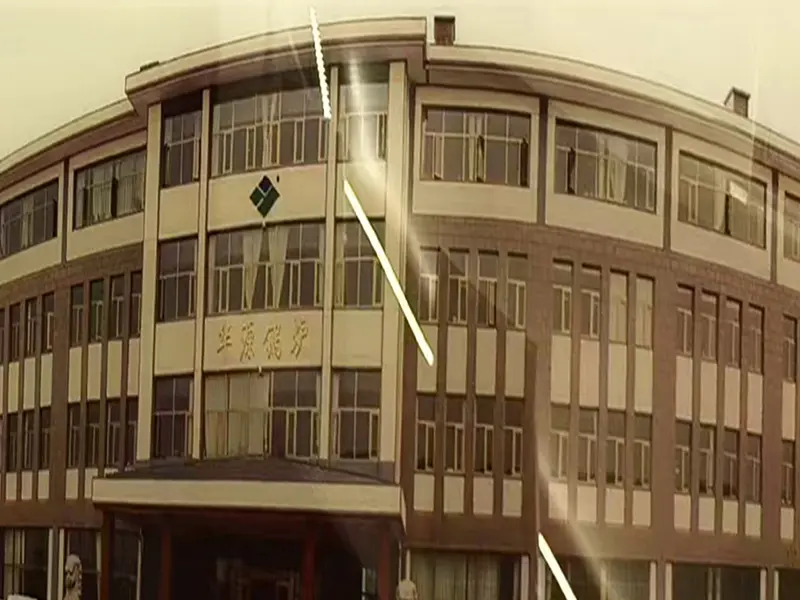
Successfully designed and deployed our continuous screw-type pyrolysis plant. The plant received high-tech enterprise recognition and US ASME certification, bringing the Huayuan brand to global markets.
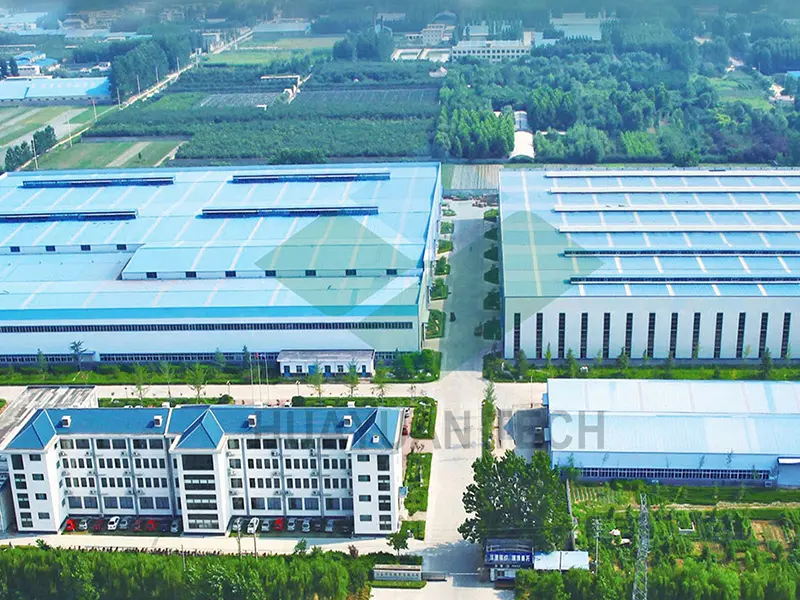
Huayuan advanced its emission-reduction and green energy objectives, integrating waste-to-energy recovery plants with water purification and gas scrubbing systems.
Operating under strict engineering codes ensures reliable and safe operations in any jurisdiction.
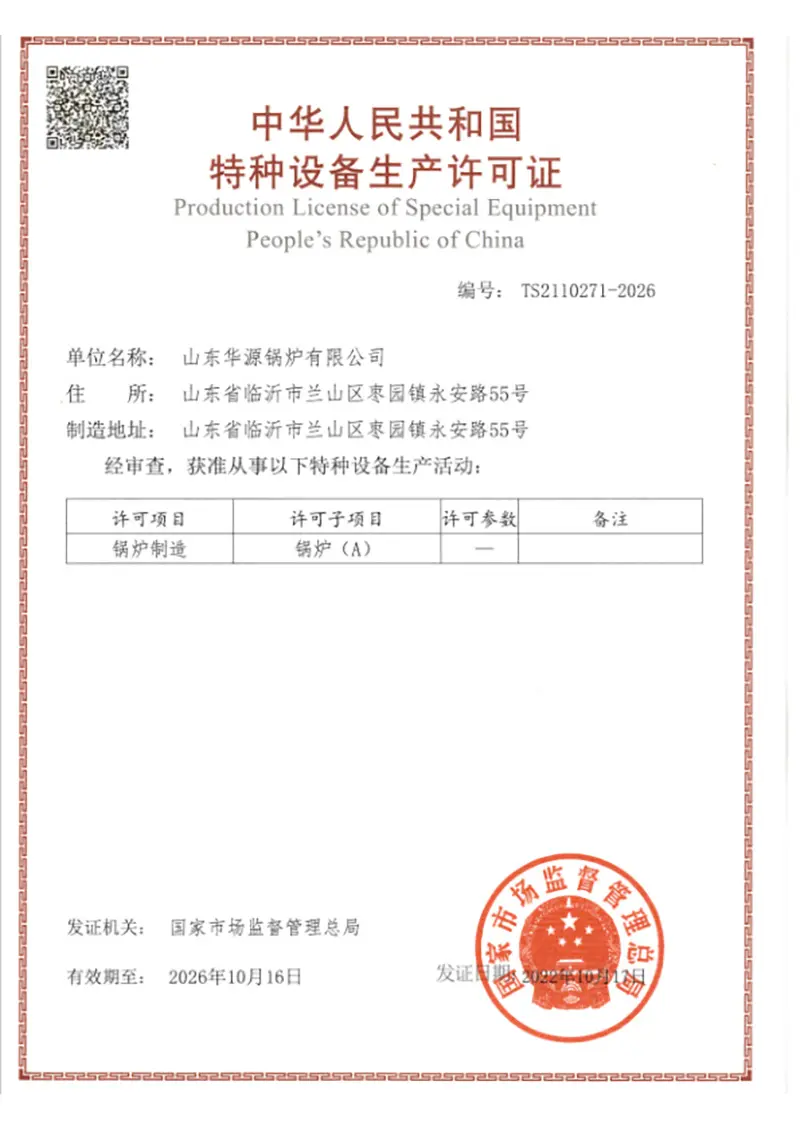
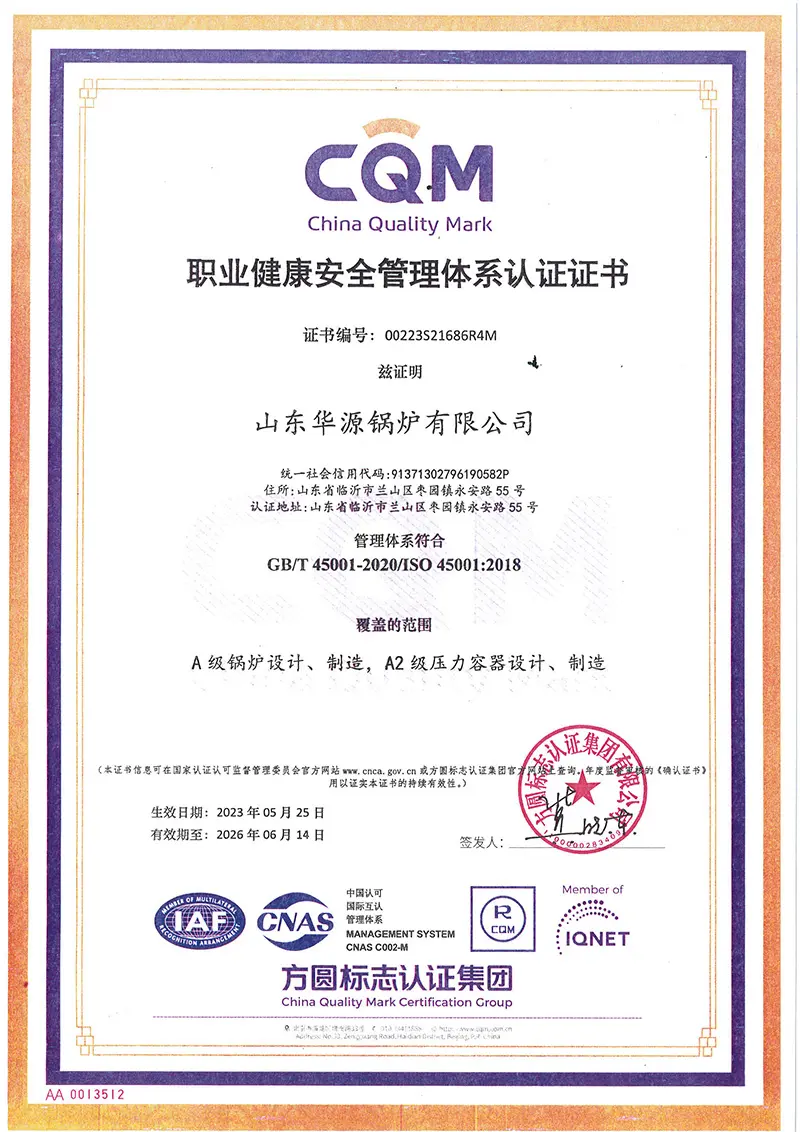
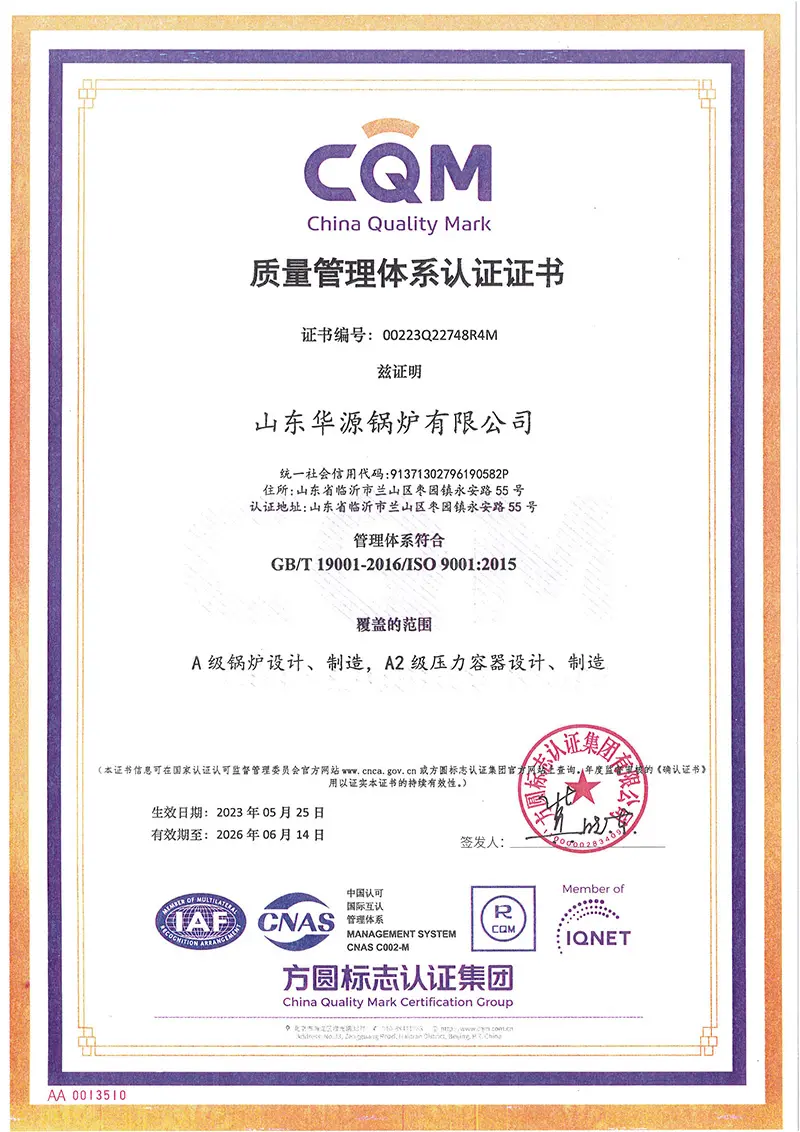
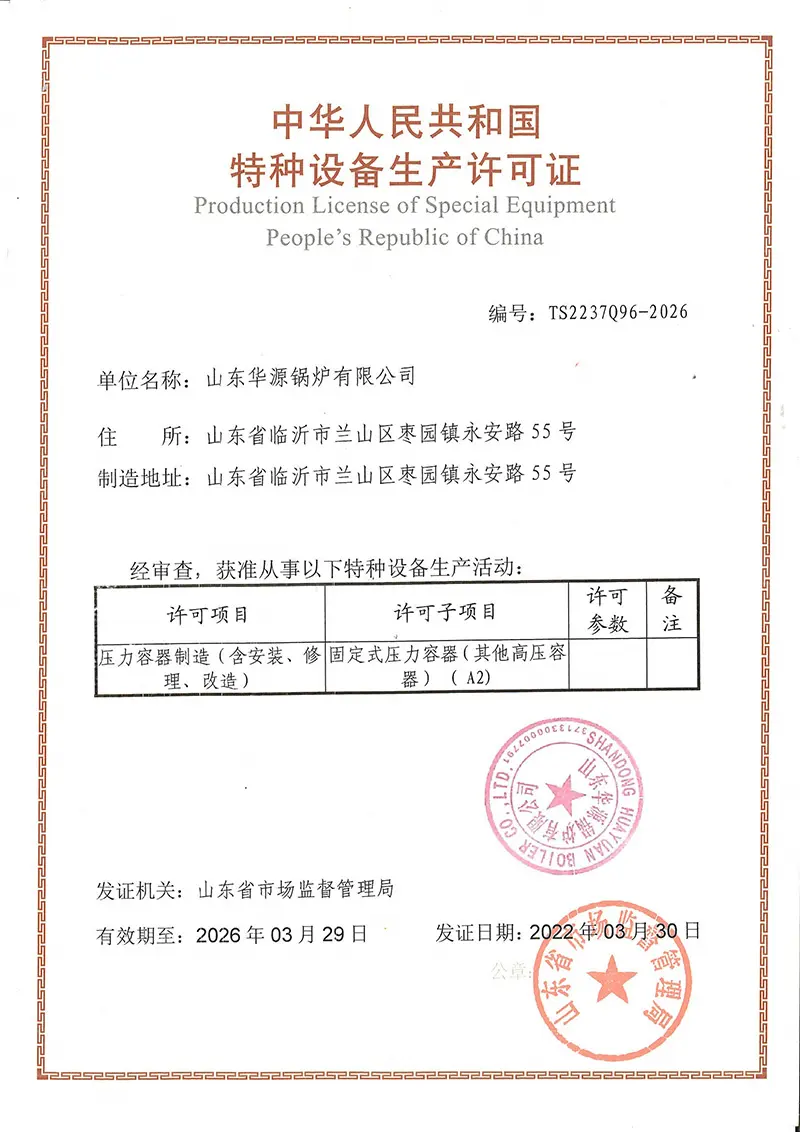
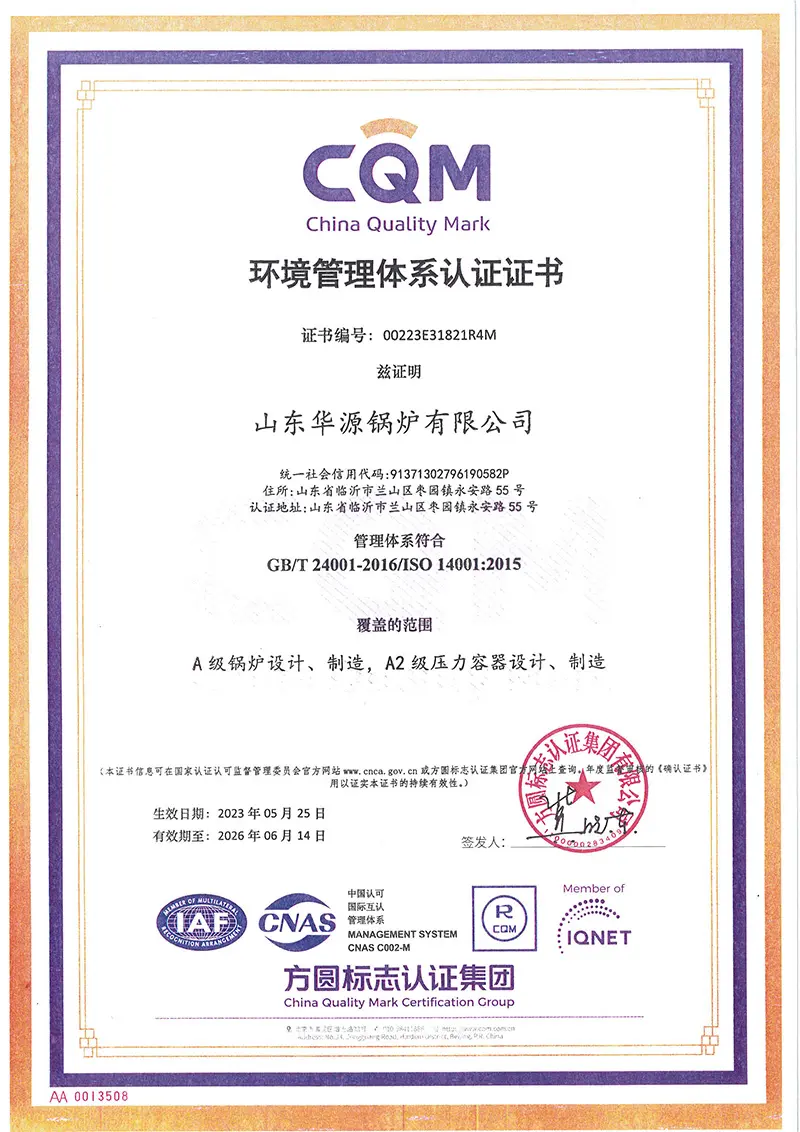
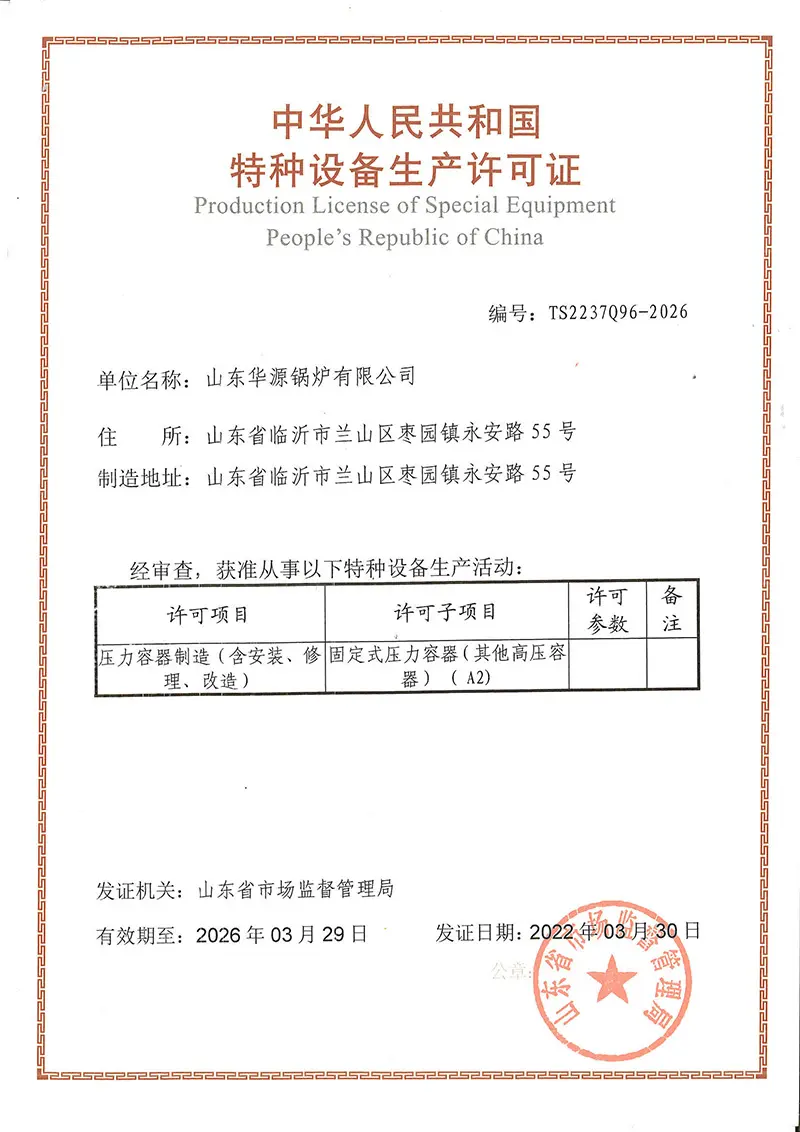
Our compliance extends beyond simple documentation. Having manufactured boilers and Class I, II, and III pressure vessels since our founding in 1968, Huayuan Tech subjects every weld, structural seam, and safety valve to rigorous ultrasonic testing, X-ray inspection, and hydrostatic pressure verification.
Explore real-world applications of Huayuan Tech's advanced thermal recovery and processing technology.
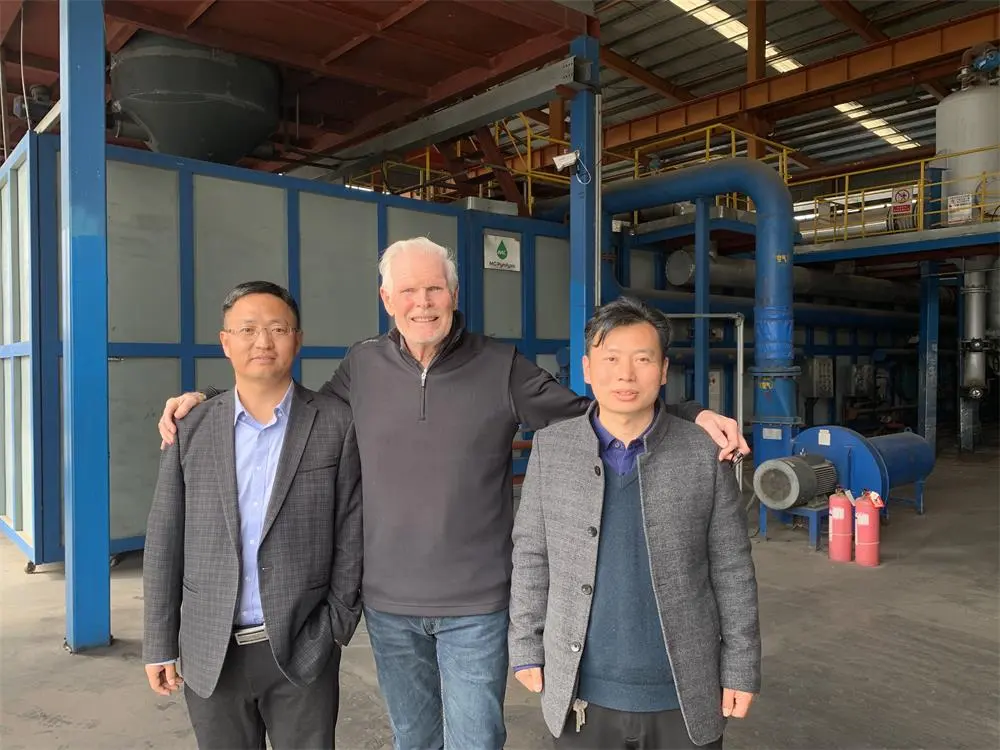
Converts high-volume industrial plastic residues, including polypropylene strapping and polyethylene film, into clean process fuels.
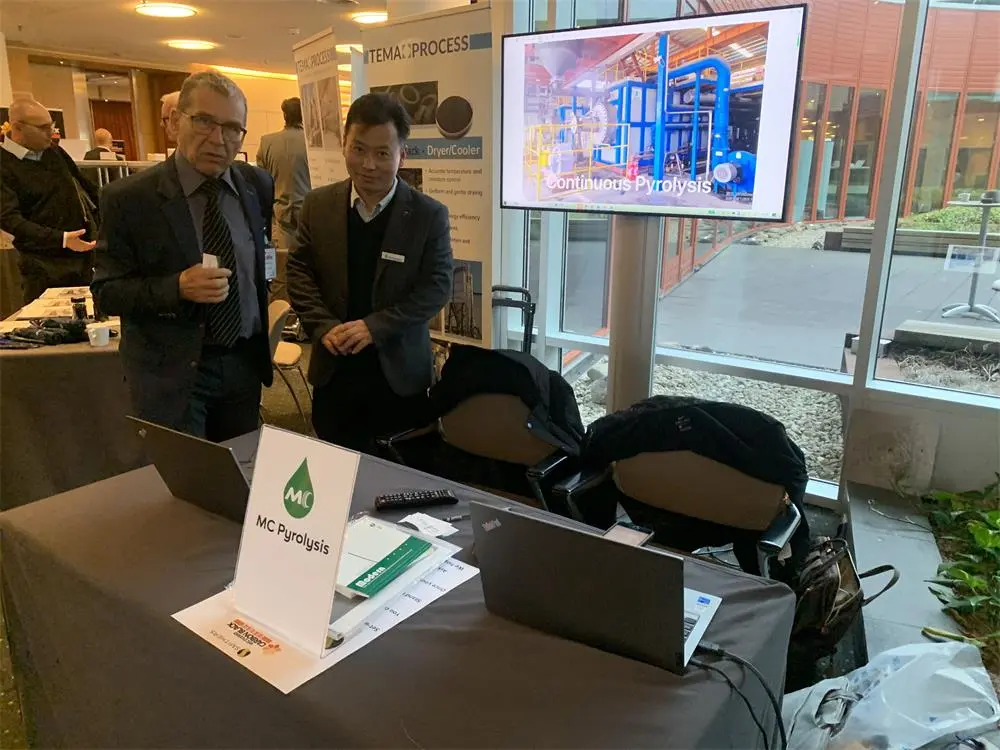
Processes whole and shredded tires to extract high-yield heavy oil, steel wire, and raw carbon black for refining.
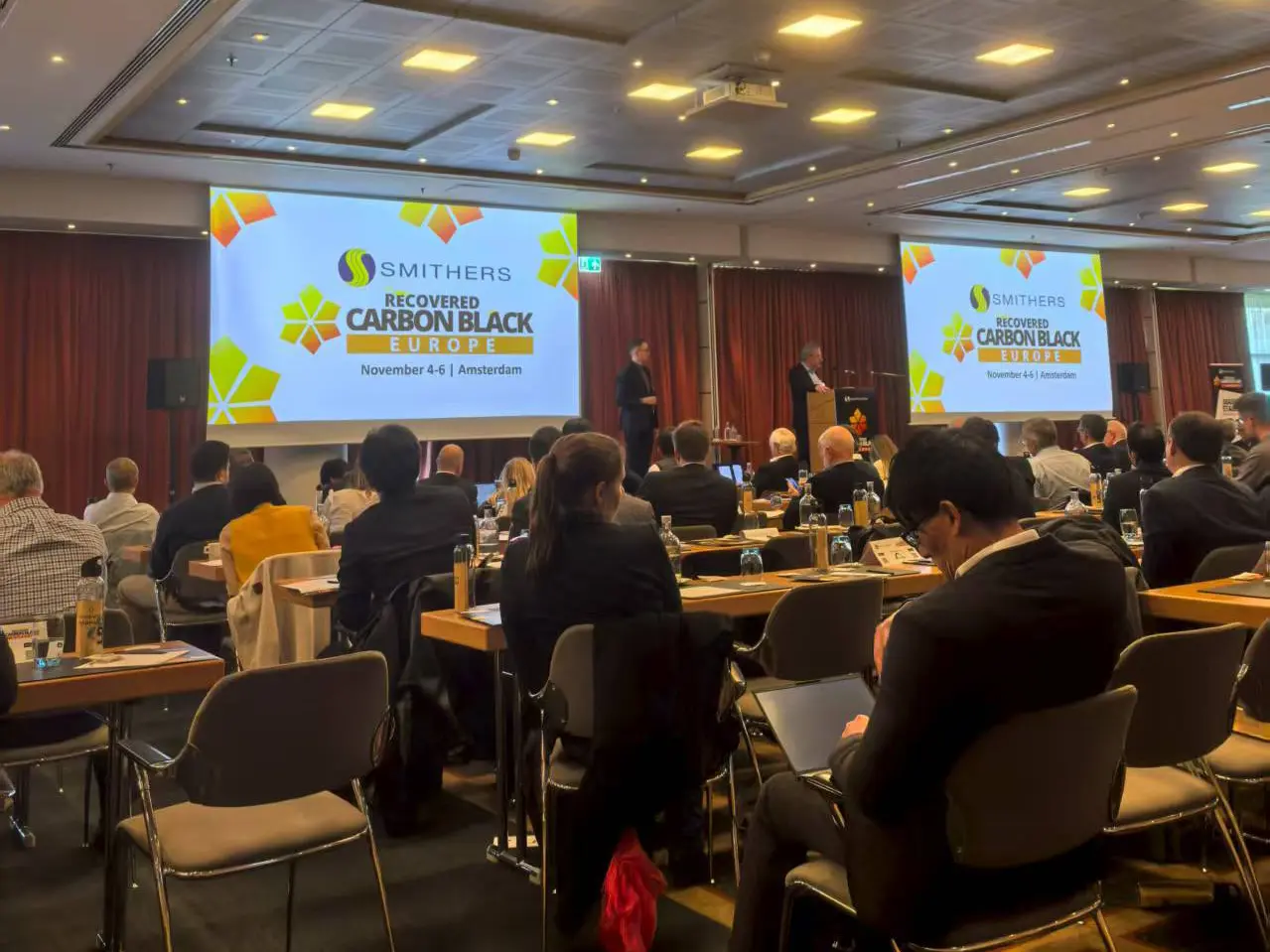
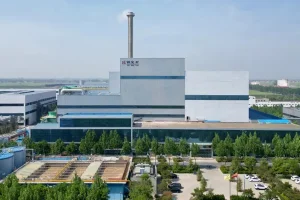
Pairs heat recovery boilers with gasification lines to capture thermal energy, generating process steam or electricity.
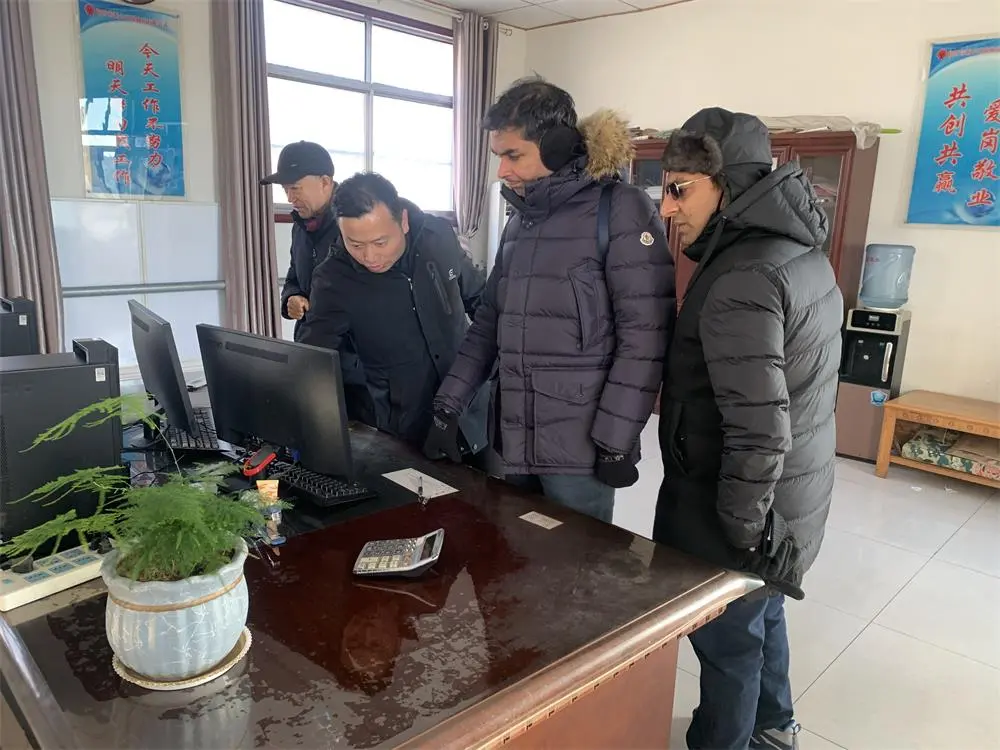
Fractionates raw pyrolysis liquids into lighter hydrocarbons, refining fuel outputs for diesel generator systems.
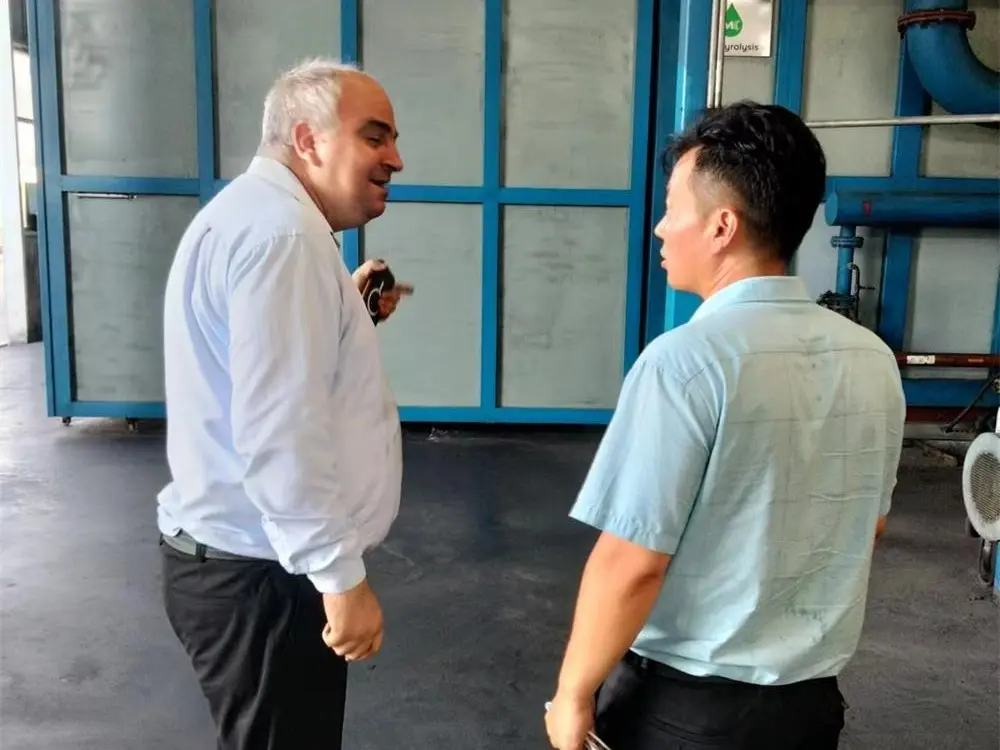
Pulverizes and pelletizes raw carbon char to meet rubber compounding and industrial pigment grade specifications.
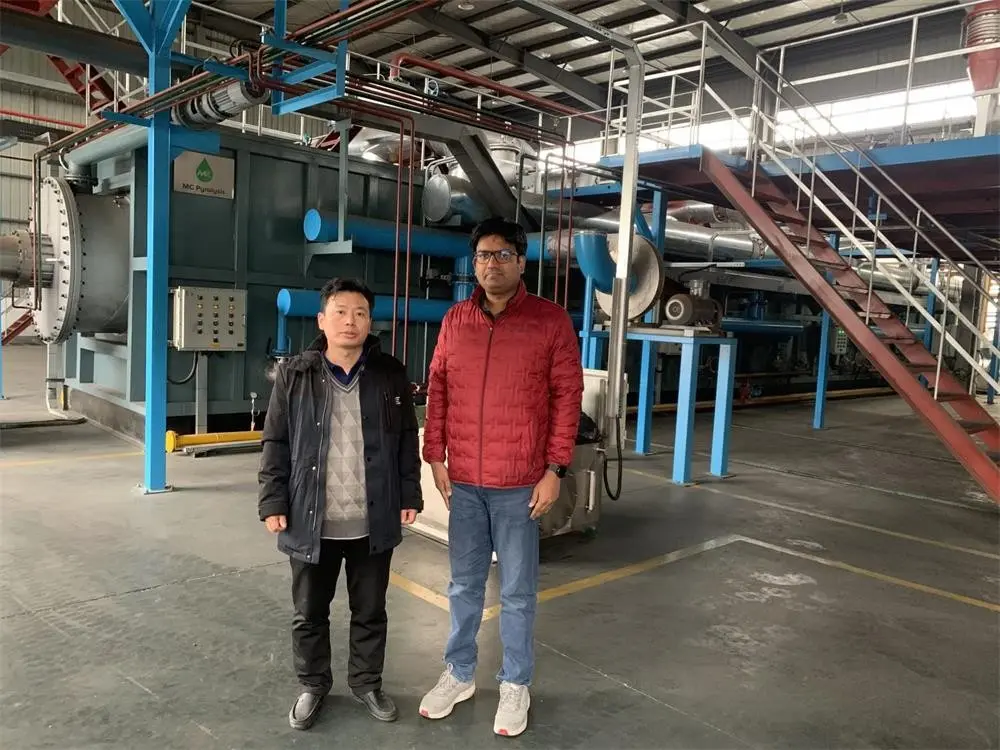
Supplies continuous high-pressure hot steam to regional utility pipelines, utilizing recovered process heat.
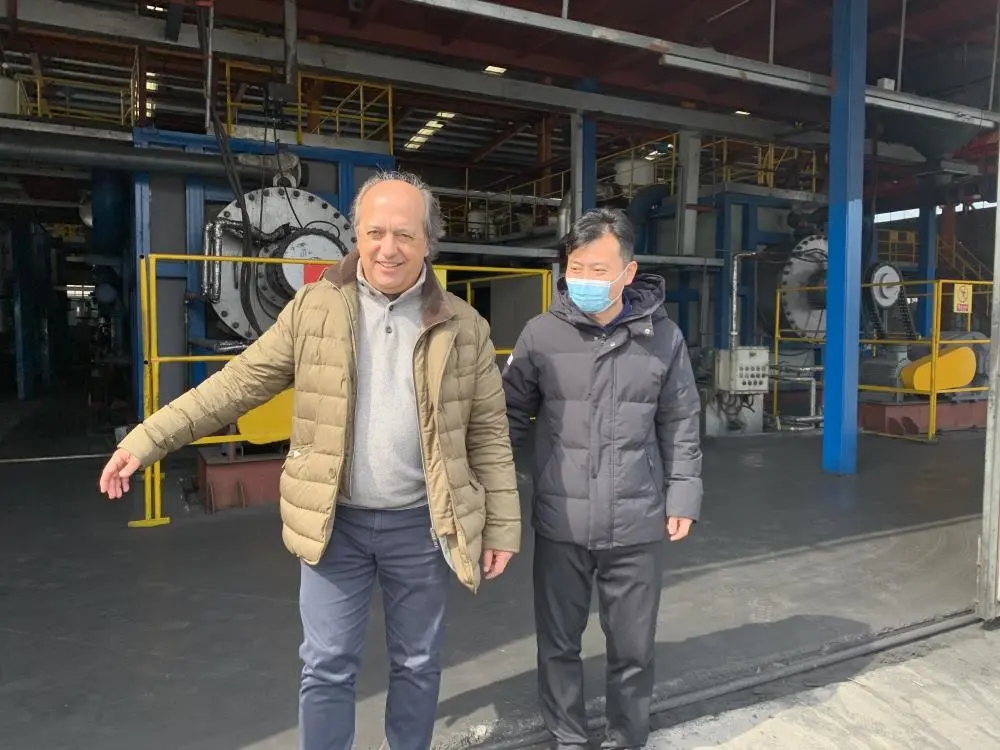
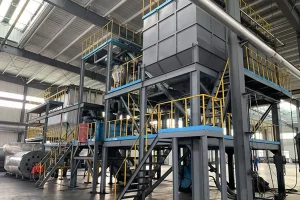
High-pressure mechanical screw locks allow automated, non-stop material feeding, preventing oxygen intake and maintaining internal system pressure.
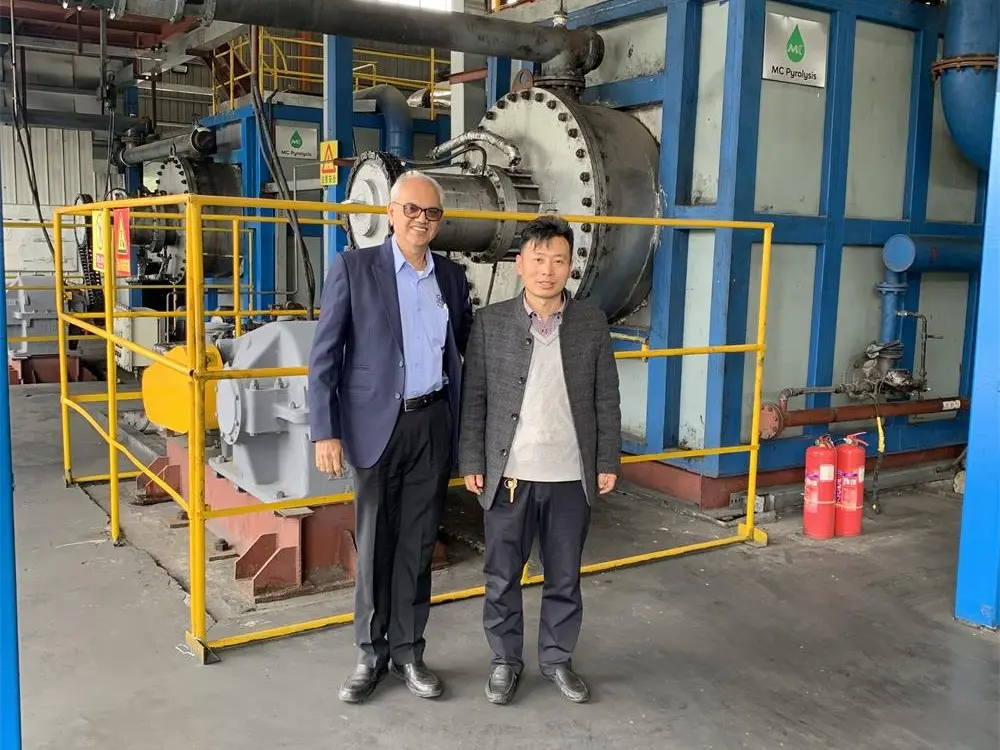
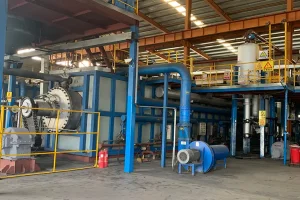
Advanced vertical and horizontal tube condenser structures cool oil gases in stages, separating different fractions for maximum liquid yields.
An inside look at our pyrolysis engineering processes and design specifications.
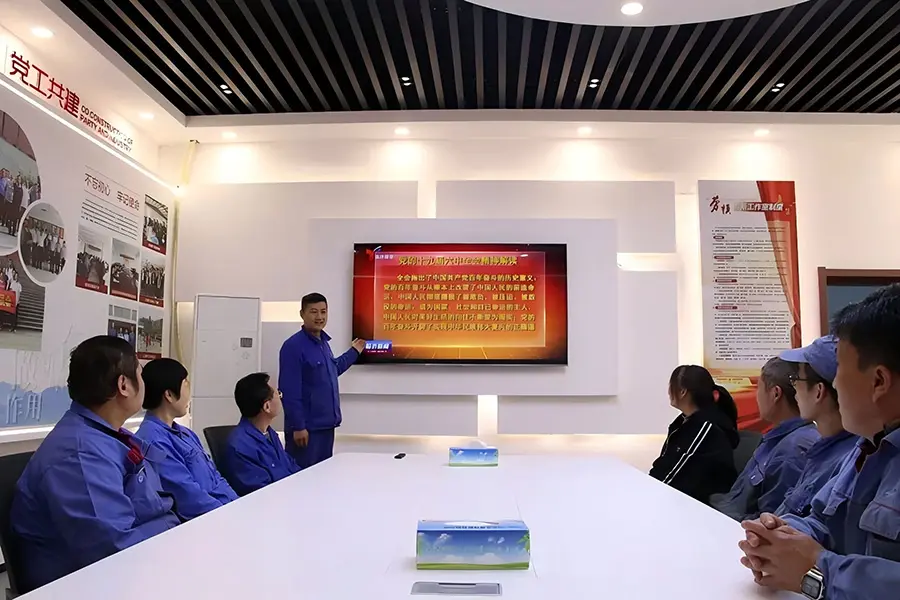
Industrial pyrolysis requires precise thermal control. Our reactors operate at temperatures between 380°C and 450°C to perform thermal cracking, preventing excessive carbonization while vaporizing heavy hydrocarbons.
Standard reactors often suffer from local overheating, leading to micro-fissures and material fatigue. Huayuan Tech resolves this with a dual-drive rotary system and indirect heating designs. By rotating the inner cylinder continuously, materials roll and distribute evenly across the heated walls, optimizing heat exchange and preventing local hot spots.
Additionally, our systems redirect non-condensable syngas (comprising methane, ethane, propane, and butane) through a dual-manifold gas scrubbing system. The scrubbed gases return to the combustion chamber as fuel, significantly lowering external energy consumption and reducing long-term operating costs.
Expert insights addressing key regulatory, operational, and financial aspects of industrial pyrolysis systems.
We install multi-stage flue gas cleaning towers that use desulfurization, denitrifaction, and dust scrubbing technologies. These systems cool and scrub emissions, keeping exhaust parameters below strict European Industrial Emissions Directive (IED) and US EPA requirements.
Polyethylene (PE), Polypropylene (PP), and Polystyrene (PS) are ideal inputs, yielding high volumes of liquid oil. While Polyvinyl Chloride (PVC) and Polyethylene Terephthalate (PET) can be processed, they require specialized acid extraction and dechlorination units to manage chlorine and oxygen content.
Batch plants process one load at a time, requiring cool-down periods to discharge carbon black. Continuous plants utilize pressurized feeding screws and airtight rotary valves, operating 24/7. This continuous system increases throughput and saves energy by eliminating heating and cooling cycles.
ASME certification verifies that our reactors and steam boilers conform to strict high-pressure safety standards. This simplifies regulatory approvals, lowers commercial insurance costs, and ensures long-term operational safety under extreme temperatures.
Yes. However, because rubber and various plastics have different thermal cracking rates, we recommend blending feeds according to specific ratios to maintain stable oil-gas yield rates and consistent carbon black quality.
Typically, tire pyrolysis yields approximately 40% to 45% liquid fuel oil, 30% to 35% recovered carbon black, 12% to 15% high-tensile steel wire, and 8% to 10% combustible syngas, which is redirected to heat the reactor.
Select your equipment configuration from our range of pressure vessels, boilers, and continuous pyrolysis machinery.
 Huayuan