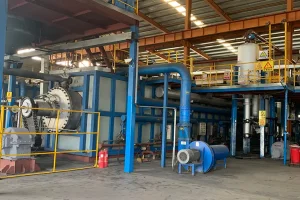
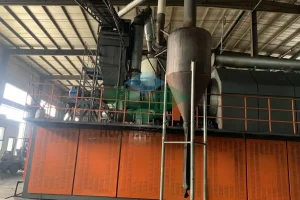
Engineered to Class-A ASME standards for continuous depolymerization, waste heat integration, and high-purity oil refining.
Established in 1968, Huayuan Tech leads global engineering in thermal depolymerization, waste pressure vessel manufacturing, and industrial-scale recycling equipment.
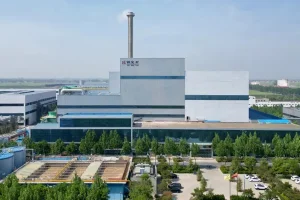
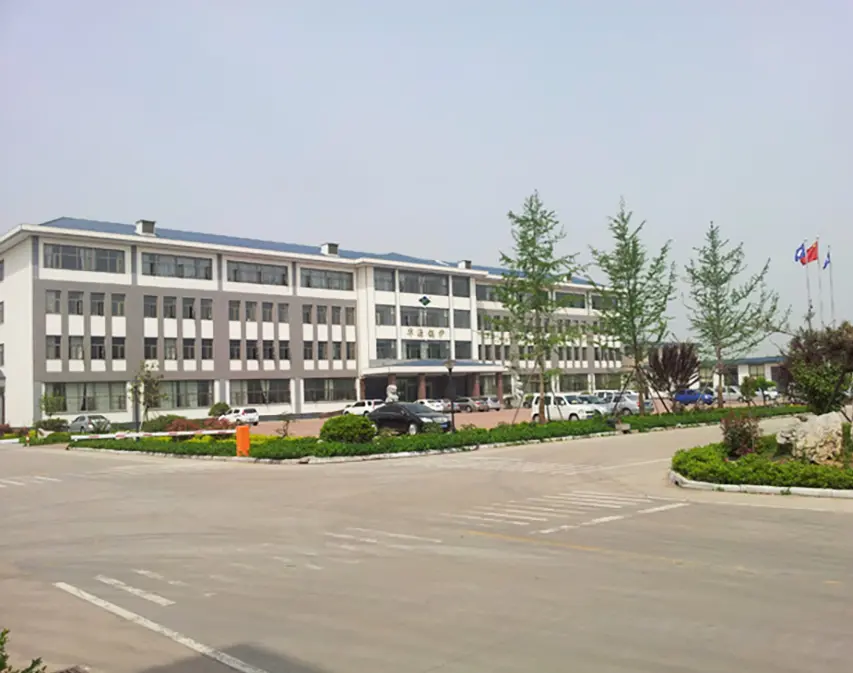
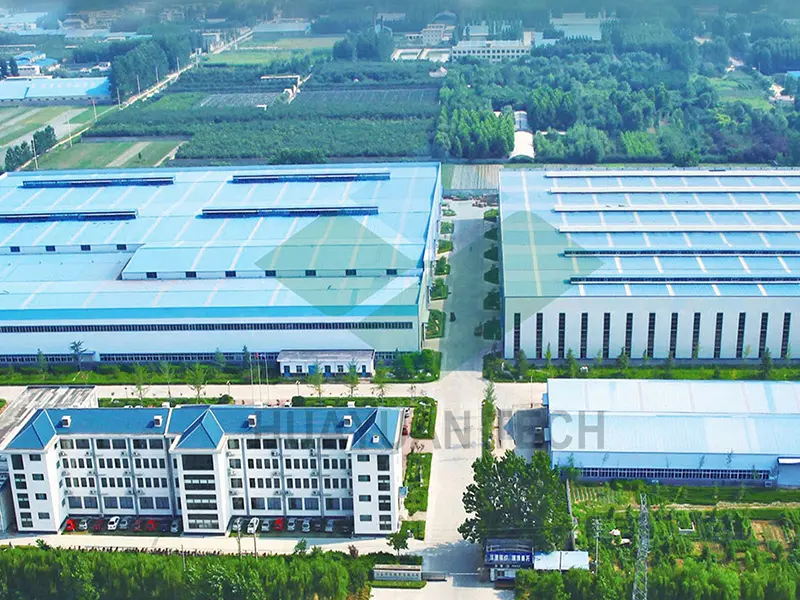
Founded in 1968, Huayuan Tech has matured from a specialized boiler component engineering facility into a global powerhouse for waste-to-energy conversion systems and continuous plastic waste machinery manufacturing. Spanning an extensive operational footprint of 209,335 square meters with over 98,680 square meters of heavy-duty fabrication plant space, the company houses more than 500 elite personnel. Engineering and high-tier technical specialists constitute 34% of our workforce, ensuring rigorous compliance with international pressure vessel and thermal recycling dynamics.
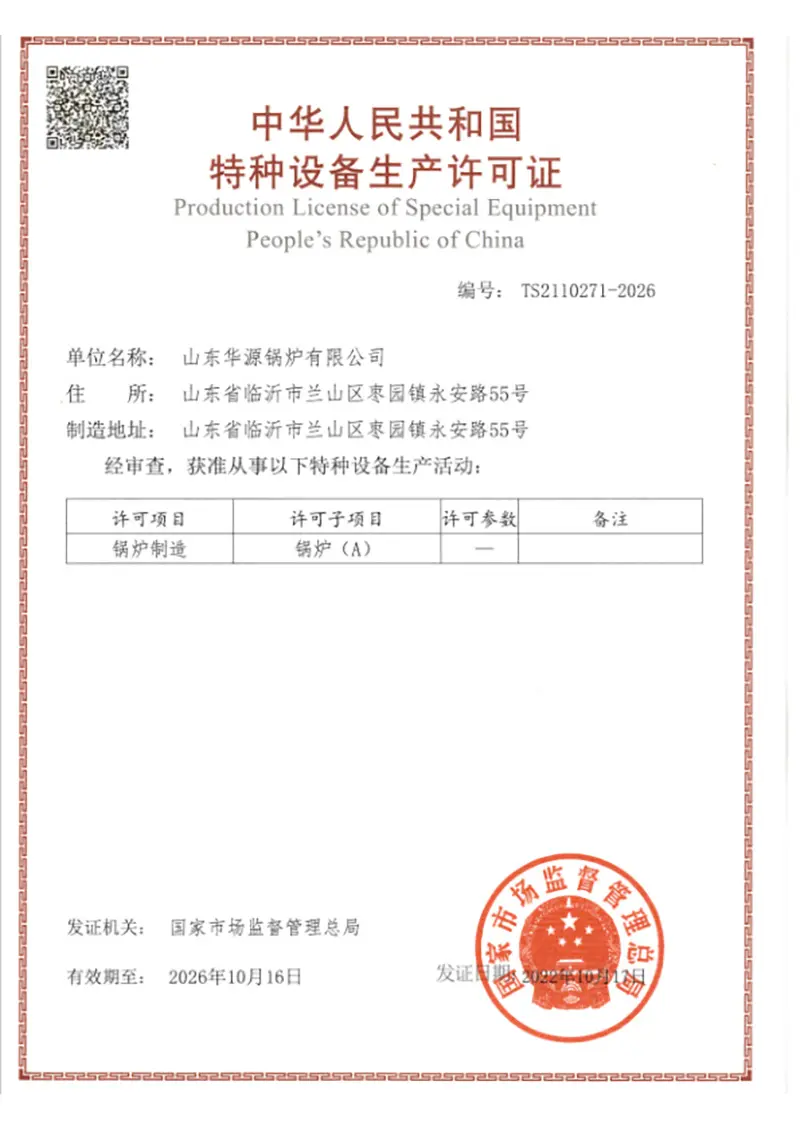
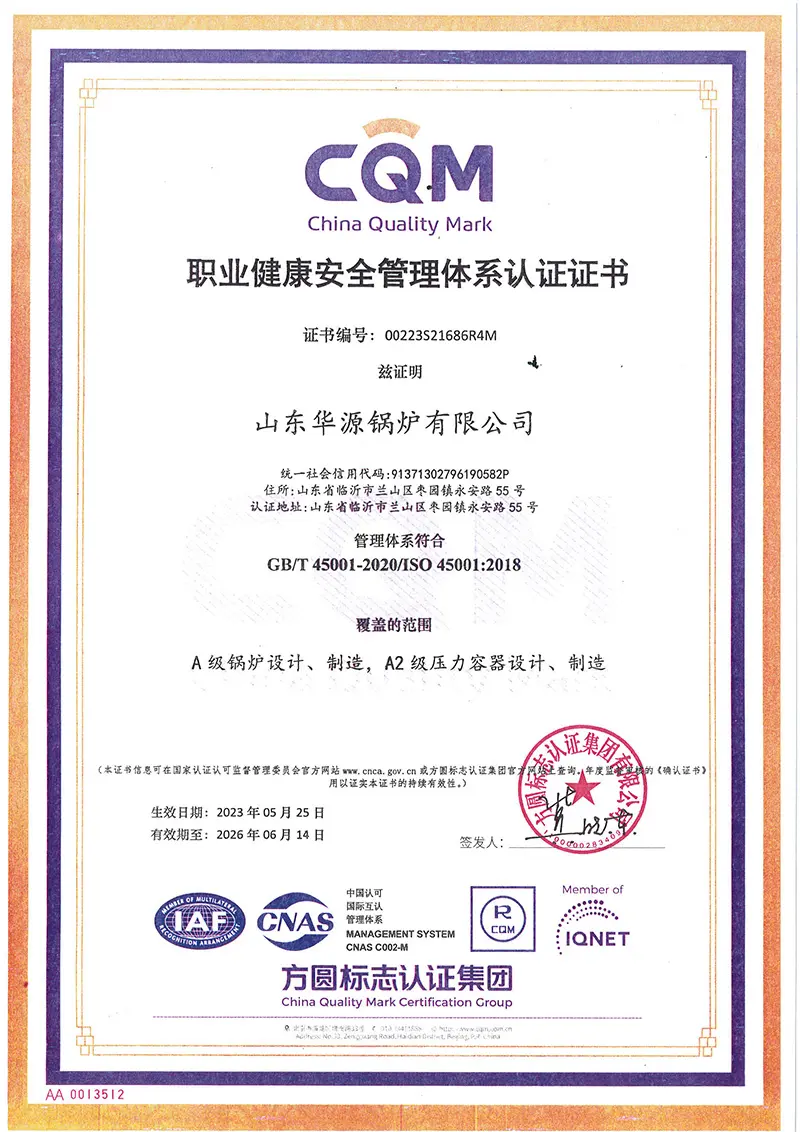
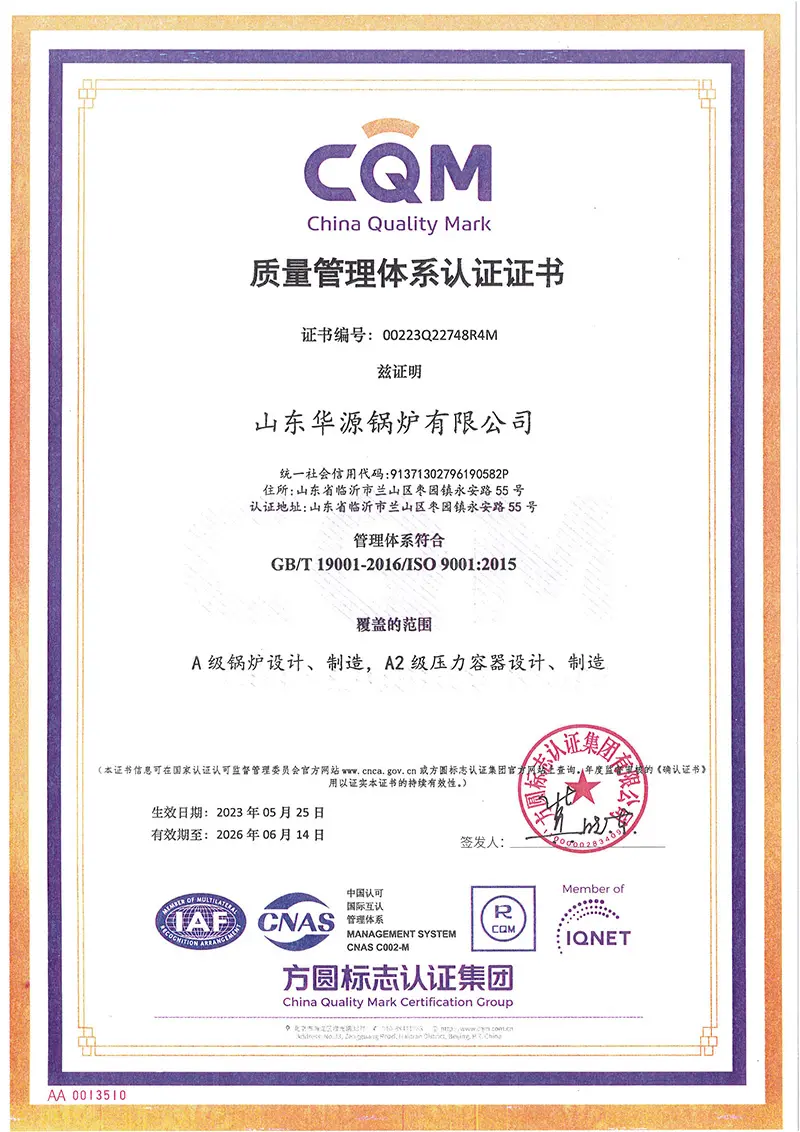
Our facility holds full Class-A boiler manufacturing permits, A2-class pressure vessel production certifications, and D1/D2 design certificates, supplemented by global standard certifications including ISO9001, ISO14001, OHSAS18001, and the prestigious United States ASME Stamp.
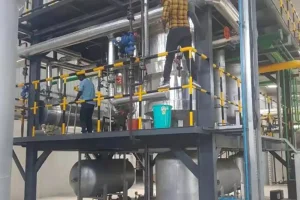
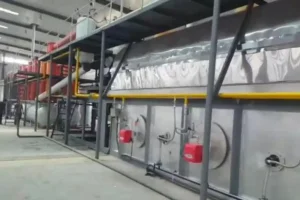
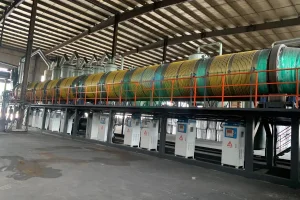
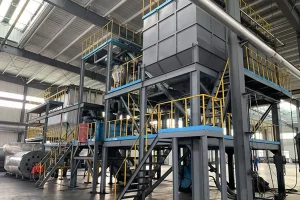
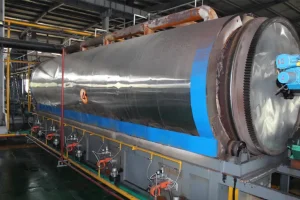
Real-time automated feeding, non-condensable gas scrubbing, and thermal depolymerization processing inside our state-of-the-art testing facility.
Understanding the physics of continuous thermal cracking, catalysis, and hydrocarbon separation in modern plastic waste machines.
Plastic waste machines process diverse polymers—including Polypropylene (PP), Polyethylene (PE), and Polystyrene (PS). Polyolefins undergo continuous thermal depolymerization within oxygen-free reactors at temperatures ranging between 380°C and 450°C. Long polymer hydrocarbon chains break into short-chain alkanes and alkenes, yielding synthetic crude oil identical in thermal profile to heavy diesel and Naphtha precursors.
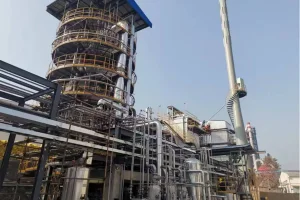
Unlike legacy batch pyrolysis kettles, modern continuous screw pyrolysis systems utilize indirect electric or thermal gas heating with automatic sealed feeding screws. This ensures zero oxygen ingress, continuous slag discharge, 24/7 uninterrupted uptime, and a 40% improvement in thermal efficiency. Gas-phase catalysts within the distillation tower eliminate heavy wax buildup, preventing pipe occlusion.
Pyrolysis vapor enters multi-stage tubular condensers. Heavy oil fractions settle in primary scrubbers, while light hydrocarbons condense into refined pyrolysis fuel oil. Non-condensable syngas (C1–C4) is diverted to an eco-scrubber, cleaned of H2S and chlorine, and recirculated back into the furnace burners to achieve self-sustaining combustion with minimal external fuel requirement.
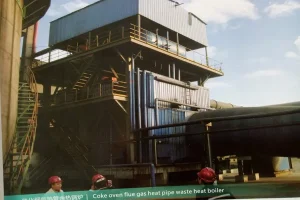
In high-capacity plastic waste factories, thermal efficiency dictates financial feasibility. Huayuan Tech's proprietary integration connects high-temperature exhaust flues directly to Class-A Waste Heat Boiler (WHB) recovery modules. Superheated steam generated from exhaust heat is channeled to drive steam turbine generators or industrial heating loops. This closed-loop thermal architecture boosts overall plant thermodynamic efficiency to over 88.4%, setting an industry benchmark for industrial decarbonization.
Why leading global EPC contractors and industrial recyclers source high-end plastic waste machinery from certified Chinese manufacturing bases.
China's heavy machinery ecosystem offers unmatched advantages in raw material sourcing (such as Q345R and 16MnDR pressure vessel grade steel), precision CNC machining, and specialized welding robotics. By leveraging localized raw material supply chains and full-cycle vertical integration, Huayuan Tech reduces CAPEX costs by 35% to 50% compared to European or North American machinery fabricators, without compromising structural integrity or thermal safety standards.
Our 98,680 m² plant is equipped with automated submerged arc welding (SAW) units, 100% X-ray non-destructive flaw detection chambers, and hydraulic heat treatment furnaces. This enables continuous production of heavy-wall reactors designed to withstand high pressure and thermal cycling stress over 15-year operational lifespans.
Every plastic waste machine and pressure vessel undergoes 100% hydrostatic testing, ultra-sonic thickness gauge checks, and helium leak detection prior to export. ASME U-Stamp and CE marking guarantee frictionless customs import into US and European jurisdictions.
To reduce field assembly timelines by up to 60%, our continuous screw and rotary kiln pyrolysis machines are manufactured in modular, skid-mounted containers. Pre-wired and pre-piped assemblies are plug-and-play ready upon delivery.
While structural steel and reactors are fabricated in-house, critical automation components feature global brands: Schneider electrics, Siemens PLCs, ABB variable frequency drives, and Yokogawa temperature sensors for reliable performance.
Meeting strict EU Waste Framework Directives, US EPA Title 40 CFR Part 60 standards, and regional environmental mandates.
Pyrolysis of mixed plastic waste—especially contamination with PVC or flame retardants—can generate Acidic Hydrochloric gas (HCl), SO2, and trace Dioxins. Huayuan Tech plastic waste machines feature integrated multi-tier flue gas cleaning systems:
Navigating municipal permit approvals requires robust technical engineering data. Huayuan Tech provides global clients with tailored engineering documentation packages, including P&ID drawings, civil foundation layouts, dispersion modeling inputs, and HAZOP safety studies.
Our localized support network deploys field installation engineers across North America, Europe, Southeast Asia, and the Middle East for commissioning, operator training, and annual maintenance audits. We maintain localized spare parts hubs in key regions to guarantee under 48-hour response times for critical seals, valves, and heating elements.
Tracing Huayuan Tech's journey from regional boiler manufacturer to international leader in thermal recycling innovation.
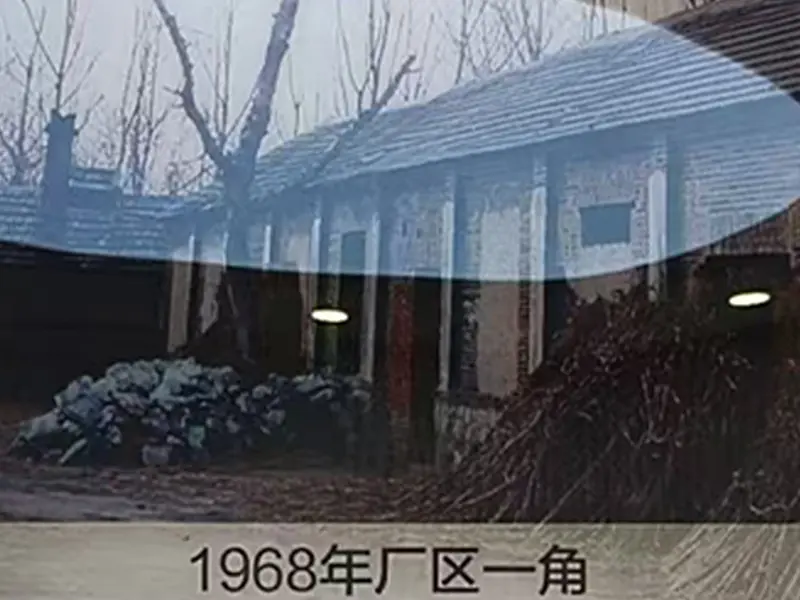
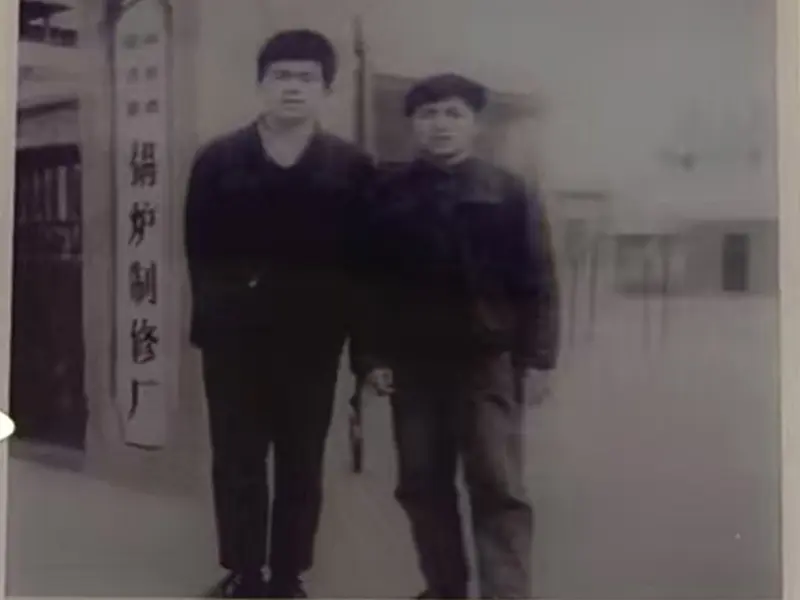
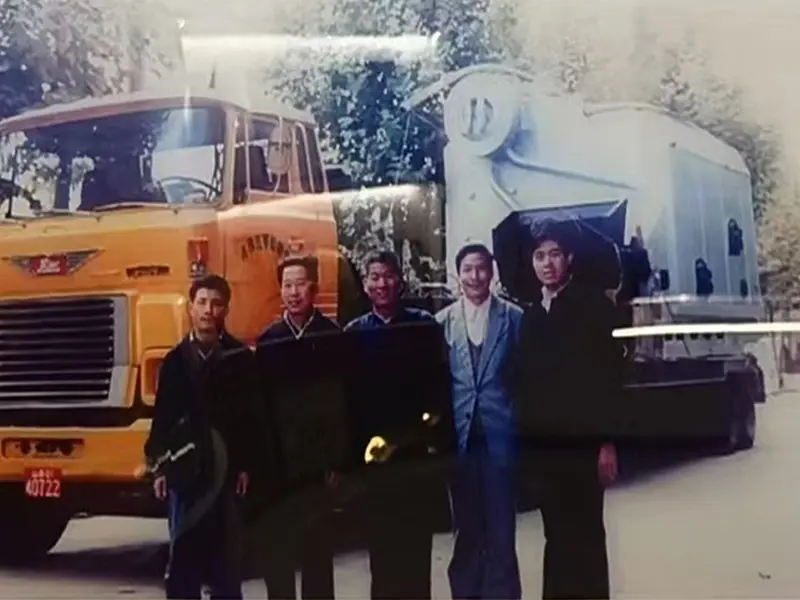
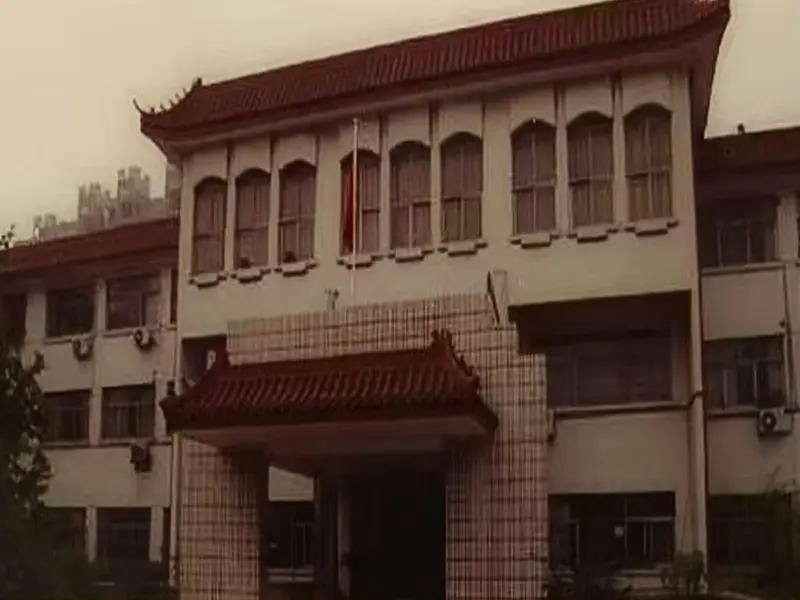
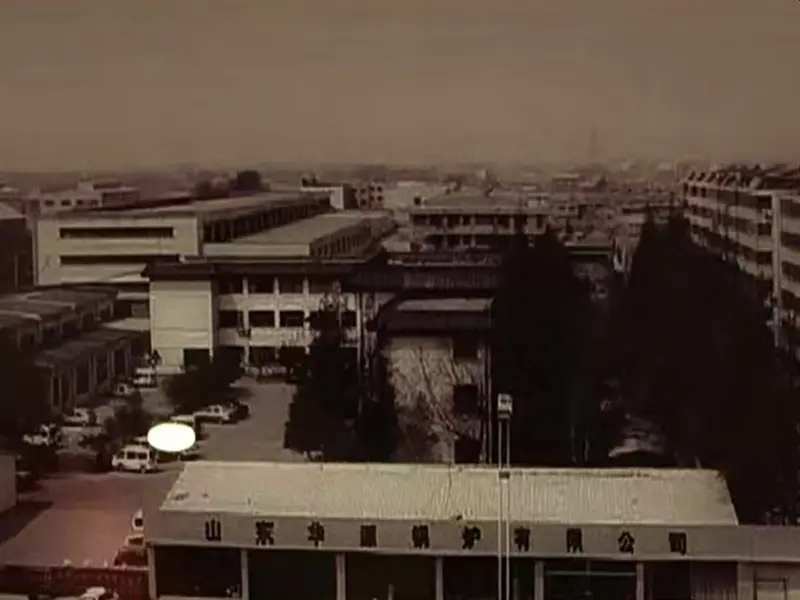
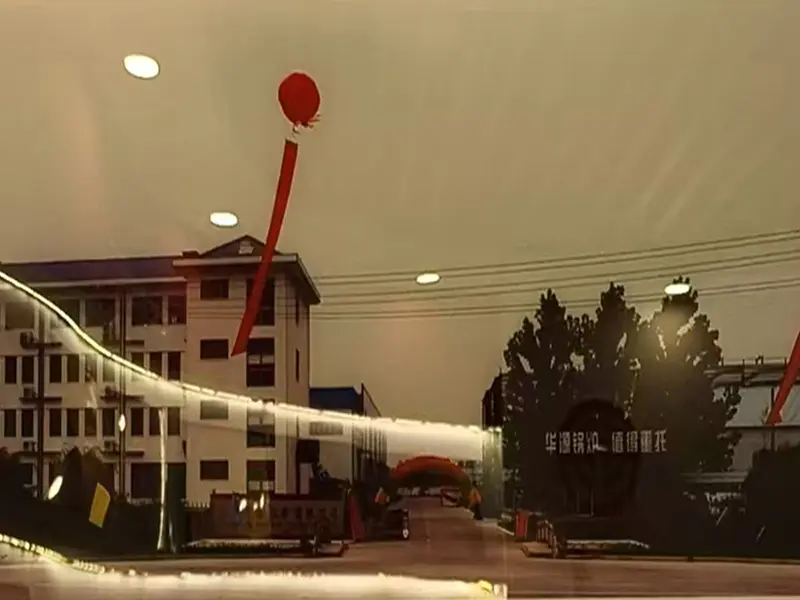
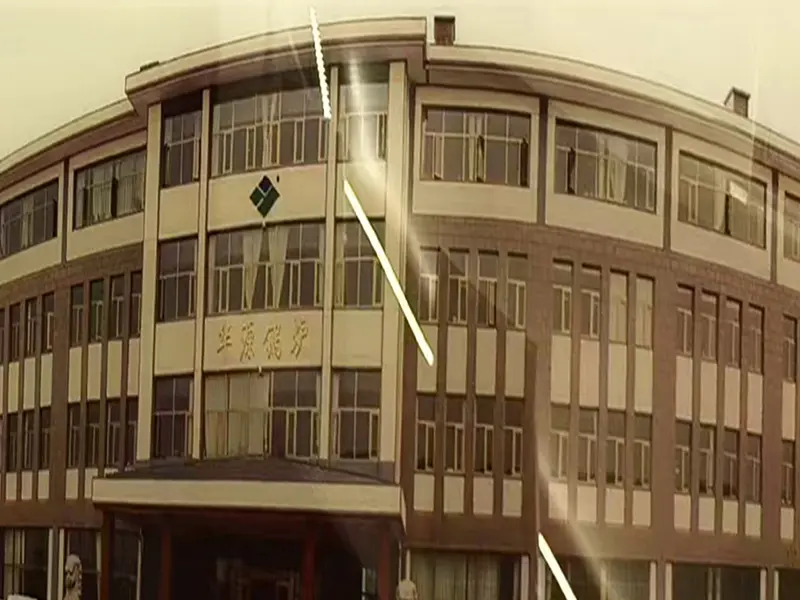
International quality systems validating engineering integrity, pressure vessel safety, and environmental safety.
ISO9001 Quality System
ISO14001 Environment
US ASME Stamp Certificate
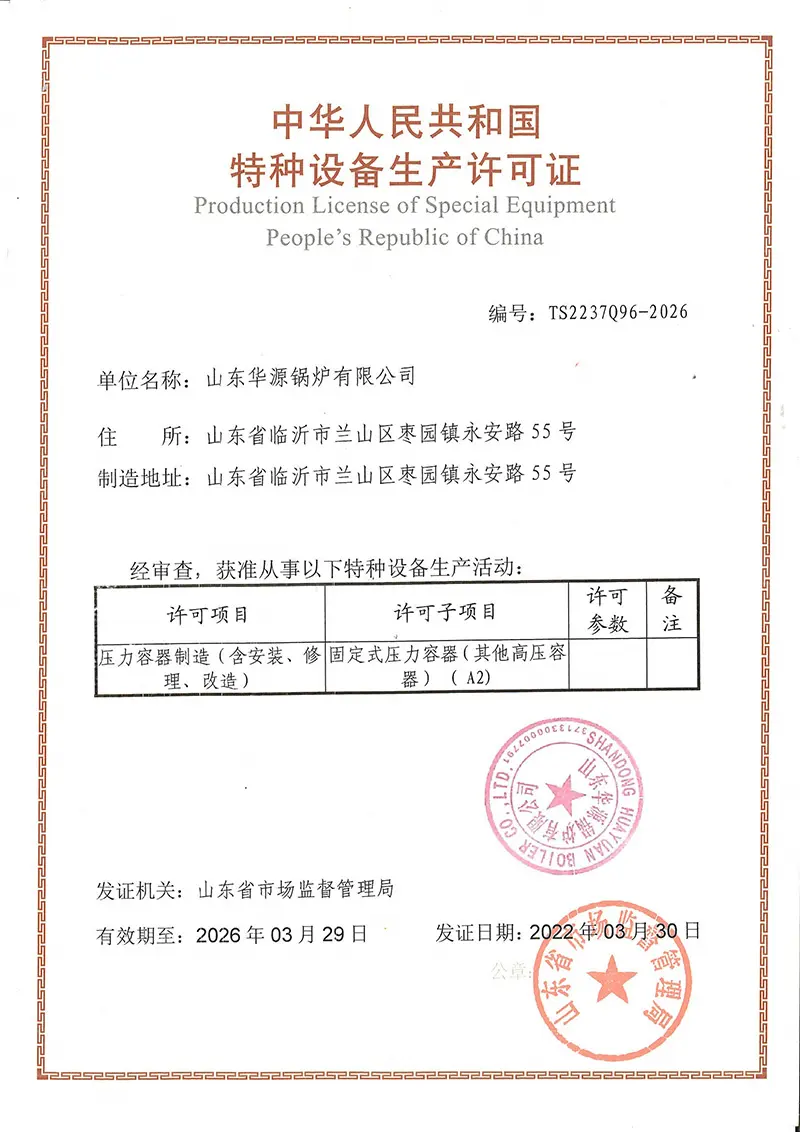
National Class-A Boiler
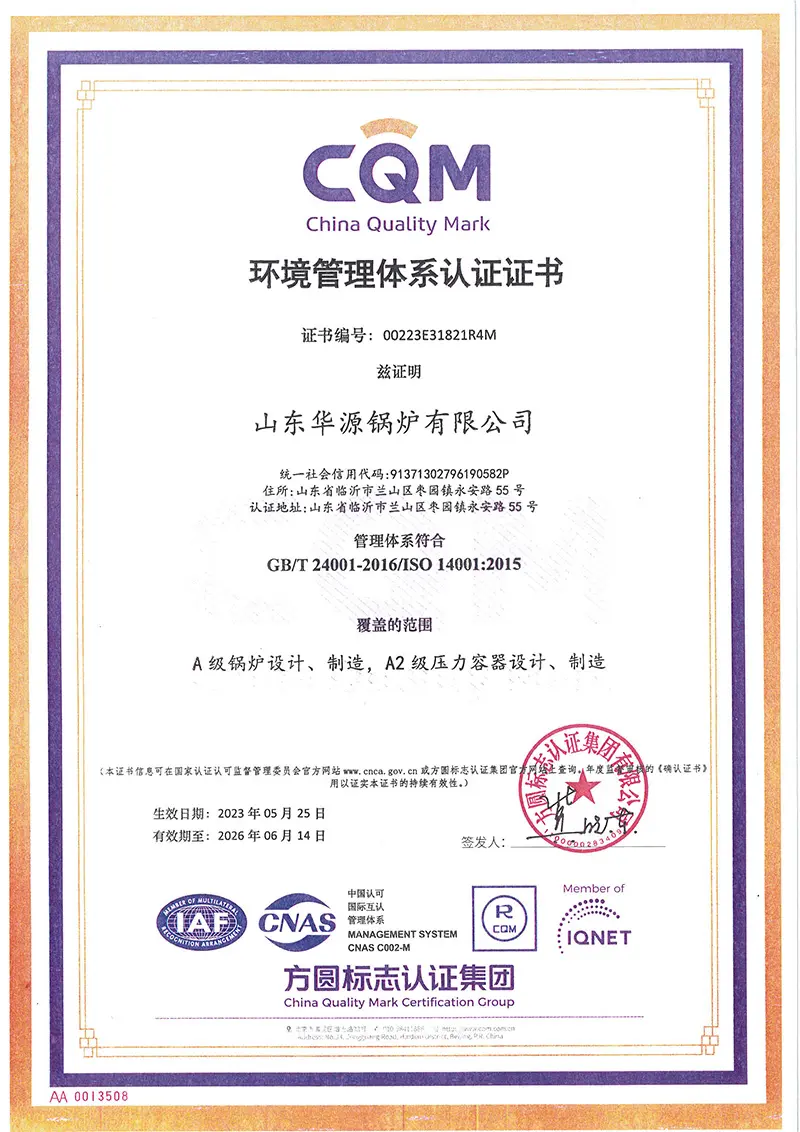
A2 Pressure Vessel License
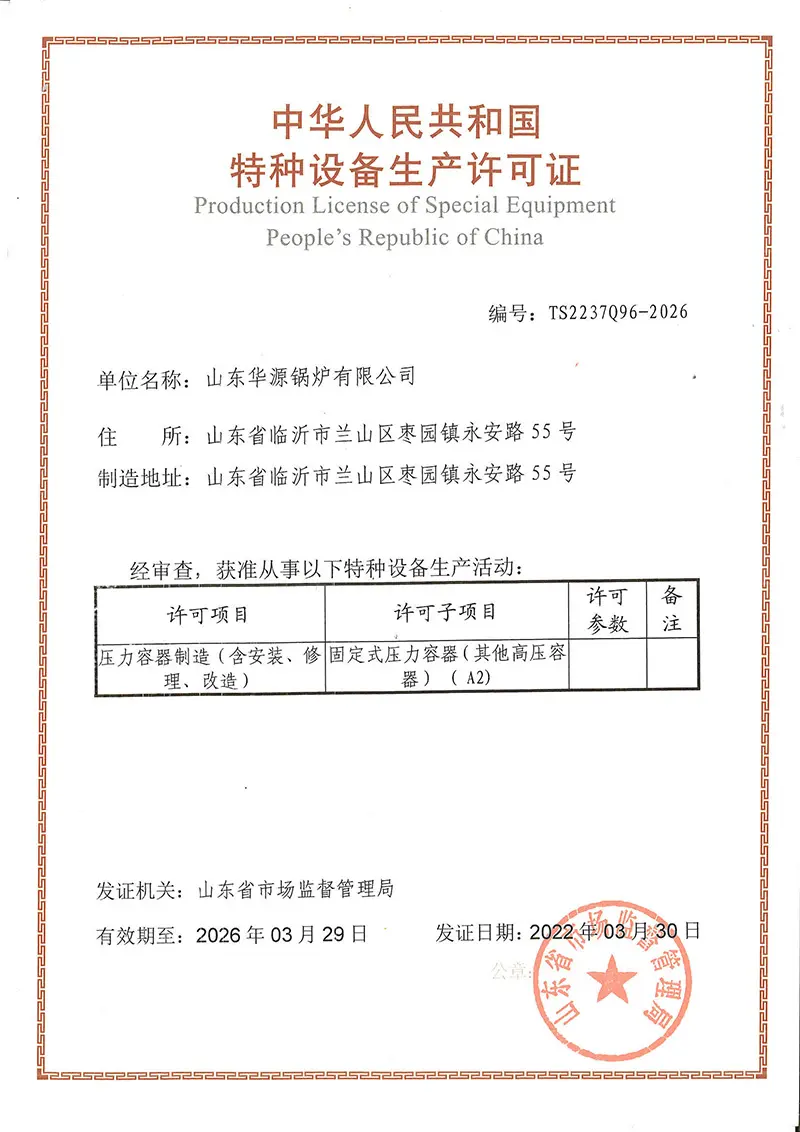
CE Compliance Certificate
Deploying specialized thermal conversion equipment across municipal solid waste plants, industrial plastic recycling hubs, and refinery oil upgrade lines.
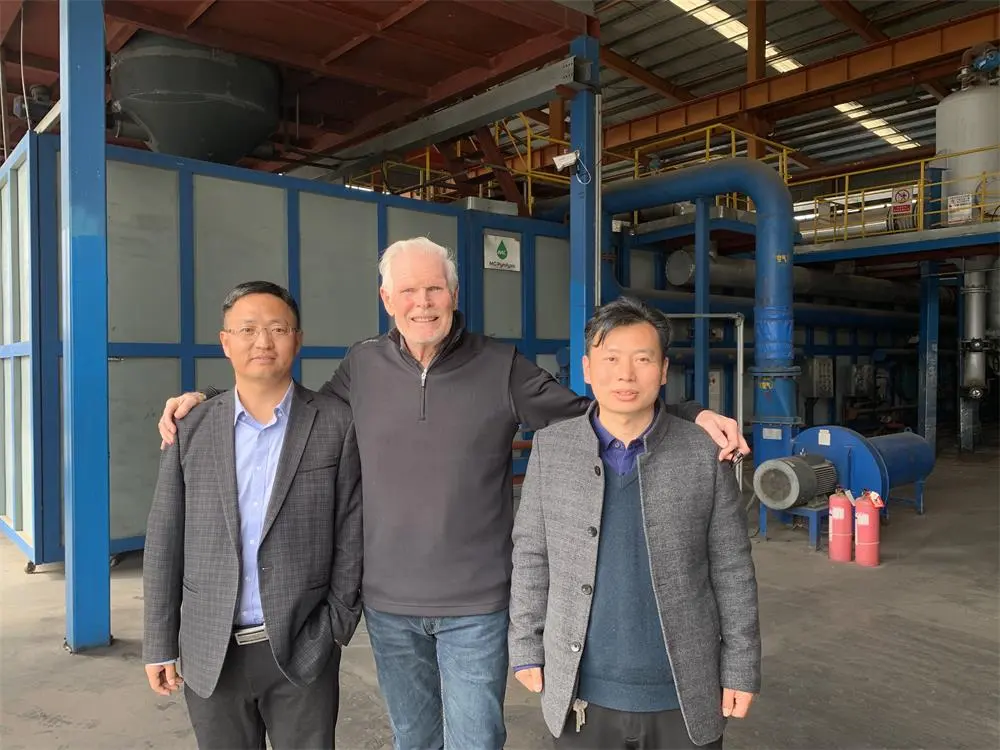
Converting mixed PE/PP waste into high-grade chemical Naphtha for virgin-grade polymer synthesis.
Co-processing unsorted municipal plastic fractions to generate steam power and heavy industrial fuel oil.
Continuous depolymerization of tire scrap into heavy fuel oil, steel wire, and high-purity recovered carbon black.
Upgrading crude pyrolysis oil through catalytic fractional distillation to produce commercial diesel and light fuel substitutes.
Remediating refinery oily sludge and chemical waste residues to recover organic hydrocarbons under strict safety containment.
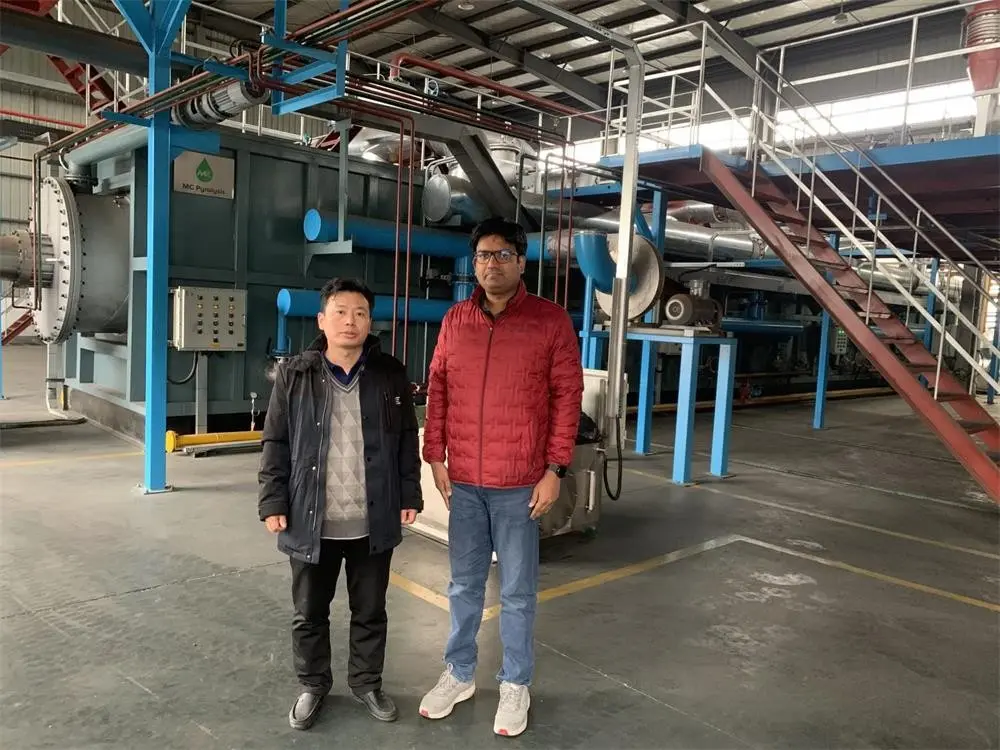
Grinding and pelletizing raw pyrolysis carbon black into N330/N550 grade reinforcement agents for rubber manufacturing.
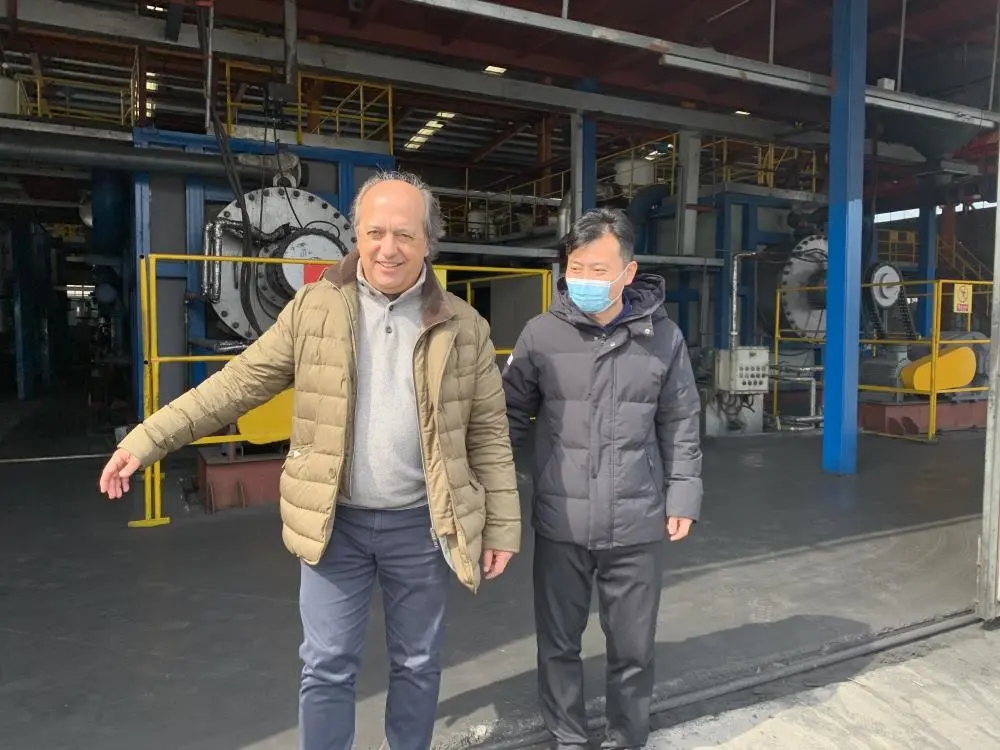
Processing low-density polyolefin films containing high soil impurities into clean industrial heating fuel.
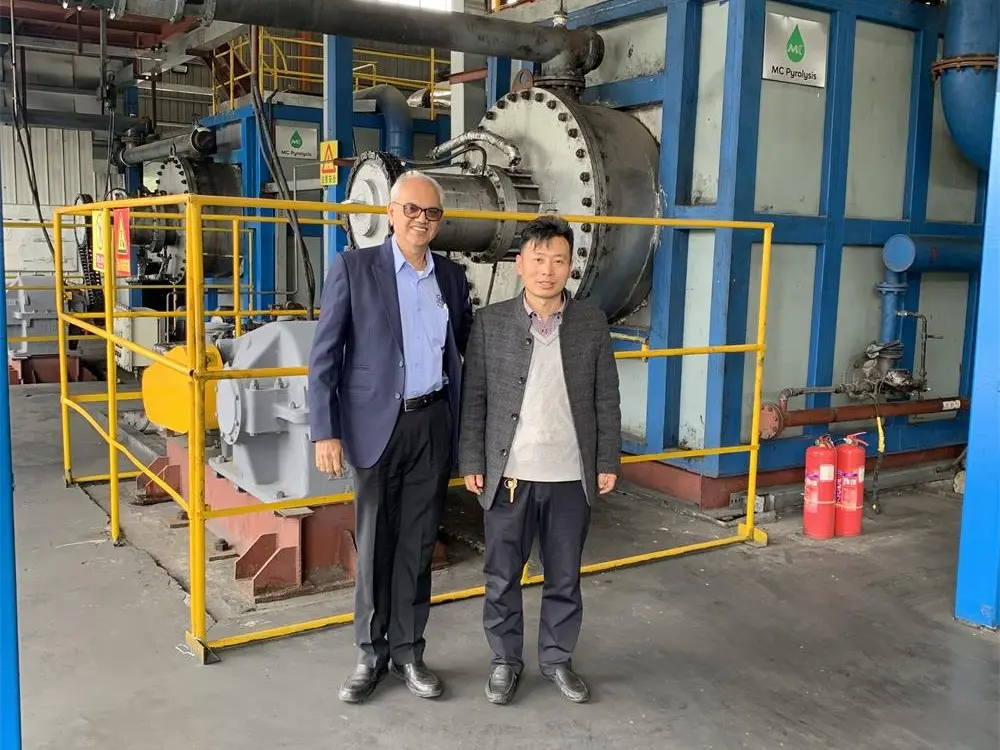
Directing non-condensable syngas to gas turbine generator sets for decentralized electricity generation in remote facilities.
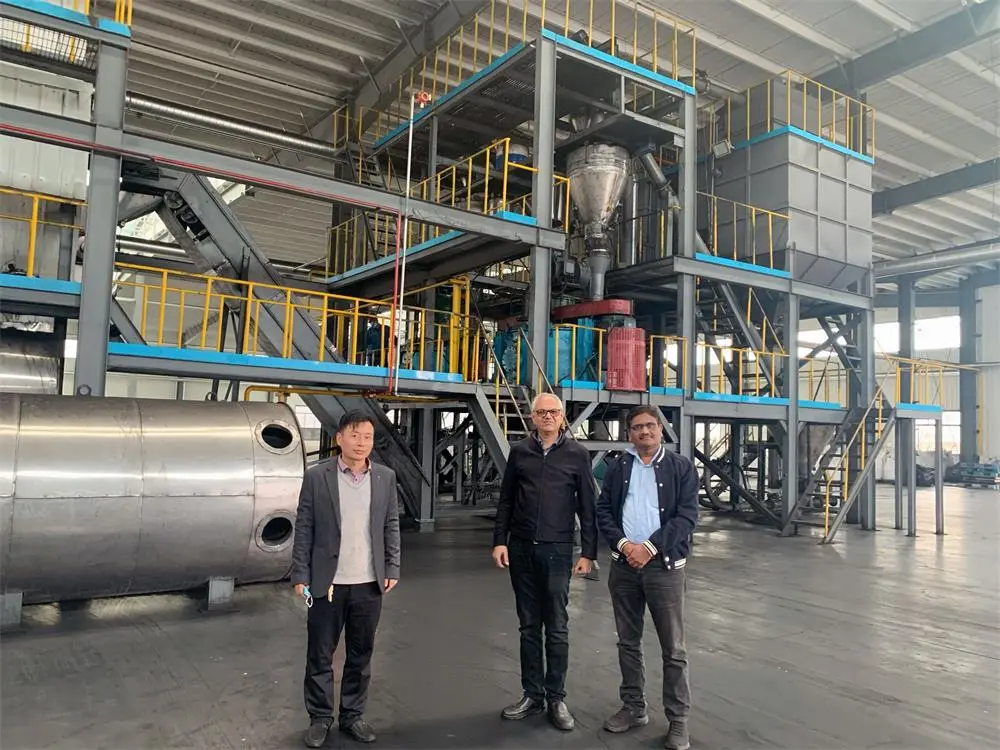
Integrating exhaust waste heat boilers with chemical plant steam grids to lower overall facility carbon footprint.
In-depth expert engineering answers to assist project directors, EPC engineers, and plant procurement managers.
Oil yield is direct dependent on the chemical structure of input polymers. Pure Polypropylene (PP), Polyethylene (PE), and Polystyrene (PS) deliver the highest liquid oil yields ranging between 80% and 95% by weight. Mixed rigid plastics (containing non-chlorinated polymers) typically achieve 65% to 75% yield. PET (Polyethylene Terephthalate) and PVC (Polyvinyl Chloride) are not recommended for direct pyrolysis without pretreatment; PET yields oxygenated acids and low liquid fractions, while PVC releases corrosive Hydrochloric acid (HCl) gas. Huayuan Tech offers pre-treatment extrusion degasification units to handle trace PVC content up to 2% safely.
Batch pyrolysis units require complete thermal cycling for every operational run: loading solid feed, heating the reactor, cracking, cooling the heavy kettle down to ambient temperature to clear dry carbon slag, and repeating. This process limits capacity to 5–10 tons per day with high fuel consumption. In contrast, Huayuan Tech Continuous Screw Pyrolysis Plants feature airtight feeding locks and water-cooled continuous slag discharge screws. This setup enables 24/7 uninterrupted operation for 30–60 consecutive days per maintenance cycle, increasing throughput to 30–100+ tons per day per line while lowering fuel energy consumption per ton by over 40%.
High-density polyethylene (HDPE) depolymerization inherently forms long-chain paraffin wax compounds that solidify at temperatures below 120°C. Huayuan Tech solves this via a two-step mechanism: First, an inline catalytic fixed-bed reactor tower breaks long-chain wax molecules into short-chain gas fractions before vapor reaches the condenser. Second, our condenser features high-velocity scrubbers and automatic hot-oil washing loops that continuously clear internal heat transfer tubes, ensuring zero wax occlusion throughout continuous production cycles.
To achieve compliance with EU Directive 2010/75/EU (or US EPA standards), the plant integrates a four-stage flue gas treatment sequence: (1) Selective Non-Catalytic Reduction (SNCR) inside the furnace to reduce thermal NOx; (2) Semi-Dry Venturi Scrubbing with Ca(OH)2 injection to neutralize acid gas (HCl, SO2); (3) Activated Carbon Injection to capture volatile dioxins and heavy metals; and (4) a high-efficiency Pulse-Jet Baghouse to capture fine particulates below 5 mg/Nm³. Real-time Continuous Emission Monitoring Systems (CEMS) measure output streams to confirm continuous compliance.
Unrefined plastic pyrolysis oil is a light-to-medium hydrocarbon mixture with a density of 0.82–0.86 g/cm³, a flash point between 30°C and 45°C, and a high calorific heating value of 42 to 44 MJ/kg (approx. 10,200 to 10,500 kcal/kg). It can be directly burned in industrial boilers, heavy marine engines, or asphalt mixing plants. When processed through our secondary Fractional Hydrotreating Distillation Plant, it yields water-white synthetic diesel and light Naphtha fractions suitable for virgin plastic resin feedstock.
Safety engineering is integral to Huayuan Tech's ASME certified designs. Systems incorporate multi-stage safety layers: (1) Nitrogen purge systems to evacuate oxygen prior to heating; (2) Dual hydro-seal flame arrestors on all non-condensable syngas lines; (3) Explosion-proof pressure relief valves linked to a flare stack; (4) Positive micro-pressure maintenance to prevent air infiltration; and (5) SIL-2 rated Siemens PLC safety instrumented systems that trigger automatic emergency shutoffs in the event of temperature or pressure deviations.
For batch plants, manual or shredded plastic blocks up to 15cm can be loaded. For Continuous Screw Pyrolysis Systems, feedstock must be shredded into uniform flakes or pellets (size < 20mm) with a moisture content of < 5%. High moisture consumes excessive thermal energy during vaporization. Huayuan Tech supplies integrated industrial shredders, magnetic metal separators, and rotary drum dryers to prepare raw municipal or industrial waste for continuous feeding.
Our reactor drums are fabricated from specialized high-temperature, corrosion-resistant boiler steel plate (Q345R or 16MnDR, with optional 310S stainless steel cladding for high-corrosion applications). Under standard operating parameters (380°C–420°C) and regular non-destructive testing (NDT) maintenance inspections every 12 months, the operational lifespan of the main reactor body ranges between 8 and 12 years. Screw conveyers, mechanical seals, and burner nozzles feature modular designs for rapid onsite replacement.
Direct factory engineering solutions customized to your regional environmental standard and throughput requirement.
 Huayuan