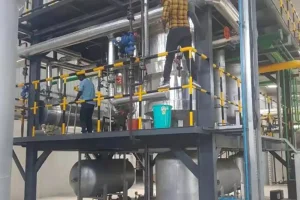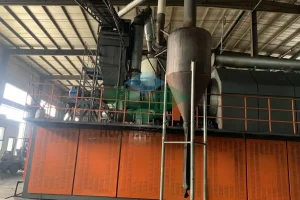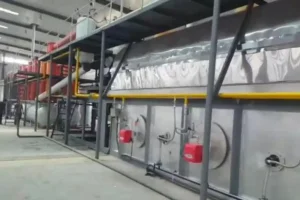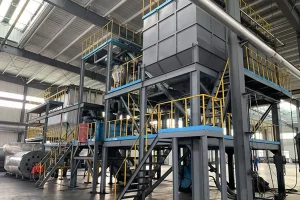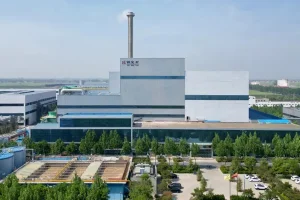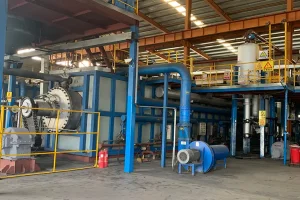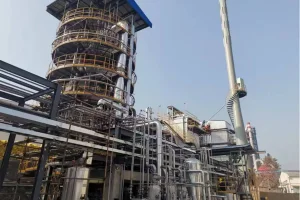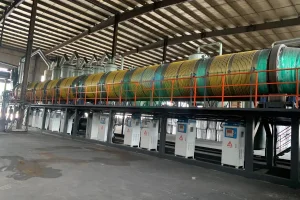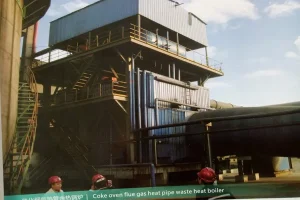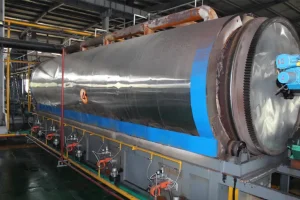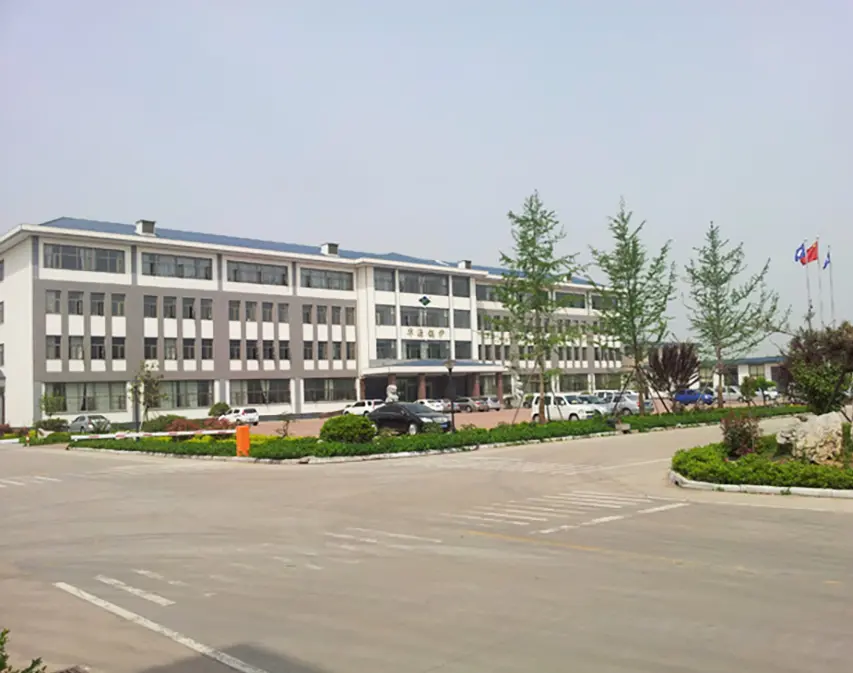
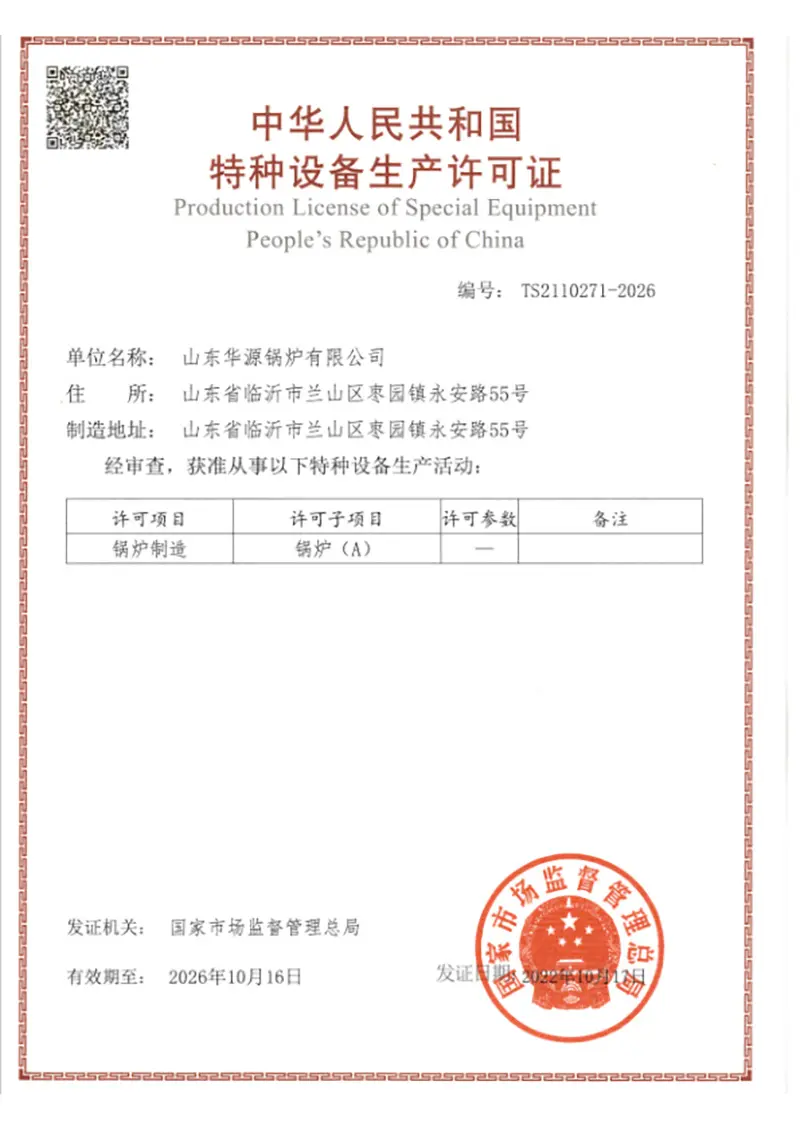
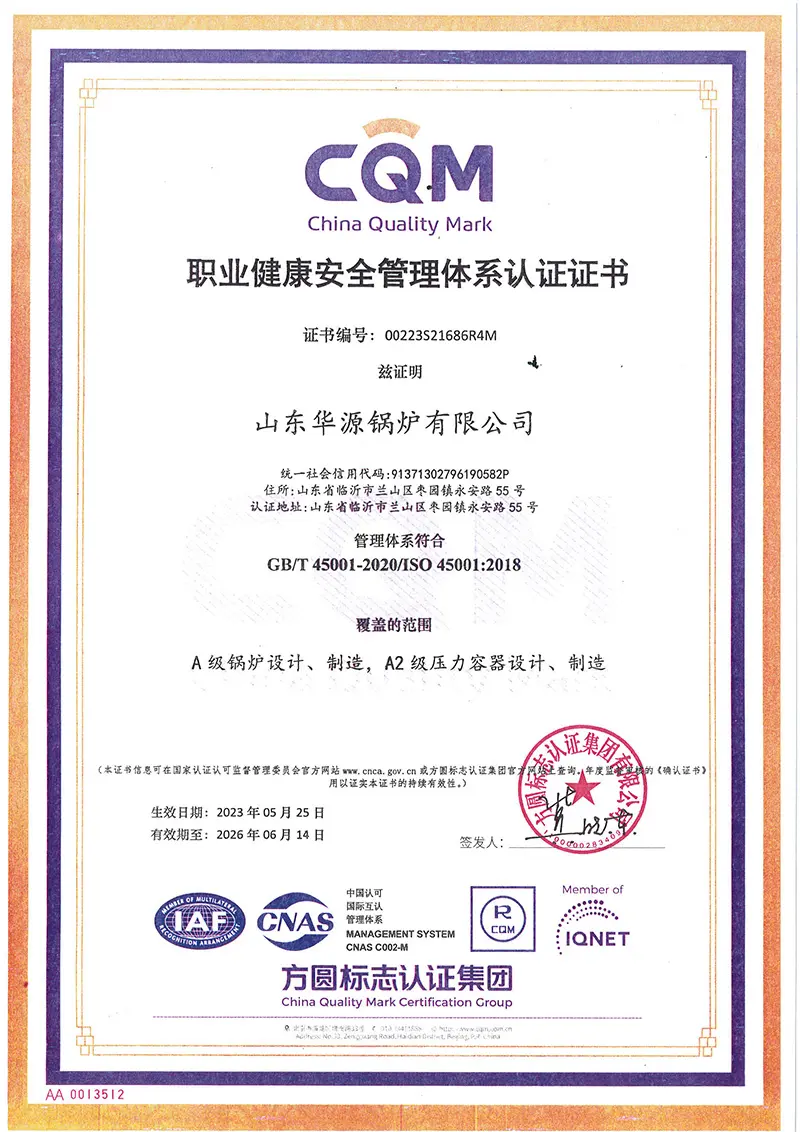
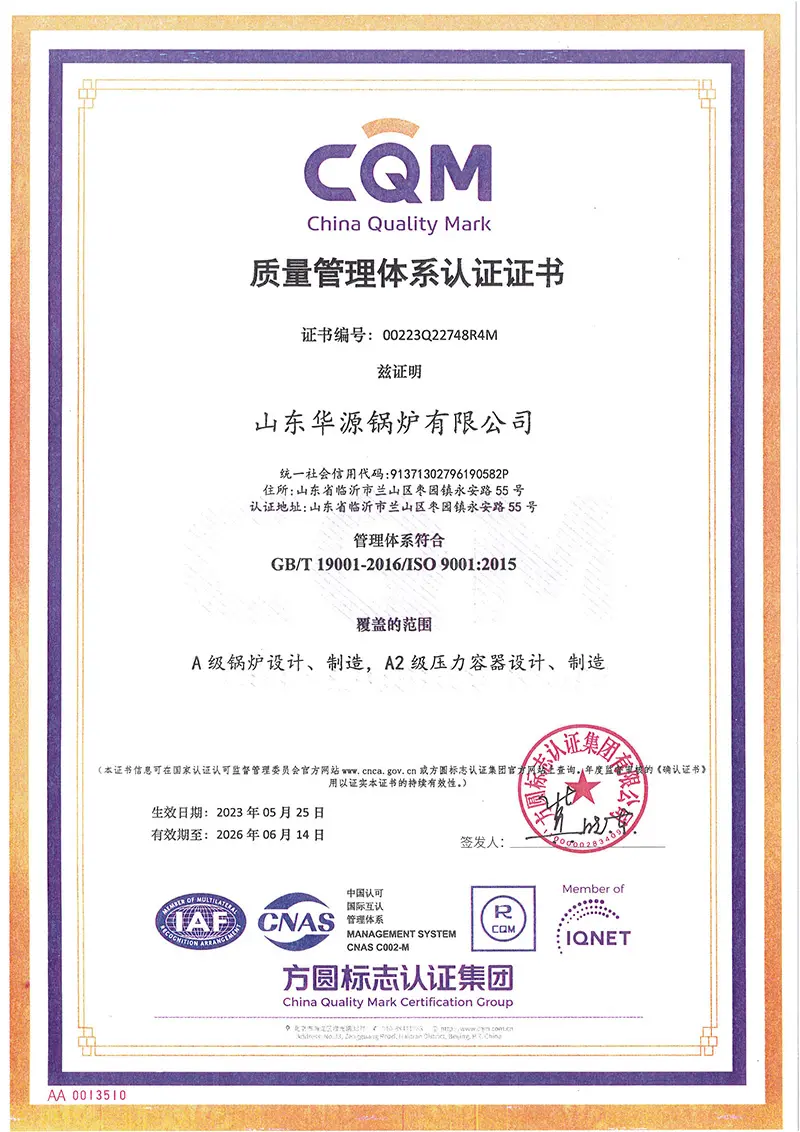
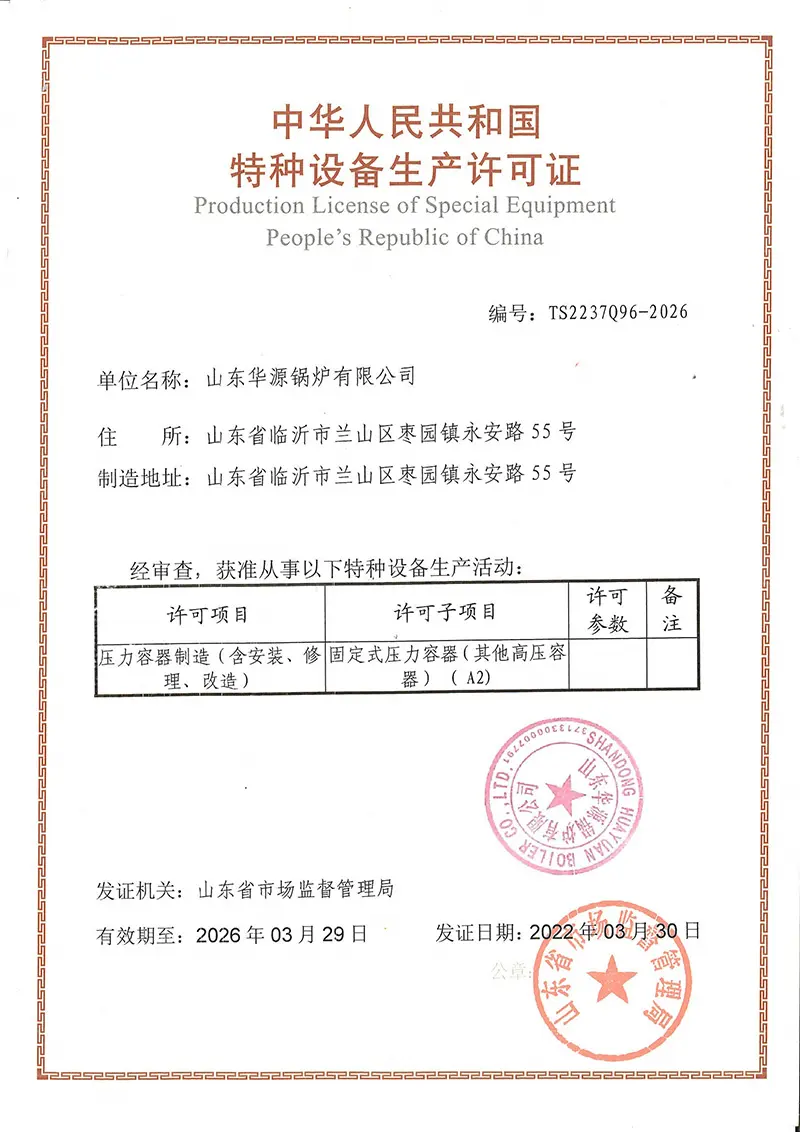
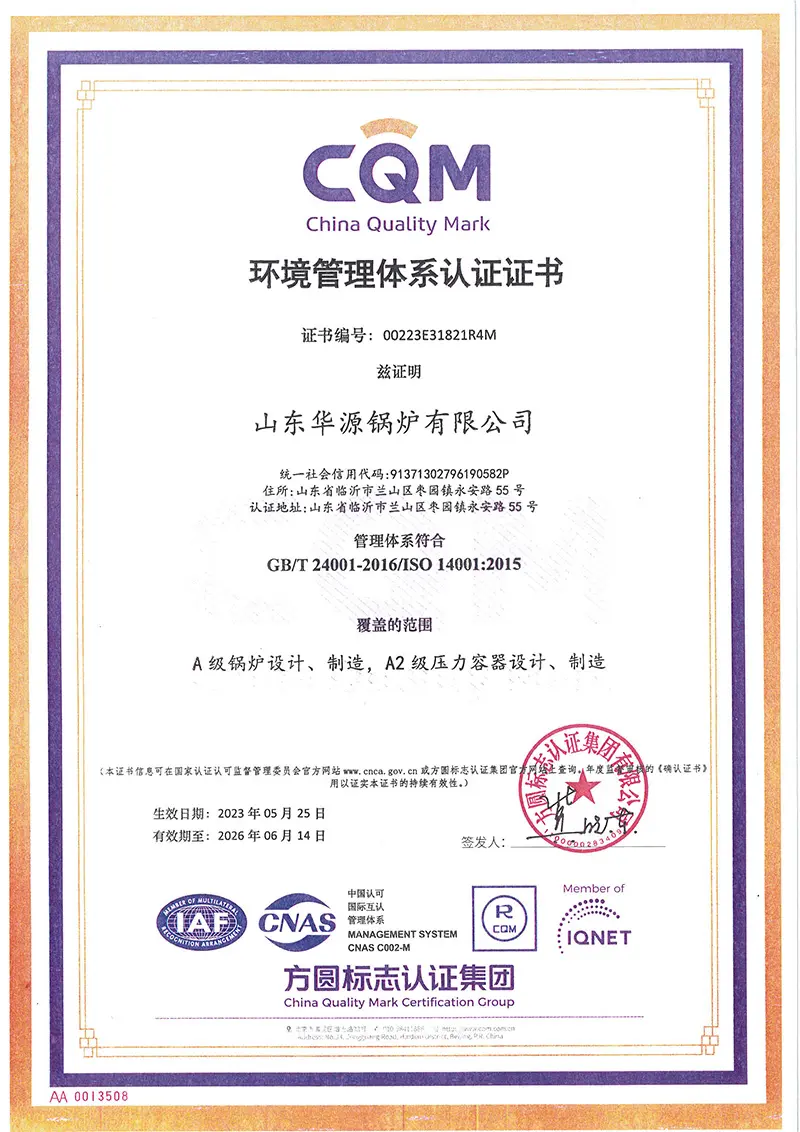
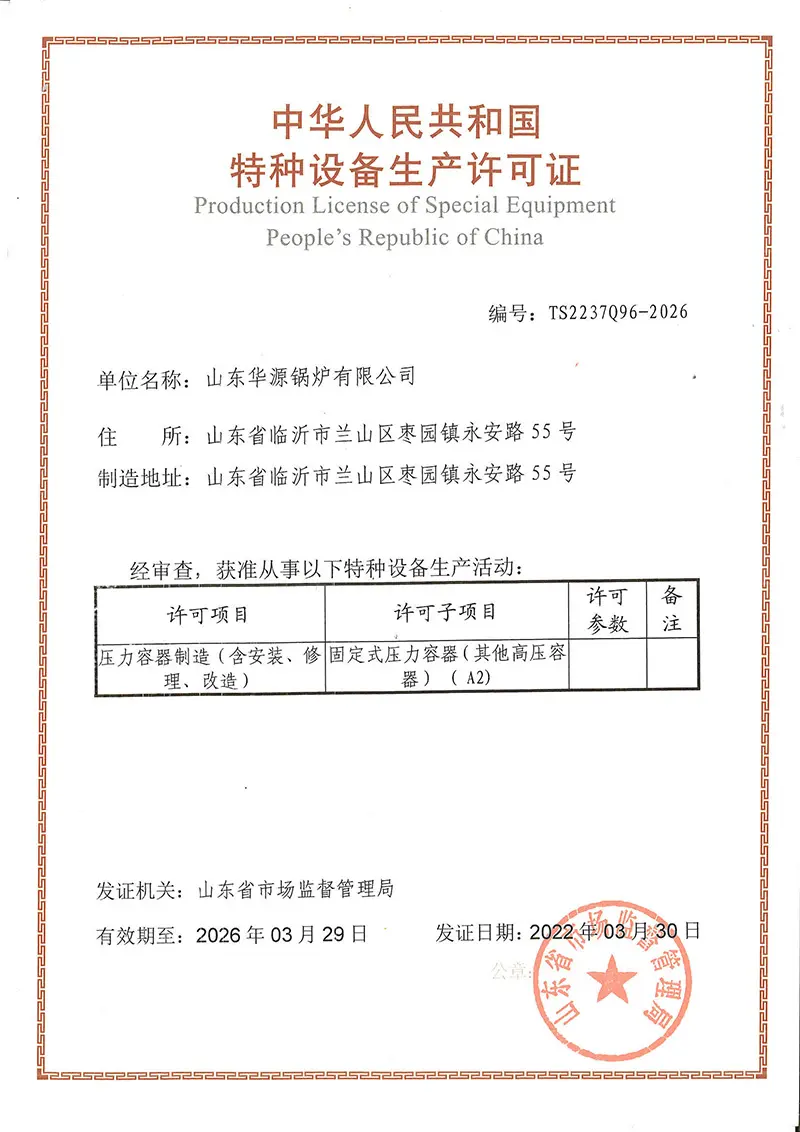
With decades of development, Huayuan Tech has evolved into a comprehensive system integrator. Our capabilities span large-scale boilers, D1/D2 class pressure vessels, continuous screw plastic scrap pyrolyzers, thermal equipment engineering, contract energy management (CEM), and technical consulting. Operating with official Class-A boiler licenses, we ensure that every system is built to survive high-stress, high-temperature thermal cracking conditions. This mechanical reliability is critical for continuous operations, preventing hazardous runtime gas leaks and thermal warping.
Direct sourcing of Q245R and Q345R pressure vessel steel from large state-owned mills dramatically lowers raw metal procurement margins compared to European fabricators.
Using pre-engineered modular formats for continuous waste plastic reactors helps decrease fabrication cycles by 40%, yielding massive structural savings.
Our background in boiler systems lets us design self-sustaining energy loops, converting waste syngas to heat the reactor, cutting operation costs to near-zero.
Mechanical recycling processes often fail when processing mixed polymers. Feedstocks containing combinations of PE (polyethylene), PP (polypropylene), and PS (polystyrene) typically yield low-value plastic mixtures with deteriorated molecular chains. Pyrolysis presents an elegant alternative by executing high-temperature depolymerization under oxygen-free environments. Under process temperatures ranging from 380°C to 450°C, the molecular chains of high-molecular-weight polymers break down into gas-phase hydrocarbon fractions. High-density fractionating condensers then cool these vapors into high-quality light and heavy synthetic crude oils.
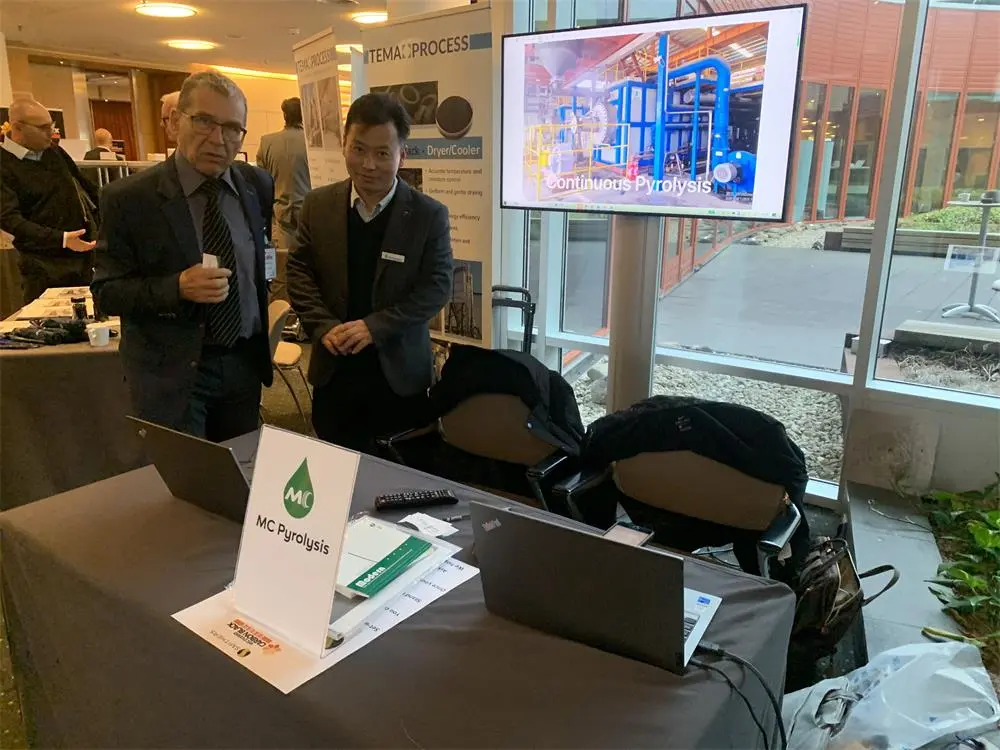
Historically, the pyrolysis industry relied heavily on batch-type rotary kilns. Although structurally straightforward, batch plants require cyclical cooling and reheating periods, resulting in severe heat dissipation, high carbon-black residue buildup, and reduced runtime efficiency. Huayuan Tech's advanced Continuous Screw Pyrolysis Plants solve these problems. Using a continuous-feed screw mechanism, feedstock is continually delivered through airlocks into the high-temperature reactor zone while carbon black is extracted continuously via closed cooling screws. This system provides consistent heat distribution, lowers total fuel use, and prevents thermal degradation from excessive reactor downtime.
A critical challenge in low-cost plastic pyrolysis is handling chlorinated plastics (like PVC) and heavy petroleum waxes. High chlorine content causes equipment corrosion and creates hazardous hydrochloric acid gas. Huayuan Tech solves this issue by integrating custom dehalogenation/dechlorination stages. These pre-treatment units break down and capture chlorine at lower temperatures before the primary cracking zone. Additionally, our high-efficiency heavy-wax filtration systems prevent paraffin and polymer waxes from clogging gas-liquid separators and condenser tubes, ensuring uninterrupted processing for industrial plants.
Initially, Huayuan Technology developed boiler technology in several factory workshops, setting down basic metallurgy and fabrication standards.
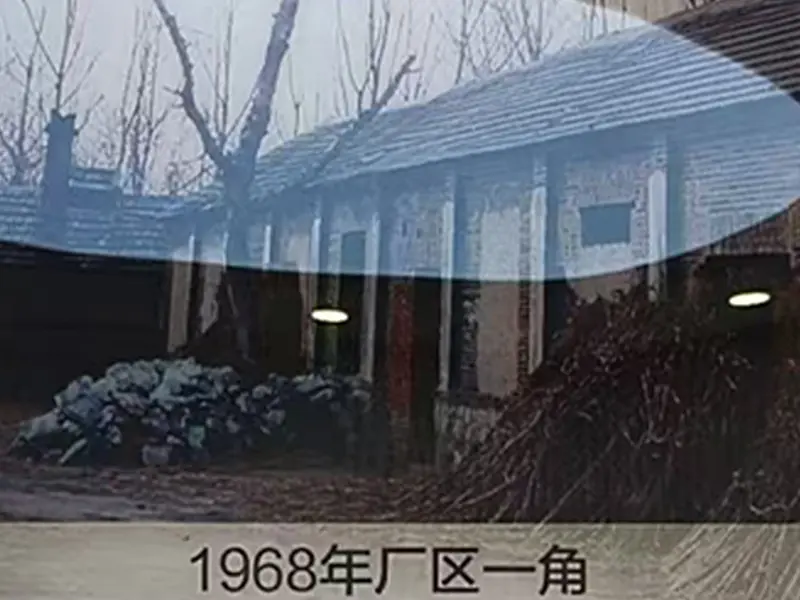
The business was restructured as Linyi County Boiler Manufacturing and Repair Factory, under the jurisdiction of the Linyi County Industrial Bureau.
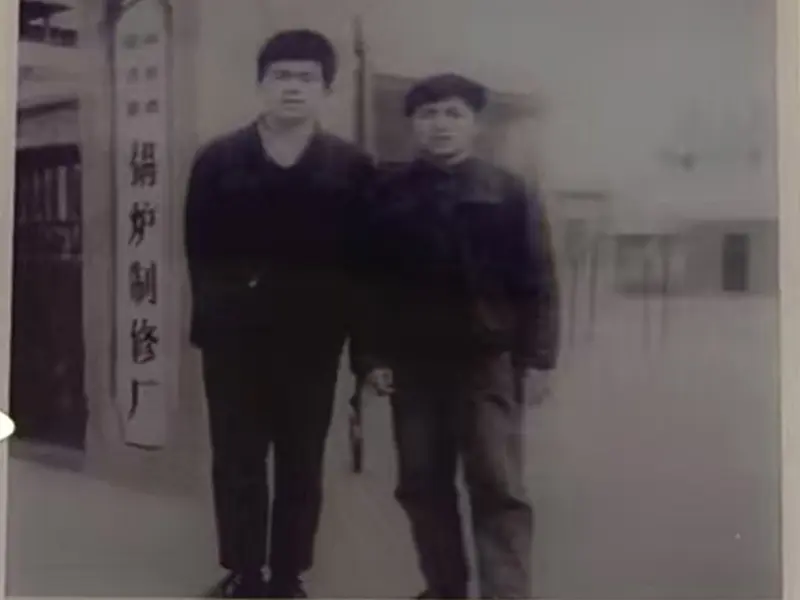
Renamed Linyi Boiler Factory, the business merged with Linyi Auto Parts Factory and relocated to 373 Tongda Road for scaling production.
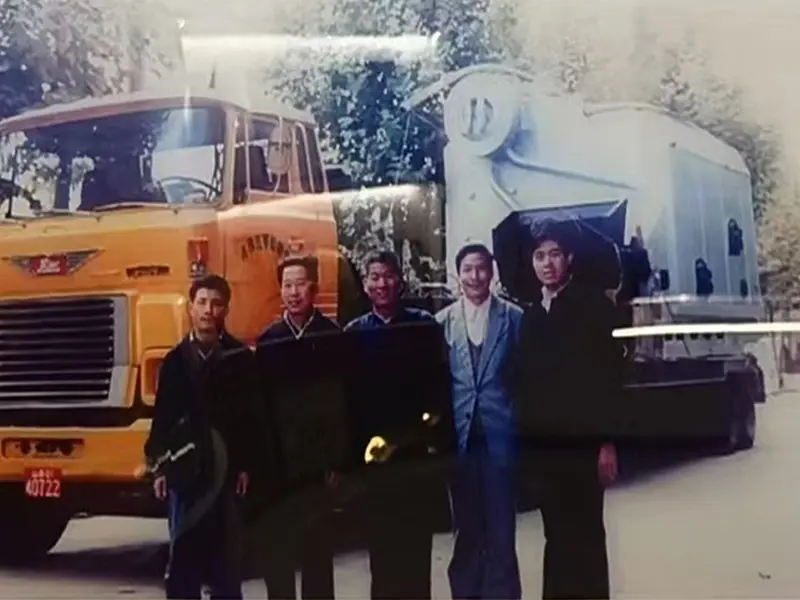
Following industrial modernization programs, the facility restructured into Linyi Boiler Co., Ltd., focusing on large-scale steam distribution systems.
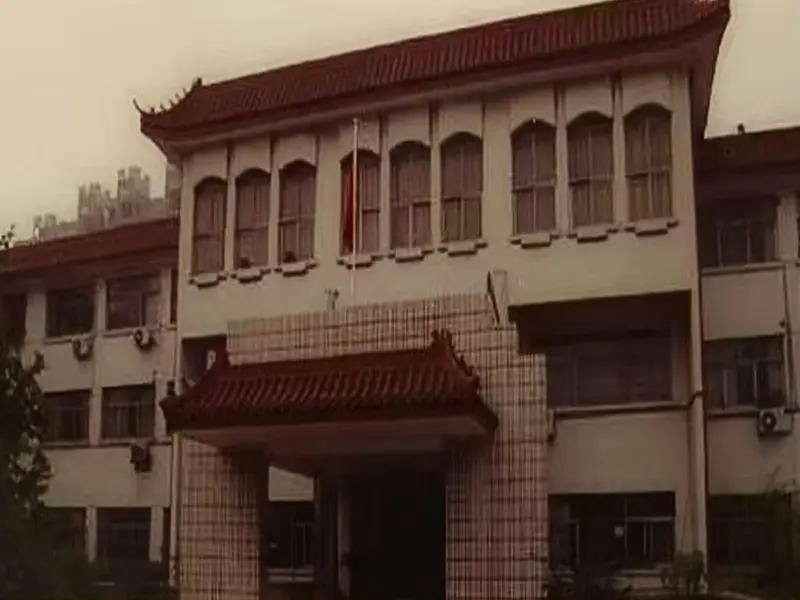
Successful restructuring provided the company with expanded engineering assets, representing the first major step toward building a modern enterprise.
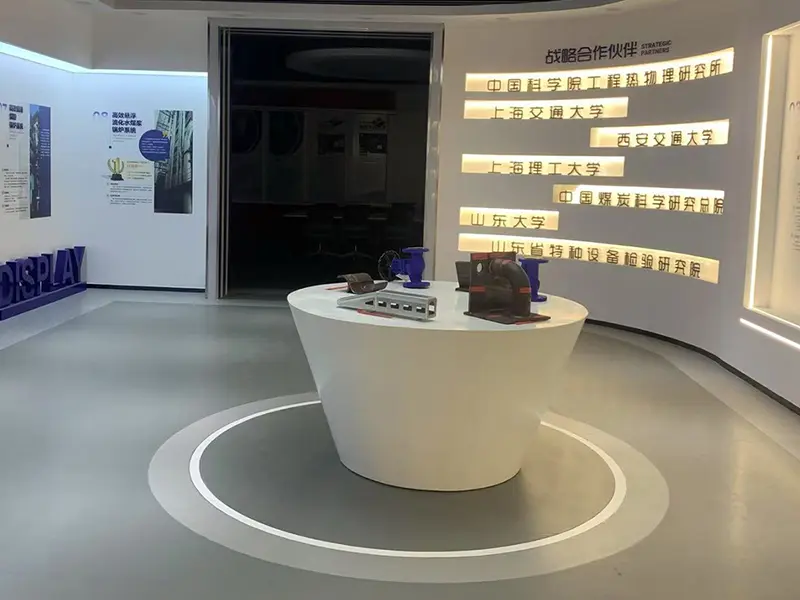
Obtained our national A-level boiler manufacturing license and ISO certification. Initiated engineering development of batch-type waste tire pyrolysis plants.
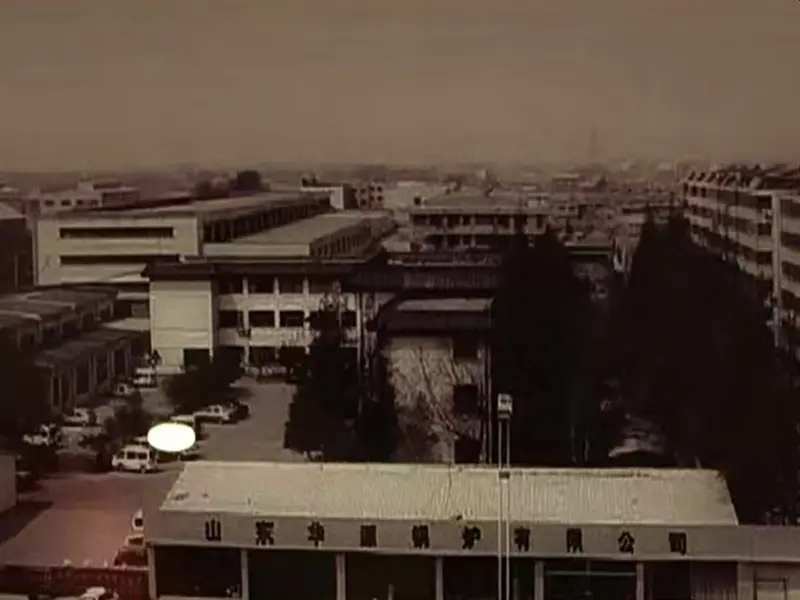
Relocated to our current 220-acre facility in Zaoyuan Town Industrial Park. Commenced R&D on continuous pyrolysis systems.
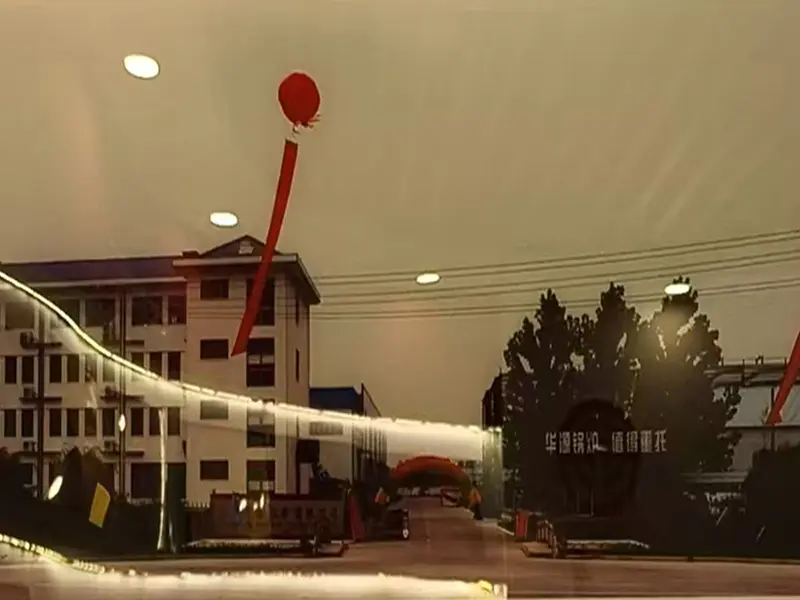
Developed our continuous-feed screw pyrolysis plants. Gained high-tech enterprise recognition and US ASME certification, launching the Huayuan brand globally.
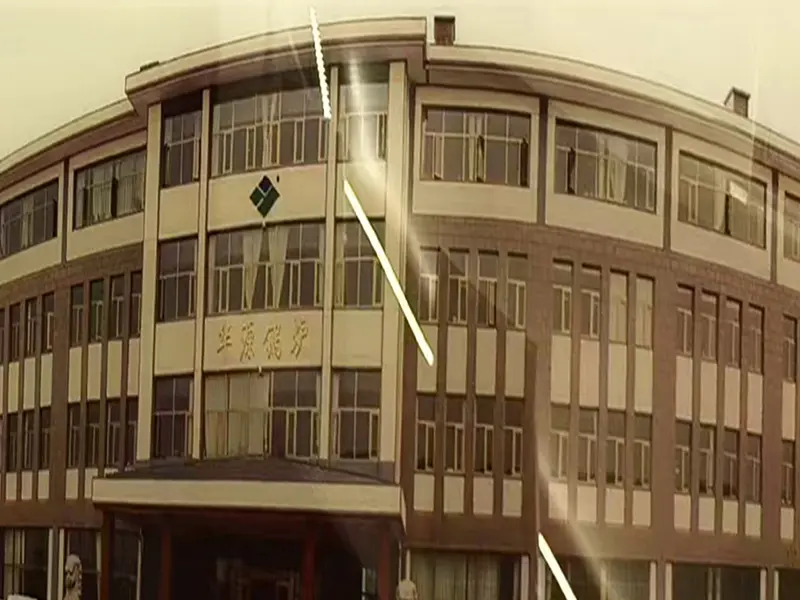
Reinforced corporate sustainability directives, committing to advanced energy conservation, emissions reduction, and high-efficiency global recycling installations.
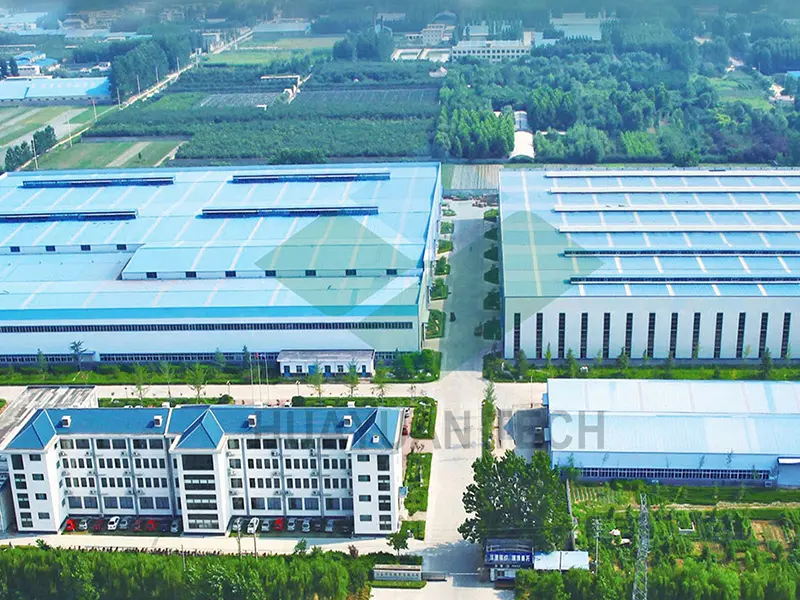
Our pressure vessel welding conforms fully to ASME Section VIII standards, allowing our reactors to operate reliably under high thermal stress and extreme pressures.
Advanced flue gas scrubbing systems feature desulfurization towers, wet scrubbers, and carbon absorption filters to keep air emissions below regional limits (such as EU and US EPA standards).
We work with regional EPC partners to offer local foundation design, civil engineering, pipeline setup, on-site commission work, and operator safety training.
Our feed systems can be customized to process municipal waste plastics, agricultural film, industrial offcuts, shredder residue, or rubber powder.
Material Recovery Facilities (MRFs) frequently face high sorting costs and landfill fees for contaminated, non-recyclable plastic fractions. Integrating a continuous-screw pyrolysis plant lets operators feed mixed plastic fractions directly, bypassing clean sorting stages. The plant converts these mixed materials into heavy industrial heating oil and syngas, which can power the facility's local steam boilers or generate electricity.
Scrap tire disposal is a growing concern globally. Using a tire-block pyrolysis system with continuous reactors, operators can convert 5-10cm rubber chips into crude tire oil and high-yield recovered carbon black. The recovered carbon black is refined to remove steel wire remnants, yielding high-grade industrial pigment or reinforcing fillers for rubber compounding. This process generates multiple revenue streams from waste materials.
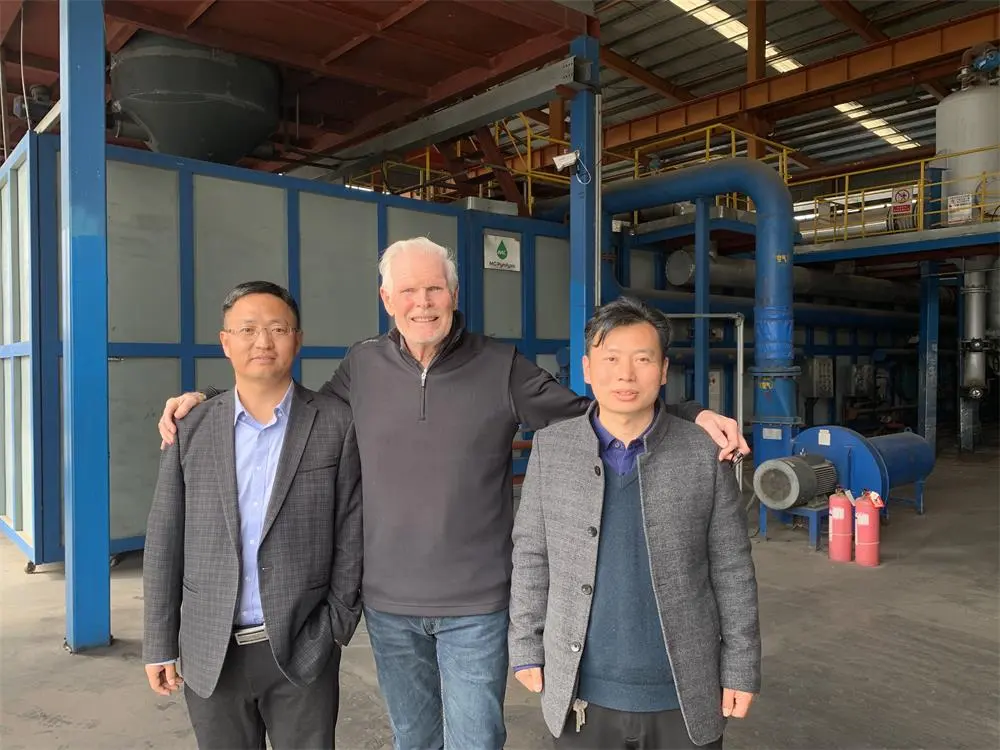
Fully integrated reactor line designed for constant polymer cracking with automated slag discharge.
Splits heavy fuels from light fractions while managing paraffin waxes for uninterrupted flow.
Keeps emissions within strict limits using wet chemical spray neutralizers and active carbon stages.
 Huayuan